Кратко
Формулировка «криптопроцессинг без KYC» должна отвечать на два отдельных вопроса: проходит ли идентификацию покупатель при оплате и нужны ли документы бизнесу до начала работы. Большинство сервисов закрывают только первый. В Paymos покупатель платит без аккаунта, email и KYC, а мерчанту не нужны документы, чтобы начать: шага проверки в продукте нет.
Размытое обещание «без KYC навсегда» создаёт неверные ожидания у бизнеса и покупателей. До интеграции важно зафиксировать, кого именно не проверяют, на каком этапе это действует, кто хранит средства и держит ли сервис в запасе проверку, о которой не пишет.
Криптопроцессинг без KYC — не единый режим работы, а точное описание конкретного этапа. Покупатель может оплатить блокчейн-счёт без регистрации и проверки личности; что при этом происходит с бизнесом, который счёт выставил, — отдельный вопрос. Смешивать два процесса в одно обещание опасно: у плательщика и у мерчанта разные задачи.
В Paymos покупатель не создаёт аккаунт, не оставляет email и не загружает документы. Мерчант тоже начинает без KYC- и бизнес-документов — проверки бизнеса в Paymos нет.
Кого именно не проверяют при оплате криптовалютой?
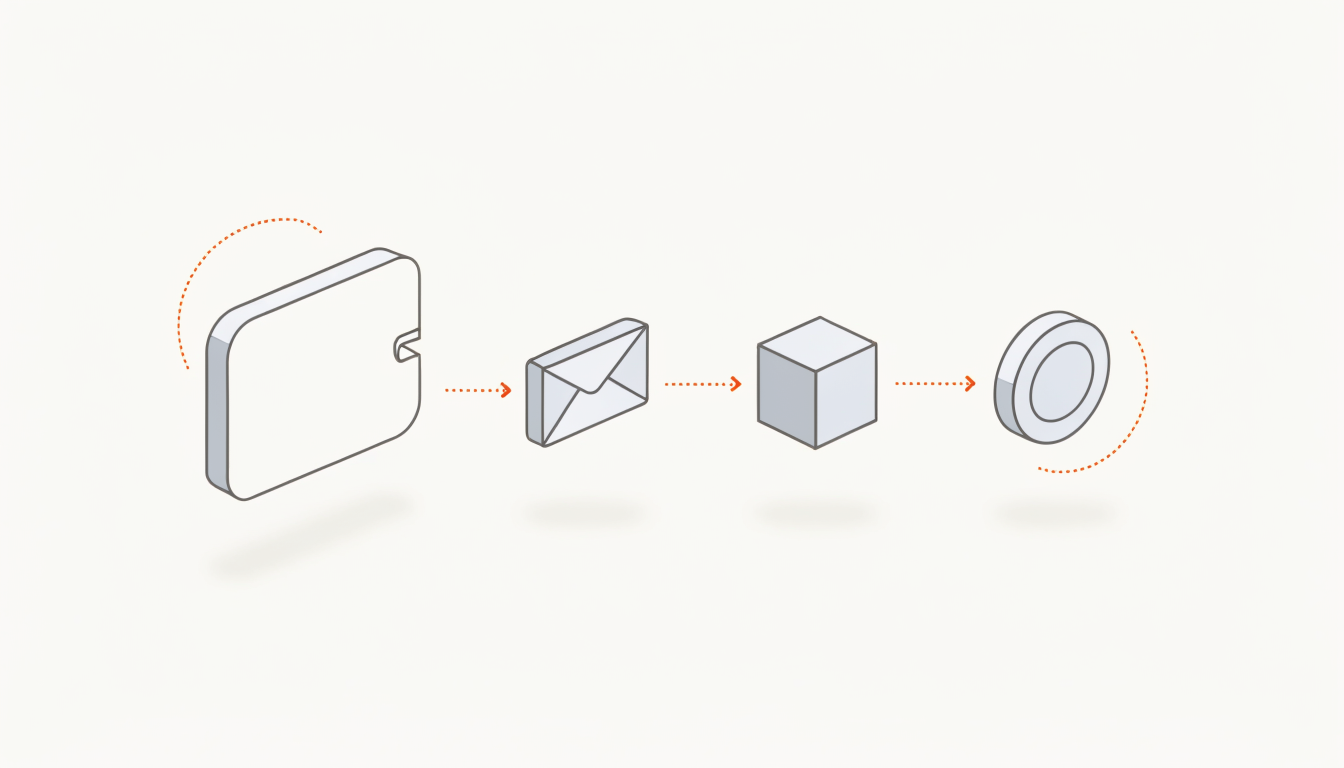
Начните с покупателя. На странице оплаты Paymos он выбирает поддерживаемый актив и сеть, видит адрес и сумму, отправляет перевод и следит за статусом. Paymos не просит его заводить профиль или подтверждать личность.
Это правило относится только к странице оплаты Paymos. Покупатель может отправлять средства с собственного кошелька, биржи или другого сервиса. Каждый такой поставщик самостоятельно определяет, какие сведения нужны его пользователю. Поэтому корректная формулировка звучит как «без KYC со стороны Paymos», а не как обещание полной анонимности всей платёжной цепочки.
Для бизнеса это важная граница поддержки. Если биржа не выпускает перевод без проверки аккаунта, Paymos не может отменить её требования. Покупателю следует объяснить, какие действия нужны на странице счёта, не приписывая платёжному сервису правила стороннего кошелька.
Можно ли подключить криптопроцессинг без документов?
Да, Paymos позволяет начать без предварительной подачи документов. Мерчант может создать проект, проверить сценарий в тестовом режиме, выбрать платёжную поверхность и подготовить интеграцию.
Анкеты за порогом оборота в продукте нет, как нет и шага, который открывал бы рабочий режим. Это не обещание, а то, что видно в панели: проверить можно за вечер, ещё до интеграции.
Сам факт простого подключения также не отменяет обязанности продавца. Законность товара, налоги, учёт, возвраты, санкционные ограничения и правила конкретной отрасли остаются зоной ответственности бизнеса. Криптопроцессинг меняет способ приёма оплаты, но не становится универсальным освобождением от требований к торговле.
Как проверить обещание «без KYC» до интеграции?
Замените рекламную фразу на набор проверяемых вопросов:
- Без проверки работает покупатель, мерчант или оба участника?
- Условие действует только при регистрации или на всём сроке работы?
- Может ли объём, риск или лимит запустить дополнительную проверку?
- Кто управляет страницей оплаты и хранит принятые активы?
- Кто выполняет обмен или банковский вывод, если они нужны?
- Что произойдёт с уже отправленным платежом при проверке аккаунта?
- Какие данные останутся у бизнеса для учёта и поддержки покупателя?
Ответы должны относиться к конкретным продуктам. Криптопроцессинг, обмен, банковский перевод и карточный платёж могут обслуживаться разными компаниями. У каждой будут собственные комиссии, юрисдикции и правила идентификации.
Чем KYC покупателя отличается от проверки мерчанта?
Проверка покупателя отвечает на вопрос, кто отправляет оплату. Проверка мерчанта или бизнеса отвечает на вопрос, кому предоставляют платёжную инфраструктуру. Отсутствие первого процесса ничего автоматически не говорит о втором.
В Paymos обе границы совпали. Покупатель оплачивает счёт без Paymos-аккаунта, email и KYC. Бизнесу не нужны документы, чтобы завести аккаунт и начать продавать. Незакрытым остаётся слой снаружи: биржа или кошелёк, откуда уходит перевод, живут по своим правилам, а обязанности самого продавца от отсутствия проверки никуда не деваются.
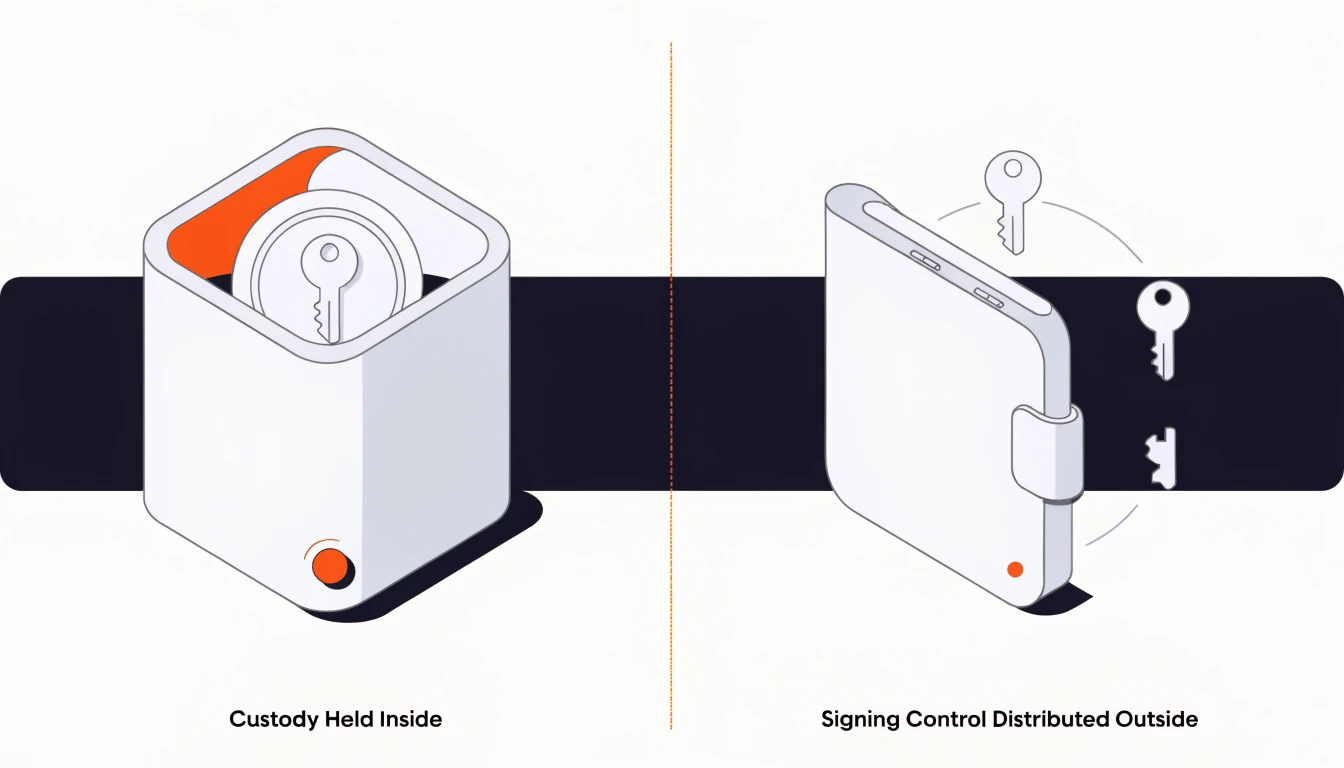
Отдельно оценивайте кастодиальную модель. Paymos использует управляемое хранение, подписывает выводы в изолированной инфраструктуре и разрешает вывод только на адреса из белого списка мерчанта. Это механизм защиты средств, а не способ определить личность покупателя. Подробнее — в материале о кастодиальном и некастодиальном криптопроцессинге.
Означает ли отсутствие KYC отсутствие чарджбэков?
Нет. Завершённая блокчейн-транзакция не отменяется через карточную платёжную систему, но у покупателя всё равно может возникнуть претензия. Бизнес может ошибиться в заказе, столкнуться с мошенничеством или быть обязан вернуть оплату.
Возврат — новая исходящая транзакция. Paymos не предоставляет покупателю самостоятельный кабинет споров или возвратов. Мерчант проверяет основание и адрес, затем отправляет средства со своего баланса Paymos в рамках собственной процедуры.
Поэтому безопаснее говорить о необратимости подтверждённого перевода на уровне блокчейна, а не о «нулевых спорах». Поддержка, условия возврата и проверка адреса получателя всё равно нужны.
Какие границы Paymos нужно учитывать?
Paymos принимает USDT, USDC, USD1, DAI и XAUT в поддерживаемых сетях и зачисляет тот же актив на соответствующий баланс мерчанта. Принудительной конвертации в фиат, BTC, ETH или другой стейблкоин нет. Стандартная комиссия процессинга — 1,0 % с зачисленного платежа; индивидуальный тариф 0,3 % доступен по запросу.
Paymos не выполняет вывод на банковский счёт, не обрабатывает карты и не списывает средства из кошелька покупателя автоматически. Если бизнесу нужны такие операции, они образуют отдельную цепочку с собственными условиями проверки.
Для быстрого старта подходят платёжные ссылки. Платёжная страница удобна, когда сервер уже создаёт заказы, а оформление оплаты нужно передать Paymos. Встроенная оплата и Low-Code SDK оставляют больше сценария внутри сайта. CMS-плагины подключают распространённые торговые и биллинговые платформы.
Что зафиксировать перед запуском?
Запишите четыре границы: какие данные не запрашиваются у покупателя; что при подключении бизнес не подаёт ни документов о личности, ни бизнес-документов, ни анкеты; какие сторонние сервисы участвуют в отправке или выводе — там запрос документов к покупателю всё ещё возможен; и как мерчант обрабатывает возвраты. Эти сведения должны совпадать на странице оплаты, в поддержке и в публичных условиях.
Точная формулировка выглядит так: Paymos принимает оплату без KYC покупателя и подключает бизнес без документов. Это уже, чем «анонимные платежи навсегда»: про кошелёк, с которого платит покупатель, и про закон, который распространяется на вас, здесь не сказано ничего. Зато это можно проверить и объяснить клиенту.
Для сравнения провайдеров используйте чек-лист выбора криптопроцессинга: он разделяет подключение, хранение активов, комиссии, конвертацию и вывод средств.
| Участок процесса | Что происходит без KYC | Что проверить бизнесу | |
|---|---|---|---|
| Оплата покупателя | Покупатель не создаёт аккаунт Paymos и не загружает документы | Не требует ли идентификацию кошелёк или биржа отправителя | |
| Подключение мерчанта | Работу можно начать без предварительной подачи документов | Держит ли сервис в запасе проверку на случай, когда обороты вырастут | |
| Хранение и вывод | Принятый актив зачисляется на соответствующий баланс | Как устроены хранение средств, белый список адресов и сетевые комиссии | |
| Обязанности бизнеса | Платёжный сервис не добавляет отдельную проверку покупателя | Собственные требования по налогам, возвратам и законности товара |
Частые вопросы
Что означает криптопроцессинг без KYC?
Обычно речь идёт об отсутствии проверки личности на конкретном этапе — например, при оплате покупателем или при первичном подключении мерчанта. Анонимности всех участников это не даёт, а у большинства сервисов проверка бизнеса дальше по пути всё-таки припасена.
Проходит ли покупатель KYC в Paymos?
Нет. Покупатель не создаёт аккаунт Paymos, не указывает email и не проходит проверку личности для оплаты счёта.
Может ли бизнес подключить Paymos без документов?
Да. Ни KYC, ни KYB в Paymos нет — ни анкеты, ни загрузки документов, ни шага, открывающего рабочий режим.
Исключает ли блокчейн-платёж возвраты и споры?
Нет. Завершённый перевод не отменяется через карточный чарджбэк, но покупатель может обратиться с претензией, а бизнес может быть обязан вернуть средства. Возврат выполняется новой исходящей транзакцией.
Выводит ли Paymos деньги на банковский счёт?
Нет. Paymos зачисляет принятый блокчейн-актив на баланс мерчанта и не переводит его в банк. У отдельного обменного или банковского сервиса будут собственные правила проверки.
Когда НЕ стоит использовать криптопроцессинг без KYC
- Если внутренние правила компании требуют, чтобы платёжный сервис проверил бизнес до первого реального платежа, предъявить будет нечего. Такой проверки в Paymos не существует, так что закрывайте это требование другим способом.
- Если необходим автоматический обмен и вывод на банковский счёт, Paymos не закрывает этот участок платёжной цепочки.
- Если нужны карты, автоматическое списание из кошелька или самостоятельный кабинет споров покупателя, блокчейн-счёт не заменит эти инструменты.
Источники
- 1. Политика AML Paymos (accessed 2026-08-03)
- 2. Тарифы Paymos (accessed 2026-08-03)
- 3. Обзор Paymos (accessed 2026-08-03)
- 4. Рекомендации FATF (accessed 2026-08-03)
Последняя проверка: 2 сент. 2026 г.