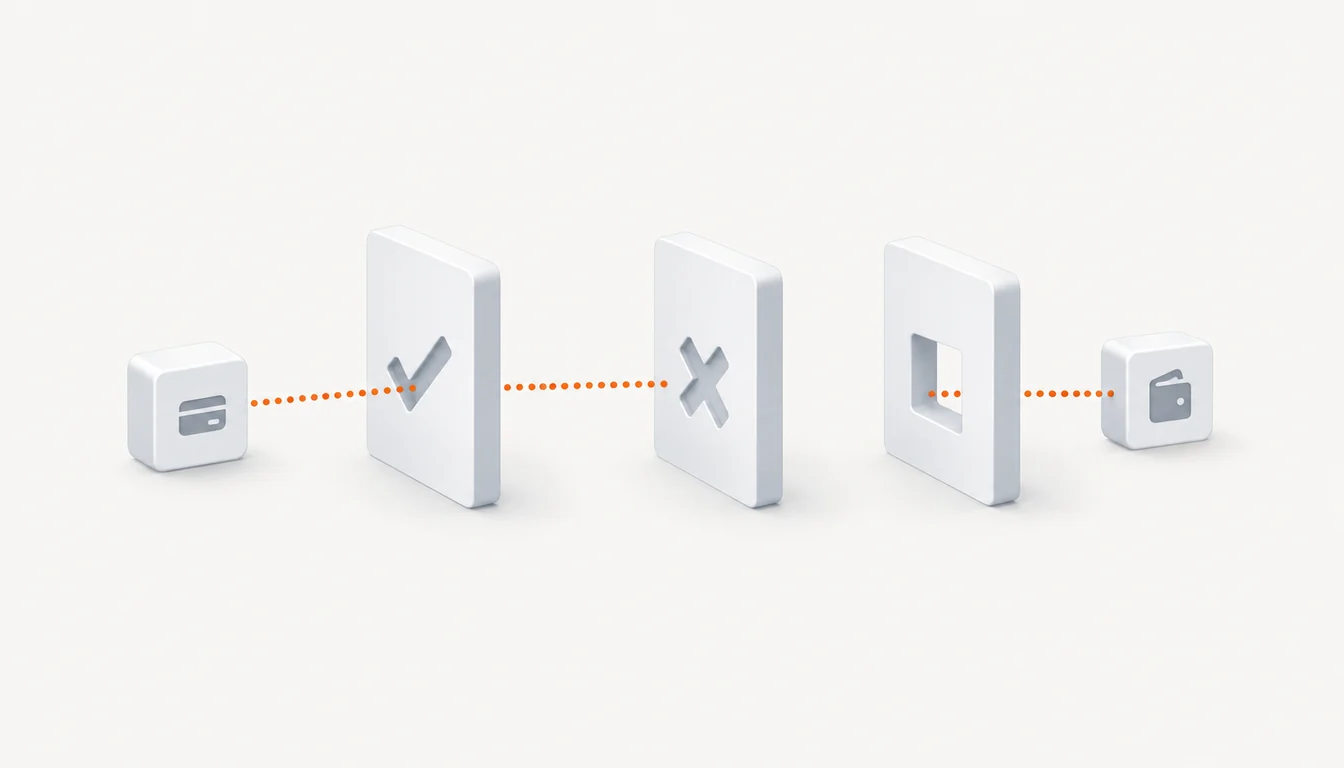
Fake USDT is a separate token presented as Tether's asset. A wallet can display the familiar ticker while recording a balance in something else. To check what arrived, identify the network and compare the token's full identifier with the issuer's official record for that network. A screenshot cannot complete that check.
Why can two tokens use the same name?
A token's creator chooses its display metadata. Under ERC20, name and symbol help applications label a token, while decimals tells them how to display the fractional amount. These fields are optional. The standard does not reserve a name or ticker for a particular issuer.
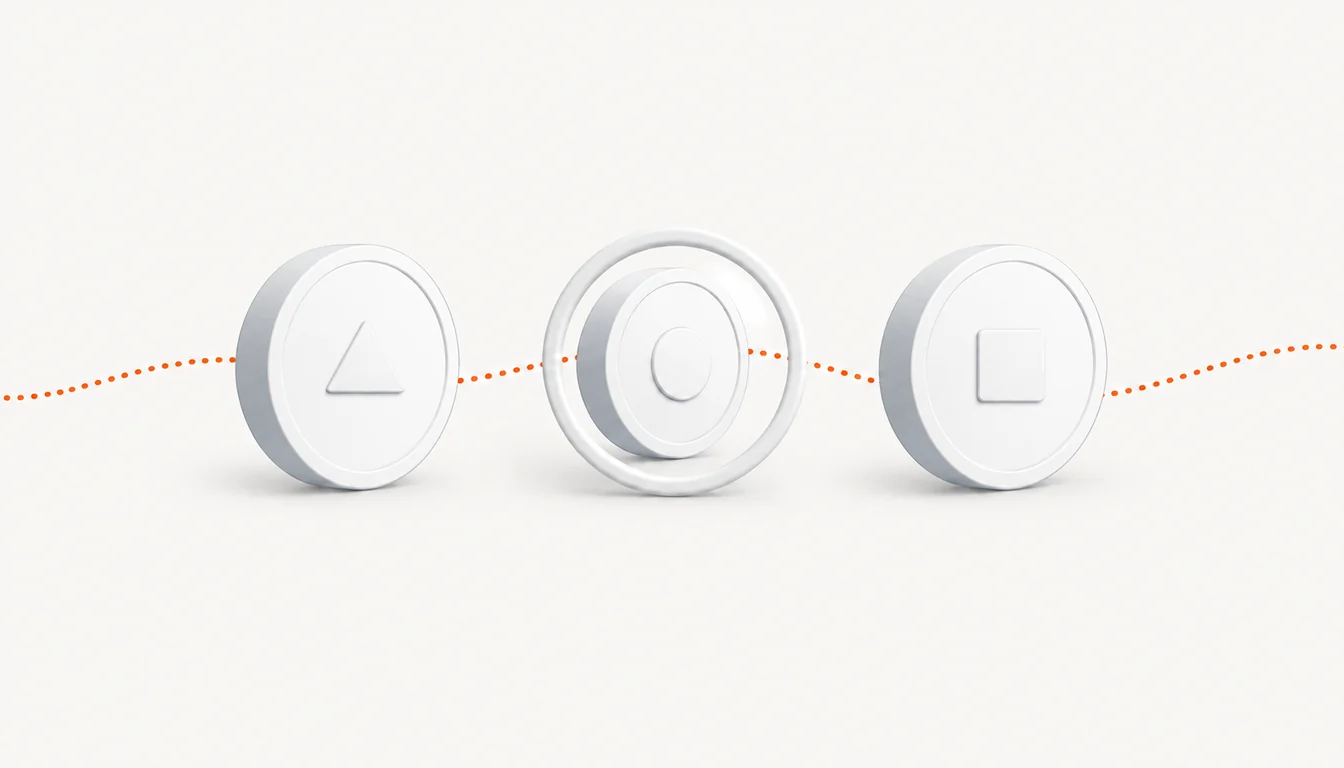
Matching metadata therefore establishes no shared origin. Two contracts can describe their tokens with the same letters. A familiar logo adds another visual cue, but it does not certify the issuer. Even a balance shown with the expected number of decimal places leaves the asset's identity unresolved.
This matters when reading a wallet or explorer. The label makes a long technical record easier to recognise. If you use that label as the proof, you skip the very detail that distinguishes one token from another.
Where should you find the official identifier?
Start with the issuer's own source. Tether lists its supported protocols and identifiers by network. Find the relevant network there before comparing it with the token shown in the transfer. Ethereum and Tron use contract addresses; other networks can use different kinds of identifier.
Compare the entire identifier. A shortened address in a wallet, or a few matching characters at either end, is insufficient. Keep the network attached to the comparison: an identifier copied from a record for one network is not a general certificate for every token carrying the USDT ticker.
The reference must be independent of the sender. If the buyer supplies both the token and the address said to prove its authenticity, you are checking their claim against another of their claims. Open the issuer's source yourself rather than following a supposed verification page sent in the conversation.
What would you check in a 100 USDT payment?
Suppose the invoice requests 100 USDT on Ethereum. Open the transaction in an explorer for that network and find the token involved in the transfer. Read its contract address, then compare it with Tether's official Ethereum identifier. The Ethereum token documentation explains how contracts track token balances and transfers.
Check the recipient separately. The token contract identifies the asset, while the recipient address tells you where it went. A correct destination does not repair an incorrect token, and a genuine token does not prove it reached your destination. These addresses answer different questions even though both look like blockchain addresses.
If the contract differs, the displayed 100 USDT has not established receipt of Tether's USDT. The sender might also be mistaken; their wallet's label proves no more than yours. A transfer of another token can succeed on-chain. Transaction success and invoice payment need their own checks.
Does a different token always mean a counterfeit?
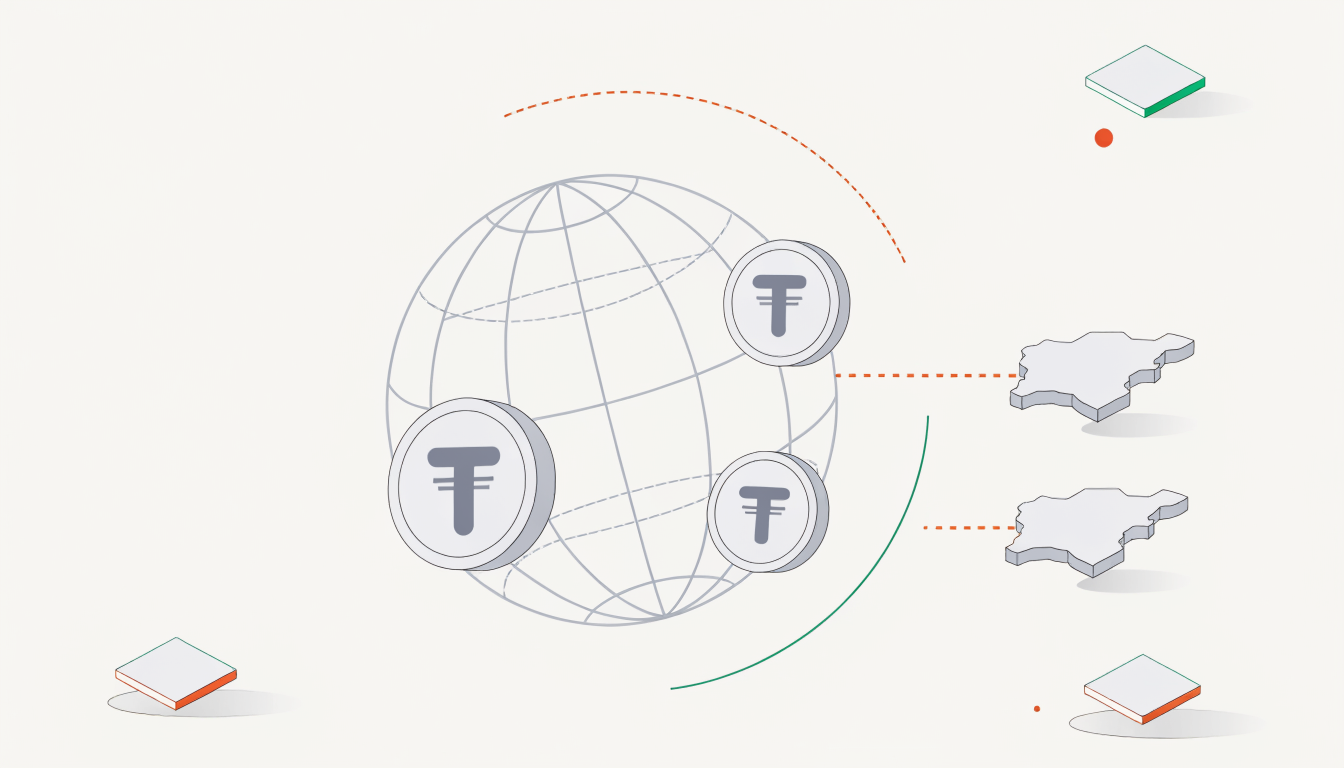
Different assets call for different explanations. Genuine USDT sent on another network is still genuine USDT. The mismatch concerns the agreed payment network. Authenticity alone does not establish that the receiving service accepts that network for this invoice.
A wrapped version is another case. A bridge can represent an asset with a separate token on a destination network, with its own contract. Ethereum's bridge explainer describes that mechanism. Check the representation's origin and terms separately; accept it as payment only when that exact version is included in the payment terms.
An unsupported deposit route can also leave an otherwise genuine transfer outside the expected payment flow. Keep the questions distinct: what asset moved, on which network, and whether the transfer followed the invoice instructions. Calling every mismatch fake USDT hides the actual error and makes the next check harder.
What if an unfamiliar token appears without warning?
An unsolicited token balance needs no response from you. MetaMask's token safety guidance warns that unknown tokens can direct users to scam sites when they try to use them. A token appearing at an address does not establish its value or its origin.
Reading public transfer details and comparing the official identifier requires no spending permission for an unfamiliar site. If a page asks for that permission to “verify” the token, stop treating the request as part of the identity check. The wider pattern is covered in crypto payment fraud.
| Visible detail | What it establishes |
|---|---|
| USDT name and logo | How the app presents the token |
| A balance of 100 | An amount recorded for that particular token |
| Successful transaction | The outcome of that operation |
| Correct recipient | Where the token transfer went |
| Network and full official identifier match | The identity of the asset being checked |
Frequently asked questions
Can a fake USDT transfer have a real transaction hash?
Yes. A different token can move on a blockchain. Its transaction hash does not establish that the token was issued by Tether.
Does the contract address need to match my wallet address?
No. The token contract identifies the asset; the recipient address identifies where the transfer went.
Is USDT on another network counterfeit?
Genuine USDT remains genuine on another network. Whether that network meets the invoice terms is a separate question.
Sources
- 1. ERC-20: Token Standard (accessed 2026-10-09)
- 2. Tether: Supported Protocols and Integration Guidelines (accessed 2026-10-09)
- 3. Ethereum: ERC-20 Token Standard (accessed 2026-10-09)
- 4. Ethereum: Introduction to blockchain bridges (accessed 2026-10-09)
- 5. MetaMask: Token safety practices (accessed 2026-10-09)
Last reviewed Oct 9, 2026