Aug 2026 Industry
Coinbase Commerce Shut Down: How to Accept Crypto
Coinbase Commerce closed on 31 March 2026. What shut down, why Coinbase Business is not a migration path for most merchants, and how to accept crypto now.
8 min read
Analysis of stablecoin adoption, payment economics, regulation, and the operating models behind crypto payments for business.
Coinbase Commerce closed on 31 March 2026. What shut down, why Coinbase Business is not a migration path for most merchants, and how to accept crypto now.
A crypto payment gateway without KYC can mean the payer skips identity checks, the merchant does, or both. See exactly which ones Paymos removes.
Compare crypto vs card fees across acceptance, network costs, settlement, conversion, disputes, held funds, compliance, and treasury operations.
Learn why finalized crypto payments have no card-style chargeback, which merchant risks remain, and how to control refunds, fraud, and fulfillment.
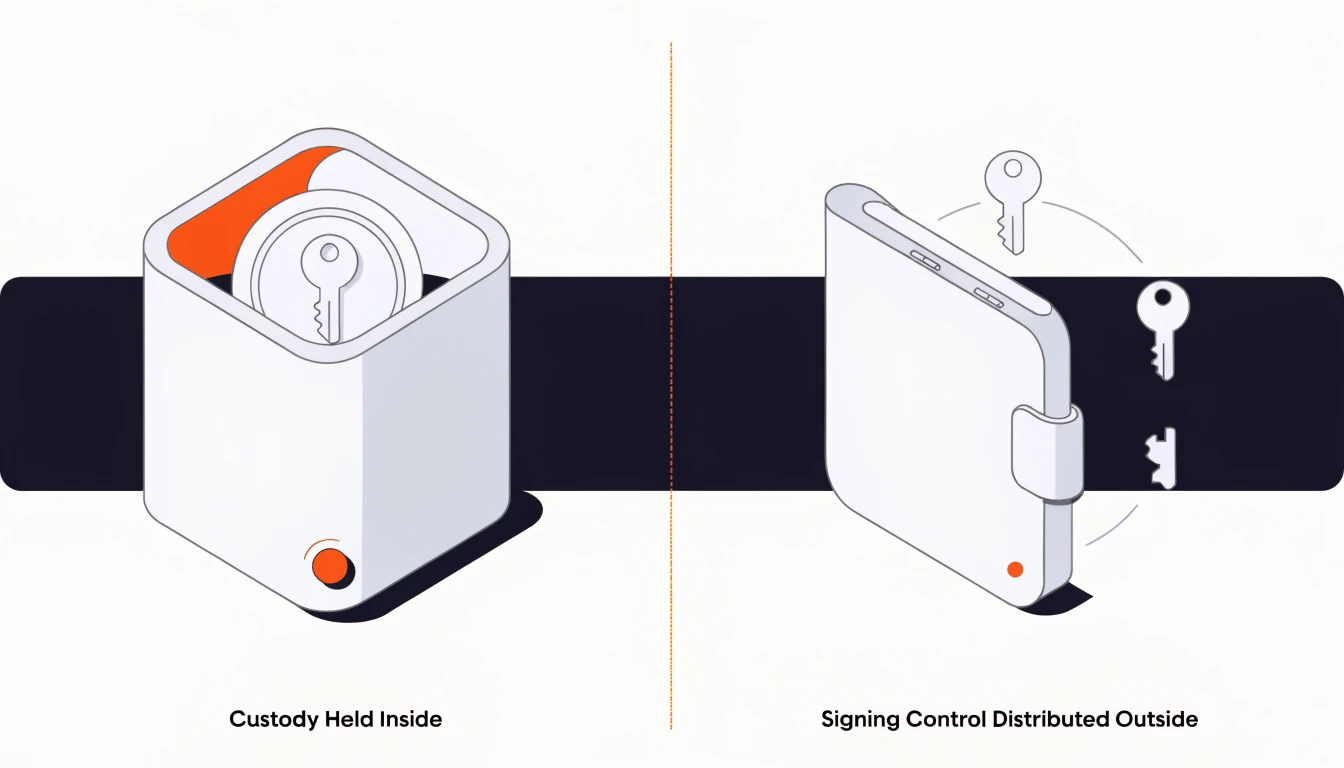
Compare custodial and non-custodial crypto payment gateways by fund control, key security, settlement, refunds, and daily merchant operations.
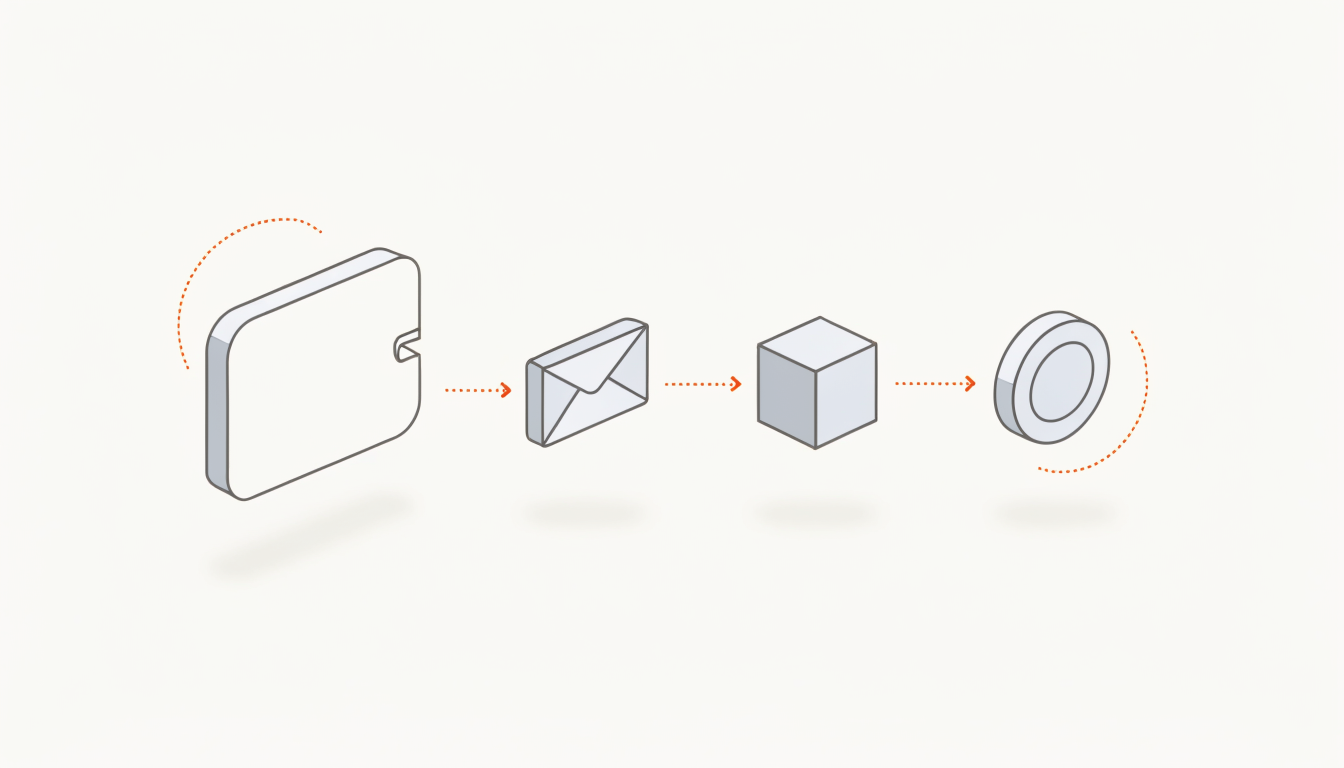
Crypto payments move from invoice to wallet, block confirmation, and merchant settlement. Learn the lifecycle, timing, fees, and webhook delivery.
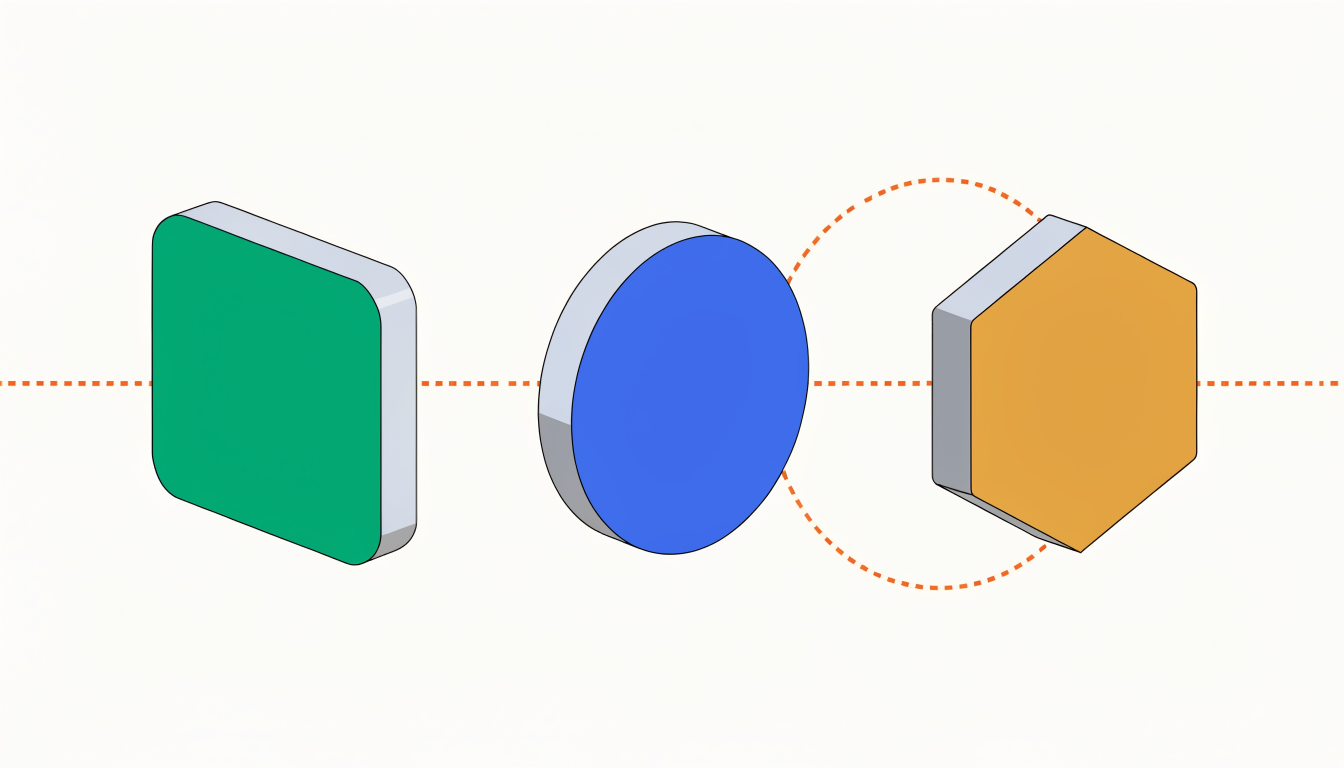
Compare USDT, USDC, and DAI for payments by backing model, issuer risk, supported Paymos networks, customer demand, and current network cost.
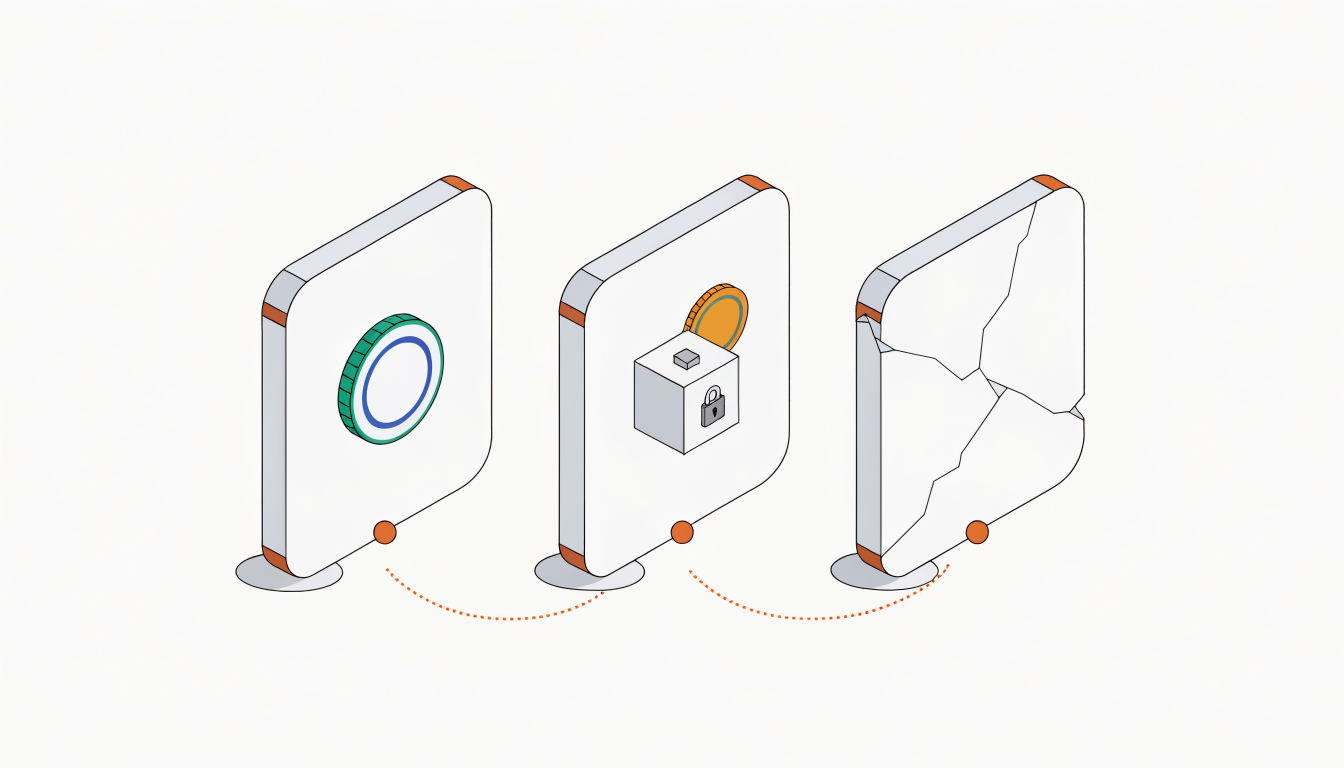
Stablecoin types use different peg mechanisms: issuer reserves, on-chain collateral, or supply incentives. Learn what to verify before using each model.
USDT is a fiat-backed stablecoin issued by Tether. Learn how merchants should choose a network, confirm invoices, control payouts, fees, and refunds.