Aug 2026 Technical
Blockchain Reorgs: Can a Confirmed Payment Vanish?
A reorg can orphan a block a payment was mined in. What that does to an order you already shipped, who absorbs the loss, and how to test it first.
7 min read
Blog
Product updates, integration guides, and market analytics.
A reorg can orphan a block a payment was mined in. What that does to an order you already shipped, who absorbs the loss, and how to test it first.
Coinbase Commerce closed on 31 March 2026. What shut down, why Coinbase Business is not a migration path for most merchants, and how to accept crypto now.

Every Paymos project sets what share of the 1.0% processing fee is added to the payer's amount. The default is 0%, and the payer sees no fee line.
Paymos affiliate tiers are re-derived daily from a rolling 30-day count of active merchants, so a rate falls as well as rises. What counts, and when.

A crypto POS terminal that runs in a browser: one link per project, 46 supported fiat currencies, and no inventory, shifts, receipts, tax, or tipping.
A Paymos plugin archive is the same file for every merchant and holds no API key, secret, project ID, or webhook secret. Why that is, and how to check.
Accept crypto payments in Telegram: on the Telegram-bot channel a Paymos invoice link opens a chat with the bot instead of a hosted payment page.
A crypto payment gateway without KYC can mean the payer skips identity checks, the merchant does, or both. See exactly which ones Paymos removes.
Accept crypto payments on your website with payment links, hosted checkout, CMS plugins, or a widget. See what needs no code and what needs a backend.
Compare crypto vs card fees across acceptance, network costs, settlement, conversion, disputes, held funds, compliance, and treasury operations.
Crypto invoicing explained from order ID and checkout to confirmation, underpayment, signed webhooks, reconciliation, and safe order fulfillment.
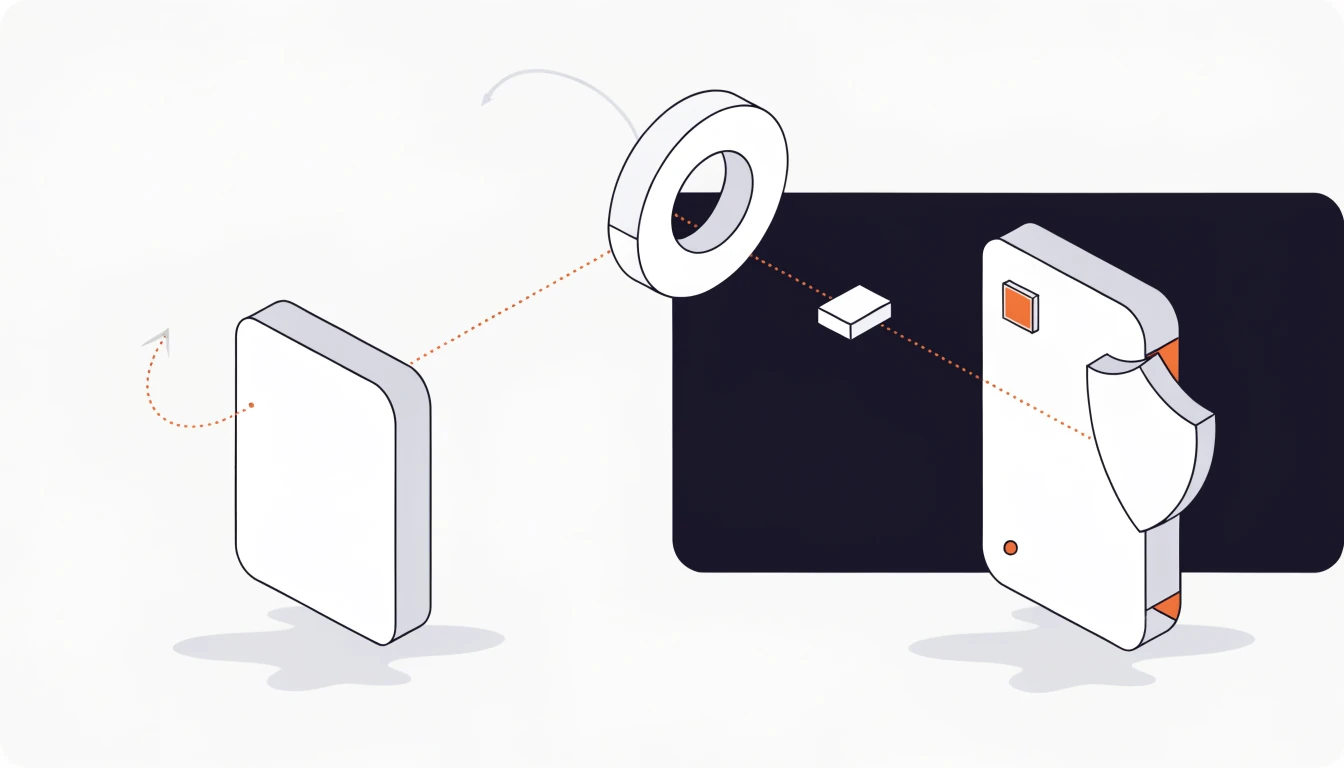
Learn why finalized crypto payments have no card-style chargeback, which merchant risks remain, and how to control refunds, fraud, and fulfillment.
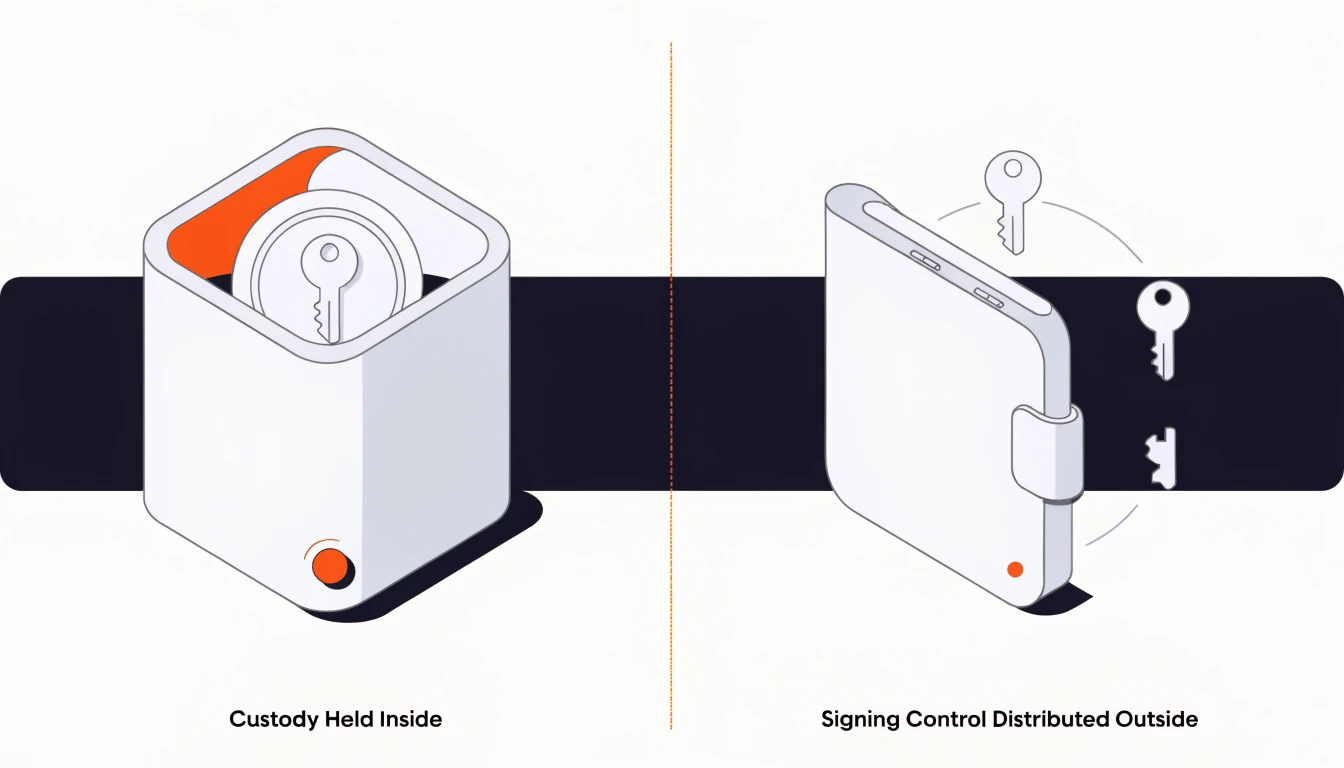
Compare custodial and non-custodial crypto payment gateways by fund control, key security, settlement, refunds, and daily merchant operations.
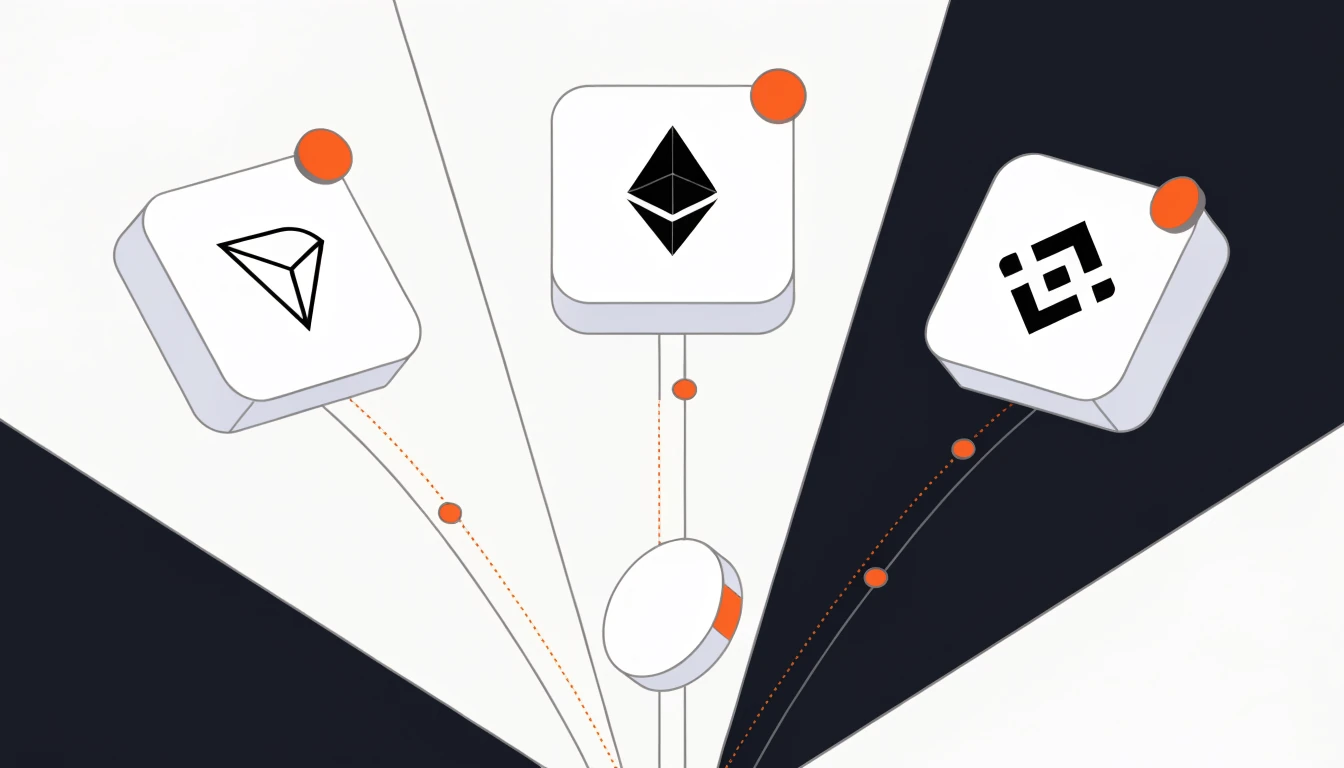
Compare USDT TRC20, ERC20, and BEP20 payment routes by chain, fee asset, wallet compatibility, Paymos support, confirmation, and checkout risk.
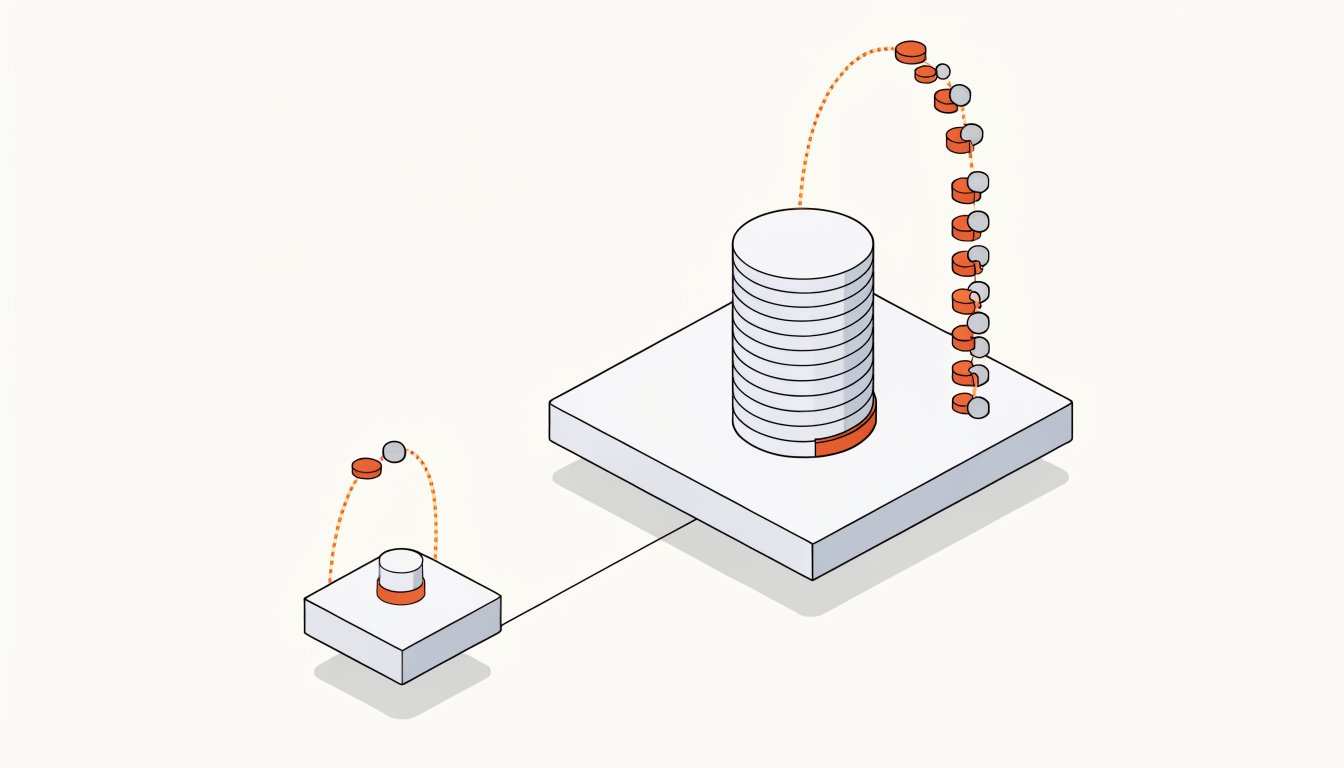
Paymos sets confirmation depth per network and per amount band. See the tiers, why the derived times stay approximate, and what merchant code should read.

Build a crypto payment API integration with HMAC authentication, retry-safe invoices, signed webhooks, sandbox testing, and order reconciliation.
Learn how to accept USDT and USDC payments on a website: choose a payment flow, enable supported networks, and define fulfilment and settlement.
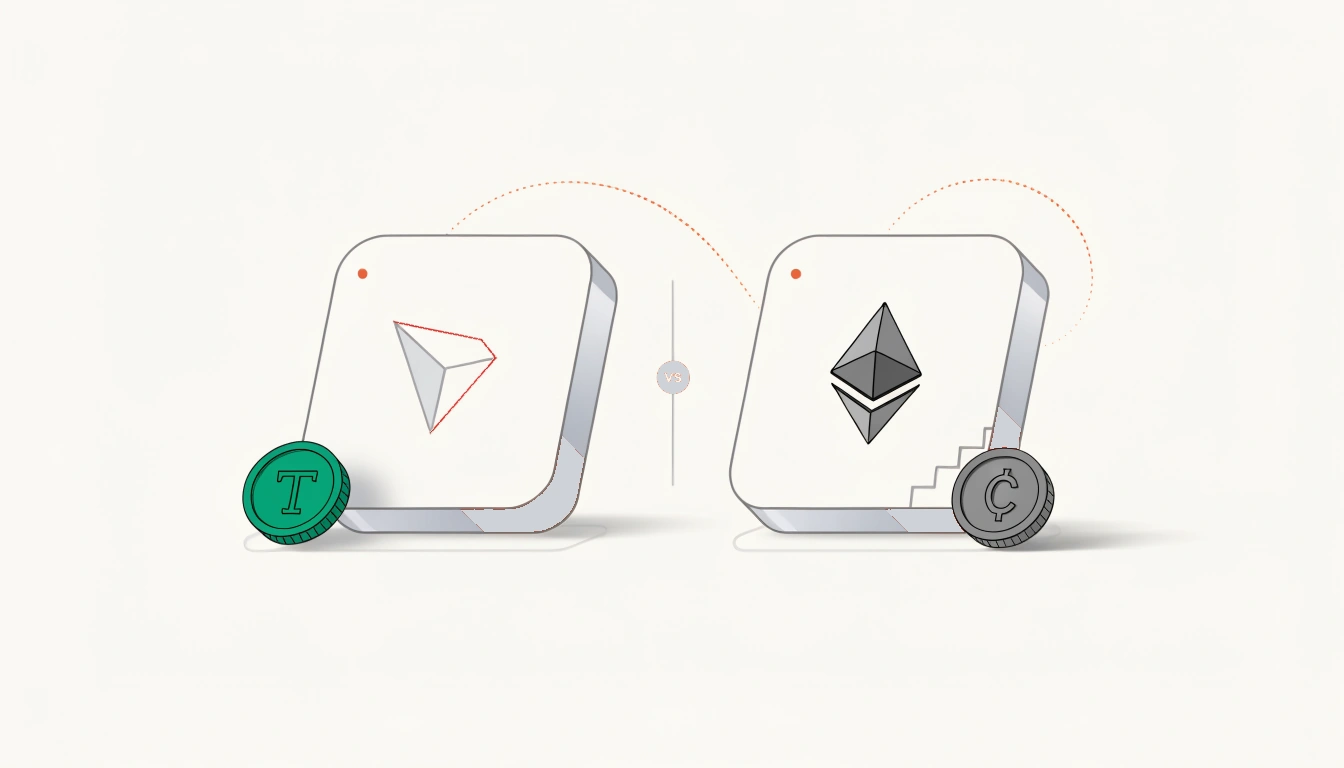
Compare Tron and Ethereum fee mechanics for USDT without stale price claims. Learn what the payer, wallet, network, and merchant each need to check.
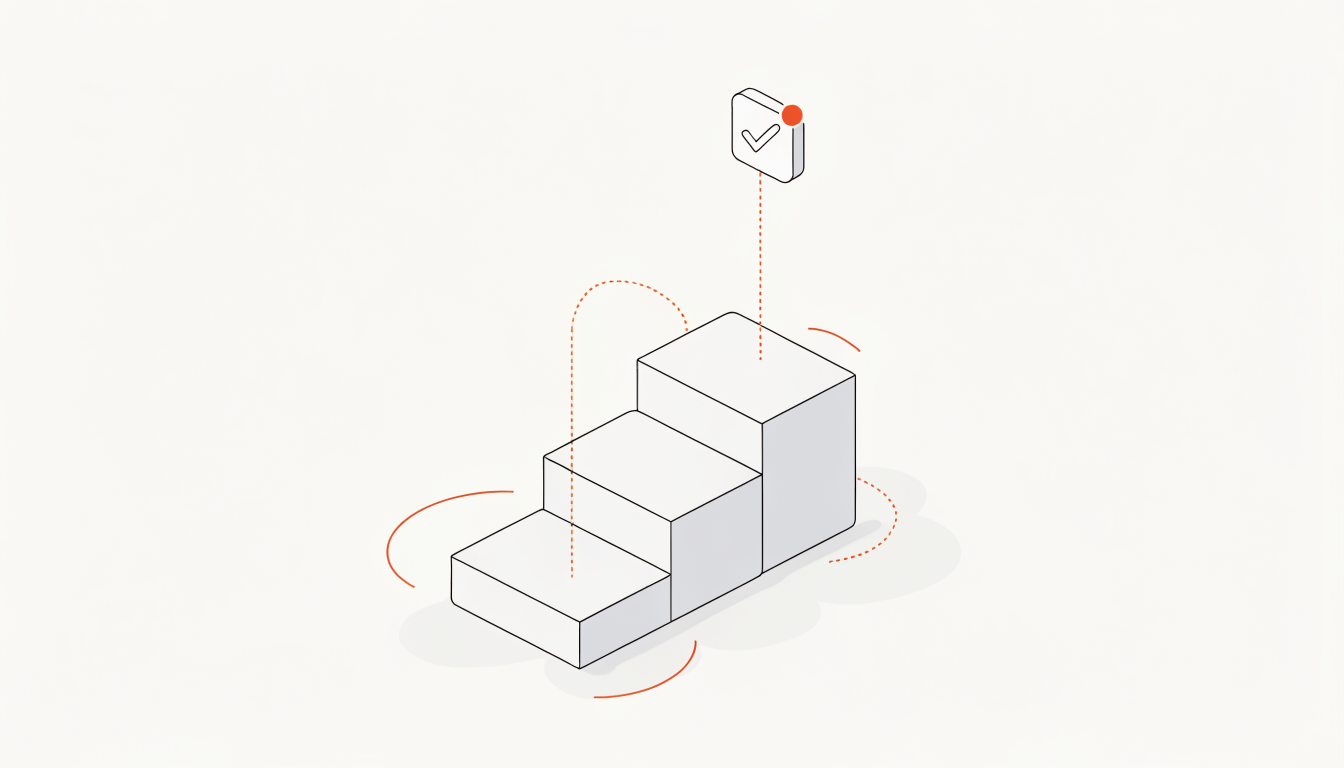
Blockchain confirmations and finality explained: what they prove, how long to wait, and why network, amount, and current conditions change the answer.
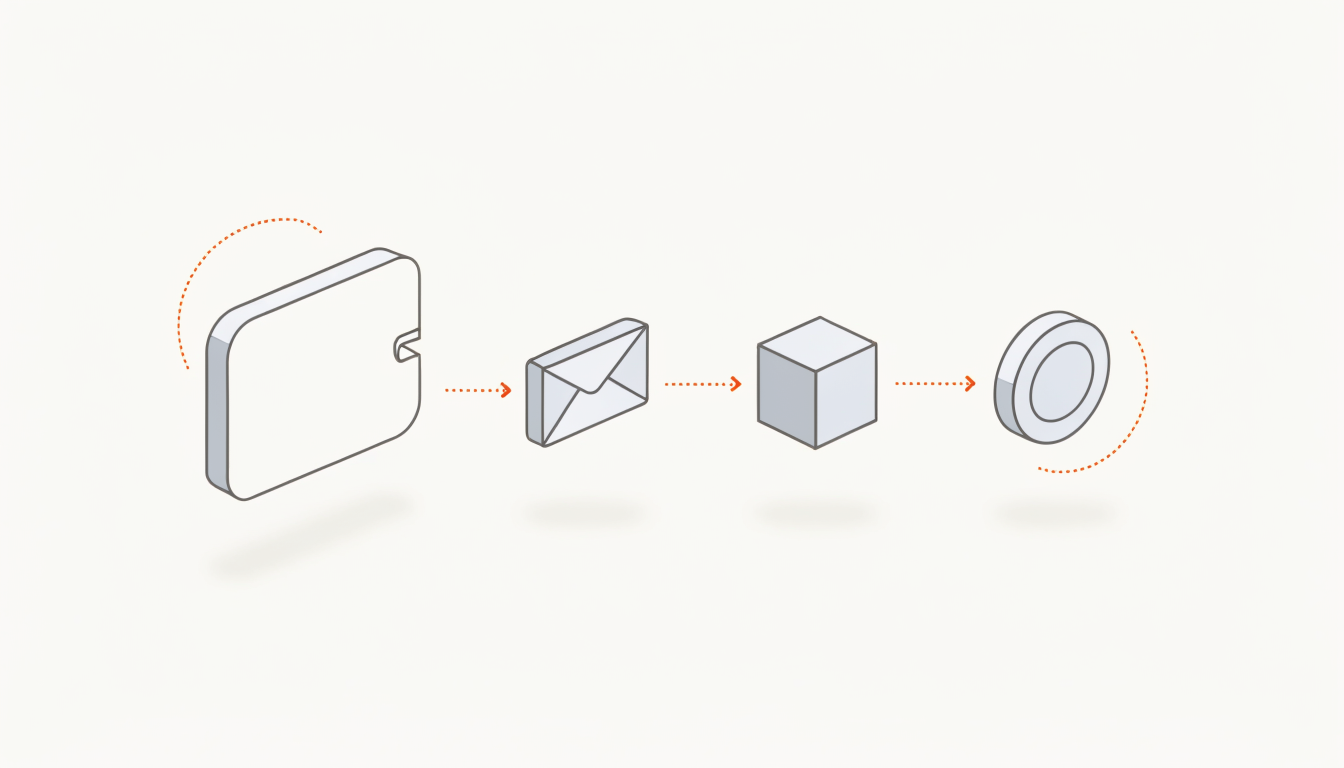
Crypto payments move from invoice to wallet, block confirmation, and merchant settlement. Learn the lifecycle, timing, fees, and webhook delivery.
Compare USDT, USDC, and DAI for payments by backing model, issuer risk, supported Paymos networks, customer demand, and current network cost.

Crypto gas is the sender-paid cost of getting a transfer into a block. Learn how demand, execution, staking, and network design change the fee.
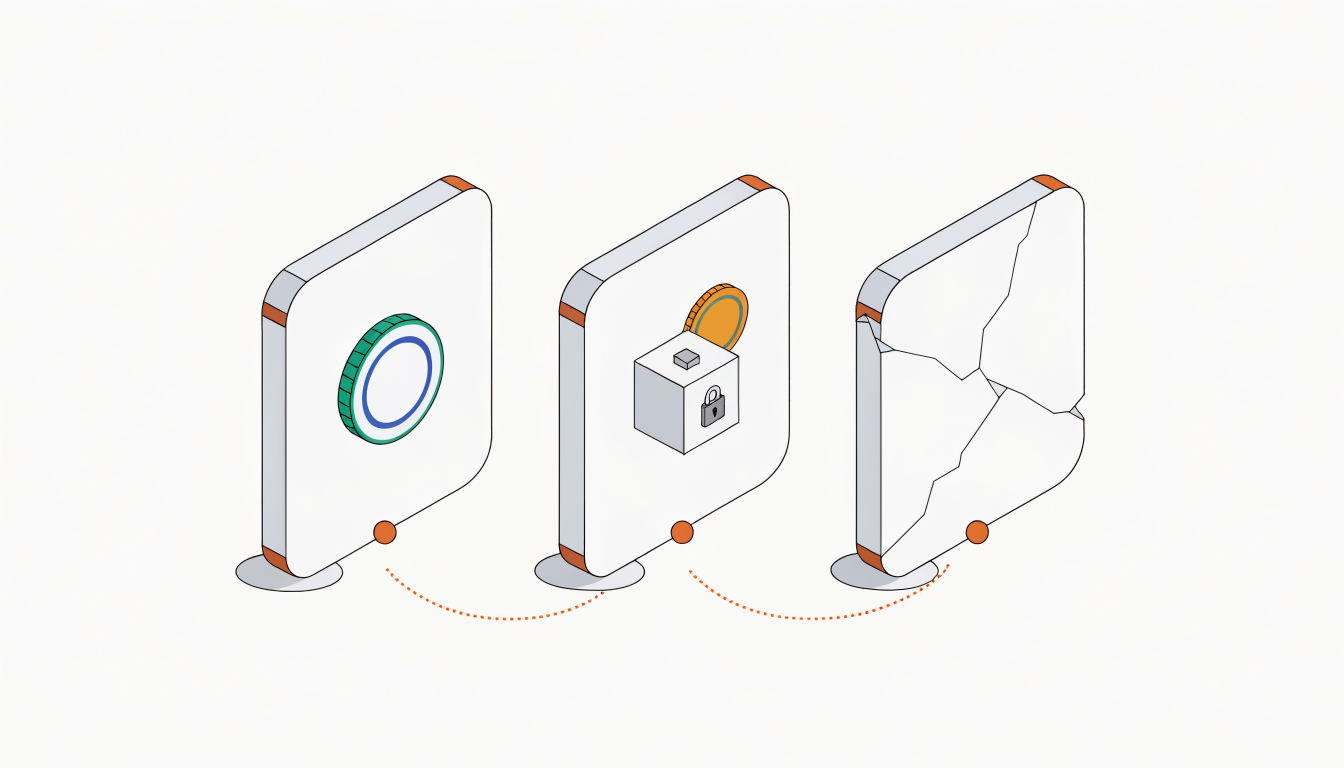
Stablecoin types use different peg mechanisms: issuer reserves, on-chain collateral, or supply incentives. Learn what to verify before using each model.
USDT is a fiat-backed stablecoin issued by Tether. Learn how merchants should choose a network, confirm invoices, control payouts, fees, and refunds.