Aug 2026 Technical
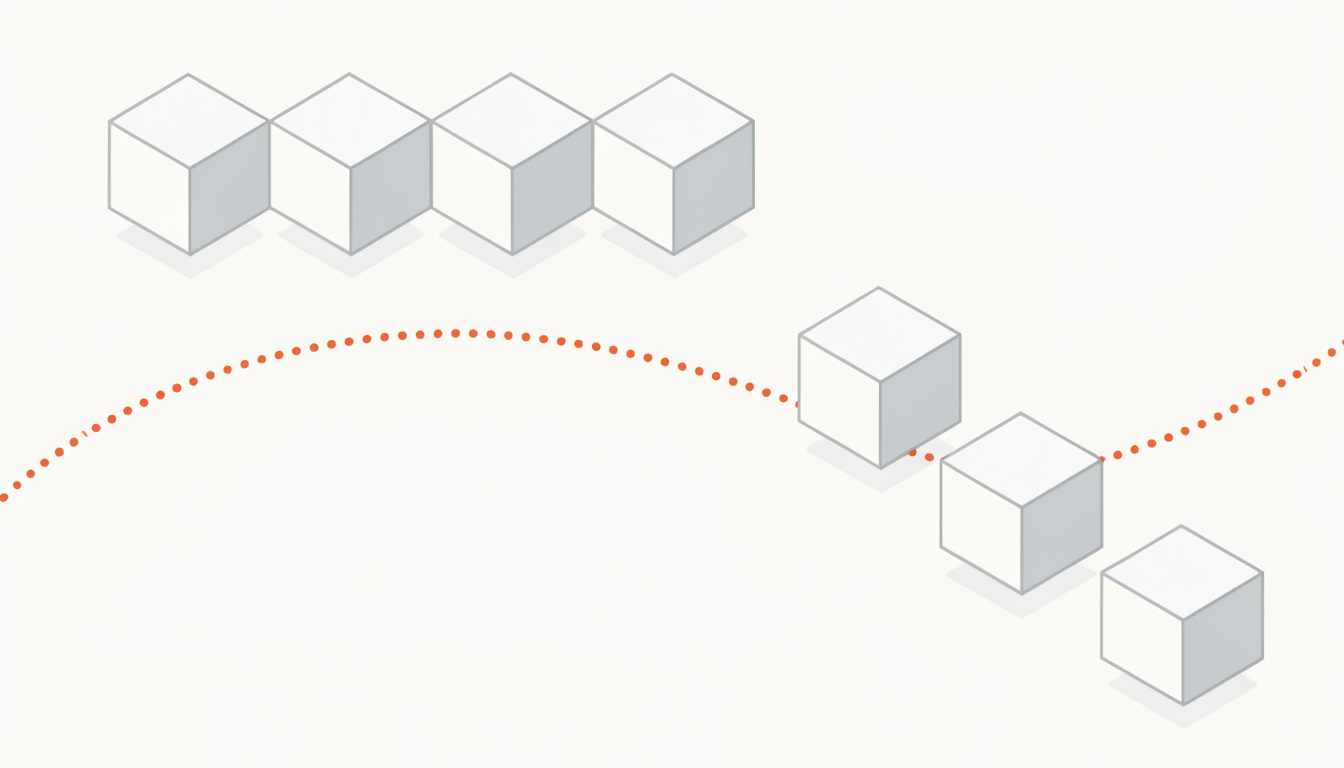
Blockchain Reorgs: Can a Confirmed Payment Vanish?
A reorg can orphan a block a payment was mined in. What that does to an order you already shipped, who absorbs the loss, and how to test it first.
7 min read
Technical explanations of networks, gas, confirmations, APIs, webhooks, security, and reliable crypto payment operations.
A reorg can orphan a block a payment was mined in. What that does to an order you already shipped, who absorbs the loss, and how to test it first.
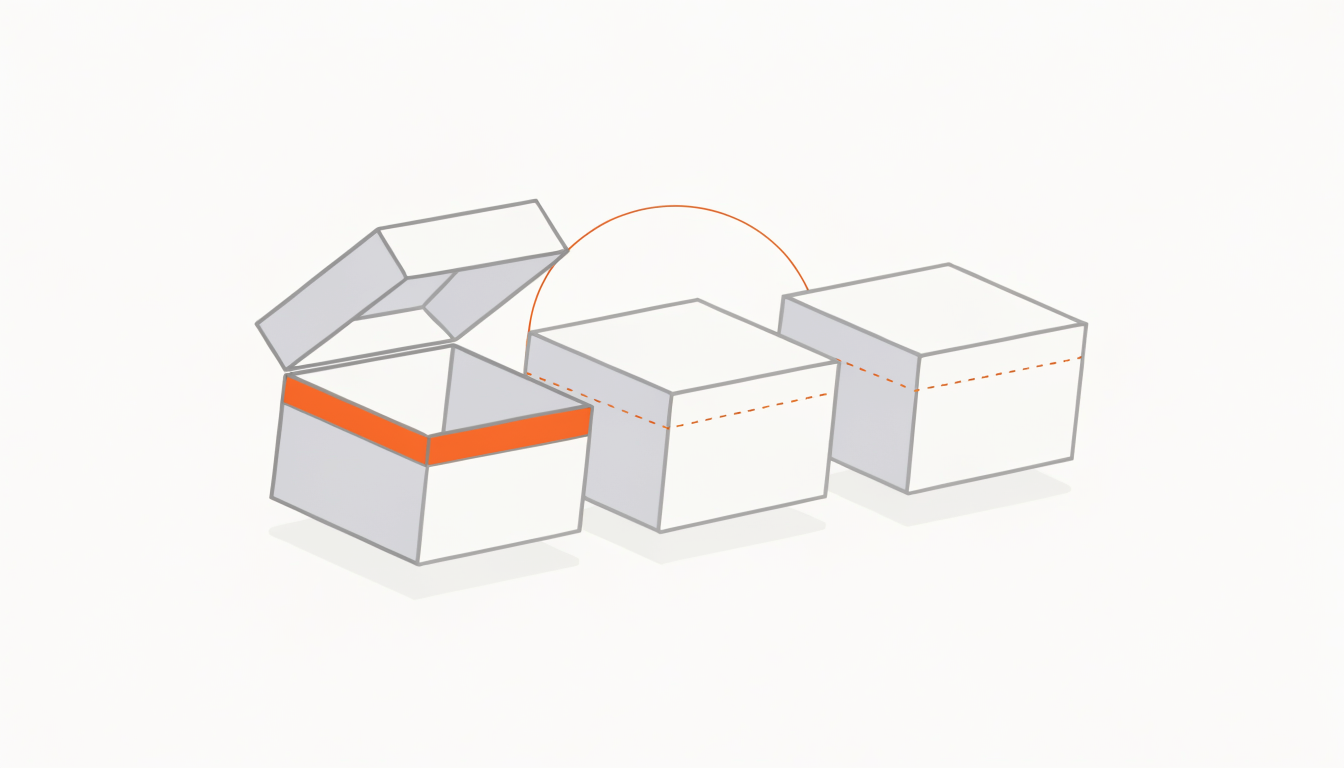
A Paymos plugin archive is the same file for every merchant and holds no API key, secret, project ID, or webhook secret. Why that is, and how to check.
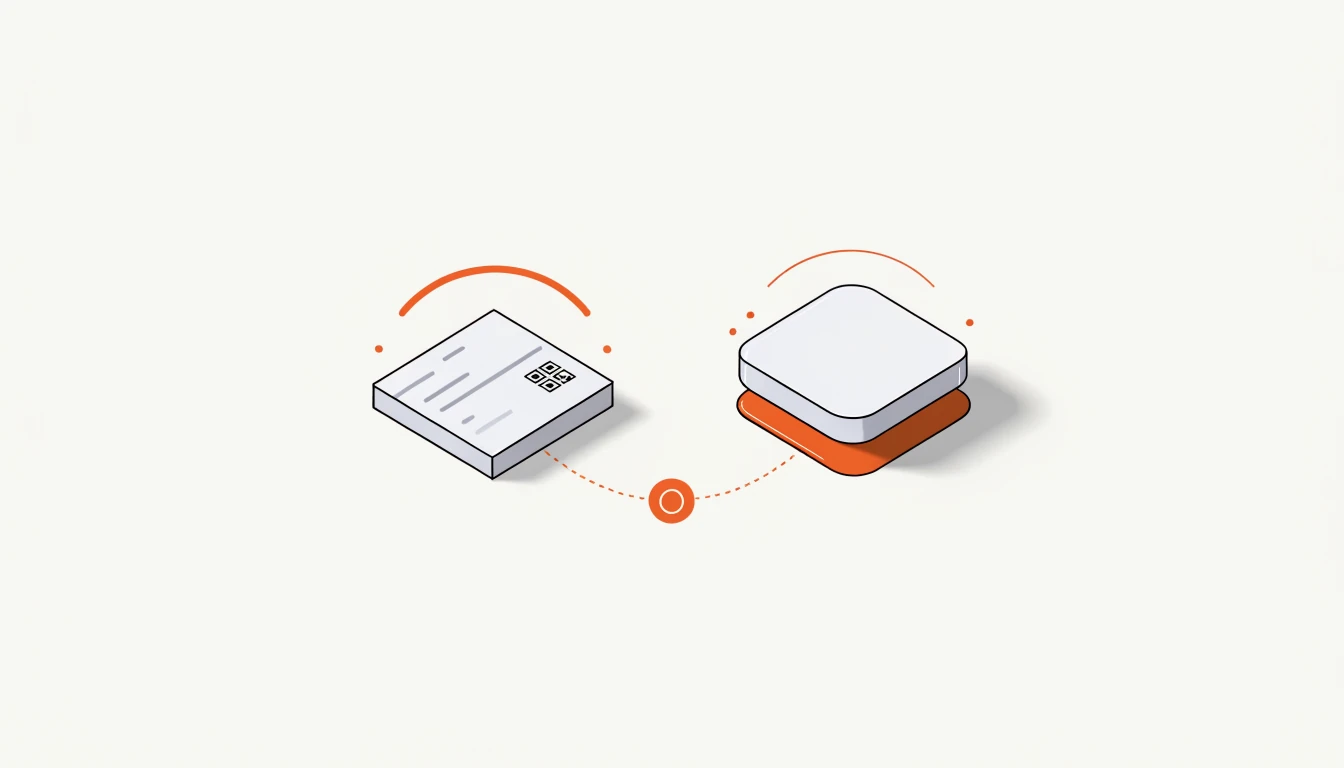
Crypto invoicing explained from order ID and checkout to confirmation, underpayment, signed webhooks, reconciliation, and safe order fulfillment.
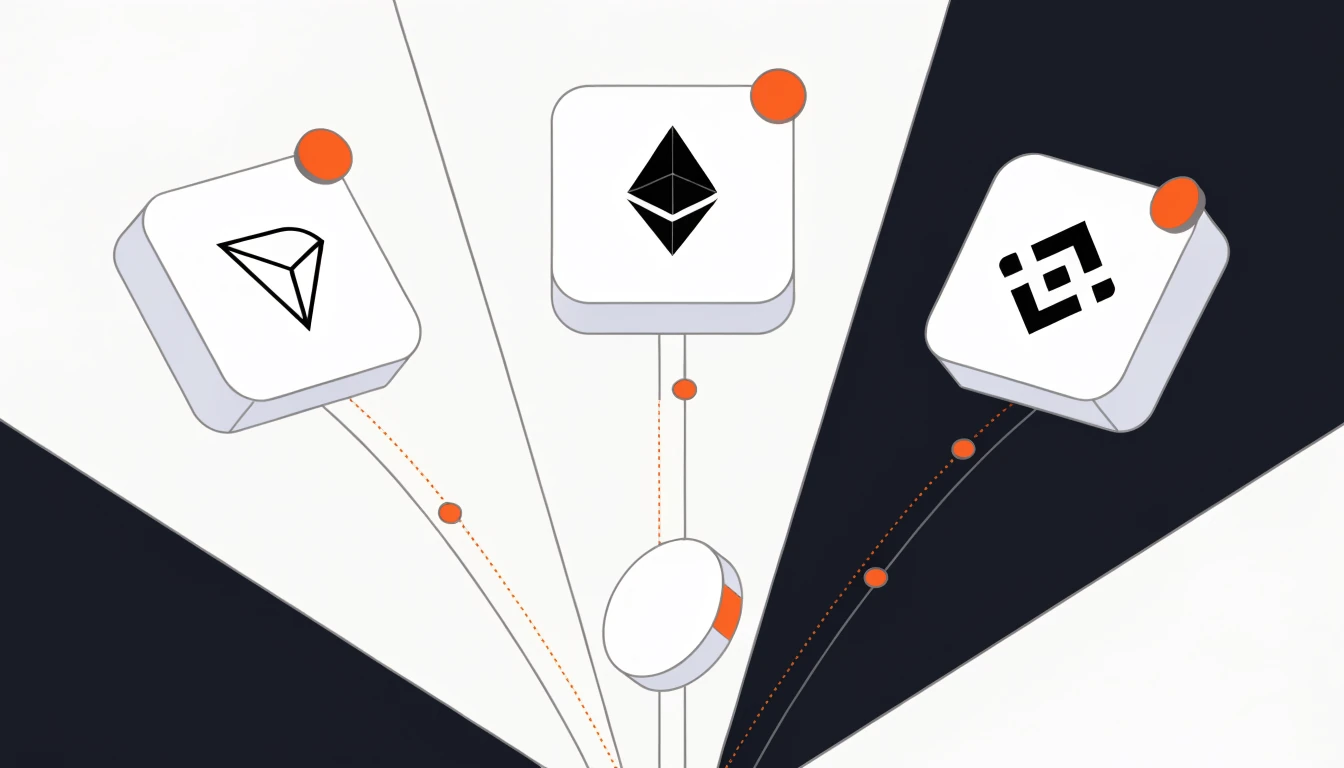
Compare USDT TRC20, ERC20, and BEP20 payment routes by chain, fee asset, wallet compatibility, Paymos support, confirmation, and checkout risk.
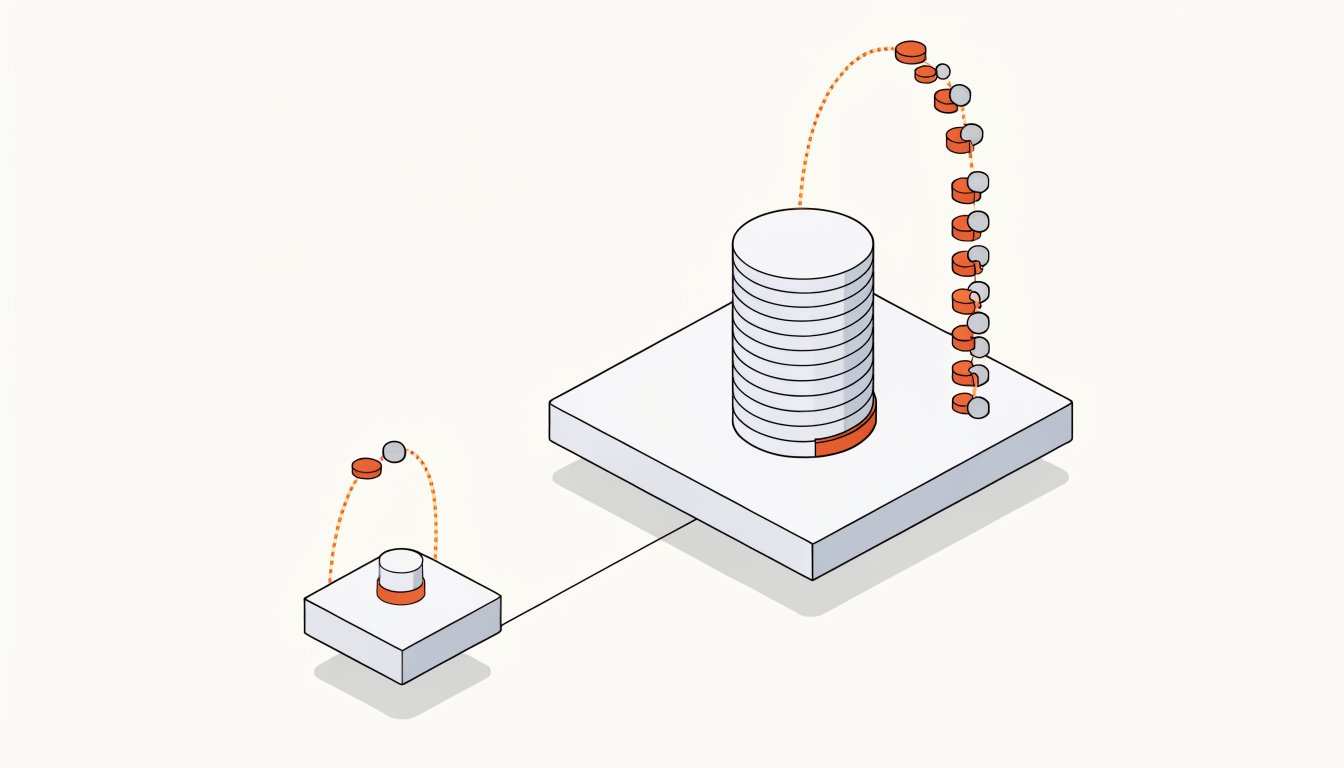
Paymos sets confirmation depth per network and per amount band. See the tiers, why the derived times stay approximate, and what merchant code should read.

Build a crypto payment API integration with HMAC authentication, retry-safe invoices, signed webhooks, sandbox testing, and order reconciliation.
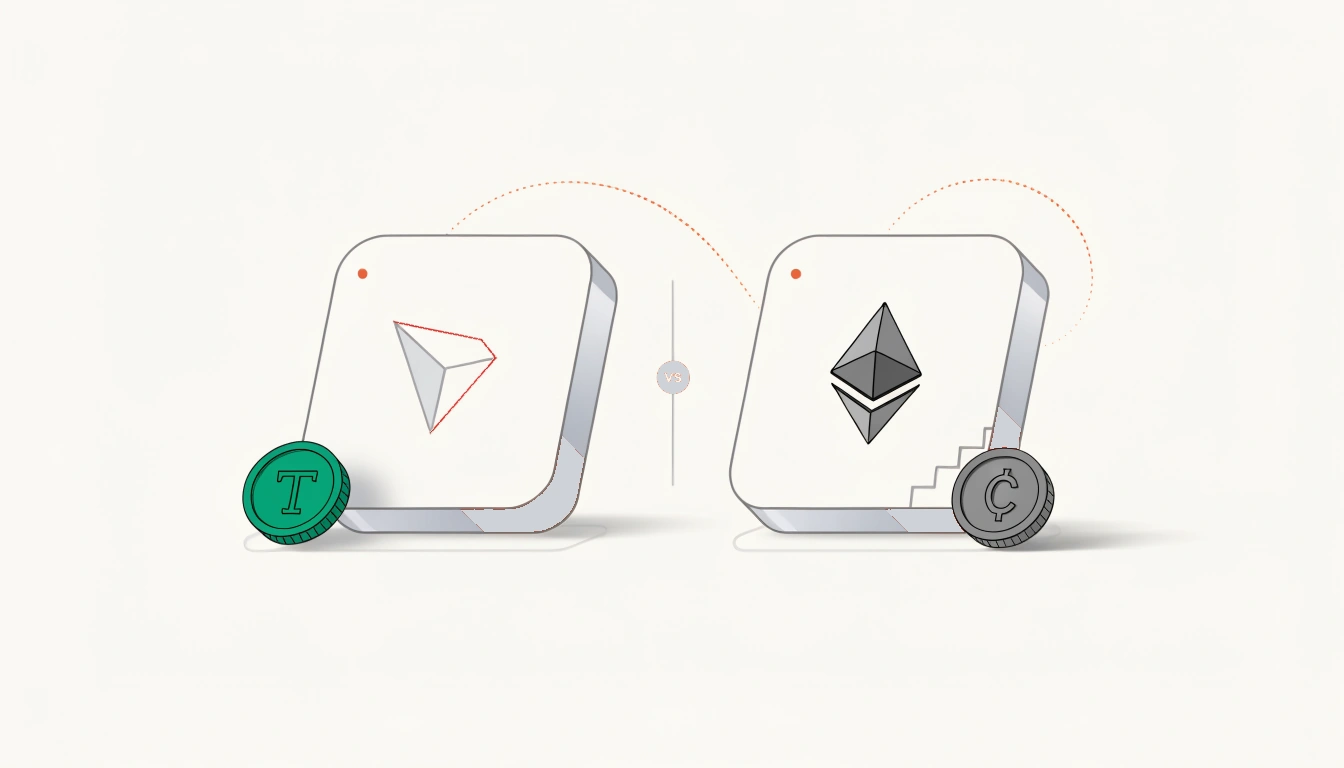
Compare Tron and Ethereum fee mechanics for USDT without stale price claims. Learn what the payer, wallet, network, and merchant each need to check.
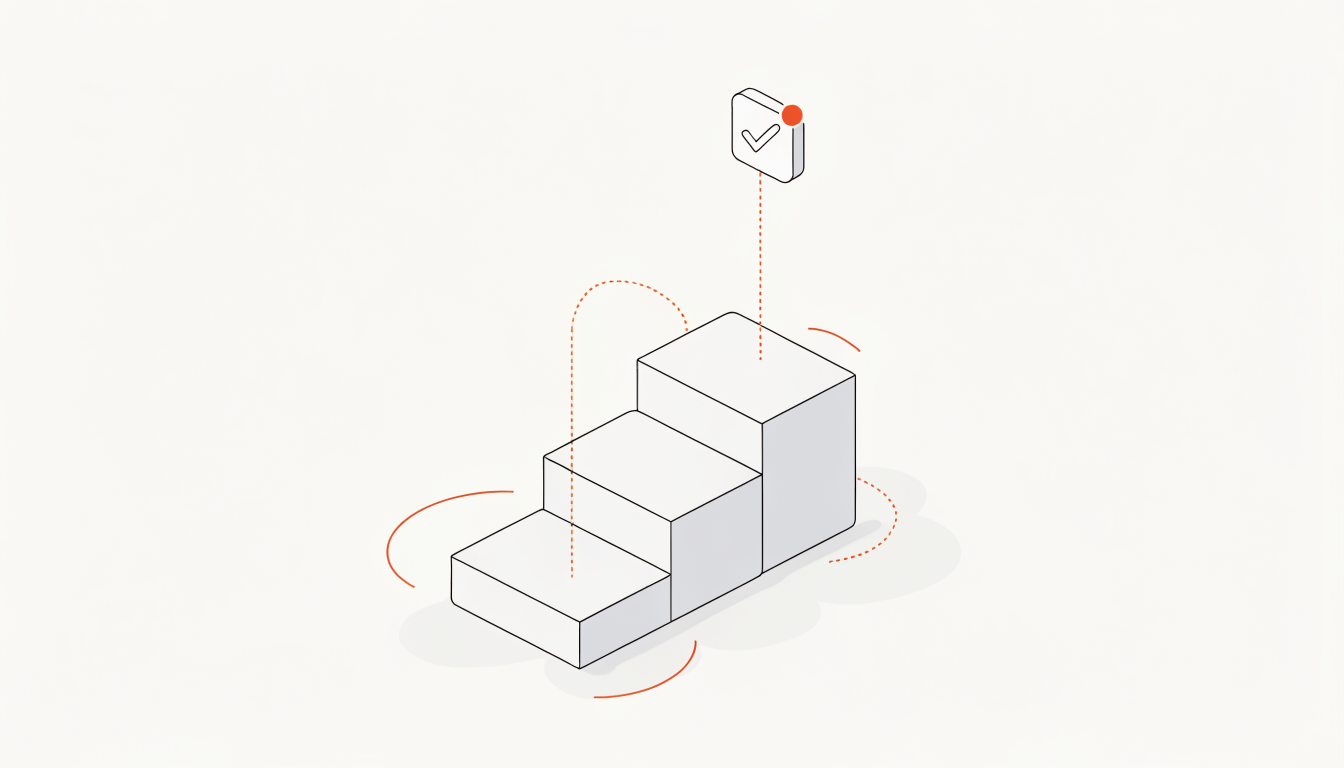
Blockchain confirmations and finality explained: what they prove, how long to wait, and why network, amount, and current conditions change the answer.
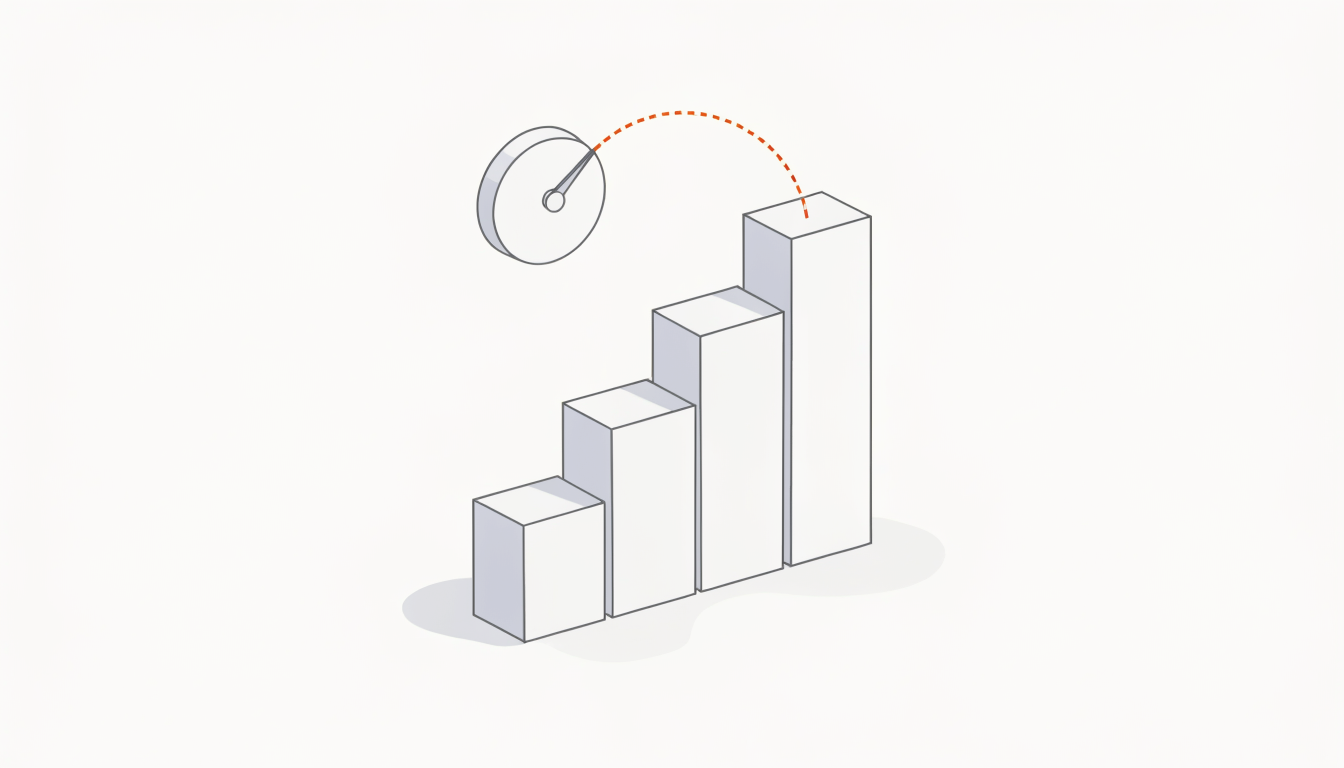
Crypto gas is the sender-paid cost of getting a transfer into a block. Learn how demand, execution, staking, and network design change the fee.