TL;DR
Stablecoin types differ by the mechanism behind the target price. Issuer-backed tokens rely on reserve assets, custody, and redemption terms. Crypto-collateralized designs rely on collateral rules, liquidations, governance, and smart contracts. Algorithmic and hybrid designs add supply incentives or reflexive market dependencies. These categories can overlap, so verify the current mechanism instead of relying on a label.
A stablecoin is a token designed to track a reference value, usually one US dollar. Issuer-backed tokens depend on reserve assets, custody, and redemption terms. Crypto-collateralized designs depend on collateral rules, liquidations, governance, and smart contracts. Algorithmic and hybrid designs add supply incentives or market dependencies. The categories can overlap, so examine the mechanism that absorbs losses when holders rush to exit.
What makes a coin a stablecoin?
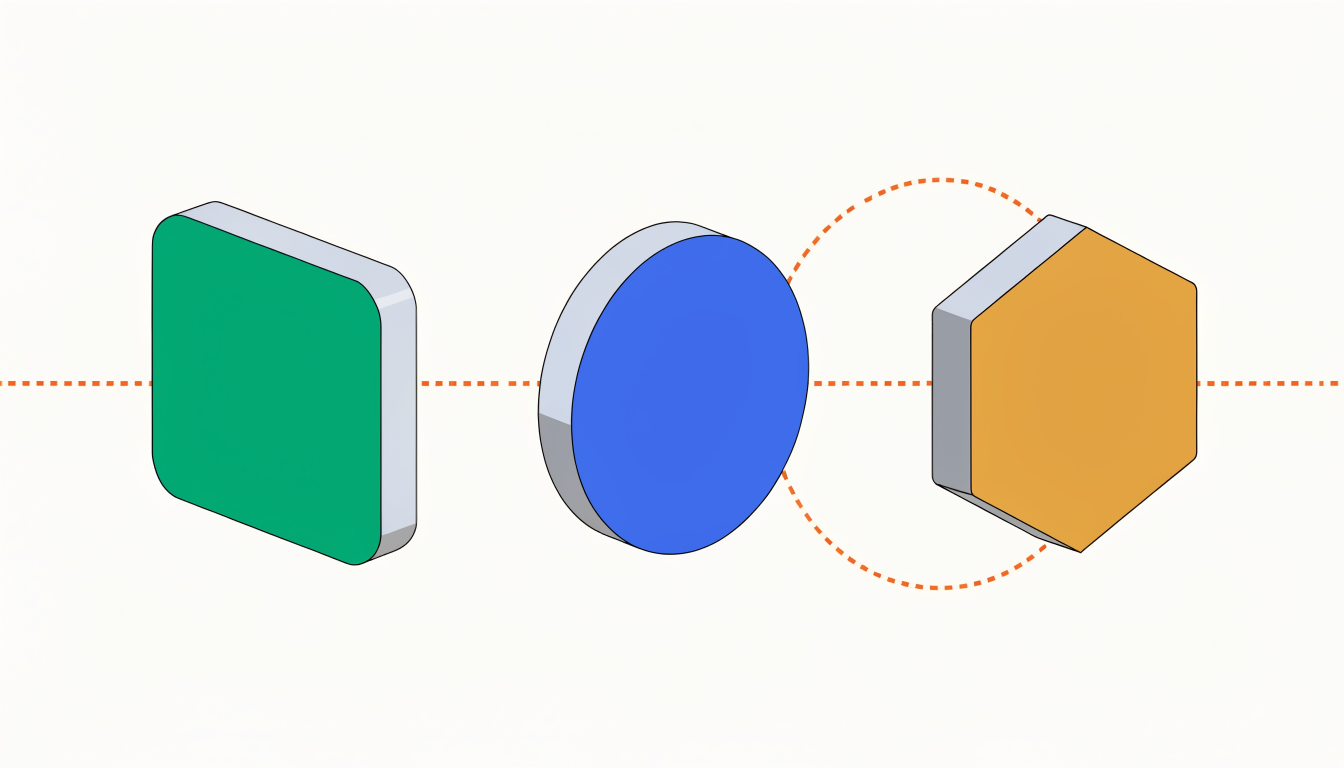
A stablecoin is a token designed to track a reference value, often one US dollar. The target price is the product; the support mechanism is the engineering. Some models use issuer-held reserves. Others use on-chain collateral, liquidations, or supply incentives. A hybrid can combine several mechanisms, which makes a three-label taxonomy useful for orientation but insufficient for risk review.
The type matters because each mechanism fails differently. Issuer-backed tokens expose holders to reserve, custody, and redemption risk. Crypto-collateralized tokens add liquidation, governance, and smart-contract risk. A reflexive design can depend on continuing demand for another token. The displayed price may match today while the loss-absorption path differs underneath.
How do fiat-backed stablecoins work?
Issuer-backed coins use an off-chain reserve framework. The issuer defines eligible reserve assets, custody arrangements, issuance, and redemption terms. A token holder cannot infer the reserve mix or direct redemption rights from the label alone. The latest report, its scope, asset liquidity, custody, and eligibility rules matter more than a circulating-supply snapshot. USDT and USDC publish reserve information through their official transparency channels.
The failure modes sit outside the smart contract: reserve quality, bank and custodian concentration, redemption access, and issuer solvency. A published attestation helps, but it is not a permanent guarantee. A business should review the latest report and its scope rather than repeat an old reserve total or infer safety from token size.
How does a crypto-collateralized stablecoin hold its peg?
Crypto-collateralized coins use assets governed by protocol rules to support issued debt. DAI is Paymos' crypto-collateralized settlement asset. The system defines eligible collateral, debt limits, liquidation thresholds, and governance controls. If collateral falls below the required level, liquidation mechanisms aim to reduce the shortfall.
The category does not freeze the implementation. Governance can change collateral types, parameters, and stabilization mechanisms. A business should therefore inspect the current protocol documents and collateral data rather than reuse an old percentage or assume that every crypto-collateralized token works the same way.
What is an algorithmic stablecoin?
An algorithmic stablecoin uses programmed supply changes, arbitrage incentives, or related-token mechanics to influence its price. Some designs also hold collateral, so "algorithmic" does not by itself reveal whether a reserve exists or what can be redeemed. The mechanism must be examined directly.
The critical question is what participants receive when they exit. A design that depends on demand for its own governance or companion token can become reflexive: falling demand weakens the asset supporting redemption, which creates more selling. A design with independently valued collateral has a different failure path, but still carries liquidation and governance risk.
How can a reflexive peg fail under stress?
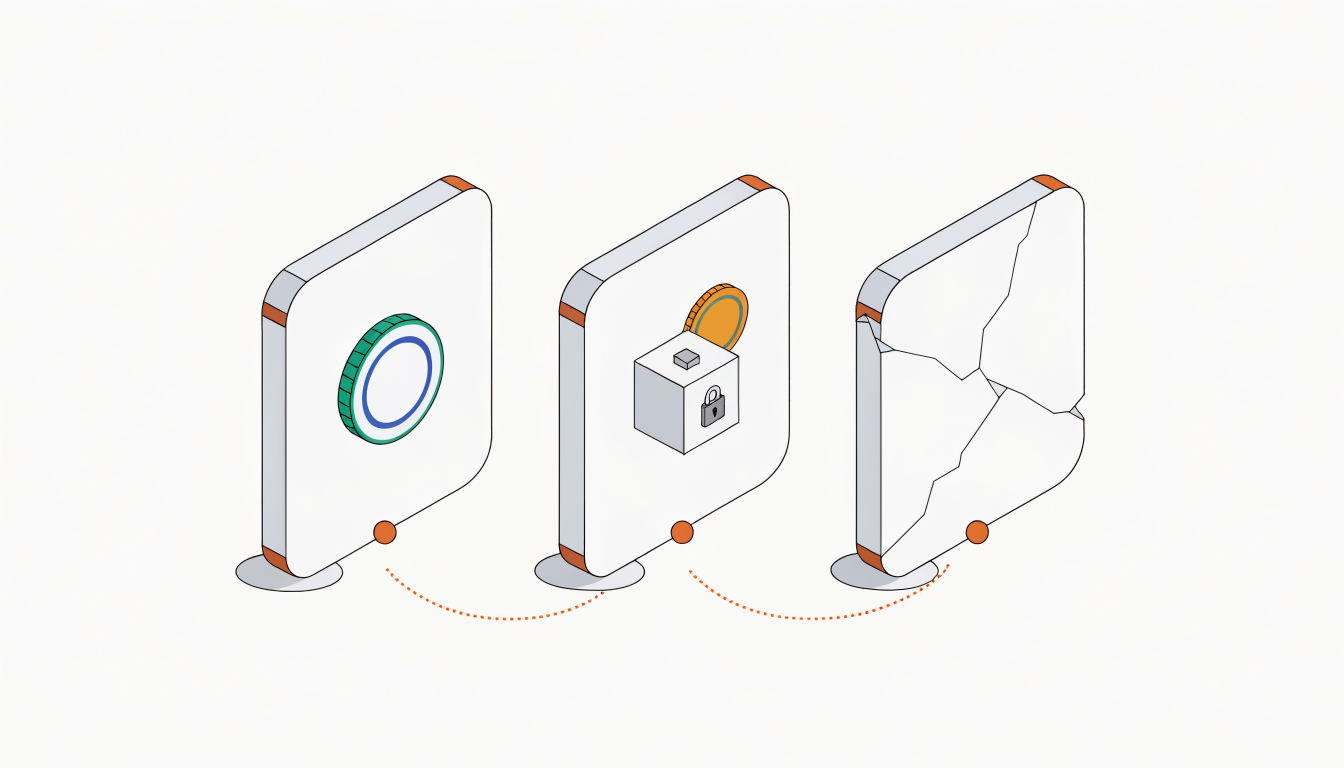
A reflexive peg becomes fragile when the support asset and the stablecoin depend on the same confidence. Holders sell the stablecoin, the mechanism creates or sells more of the support asset, and the support asset loses value. Each later redemption then requires more issuance or collateral, which can intensify the original pressure.
This is a mechanism, not a prediction about every algorithmic design. Review whether support comes from independently valued assets, how redemption works during stress, who can change parameters, and what stops an expanding supply loop. If those answers are missing, the label offers no useful protection.
What should a business verify before accepting one?
A business should verify the token, issuer or protocol, service, customer location, and applicable rules as one decision. A legal category does not follow automatically from the words "fiat-backed," "crypto-collateralized," or "algorithmic." The same token can also be offered through services with different eligibility and redemption terms.
The operational review is separate. Check the contract address and network, who can freeze or upgrade the token, how the target price is supported, and what happens when collateral or custody fails. Then review current primary documents and obtain qualified advice for the relevant jurisdiction. A static article cannot replace that live check.
Where do gold-backed tokens fit?
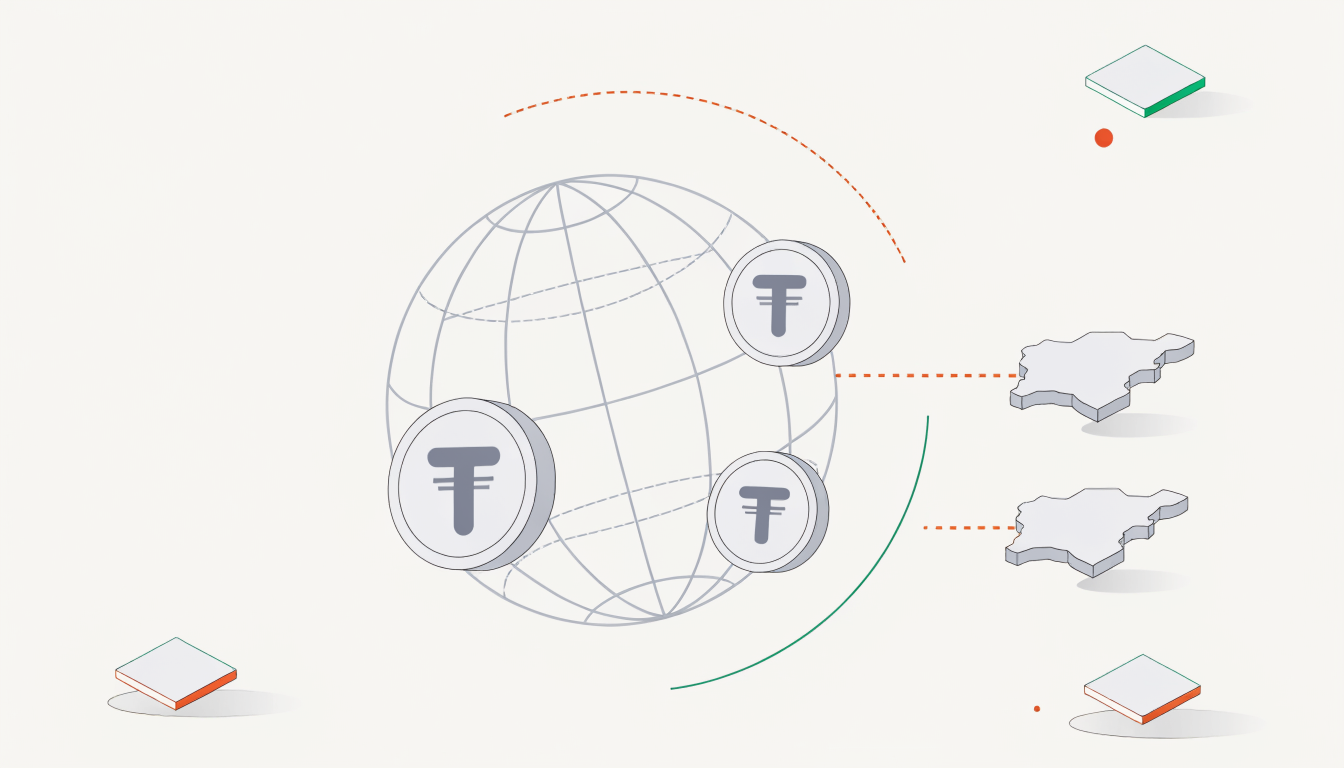
Some tokens grouped with stablecoins do not target a dollar. XAUT is a gold-backed real-world asset rather than a dollar stablecoin. Tether Gold describes one XAUT as representing one fine troy ounce of gold on a physical bar. Its dollar value therefore follows the gold price, placing it in a different risk and accounting category from USDT, USDC, USD1, and DAI.
The distinction matters for anyone treating a token as cash. A dollar-backed stablecoin targets one dollar; a gold-backed token follows the value of its referenced gold, whose dollar price floats. If you are picking an asset to denominate prices or hold as a dollar balance, gold-backed tokens belong in a separate column from USDT and USDC — useful for gold-denominated settlement, wrong for a dollar peg.
Which type should a business rely on?
For payment acceptance, start with the assets customers already hold and the risks the business can monitor. USDT and USDC use issuer reserves and publish transparency materials, but that model still requires review of reserve quality, redemption access, custody, and jurisdiction. Paymos accepts both across supported network pairs, so the business does not need to turn one market snapshot into an exclusive choice.
Crypto-collateralized DAI can fit customers who already hold it and businesses prepared to assess collateral, liquidation, governance, and smart-contract risk. An algorithmic or hybrid token requires its own review because the support and redemption mechanisms vary by design. Pick by the mechanism behind the target price, then verify the current collateral or reserve documents and the legal position that applies to the business.
| Type | What holds the peg | Example | Production track record | |
|---|---|---|---|---|
| Fiat-backed | Issuer-held reserve assets and redemption terms | USDT, USDC | Depends on issuer, reserves, custody, and redemption | |
| Crypto-collateralized | Collateral rules, liquidations, and governance | DAI | Adds liquidation, governance, and smart-contract risk | |
| Algorithmic | Supply incentives, collateral, or both | Design-specific | Reflexive risk depends on the support mechanism | |
| Gold-backed (RWA) | Gold reserves; price follows gold, not the dollar | XAUT | Tracks the gold price, not the dollar |
Frequently asked questions
What are the main types of stablecoins?
Common models are issuer-backed, crypto-collateralized, and algorithmic or hybrid. The boundaries overlap because one design can combine reserve assets, on-chain collateral, and supply incentives.
Which stablecoin type is the safest?
No type is risk-free. Fiat-backed coins depend on reserve quality, custody, redemption, and the issuer. Crypto-collateralized coins add collateral volatility, liquidation, governance, and smart-contract risk. Algorithmic and hybrid designs add risks tied to their specific incentives, collateral, and redemption paths.
What backs a fiat-backed stablecoin?
An issuer-backed stablecoin relies on assets held under the issuer's reserve and redemption framework. Check the latest report, its scope, asset liquidity, custody, redemption eligibility, and the issuer's terms instead of assuming every token uses the same reserve mix.
How can an algorithmic stablecoin lose its peg?
A reflexive design can fail when redemption or supply contraction depends on demand for another volatile token. Falling confidence then weakens both the support mechanism and the market price at the same time.
Is DAI a fiat-backed or algorithmic stablecoin?
Paymos classifies DAI as crypto-collateralized. Assess it through the protocol's current collateral rules, liquidation process, governance, and smart-contract dependencies rather than an old collateral snapshot.
Does one failed algorithmic design invalidate the category?
One failed mechanism does not settle the risk of every future design. For payments, evaluate the actual collateral, redemption path, failure controls, governance, and jurisdiction instead of relying on the word "algorithmic."
When NOT to use algorithmic stablecoins
- If a design cannot show independently valued support or a credible redemption path — do not use it for payment settlement.
- If your compliance process requires an identified issuer and contractual redemption rights — verify that the selected token and service provide both in the relevant jurisdiction.
- If your team cannot monitor collateral, liquidations, and governance — avoid a crypto-collateralized or hybrid design that depends on those mechanisms.
- If the support mechanism changes through governance — do not rely on a past collateral snapshot. Review the current protocol documents before enabling the token.
Sources
- 1. Tether reserves and transparency reports (accessed 2026-07-29)
- 2. Circle USDC reserve and transparency reports (accessed 2026-07-29)
- 3. Sky Protocol documentation: collateral liquidation (accessed 2026-07-29)
- 4. Federal Reserve: The stable in stablecoins (accessed 2026-07-29)
- 5. Tether Gold FAQ (accessed 2026-07-29)
Last reviewed Aug 2, 2026