Get paid the day you deliver the art
Clients pay for digital art commissions, prints, and licences at your own checkout in USDC or USDT — the money credits your Paymos balance on confirmation, with no marketplace standing between you and the buyer and no overseas payout left on hold.
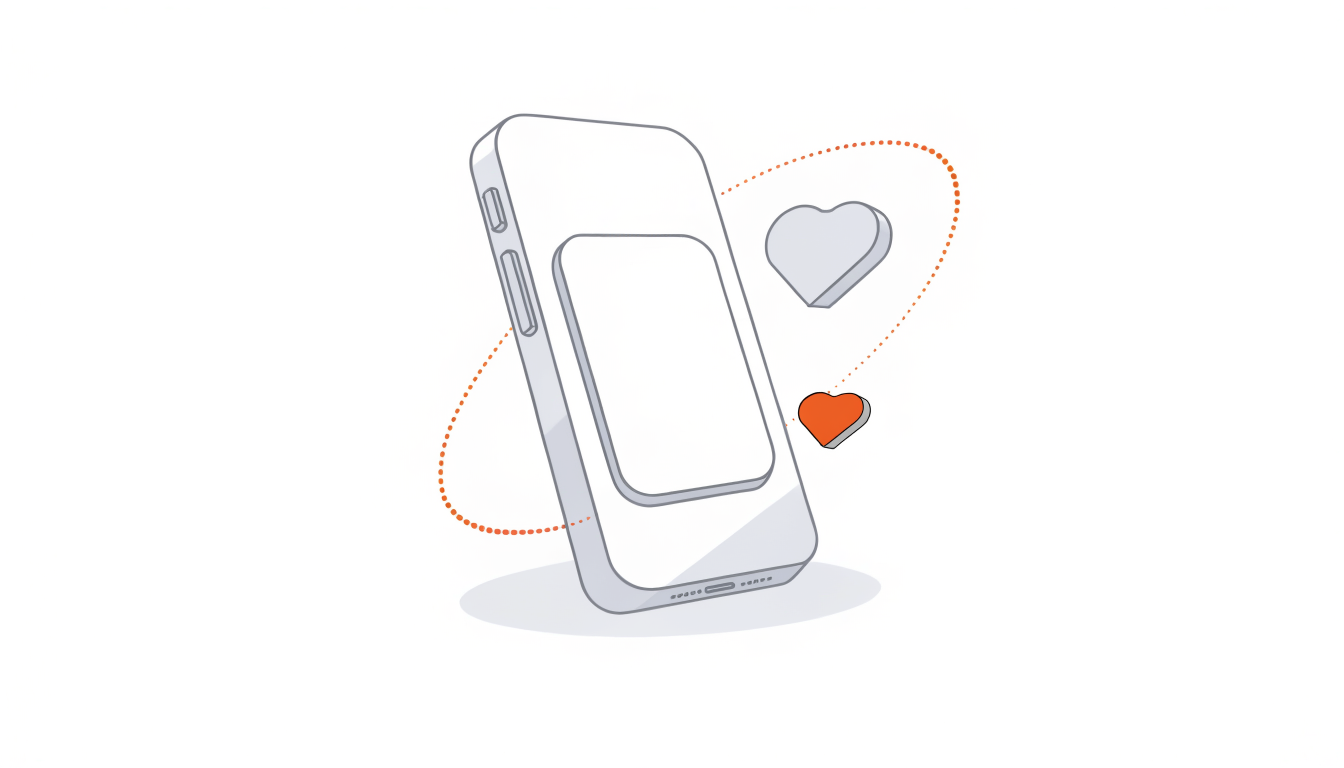
Where a digital artist's money leaks on the way in
Why does the artist keep less than the buyer paid?
Four points where a marketplace and a card rail each take a bite out of a commission, print, or licence sale.
The art platform keeps a double-digit cut
List on an art marketplace or a print storefront and it charges a commission on each sale — frequently a double-digit percentage of the buyer's payment — before any card fee is counted. When a client came to you for a custom piece, that platform cut still skims a sale the venue did nothing to win.
Card processing piles on after the platform
On top of the platform's share, the card rail adds roughly 2.9% + $0.30. The fixed 30 cents alone swallows a real slice of a cheap print or sticker pack, so low-ticket art is exactly where two stacked cuts hurt most — neither of them set by you or the buyer.
The money waits behind a payout calendar
A fresh account often hits a payout delay, and a processor can park funds from a foreign client against the risk of a dispute. You've already sent the files, yet the cash sits for days or weeks — right when you'd open the next commission slot or reorder prints.
A finished piece can be clawed back months later
A delivered illustration has no tracking number, so card networks rarely side with the artist in a dispute. A client can keep the files and still file a chargeback, and the rail can reverse the payment months on — with a dispute fee charged whether you win or lose.
What a wallet payment leaves in the artist's hands
What changes once the buyer pays you in stablecoins?
Four things turn in your favour the moment a sale skips the venue and the card rail entirely.

The buyer pays you, not a platform
The client pays to your Paymos balance. No venue commission on the work, no separate card cut — what they paid is what you keep, less a single low fee on the settled sale. The double-digit slice that fed the marketplace now stays with the artist who made the piece.

Spendable the day you deliver
The payment credits your Paymos balance once it confirms — no payout calendar, no hold on a foreign client's money. Send the files, and the funds are already there to take the next brief or reorder prints, not stuck waiting on a clearing window.

Once it confirms, the sale is final
A stablecoin payment arrives with no dispute form behind it. A client can't take the finished files and then reverse the money — the move that card networks make hard to fight isn't possible here. A refund stays your decision: a transfer you send back out of your Paymos balance, on the cancellation terms you set.
Cheap art keeps its margin
A wallet payment carries no fixed per-sale charge, so a $4 print isn't half-eaten by a flat 30 cents the way a card makes it. One transparent rate replaces a marketplace commission stacked on card processing — on every piece, that gap is money that stays yours.
How an artist plugs Paymos into a sale
Which integration fits the way you sell?
Three ways to drop stablecoin payments into commission quotes, print orders, and licence deals.
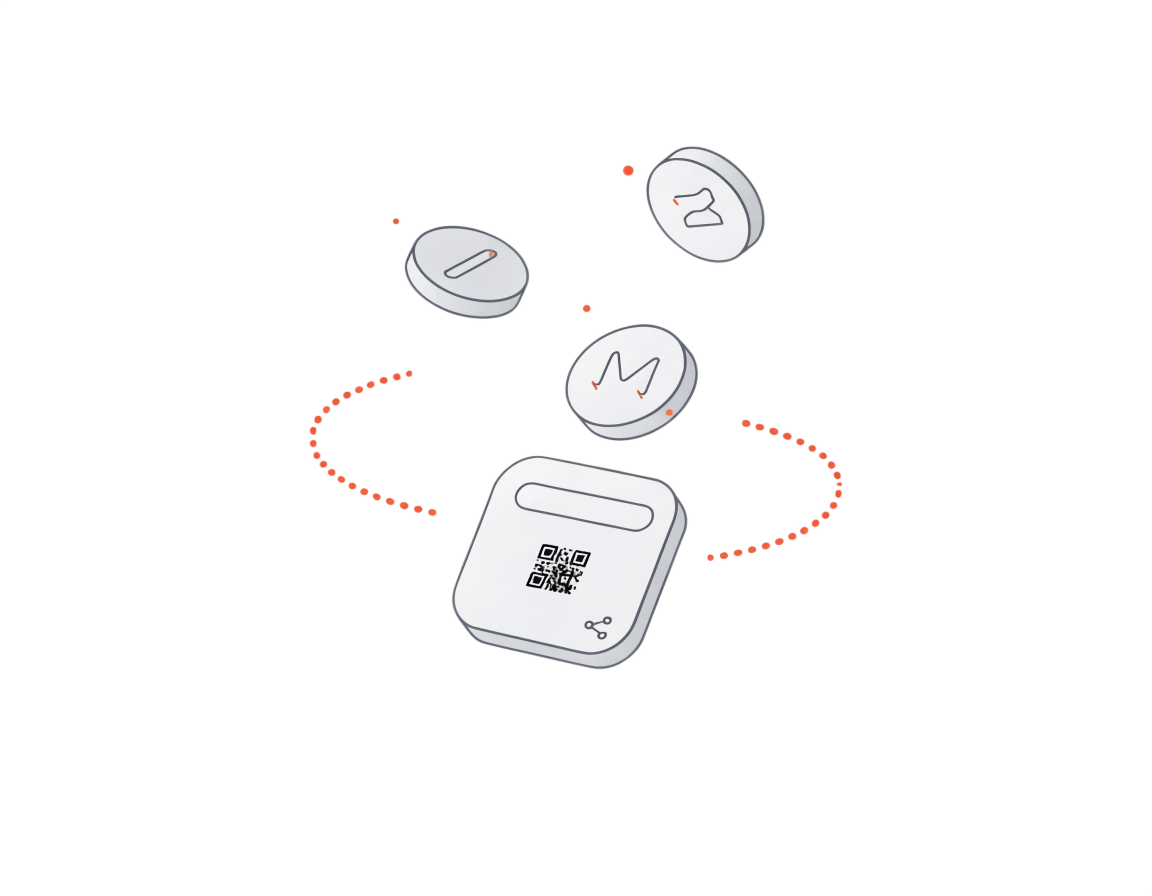
Payment Links — quote a commission in the DM
Spin up a payment link for a quote and drop it wherever you talk to clients — a DM, an email, a project thread. They pay from any wallet, and the booking confirms the second the money lands. Nothing to build for a one-off custom job.
See details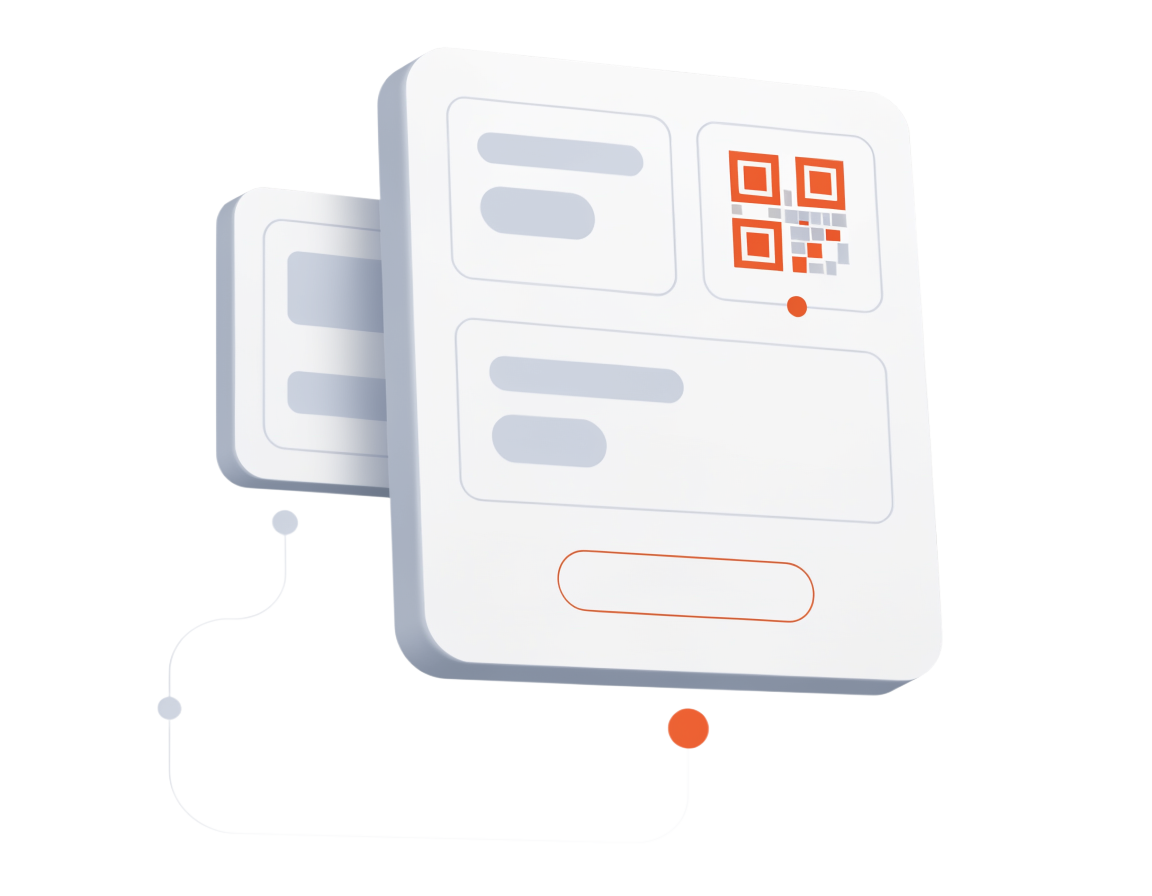
Hosted Checkout — sell prints with no code
Create a Paymos invoice for a print, pack, or licence and point the buyer at a Paymos-hosted page; they pay from their wallet and come back with the order confirmed. The fit if you sell set products from a simple site and don't want to build a payment screen.
See details
Embedded Checkout — keep buyers on your shop
Drop the payment widget into your own shop so buyers never leave the page. You create the invoice, the widget takes payment, and an HMAC-SHA256 signed webhook releases the download or flags the order for fulfilment the moment it confirms.
See detailsWhat a stablecoin sale looks like for an artist
Four sales, start to settlement
Drawn from how digital artists sell day to day — a custom commission, a print pack, a licence deal, and a client abroad.
Custom commission — Payment Link
After agreeing the brief, issue one invoice for the deposit and another for the balance. Confirmation of the first authorises work to begin; confirmation of the second releases the files. Each transfer is final once confirmed.
Print pack — Hosted Checkout
A buyer orders a print pack and pays the stablecoin price. The signed webhook releases the order for fulfilment, and the net amount credits your Paymos balance after the standard processing fee.
Licence sale — Embedded Checkout
A studio licenses artwork for a project. After the payment confirms, the signed webhook releases the high-resolution files and licence, and the net amount credits your Paymos balance.
Client abroad — Payment Link
A client in another country pays the same stablecoin price. The confirmed payment credits your Paymos balance without automatic conversion or a country-specific payout schedule.
Selling art for stablecoins
Frequently asked questions
How does a file release automatically when a buyer pays?
Can I take a deposit and milestone payments on a big commission?
Which networks and stablecoins suit cheap versus expensive work?
How do refunds work if a client cancels a commission?
Can a client anywhere pay, including places platforms won't pay out from?
How fast does a payment confirm at checkout?
Honest disqualifier
When a marketplace or card checkout is the better call
Four cases where going direct on a wallet isn't the right move yet.
The marketplace's feed is what finds buyers
When collectors discover you through a marketplace's tags, search, and feed, its commission is paying for reach, not only a checkout. Move the payment off it and you leave the discovery behind. Take the money direct where the client came to you — commissions, repeat buyers — and let the venue keep its cut where it earns it.
Your print buyers won't touch a wallet
A print buyer who's never held a stablecoin will bounce off a checkout that asks them to get one, and no fee saving wins back an abandoned cart. Keep prints on the card checkout people expect, and offer stablecoin on commission invoices — same client, one conversation, easy to put on the table.
A print-on-demand service owns fulfilment
If a print-on-demand provider prints, packs, and ships as one bundle with its own checkout, pulling only the payment out of it breaks the chain. Paymos moves money, not merchandise. Leave the bundle to handle catalogue prints, and take payment direct on the work you make and deliver yourself.
The whole catalogue is impulse-buy stickers
A spur-of-the-moment $2 sticker lives or dies on checkout speed, and at that ticket no fee saving beats a lost tap. Wallet payments earn their keep on commissions, licence deals, and overseas clients — start there, not on the impulse buys.
Related flows
Other Creators & Media sub-niches on Paymos
Pricing
1.0% on the settled sale. No marketplace slice, no fixed per-sale fee
Nothing here is fixed, so a $4 print and a $2,000 commission give up the same share of each. 0.3% on request, from the first order: order flow and how many pieces sell are the numbers behind it. Cheap work is where a marketplace commission stacked on card processing quietly reaches double digits combined, and on that $4 print the fixed component does most of the damage on its own.
See pricing