Fund the next cohort of your online course before lesson one
Sell instructor-led seats through a crypto payment gateway, in USDT or USDC to your Paymos balance — the enrolment money clears in seconds, not on a payout date, and a paid seat can't be charged back after the student starts the work.
What a launch leaves on the table
Why does a sold seat cost so much to bank?
Four ways a course platform and its card processor thin a cohort sale before it reaches you.
The platform's tier eats into every enrolment
Hosted course tools bill a transaction percentage on top of your plan unless you climb to the priciest tier. Teachable's Starter plan keeps 7.5% of each sale; Podia's entry tier keeps 5% — before any card processing. On a $300 cohort seat, that platform share alone is $15 to $22, taken from every student you already did the work to convert.
Card processing stacks on top of the tier
Whatever the platform keeps, the card rail charges its own on top. Stripe's US rate of 2.9% + $0.30 adds about $9 to that $300 seat, and a programme that bills in instalments pays the fixed $0.30 again on every payment. Two charges on one enrolment, set by neither you nor your student.
The launch sells in a weekend; the cash lands weeks later
A course business lives on launches — a window of high demand, then quiet. But a new account sits behind a held-back reserve and platforms release earnings on a fixed payout date, so the revenue from launch weekend arrives long after the ad spend that drove it is due. The money is most useful the week you make it, and that's exactly when you can't touch it.
A dispute can claw back a course the student already worked through
A student can complete half the cohort, then file a card dispute, and the rail can reverse the payment months later — lessons delivered, instructor time spent. On digital programmes the dispute rate runs higher than physical retail, and each one costs you a fee whether you win or lose the case.
What stablecoin settlement gives a course business back
What changes when an enrolment is paid in stablecoins?
Four things that turn in your favour once a cohort sale stops routing through a platform and a card rail.

No tier standing between you and the student
Your student pays directly to your Paymos balance. No hosted tier takes a percentage of the enrolment and no separate processor cut follows it — what they paid for the seat is what you keep, less one low all-in fee. Your cost per enrolment stops climbing as your roster grows.

Launch revenue you can spend the same week
Each enrolment credits your Paymos balance on confirmation, with no held-back reserve and no fixed payout date holding it. Withdraw whenever you need it: Paymos charges nothing to move your balance out, only a network fee — quoted before the transfer goes, and less than that route costs to run. So launch-weekend revenue funds the ads for the next intake while demand is still high.
A started course can't be reversed out from under you
A confirmed stablecoin payment is final — there's no dispute window for a student to open after the cohort begins. The instructor time you've already spent stays paid for. Refunds remain entirely your call, on the policy you publish, paid from your Paymos balance when you decide a case is fair.
One fee on the seat, not a stack
You pay one low all-in fee on the settled enrolment instead of a platform tier plus a processor charge — roughly $3 on a $300 seat, against the $20-plus two rails take between them. On a payment plan, that single rate applies to each instalment with no fixed per-payment charge added.
How course sellers wire Paymos in
Which integration fits how you enrol students?
Three ways to add a stablecoin checkout to the way you already sell seats.
Hosted Checkout — open a cohort with no code
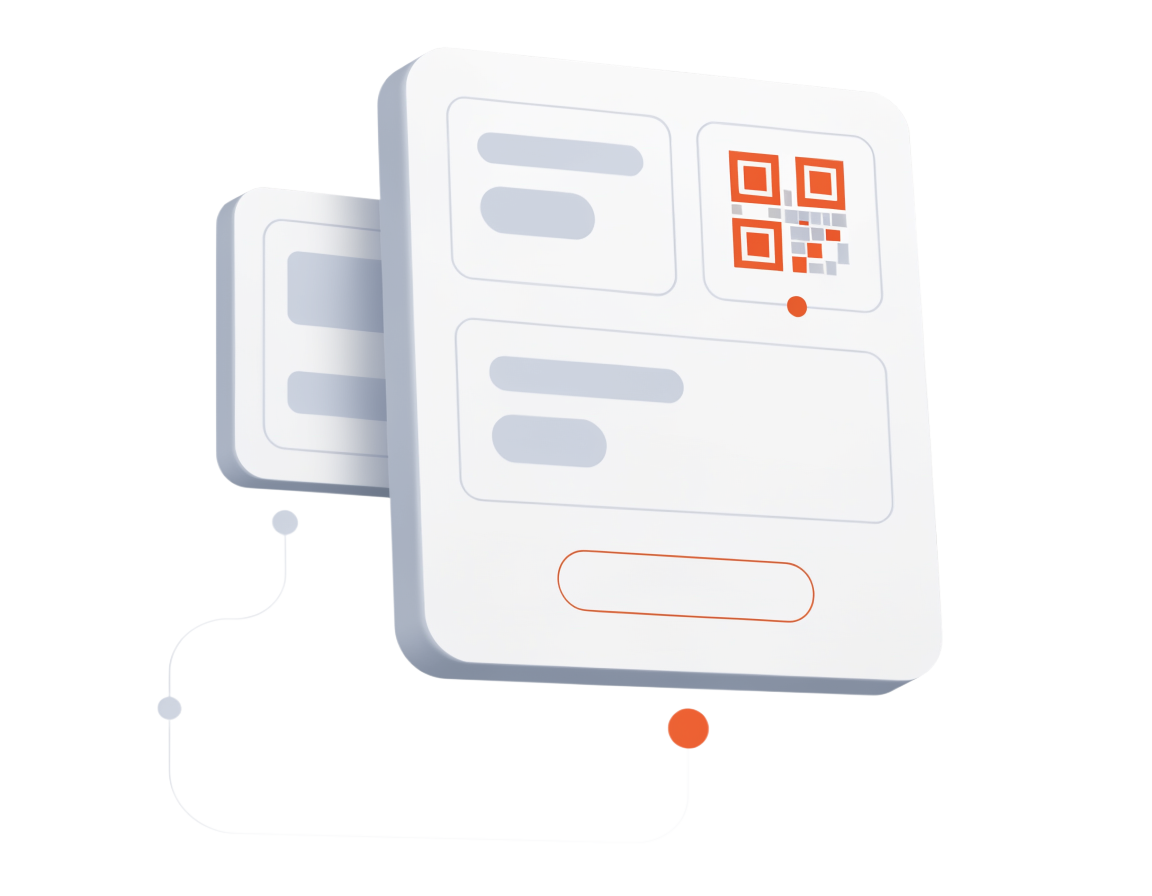
Create a Paymos invoice for the cohort price and point the buyer to a Paymos-hosted page; they pay from any wallet and return to your thank-you page enrolled. The fit when you run on a site builder or LMS with no custom payment screen of your own.
See details
Embedded Checkout — pay without leaving the sales page
Drop the payment widget into your enrolment page so the student never leaves it. You raise the invoice, the widget takes the payment, and an HMAC-SHA256 signed webhook tells your LMS to seat the student the instant it confirms.
See details
Payment Links — launch emails, waitlists and DMs
Generate a link for the open cohort and send it in a launch email, a waitlist broadcast, or a direct reply to an applicant. Each student pays from their own wallet and your roster fills as confirmations arrive — no checkout to build for an intake you open a few times a year.
See detailsCourse enrolments on stablecoins today
How a real intake runs end to end
Four flows from instructor-led setups — cohort launch, application-then-pay, a three-part payment plan, and a team-funded seat.
Cohort launch — Payment Link
Open a fixed-size cohort with one invoice per applicant. Each confirmation reserves a place and updates the roster through the webhook. Confirmed revenue is available on the Paymos balance without an acquirer reserve.
Application, then pay — Hosted Checkout
You screen applicants first and send a seat link only to the ones you accept. An accepted student abroad pays the same stablecoin you priced the cohort in, the webhook seats them, and the money settles to you — no country list deciding whether someone you already chose is even allowed to pay.
Three-part payment plan — recurring invoices
A higher-ticket programme split across three months. Each month your system raises the next invoice and the student approves it from their wallet — nothing is pulled automatically. No stored card expires mid-programme, and a skipped payment is a clear signal to follow up, not a silent decline you only spot at month-end.
Team-funded seat — Embedded Checkout
A student's employer pays for the seat from a company wallet. The widget takes the one payment on your enrolment page, the webhook seats the student and assigns their Discord or Telegram role, and the seat holds — a confirmed payment leaves no dispute window to pull it back later.
Online courses on stablecoins
Frequently asked questions
How does my LMS seat a student the moment they pay?
Which networks and stablecoins make sense at course prices?
Can I run a payment plan without a stored card?
How do refunds work if a student drops out?
Can I keep Teachable or Kajabi and only change the payment?
How fast does a payment confirm at enrolment?
Honest disqualifier
When NOT to use Paymos for online courses
Four setups where a card-first checkout is the better fit for selling seats.
Your students have never touched a wallet
If your audience pays for everything by card and has never held a stablecoin, asking them to fund a wallet mid-enrolment is friction at the worst moment. The per-seat fee you'd save won't make up for the applicants who stall at that step. Keep cards as the front door and offer a wallet for the students who already prefer one.
A marketplace is what fills the cohort
When most students arrive through a marketplace's search and recommendations, its revenue share is buying you the enrolment, not merely processing it. Swapping the checkout doesn't move the discovery that found them. Keep paying the take rate where the platform genuinely sells seats you couldn't fill on your own, and run Paymos on your direct intake.
Your margin lives in one-tap upsells
Order bumps and post-purchase upsells charged to a card on file have no wallet equivalent — every stablecoin payment is approved by the buyer in the moment, so there's no silent second charge. If a one-click upsell sequence is where the programme makes its money, keep that funnel on cards and bring Paymos to the flagship enrolment.
The product is a low-ticket impulse buy
A sub-$15 mini-course bought on a whim converts best on the checkout the buyer already trusts, and the fee saved at that price is loose change. The economics turn in your favour on cohorts, payment plans, and students paying from abroad — that's where to start, not on the tripwire.
Related flows
Other Creators & Media sub-niches on Paymos
Pricing
1.0% per settled enrolment. No platform tier, no reserve
One all-in rate, the same on a $50 mini-course and a $2,000 cohort, and the same on each instalment of a payment plan. Revenue leaving again to fund the next cohort's ads is not charged twice: no percentage on a withdrawal, only the route's network fee, subsidised and quoted first. The rate comes down to 0.3% on how many enrolments clear and what a seat costs; ask from the first one. A course platform's transaction tier plus card processing runs well into double digits combined.
See pricing