Stop losing a third of the podcast feed to the app store
Listeners pay for your subscriber feed straight from their wallet — crypto payments, not an in-app purchase — a signed webhook issues the private RSS the instant it confirms, and the stablecoin settles to you. No app store skims the in-app purchase, no platform layers a cut, and a confirmed subscription has no dispute window.
Where podcast monetisation leaves the show
Why does a paid listener net the show so little?
Four ways app stores and podcast platforms thin out subscriber revenue before it reaches the host.
App stores take a big slice of in-app subscriptions
Sell a premium podcast subscription through an app store and the in-app purchase cut is steep — commonly 30% in the first year, easing to 15% after. That's a third of what a new subscriber pays gone before the show sees it, on a payment the platform controls end to end.
Podcast platforms add their own cut on top
Hosting and subscription platforms layer their own percentage on subscriber revenue, and card processing lands on top of that. Between the store, the platform, and the processor, a single premium subscriber can be carved up two or three ways before a cent reaches the host.
Expired cards quietly churn premium subscribers
Month after month, part of your failed renewals are nothing but expired or reissued cards. The listener still wants the premium feed; the charge quietly dies, and many never update their details. Paying listeners disappear without ever deciding to go.
A subscription charge can be disputed and pulled back
Listeners can dispute a recurring charge for a feed they've already heard — forgotten signups, shared-card confusion, impulse-join regret. The rail can reverse it months later, with a fee attached whether you win or lose, and on small amounts that fee stings.
What a wallet-paid feed fixes at each leak
What changes when listeners pay in stablecoins?
Take the app store and the stored card out of the path and each leak above closes — the in-app cut, the platform share, the silent card lapse, and the reversible charge.
The full subscription price credits your Paymos balance
A listener pays the stablecoin to your Paymos balance. No in-app purchase cut and no platform percentage on the subscription — 1.0% on each settled payment, and the on-chain gas is already inside it. The third that used to vanish to the store stays with the show.

Yours on confirmation, not on payout day
Payment credits your Paymos balance on confirmation, not on a platform's payout calendar. No funds held back and no fixed payout dates — so subscriber revenue is available as it comes in, spendable on production while the episodes are fresh.

No expiry date ending a subscription
A renewal here is an invoice the listener pays from their wallet, not a charge against a stored card. There's no expiry date to lapse and no reissue to break the cycle — so a listener who wants the premium feed pays, and a lapse becomes a real choice rather than a phantom failure.
A confirmed subscription is final
An on-chain payment has no dispute window, so a listener can't binge the feed and then claw the payment back. Paired with the missing store cut and platform slice, the gap is real money kept on every subscriber — one low fee where an in-app cut plus a platform share plus card processing used to stack.
How podcasters wire Paymos in
Which integration fits how your show charges?
Three ways to put stablecoin payments into your premium-feed flow.
Webhook gating — private RSS feeds
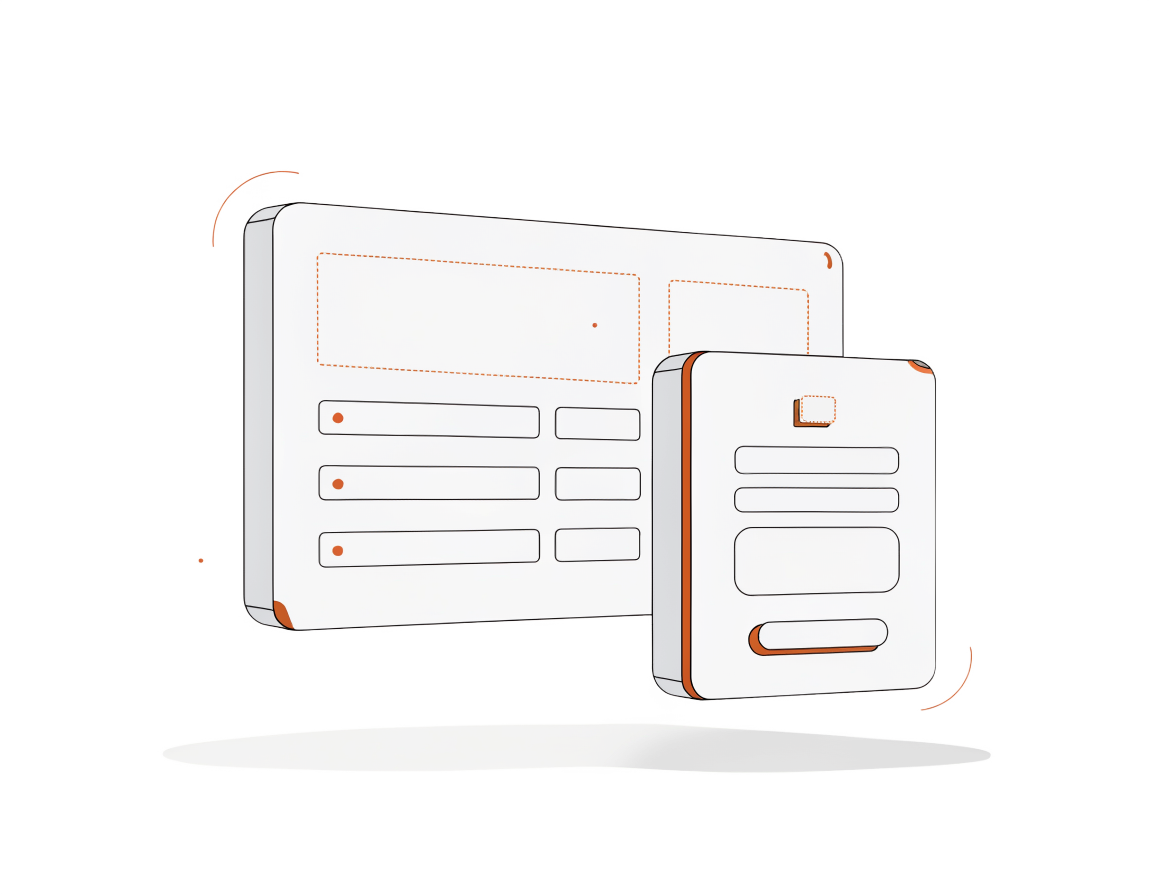
Gate the premium feed on payment: the listener pays, an HMAC-SHA256 signed webhook hits your system, and it issues their private RSS URL the instant it confirms. Renewal keeps the feed active; a lapse revokes it — the standard setup for subscriber-only podcasts.
See details
Embedded Checkout — sign up on your site, not in a store
Drop the payment widget into your show's subscribe page so listeners join without leaving and without an app store. You issue each renewal invoice, the widget collects payment, and the webhook activates the private feed on confirmation.
See details
Payment Links — episode unlocks and bonus drops
Generate a payment link for a single bonus episode, an ad-free archive, or an annual plan, and drop it in show notes or a social post. The listener pays from any wallet and the content unlocks on confirmation — no checkout to build for a one-off.
See detailsPodcast payments on stablecoins today
How a real feed subscription runs end to end
Four flows from real podcast setups — premium feed, episode unlock, annual plan, and global listener.
Premium feed — webhook gating
Your subscribe page issues the invoice for the ad-free feed. On confirmation, the webhook generates or releases the private RSS URL. The next period starts with another renewal invoice that the listener authorises from their wallet.
Episode unlock — Payment Link
You drop a one-off bonus episode for paying access. A listener taps the payment link in the show notes, pays from their wallet, and the episode unlocks on confirmation — the net amount after processing credits your Paymos balance with no app store taking a third.
Annual premium plan — Embedded Checkout
A loyal listener takes the annual premium plan on your site. They pay the stablecoin you price in, the webhook activates a year of the private feed, and the net amount after processing credits your Paymos balance up front — with nothing held in reserve.
Listener outside the store's regions — Embedded Checkout
A listener whose region the app store never offered your subscription in joins from your site instead. They pay the same stablecoin you price the feed in, the webhook issues their private RSS, and the money is on your balance — the store's country map stops deciding who gets to support the show.
Podcasts on stablecoins
Frequently asked questions
How does a paid listener get their private feed automatically?
Does this work with my podcast host and private RSS provider?
How does a premium feed renew without a card on file?
Which networks and stablecoins should I accept for premium feeds?
Can listeners anywhere subscribe, even outside app-store regions?
How quickly does a subscription confirm in practice?
Honest disqualifier
When NOT to use Paymos for podcasts
Four cases where an app-store or platform subscription is the better fit.
Your listeners subscribe where they listen
If your audience upgrades inside a podcast app with the card already on the device, that single tap is worth real conversion. A wallet flow can't match it for listeners who've never held a stablecoin. Put the wallet feed in the show notes as the second door, not the first.
Charts and recommendations feed your growth
A show that grows on a platform's charts and algorithm is paying its cut for reach. Swap the payment rail and the algorithm doesn't come along. Where the platform recruits your audience, its share can still be the cheapest marketing you buy.
You need renewals that charge themselves
A premium feed here renews because the listener pays that cycle's invoice — Paymos holds no card to charge while they sleep. If your subscriber math assumes silent renewals from inattentive listeners, expect lapses to become visible numbers. Set-and-forget billing is a card-platform feature, plainly stated.
The show earns from ads alone
If revenue is sponsor reads and dynamic insertion with nothing for listeners to buy, there's no payment leg to improve. Paymos starts mattering the day you sell something — a premium feed, an archive, a bonus drop — and not a day before.
Related flows
Other Creators & Media sub-niches on Paymos
Pricing
One 1.0% fee per subscription — not a 30% in-app cut plus a platform slice
Paymos is one hand, at 1.0%, with network gas already inside it: the $4 monthly feed and the $40 annual plan are charged the same way. Ask from your first paid listener for 0.3% — subscription flow and what a tier is worth decide it. Count the hands in the in-app version: the app store takes up to 30% in the first year, the hosting platform layers its own share underneath, and card processing sits below that again.
See pricing