Gate the membership on a payment that can't be pulled back
A member pays the renewal from their wallet, the gateway fires a signed webhook that assigns the role on confirmation, and the stablecoin settles to you. No platform sits between you and your community, and a confirmed payment has no dispute window.
Where a paid community bleeds the money it already earned
Why does gated access cost you members and revenue at once?
Four points where a membership platform and stored cards drain a community you built — the take rate, the silent card lapse, the dunning, and the disputed charge.
The platform skims every member you recruited
You did the work to fill the community; the platform bills a percentage of it anyway. Patreon takes a flat 10% of each pledge from new creators, and card processing lands on top. Scale to a thousand members and that cut is a full salary leaving your account each month — a price the platform sets and raises, not you.
An expired card drops a member who wanted to stay
Most failed renewals in a given month aren't decisions. The card expired, or the bank reissued it with a new number, and none of that reaches the member. The charge fails overnight, your automation revokes the role, and someone who was posting yesterday is standing outside a room they never chose to leave.
Dunning turns your loyal members into collections targets
A failed card triggers a retry sequence: reminder emails, grace periods, 'update your payment method' nags. You're pestering the people most committed to your community, every failed cycle adds support load, and each nag gives a contented member a reason to ask whether the membership is still worth it.
A member can dispute access they already used
Subscription disputes skew high for paid communities — a forgotten renewal, a shared card a partner doesn't recognise, a join the member later regrets. They file a chargeback for a month they already spent inside your channels, and the card network can reverse it, with a fee charged whether you contest it or not.
What a wallet-paid renewal fixes at each leak
How does a stablecoin renewal close those four gaps?
Take the platform and the stored card out of the loop and each problem above goes away — the cut, the silent lapse, the dunning, and the reversible charge.
The full membership price credits your Paymos balance
A member pays the stablecoin to your Paymos balance. No platform percentage on the pledge, no second processor cut — one 1.0% fee on the settled renewal, deposit gas covered inside it. The salary-sized slice that used to leave every month stays in the community's budget.

Nothing expires in the background
A renewal is an invoice the member pays from their wallet, not a charge against a card on file. There's no expiry date and no reissue to silently break the cycle — so a lapse only happens when a member decides to stop, a signal you can act on instead of a failure you have to chase.

No retry sequence to run against your members
Each period starts with a renewal invoice. The member reviews and pays it from their wallet; the confirmation webhook keeps the role active. There is no stored card to expire and no bank re-authentication to interrupt access.

A confirmed renewal is final
An on-chain payment has no dispute window, so a member can't spend a month inside your channels and then claw the renewal back. Combined with the missing platform cut, the difference is real money kept on every member, every cycle.
How a community wires the payment to access
Which integration fits how you gate your community?
Three ways to wire a stablecoin payment to a role or an unlock — pick by where your members live.
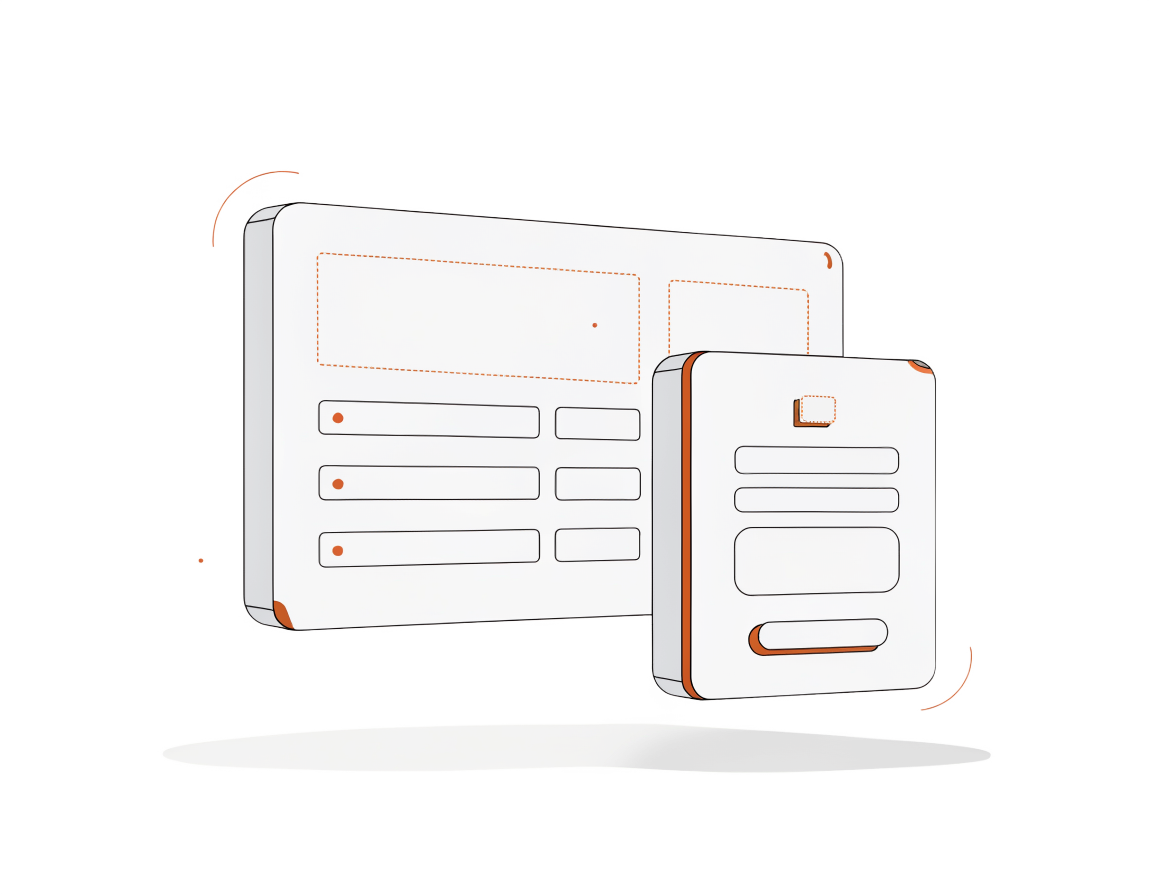
Webhook role gating — Discord and Telegram
The member pays, an HMAC-SHA256 signed webhook hits your bot, and the role is assigned the instant the payment confirms. A renewal keeps the role; a missed cycle lets your bot drop it. The standard setup for a gated chat community, and the one most members already understand.
See details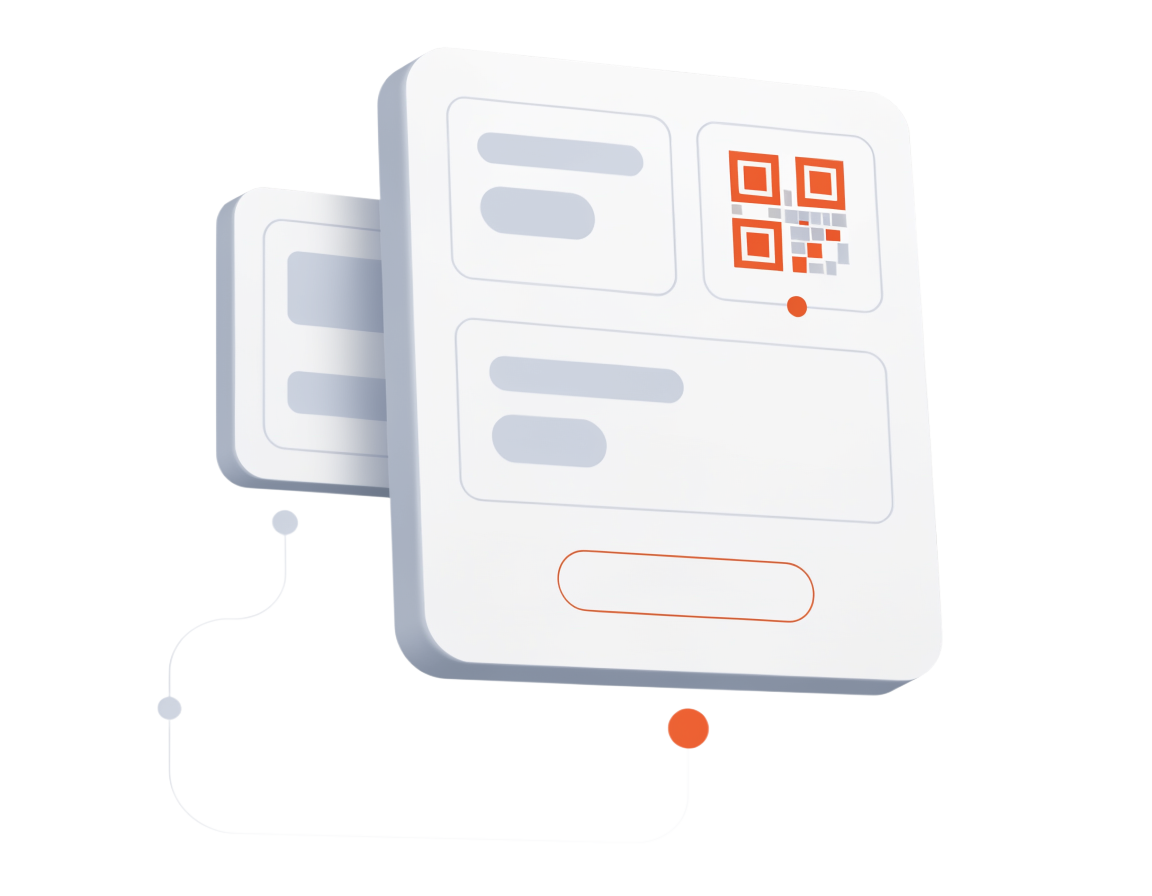
Embedded Checkout — membership on your own site
Drop the checkout widget onto your membership page so members join without leaving your domain. You issue each renewal invoice, the widget takes the payment, and the webhook grants or extends access on confirmation — you keep full control of tiers and gating logic.
See details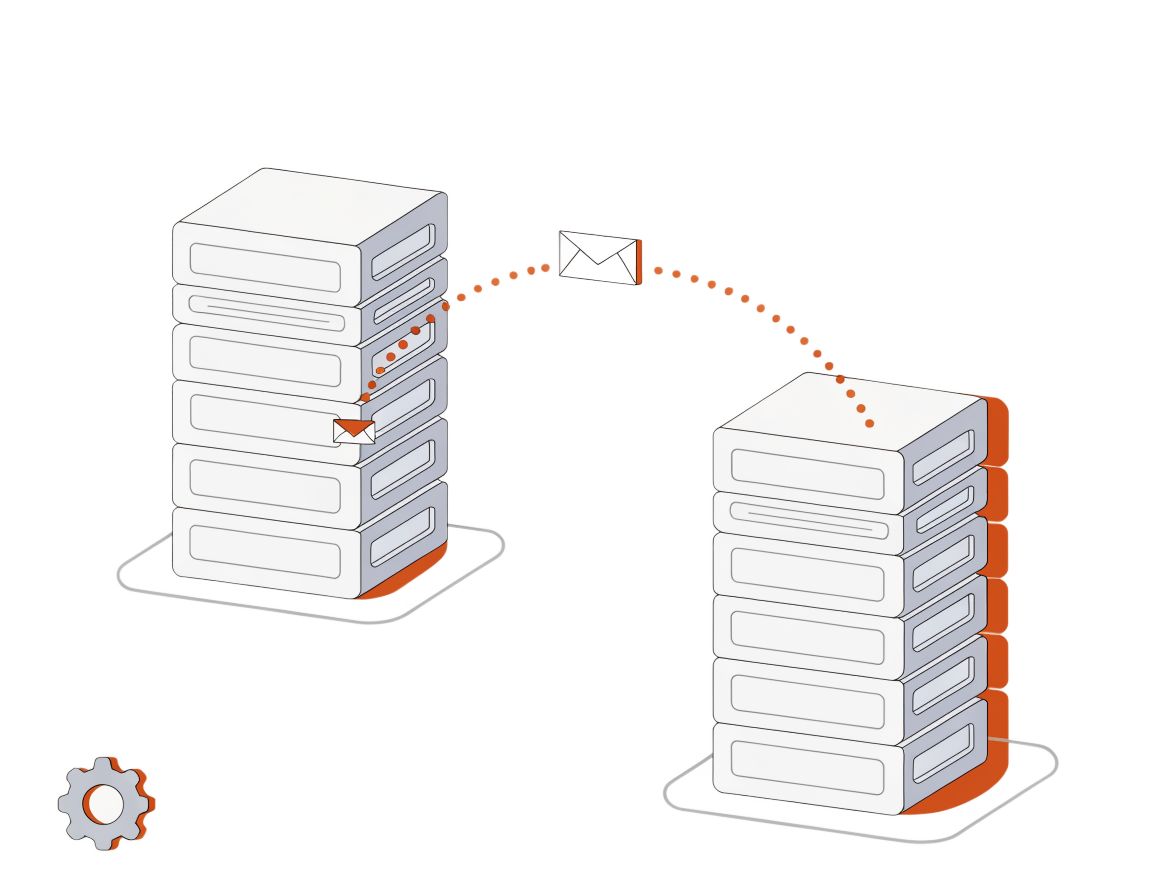
Payment Links — tiers, upgrades, and founding drops
For a tier, upgrade, or limited cohort, create a fixed invoice in the dashboard and place its link in a post, email, or pinned message. Confirmation can trigger the access change without a separate checkout implementation.
See detailsThe same rail, four ways members join and stay
What does the flow look like from a member's side?
Four setups a community runs on one rail — a monthly Discord tier, an annual plan, a founding cohort, and a mid-cycle upgrade.
Monthly Discord tier — webhook role gating
When a member joins the gated Discord, your site issues the membership invoice. The confirmation webhook tells the bot to assign the role. The next period starts with a new renewal invoice that the member authorises again.
Annual plan — Embedded Checkout
A member picks the annual tier on your site to lock in a year. They pay the stablecoin you priced it in, the webhook unlocks twelve months of access, and the net amount after processing credits your Paymos balance up front. A member abroad joins exactly the same way — no country allowlist in the path.
Founding cohort — Payment Links
You open a capped founding-member cohort. Each member follows their link, pays from a wallet, and the roster fills as confirmations land. The whole cohort settles up front, and once the community is live, a founding seat is paid for good — no one can claw their spot back.
Mid-cycle upgrade — Payment Link
An existing member moves up a tier. You send a payment link, they pay the difference from any wallet, and the webhook bumps their role and perks on confirmation. The upgraded access stays granted — there's no reversal that could pull it back out from under them.
Running a paid community on stablecoins
Frequently asked questions
How does a payment assign a Discord or Telegram role automatically?
How do recurring memberships work without a stored card?
What happens when a membership lapses — does access drop automatically?
Which networks and stablecoins should I accept for memberships?
Can members pay from anywhere, including regions platforms won't serve?
How fast is a new member inside after paying?
Honest disqualifier
When NOT to use Paymos for a membership community
Four communities a card-first platform will serve better — be honest about which one you are.
Your members will never hold a wallet
A paid community lives on its join rate, and asking a member to fund a wallet at the door shrinks it when none of your audience holds a stablecoin. The churn you'd cure isn't worth the joins you'd lose. Keep cards as the default and let your crypto-native members pay from a wallet alongside.
The platform's feed is how members find you
If recommendations inside a platform's feed are what fills your tiers, its percentage is a discovery budget, not only processing. Paymos moves payments — it sends no members your way. Where the feed demonstrably brings the people, that cut can still be a fair trade for now.
Your retention leans on auto-renew inertia
A wallet can't be charged without the member signing, so every cycle they renew on purpose. A community kept alive by people forgetting to cancel will shrink the moment renewal becomes a conscious choice. If forgetting is doing your retention, a stored-card platform is the honest tool.
Nothing is gated and tips are rare
If access is free and money only shows up as an occasional thank-you, renewal invoices and role gating are machinery with no job to do — a single tip link does the whole thing. Come back once there's a real paid tier to run; that's where this rail starts earning its keep.
Related flows
Other Creators & Media sub-niches on Paymos
Pricing
1.0% per renewal, gas inside — where Patreon keeps 10% of the pledge
Paymos charges 1.0% of what settles and nothing besides: the $5 monthly tier and the $300 annual plan are billed alike, acceptance gas already inside the figure. Talk to us about 0.3% from your first cycle — the answer rests on how many renewals run and what a tier is worth. Patreon's flat 10% for new creators is taken from gross, every month, for as long as the member stays — and card processing is billed separately over the top.
See pricing