Sell an NFT mint straight to the collector's wallet
Collectors mint at a checkout that takes the stablecoins already in their wallet, and the payment credits your Paymos balance — no marketplace cut on the primary, no card-to-crypto markup, and a confirmed mint that can't be reversed.

Where NFT primary revenue gets shaved before the artist
Why does a mint net the artist less than the collector paid?
Four ways marketplaces and launchpads thin out what a collector pays to mint your work.
The marketplace takes a slice of the primary mint
Launch through a marketplace or launchpad and it bills a cut of the primary sale — a percentage of every mint, set by the platform. On a sold-out drop that's a meaningful share of your launch revenue gone to the venue before it reaches you, on top of whatever it charges for listing or promotion.
A card mint gets converted to crypto first, at a markup
When a launchpad lets a card-paying collector mint, it routes through a fiat onramp first — the step that turns a card payment into crypto — adding a markup before the mint even happens. The collector pays more, the conversion margin leaves the flow, and none of it lands with the artist.
Pricing a mint in a volatile token moves your revenue
Price a mint in a volatile native token and the value of your primary revenue swings with the market between the drop opening and you putting the funds to use. A sold-out collection can be worth materially less by the time you settle, through no change in what you sold.
Collectors abandon a clumsy mint checkout
If minting forces a collector through card-to-crypto conversions, bridges, or a token they don't hold, a share of them drop off mid-mint. Every extra step between wanting your piece and owning it is conversion you lose at exactly the moment of peak intent.
How stablecoin settlement keeps the mint money
What changes when collectors pay the mint in stablecoins?
Four things that go right the moment the mint payment stops routing through a marketplace and a card-to-crypto conversion.

No marketplace between you and the collector
The collector pays the mint to your Paymos balance. There's no marketplace cut on the primary sale and no venue percentage skimming the drop — what they paid to mint is what you keep, minus one low all-in fee. Your launch revenue stops feeding someone else's take.

Collectors pay with what they already hold
Collectors can pay from the stablecoin balance already held in their wallet. Checkout does not require a card-to-crypto purchase or a processor-set conversion. Confirmation closes the invoice and releases the mint or delivery flow.
Stable value from drop to treasury
Price the mint in a dollar stablecoin and your primary revenue holds its value between the drop and the moment you use it — no swing in a volatile token deciding what a sold-out collection is worth. What the collection sold for is what your treasury holds.

A confirmed mint payment is final — and one low cost
A stablecoin payment has no chargeback, so primary revenue can't be reversed after the drop. And instead of a marketplace cut plus a conversion margin, you pay one low all-in fee per settled mint — the difference is real money kept on every piece in the collection.
How NFT creators wire Paymos in
Which integration fits how you launch?
Three ways to put stablecoin mint payments into your drop flow.
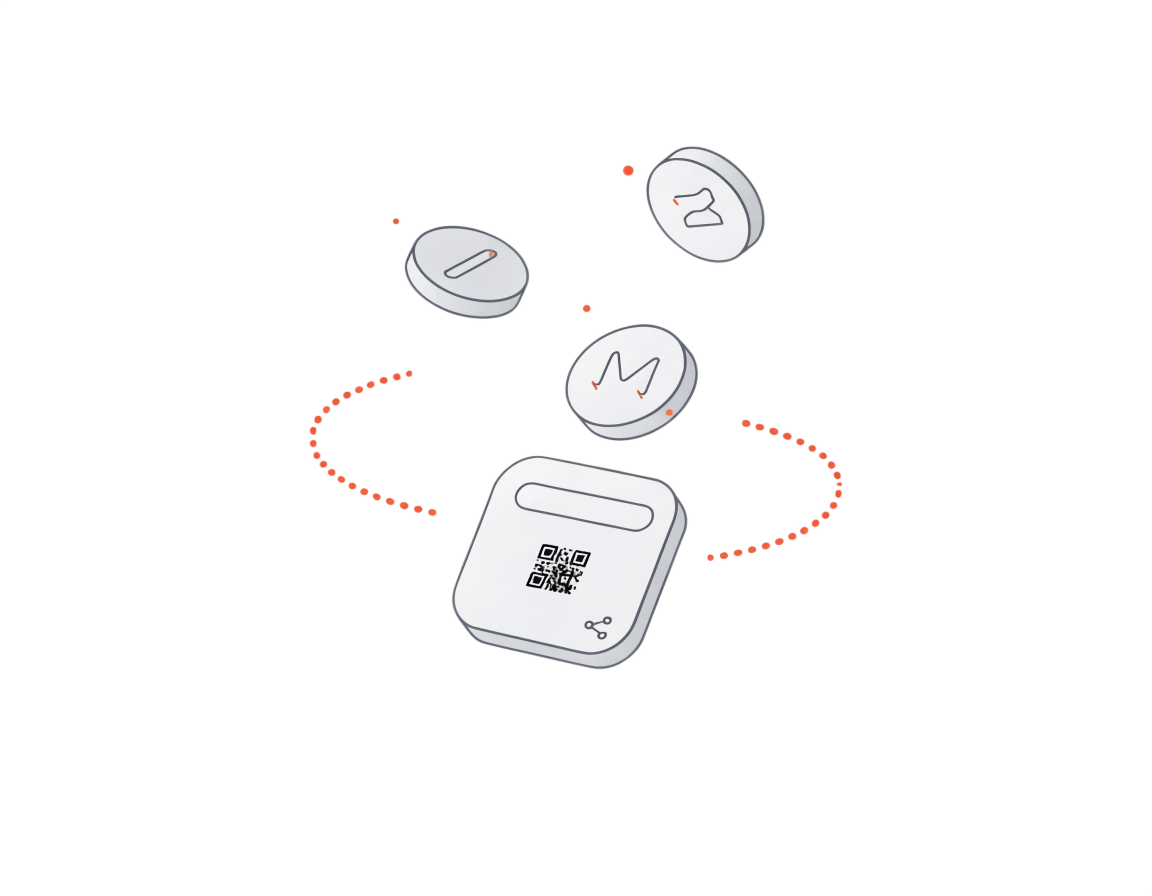
Server-side API — your own mint contract
Keep your own mint contract and let Paymos handle the payment leg: create an invoice for the mint price, watch for confirmation over an HMAC-SHA256 signed webhook, and trigger your contract's mint the instant the stablecoin payment lands. The token logic stays yours; Paymos carries the money.
See details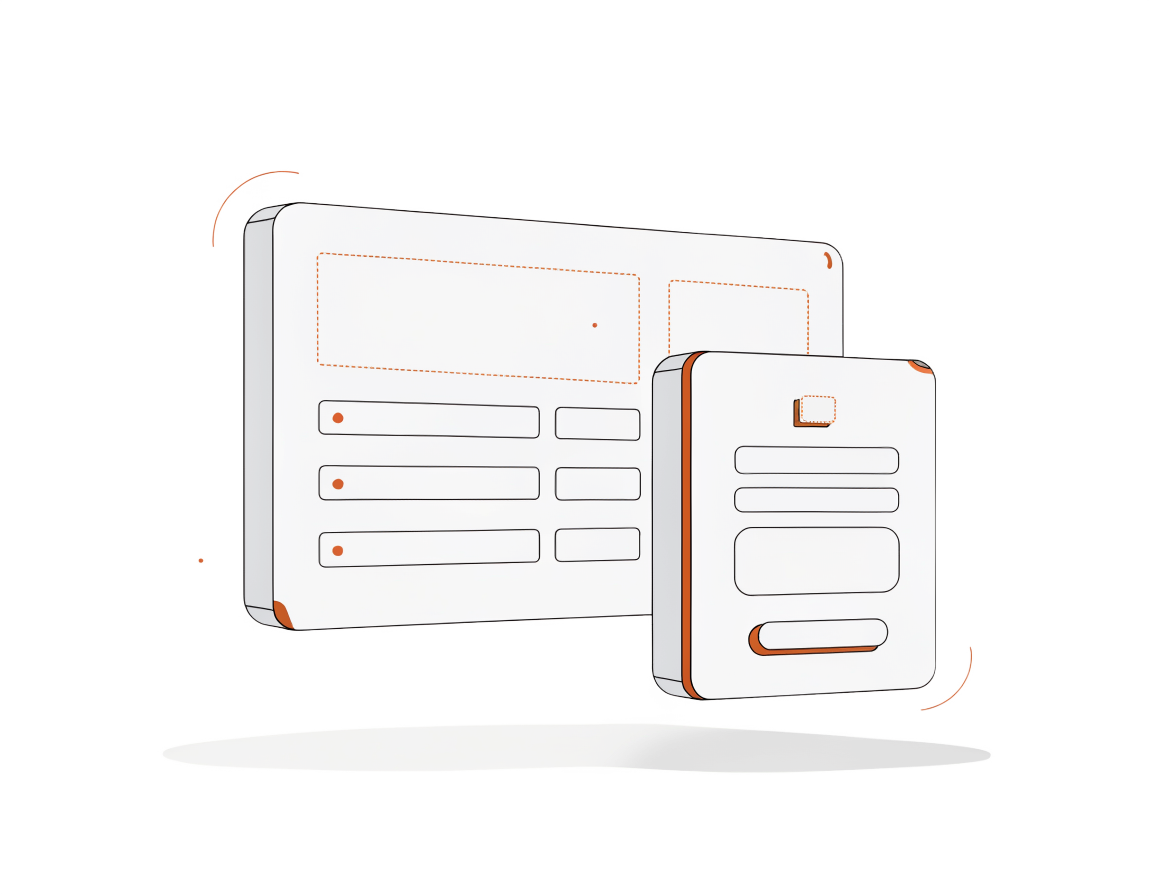
Hosted Checkout — a mint page with no code
For a simple drop, create a Paymos invoice for the mint and send the collector to a Paymos-hosted page; they pay from their wallet and your system mints to them on confirmation. Best if you want a clean mint payment without building a custom checkout.
See details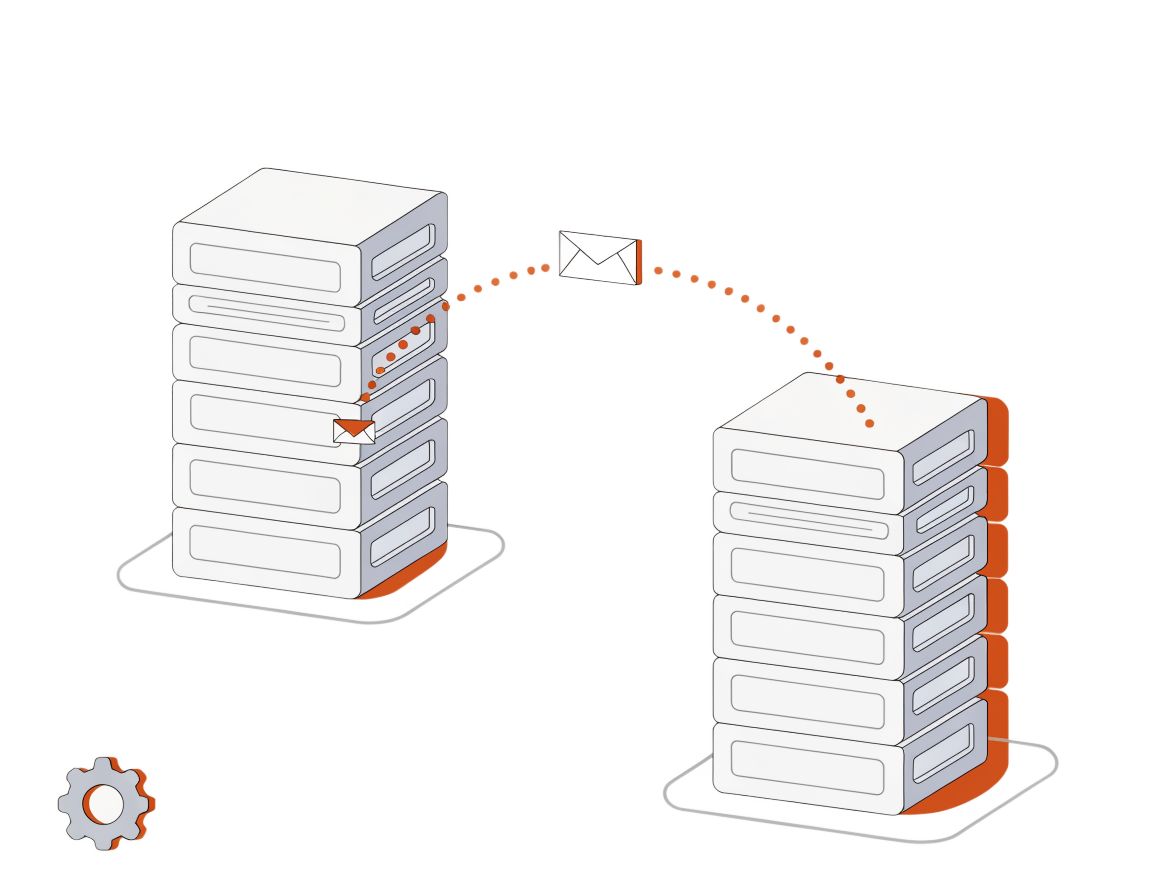
Payment Links — allowlist and private sales
For allowlist spots or a private collector sale, generate a payment link and send it to the wallet on the list. They pay from any wallet and your drop logic releases their mint on confirmation — a tidy way to run a gated sale without a public mint page.
See detailsNFT drops on stablecoins today
How a real mint runs end to end
Four flows from real NFT setups — public drop, allowlist mint, 1/1 sale, and global collector.
Public drop — server-side API
You open a public collection mint. A collector pays the stablecoin you price the mint in, the webhook confirms, and your contract mints to their wallet within seconds. The mint revenue credits your Paymos balance directly — no marketplace cut on the primary, and a confirmed mint can't be reversed.
Allowlist mint — Payment Link
An allowlisted collector claims their spot. They tap the payment link, pay from the wallet on the list, and your drop logic releases their mint on confirmation. The whole allowlist credits your Paymos balance as it mints, with the value held in a stable token rather than swinging with the market.
1/1 sale — Hosted Checkout
You sell a single high-value piece directly to a collector. They pay the stablecoin you price it in, your system mints it to them on confirmation, and the net amount after processing credits your Paymos balance — with no venue percentage on the sale and the value steady from agreement to settlement.
Global collector — Hosted Checkout
A collector anywhere mints your drop. They pay with the stablecoin already in their wallet, the mint releases on confirmation, and your balance credits the same way regardless of their country — no conversion step, no country allowlist, no extra step between intent and ownership.
NFT creators on stablecoins
Frequently asked questions
Does Paymos mint the NFT, or only handle the payment?
Which networks and stablecoins should I price a mint in?
What about secondary-sale royalties — does Paymos enforce them?
Who pays the network cost to mint?
Can collectors anywhere mint, with no conversion step?
What's the real confirmation latency on a mint payment?
Honest disqualifier
When NOT to use Paymos for NFT drops
Four cases where a marketplace mint or native-token sale is the better fit.
The marketplace's collectors sell out your drops
If your mints sell because a launchpad puts the drop in front of its collector base, the venue's cut on the primary is distribution you'd otherwise have to build yourself. A payment rail can't replace that crowd. Pay for the audience where it's real, and mint direct when the collectors are already yours.
Your mint is priced in ETH on purpose
Paymos settles dollar stablecoins and gold-backed XAUT — never a native coin. If pricing in ETH or SOL is part of the collection's identity and your collectors expect to mint in it, run the native-token mint your contract was designed for; a stablecoin checkout would cut against the drop itself.
Royalties matter more than the mint
If the project's economics live in secondary-market royalties, your levers are the contract standard and the marketplaces that honour it. Paymos touches only the primary payment leg — improving the mint won't move what resales pay you. That fight happens elsewhere.
Collectors expect mint, list and trade in one venue
When your audience wants to mint, list and flip without leaving one marketplace UI, a standalone mint payment is a fragment of the experience they came for. Paymos is a payment rail, not an exchange. Keep the drop where the trading floor is the draw.
Related flows
Other Creators & Media sub-niches on Paymos
Pricing
1.0% per settled mint. No marketplace cut, no conversion margin
The same rate on a $20 open-edition mint and a $20,000 1/1 sale. Ask about 0.3% on your first drop — how many mints clear and on which networks are what we weigh. A marketplace's primary cut plus a card-to-crypto conversion margin is what one low fee replaces.
See pricing