Send more of every gift to the mission, not the platform
Your supporters give in USDT or USDC straight onto your charity's balance — crypto payments, all-in for one 1.0% fee. No hosted giving platform sits between donor and cause, your CRM still writes the tax receipt, and a confirmed gift can't be charged back.

Where a donation thins out before the mission ever sees it
Why does a $50 gift land in the budget as less than $48?
Four deductions the legacy giving stack takes from a donation: the hosted-platform fee, the card fee, a cross-border conversion markup, and a gift that can reverse months later.
The hosted giving platform bills the mission for the donate button
A donation page on Donorbox, Classy, or JustGiving carries a platform fee on top of card processing. Donorbox alone runs a few percent of each gift before processing, and the combined drag often reaches mid-single-digit percent. That cut comes out of money the donor designated for the cause, and it recurs on every gift the platform touches for the life of the contract.
The card fee is sized for retail baskets, not small gifts
A standard 2.9% + $0.30 processor takes about $1.75 from a $50 gift — roughly 3.5% — and close to 6% from a $10 gift, because the fixed $0.30 weighs heaviest on the smallest donations. A charity that lives on a long tail of small recurring gifts loses the most to a fee built for a shopping cart.
An overseas supporter is charged more than they meant to give
A donor abroad backing your cause pays a card-issuer currency markup, often 1-3%, plus whatever foreign-transaction fee their bank adds, and a US-focused processor may layer on an international-card surcharge. The donor's statement reads higher than the gift; your budget reads lower. The gap is pure conversion friction, not generosity.
A gift you already receipted can be pulled back months later
A card donation can be disputed long after you sent the acknowledgment letter and committed the funds to a program — from honest confusion, a forgotten recurring gift, or a relative contesting a late donor's charge. The reversal claws back money you have already allocated, and a climbing dispute rate can trigger processor surcharges that hit every donor after.
What a stablecoin donation does that a card gift can't
What changes when supporters give in stablecoins?
Four things go right the moment a gift credits your Paymos balance instead of routing through a giving platform.
Donor to cause, with nobody billing the gift in between
The supporter pays your charity direct — no hosted platform skimming a fee, no merchant of record deciding when the funds clear to you. Paymos covers its own sweep and settlement gas inside the 1.0%, so no on-chain cost reaches you on the receiving side. The donation credits your Paymos balance after the published processing fee.

Committed funds stay committed — no clawback window
A stablecoin gift is final once it confirms on-chain. There is no dispute window that reopens months after you allocated the money to a program and no bank that can recall it over a donor's objection. When a refund is genuinely warranted, you decide, and you send it as an outbound transfer out of your Paymos balance — refunds stay your call, not a processor's.

An overseas gift arrives at full value
Quote your appeal in a dollar stablecoin and a supporter anywhere sends that same stablecoin — same value out of their wallet, same value into yours, with no card-issuer conversion markup in between. If your books need local currency, you convert on your own treasury schedule at a rate you can see; the conversion margin stays with the cause, not an issuing bank.

Your donor system still owns the receipt and the record
Paymos is the rail, not your CRM. Each confirmed gift sends the donor name, USD-equivalent amount, timestamp, and transfer reference to your donor system over webhook or API, where your existing receipting runs unchanged. The tax-deductible acknowledgment, the soft-credit, the stewardship record — all stay where your fundraisers already manage them.
How charities wire Paymos in
Which integration fits how you raise funds?
Three ways to add stablecoin giving alongside the donate flow you already run.
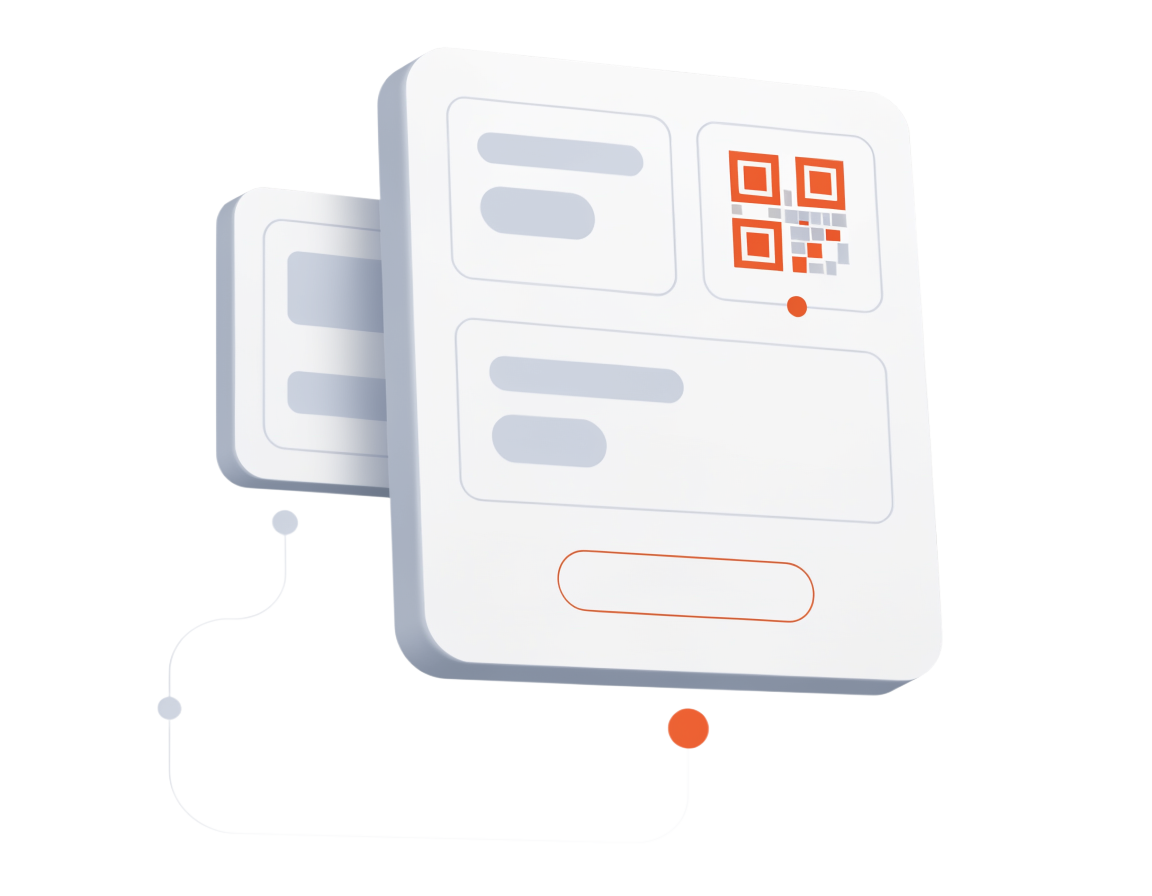
Hosted Checkout — a give-with-stablecoin button, no rebuild
Add a give-with-stablecoin button to your existing donate page. Your site creates a Paymos invoice for the gift amount and redirects the donor to a Paymos-hosted page to pay from their wallet. A confirmation webhook posts the amount and reference back to your donor CRM. No site rebuild, and no card data ever touches you, so no PCI scope.
See details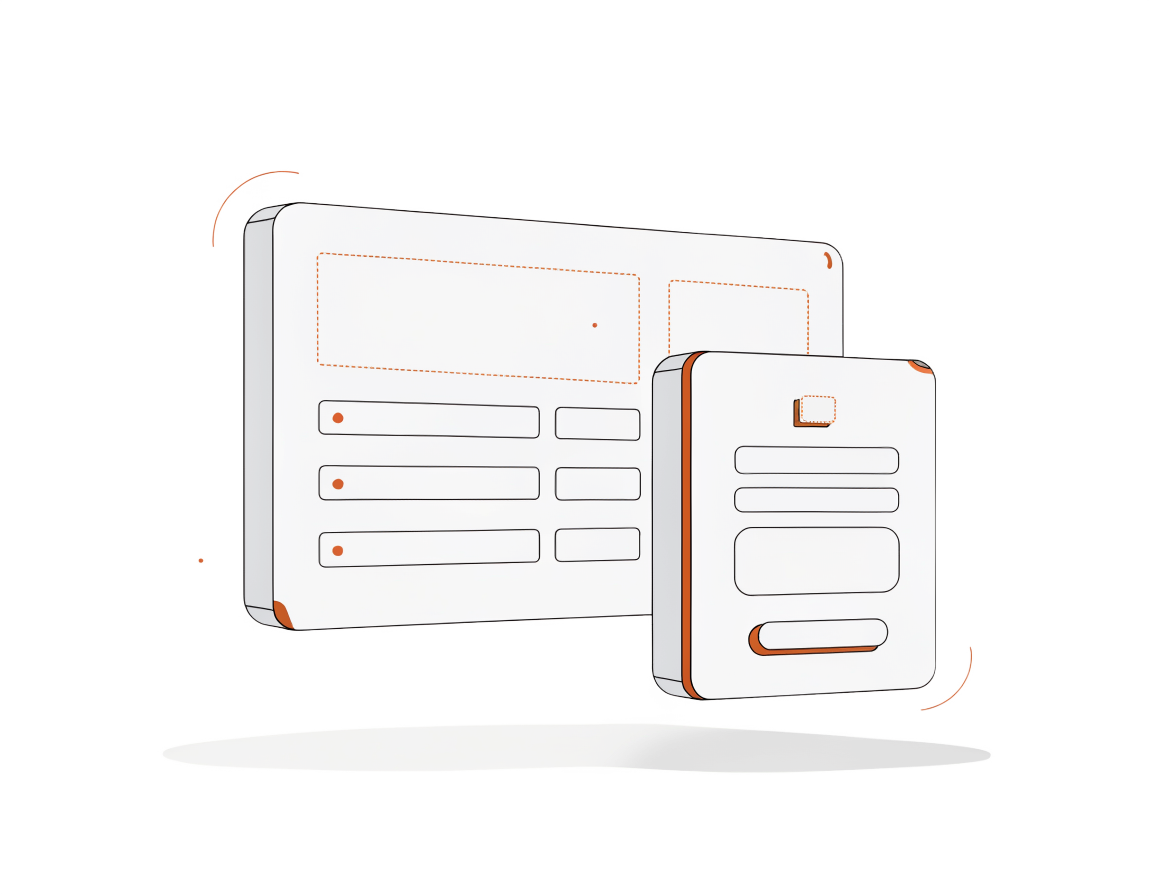
Embedded Checkout — donors finish on your own domain
For a donation form with designations, dedications, or in-memoriam pages, the embedded checkout drops the wallet payment step into your own page through an iframe. The donor never leaves your domain, and your CRM stays the source of truth for the appeal, the designation, and the donor record — Paymos owns only the payment leg.
See details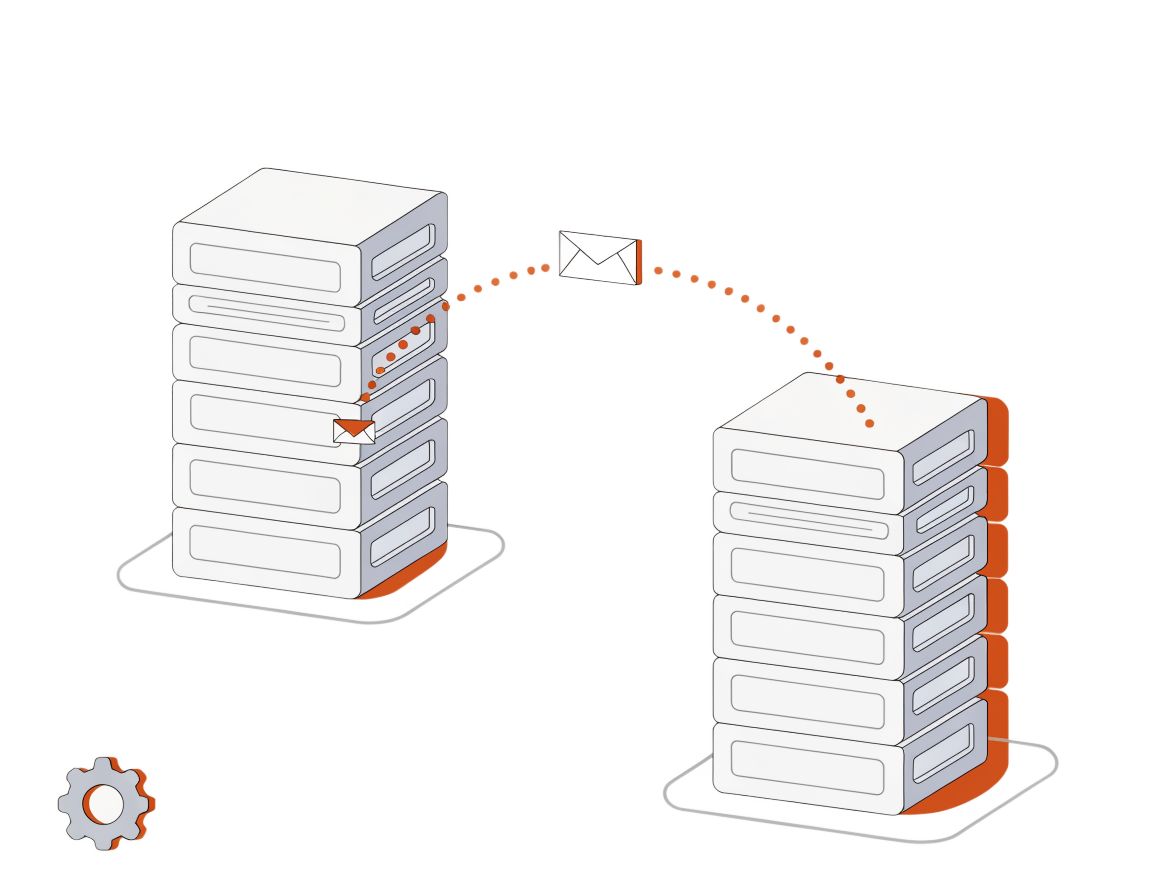
Server-side API — Salesforce Nonprofit Cloud and custom databases
If gifts originate in Salesforce Nonprofit Cloud, Bloomerang, or your own donor database, the REST API lets that system open a gift, watch for confirmation, and reconcile the transfer over HMAC-SHA256-signed webhooks. Pass your own donation ID as the external order id and a retried call returns the same gift, never a duplicate, so the record updates exactly once.
See detailsGiving patterns that run on a wallet today
How do real charity gifts move through Paymos?
Four patterns — a year-end gift, a monthly sustainer, a corporate sponsorship, and a named major gift.
Year-end appeal gift — Hosted Checkout
The year-end donation page creates an invoice for the amount selected by the supporter. Confirmation reaches the CRM through a signed webhook and credits the Paymos balance. The gift does not wait on a platform payout calendar.
Monthly sustaining gift — a renewal invoice each cycle
A sustainer pledges to give every month. Each cycle your system sends a renewal invoice the donor pays from their wallet — Paymos can't pull a wallet, so nothing sits on file to expire, no renewal quietly fails, and no standing debit can be disputed. The gift isn't capped by when a card gets reissued, and a donor who wants to stop lets the next invoice lapse.
Corporate sponsorship — a Payment Link to finance
A local business sponsors your gala. Your development officer creates a payment link from the donor record and emails it to the company's finance team, who pay from a corporate wallet on their own schedule. The sponsorship credits your Paymos balance on confirmation, and the acknowledgment goes out from your CRM the moment the webhook lands.
Named major gift — a Payment Link with a dedication
A major donor commits a named gift to a building campaign. The payment link carries your own external order id tying the gift to the pledge record, the donor pays the invoice from their wallet, and the net amount after processing credits your Paymos balance. The donor can read the transfer on-chain and see for themselves that the whole gift reached the cause.
Charity donations on stablecoins
Frequently asked questions
Does Paymos issue tax-deductible receipts to donors?
How do supporters get stablecoins to give in the first place?
Can the charity hold dollars, or only stablecoins?
What happens if a donor wants a refund?
Which networks and stablecoins should we accept?
How does anonymous giving work?
Honest disqualifier
When NOT to use Paymos for charity donations
Four cases where your existing card or platform rail is still the right call.
Your donor base gives by card, cheque, and direct mail
A file that skews older and has given by card, cheque, and appeal letter for decades will not fund a wallet to make its next gift, however much the rail saves per donation. The wallet path only converts where supporters already hold stablecoins. Keep card as the default and offer stablecoin giving beside it for the donors who do — don't bet a year-end appeal on it.
Your sustainer budget assumes giving that charges itself
Paymos can't debit a wallet — nothing on this rail pulls a gift the way a card-on-file sustainer program does. A monthly pledge here is a renewal invoice the donor actively pays each cycle, so some months a sustainer will skip. If your operating budget is built on set-and-forget auto-renewal that keeps charging, the card rail does work Paymos deliberately does not.
Your trustees need donations to land as fiat in the bank
Each gift settles as stablecoin to your Paymos balance; there is no built-in conversion to fiat or bank payout inside Paymos. If trustees, auditors, or a grant covenant require donations to arrive as USD or EUR in the charity's bank account, converting is an exchange step your finance team owns, not something the product does. If no one can own that step today, stay on a rail that ends in your bank.
Most of your gifts come from a fundraising site's own traffic
When supporters mainly find you by browsing a hosted fundraising site, the fee you pay there buys discovery, not only processing. Paymos brings no donor audience — it is the rail under an appeal you distribute to your own list and community. Run it where you own the relationship, and keep the platform listing for the new donors it genuinely sends you.
Related flows
Other Donations & Non-profits sub-niches on Paymos
Pricing
One 1.0% fee on a settled gift — gas in, no fixed cents, no platform layer
The same rate on a $10 sustaining gift and a $50,000 major gift, with on-chain gas covered inside it and no per-gift fixed cents. 0.3% is the lower rate, granted on how many gifts come through and what one is worth — ask from your first appeal. A hosted giving platform plus card processing commonly takes several times that off each donation. The receipt always stays with your charity.
See pricing