Pass the plate where card rails won't reach
The congregation gives at a giving checkout in USDT or USDC, straight to the church's Paymos balance, gas covered inside one 1.0% fee. No giving platform sits between the tither and the ministry, the offering settles on confirmation, and once it confirms on-chain no bank can charge it back.

Where religious giving leaks before it reaches the ministry
Why does a tithe arrive at the church smaller than it was given?
Four ways the church-giving stack works against the offering — platform fees, declined regions, cash overhead, and recurring decline.
Church-giving platforms take a cut of every tithe
Hosted church-giving tools charge a percentage plus a fixed fee on card gifts, on top of a software subscription. On a typical monthly card tithe that is several percent of the gift, year after year per sustaining giver — and the processor and the platform both take from the same offering before the congregation sees it.
Card rails decline some congregations outright
Card processors restrict religious organisations whose region or activity falls in sanctioned or politically constrained territory — house churches in some countries, congregations in restricted regions, certain advocacy groups. For an entire class of congregations there is no working card rail at all, and givers fall back to mailed cash or informal networks.
Cash collection creates security and reconciliation problems
Many congregations still depend on the physical offering plate. A volunteer treasurer counts, deposits, and reconciles by hand — a process that carries fraud risk, security exposure from cash on premises, and no record for a giver who wants a year-end statement. Mobile giving solves part of it, but at a card-rail cost on every gift.
Sustaining tithers drop on card reissue, not on faith
A sustaining giver commits to tithe monthly, meant to last for years. Then a card expires, the next gift fails, and a platform emails them that their card lapsed. A meaningful share of recurring religious giving is lost this way — and because the giver base often skews older, card-reissue failures catch an even larger share. The giver did not change their mind; the rail lost them.
How stablecoin giving keeps the offering whole
What changes when tithing settles in stablecoins?
Four things that go right the moment the congregation gives straight to the church's Paymos balance.

The congregation gives direct — nothing skimmed
A giver pays the organisation’s Paymos invoice without a church-giving platform taking an additional percentage. The net amount credits the organisation’s Paymos balance after confirmation.

Available without category underwriting
Nothing about a congregation's faith or its merchant category is reviewed to open an account. Local-law and sanctions obligations remain with the organisation. Outbound transfers can be held for one asset and network, or across the platform, when an incident calls for it — a stablecoin issuer pausing its token, say — and such a hold is about the asset, never about the organisation.

The gift is yours the moment it clears
A gift credits the organisation’s Paymos balance after the confirmation policy for its network and amount is satisfied. The treasurer sees the confirmed payment and donor reference in the dashboard.

An offering can't be charged back
A stablecoin gift is final once it clears — no dispute weeks later pulling back an offering the ministry has already put to work, and every gift is a verifiable transfer, which is hard to embezzle by design. If a genuine refund is warranted, the church sends it from its Paymos balance on its own terms.
How congregations wire Paymos in
Which integration fits your church?
Three ways to add stablecoin tithing without replacing your church-management stack.
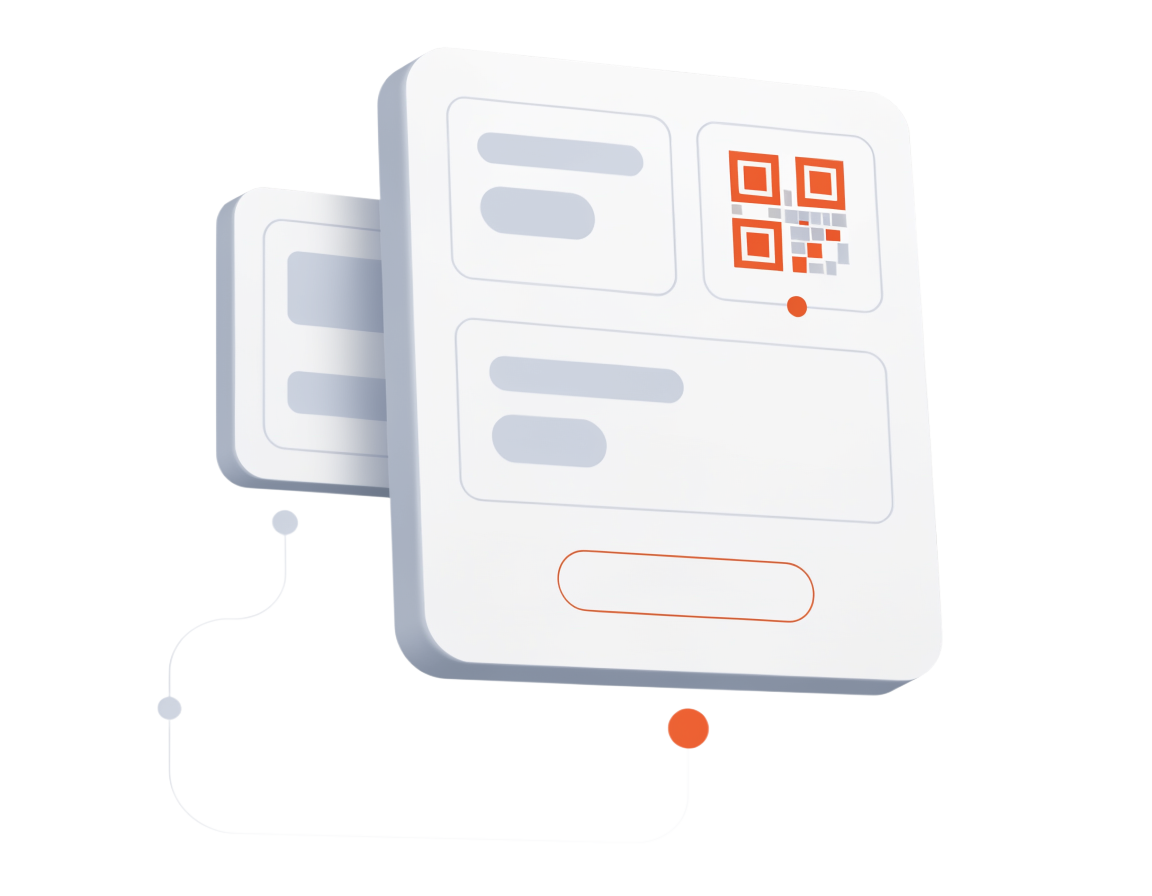
Hosted Checkout — a Give button on the church site
Add a "Give with stablecoin" link to your church site, the Sunday bulletin as a code, and the in-service screen; the giver lands on a Paymos-hosted form, picks a tithing, offering, or building-fund designation, and pays from their wallet. A confirmation webhook reaches your church-management software so giving statements aggregate across rails.
See details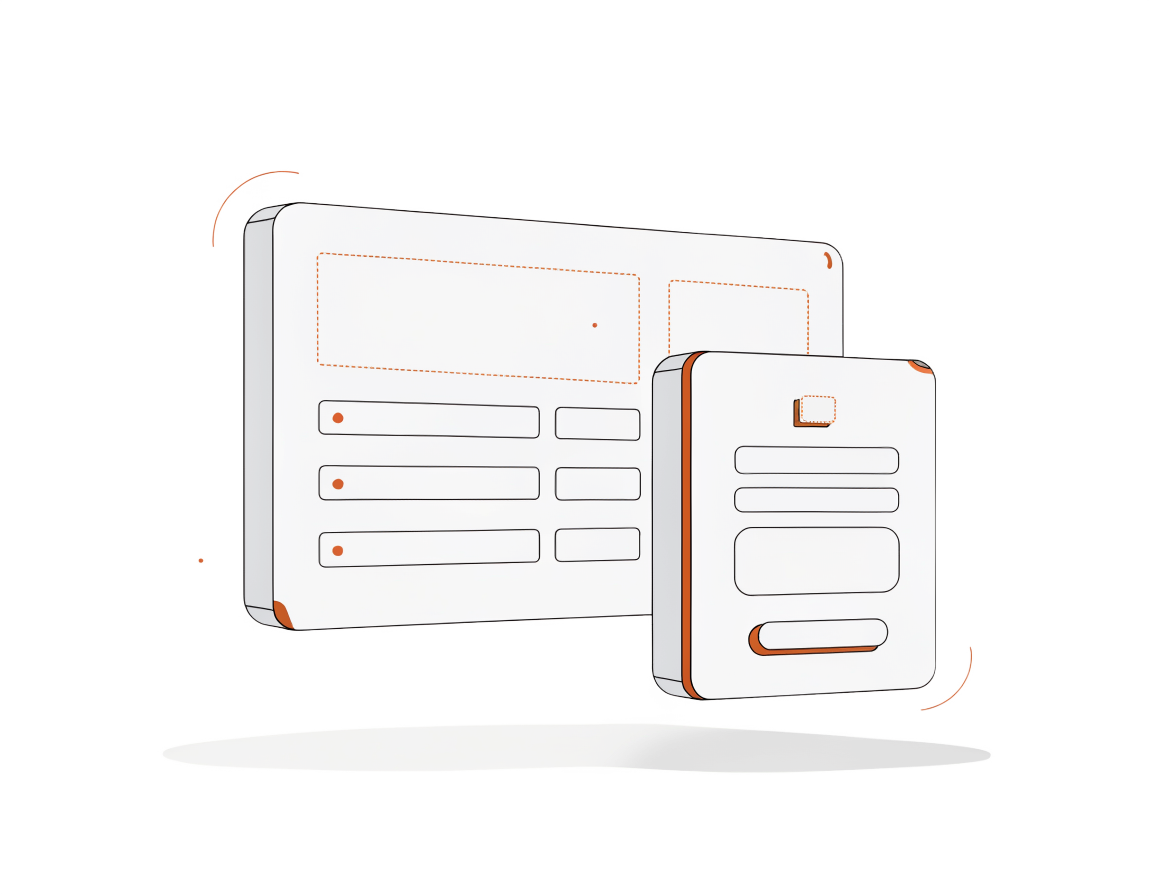
Embedded Checkout — giving inside the church app
If your congregation has a custom mobile app, the embedded checkout drops wallet giving directly into the give screen via an iframe, without sending the giver out to a hosted page. Same flow as an in-app card gift, on a low-cost rail, inside your existing member experience.
See details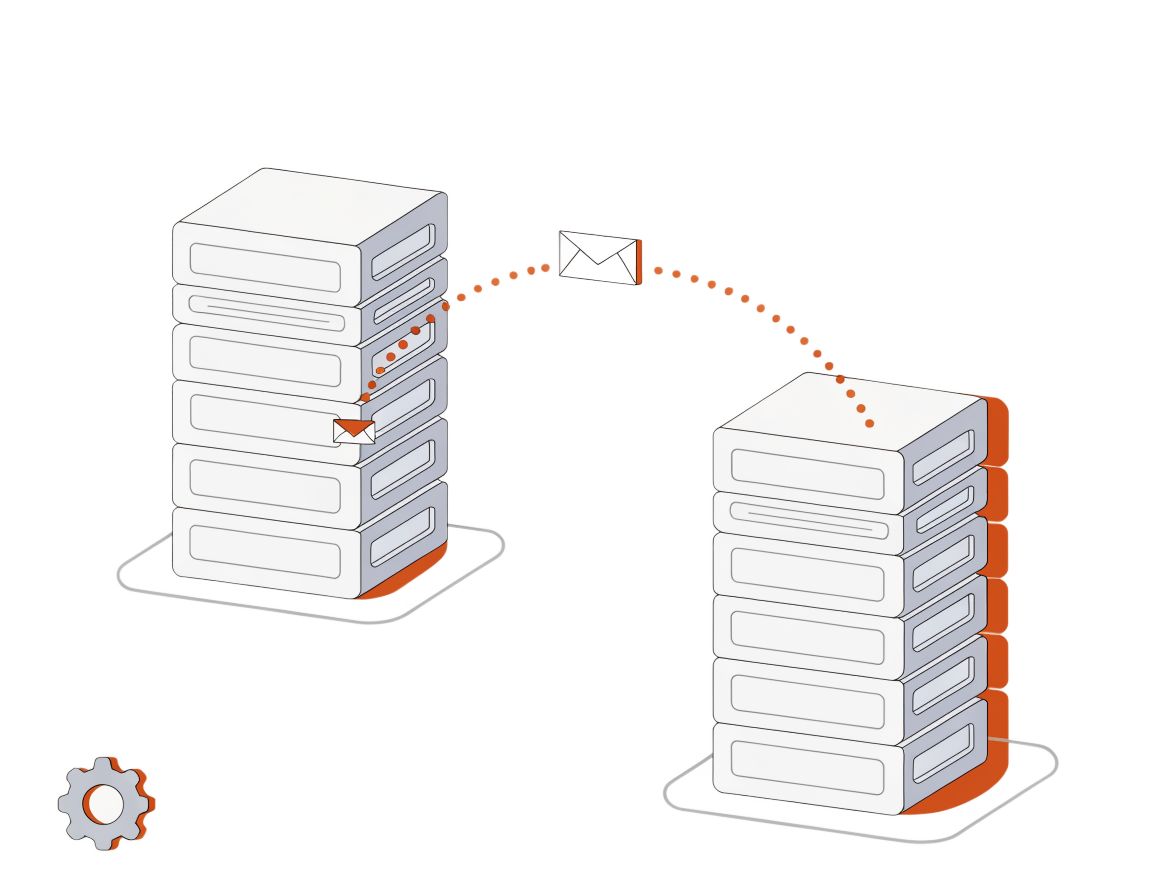
Server-side API — church-accounting integration
For a larger congregation running church-accounting or a custom giving system, the server-side API lets your platform create gifts, reconcile transfers, and trigger contribution-statement generation over signed (HMAC-SHA256) webhooks, idempotent on your own gift ID. The giver sees one year-end statement aggregating cash, card, and wallet gifts.
See detailsReligious-giving flows on stablecoins today
What giving patterns run cleanly on a wallet?
Four flows from real congregations — Sunday offering, monthly tithe, a building-fund pledge, and in-service mobile giving.
Sunday offering — Hosted Checkout
A visitor scans the code, chooses a supported asset, and pays from a wallet. After confirmation, the net gift credits the organisation’s Paymos balance and appears in the dashboard.
Monthly tithe — renewal invoice
A sustaining giver commits to tithe monthly over the long haul. Once a month they receive a tithe invoice and pay it from their own wallet — no stored card that lapses, no bounce notice to chase, no open-ended authorization to charge them. Tithing isn't bounded by when a card gets reissued, and the giver stops by not paying the next invoice.
Building-fund pledge — Payment Link
A family pledges toward the building-fund campaign. The pastor generates a payment link from the giving record and emails it; the family pays across the agreed schedule, it settles to the church's Paymos balance, and the campaign board updates — and the family can verify the gift for themselves if they chose to be named on the donor wall.
In-service mobile giving — code plus Hosted Checkout
Mid-service, the pastor calls for a special offering — disaster relief, missions, a member's medical fund. The screen shows a code, attendees scan, the form pre-fills the designation, and gifts settle in real time across the moment — with no one taking a share and nothing held back behind a payout cycle.
Religious giving on stablecoins
Frequently asked questions
Does Paymos issue tax-deductible giving statements?
What about congregants who don't hold crypto — do they have to learn it?
We're a house church in a restricted region — can we use Paymos?
Can we accept wallet giving inside our existing church app?
How do we explain the public record to givers concerned about privacy?
Which networks and stablecoins do most congregants use?
Honest disqualifier
When NOT to use Paymos for religious giving
Four cases where the way your congregation already gives is the right answer.
Your congregation gives through the plate, not a phone
A giver base that skews older and still reaches for cash, cheques, and the occasional card is not going to install a wallet for Sunday. No rate makes a rail useful that your members will not pick up. If digital giving itself is still new ground for the congregation, settle that first — then add the wallet option for the members who already hold stablecoins.
Your tithers want giving that runs itself
Many faithful givers set up an auto-debit once and let it run for years — and that is precisely what a wallet cannot do. Nothing can pull from it; each month's tithe on Paymos is an invoice the giver opens and pays themselves. That keeps the giver in control, but if your budget leans on giving that continues without a monthly action, ACH and card-on-file are doing that quiet work.
The ministry's bills are paid in fiat from a bank account
Pastor salaries, utilities, rent, and insurance leave a church bank account in local currency — and Paymos delivers offerings as stablecoins on a balance the church withdraws itself, with no fiat payout built in. Converting becomes a recurring duty for a treasurer who is often a volunteer. If nobody will own that exchange step and its bookkeeping, keep the giving rails that already end where the bills are paid.
Your giving platform is also your membership system
When one tool holds the member directory, event sign-ups, small groups, and the automatic year-end statements, its fee is buying administration, not only processing. Paymos moves money and exposes the gift data — your software still has to turn that into statements and records. Keep the management stack you depend on and run the wallet rail beside it, not instead of it.
Related flows
Other Donations & Non-profits sub-niches on Paymos
Pricing
1.0% on a cleared offering. Gas covered, no fixed cents, no giving subscription
A $20 offering and a five-figure building-fund gift carry the same rate, with no church-giving subscription and no card processor stacked on top. Ask about 0.3% from your first offering — how many gifts come through and what they add up to are what we weigh. A giving subscription plus card processing commonly takes several times 1.0% from each gift. The year-end statement stays with the congregation, not the rail.
See pricing