Pay the whole scholarship to the student, not the platform
Alumni gifts credit your Paymos balance in USDT or USDC through one crypto payment gateway, with acceptance network costs included in the 1.0% standard fee. Then you send a scholarship straight to a student's wallet — at home or abroad — where a cross-border wire would spend days in correspondent banks and arrive lighter than it left, with Paymos taking 0 commission on the way out.

Where the gift thins out between alum and student
Why does the student receive less than the alum gave?
An education fund pays twice — once to collect the gift, again to disburse the award — and a card cohort lapses on its own. Four places the money bleeds.
The giving platform charges on both sides
A scholarship platform rarely charges once. There's a service fee at checkout, a cut on award distribution, sometimes a monthly subscription — and card processing rides on top of all of it. The combined take ranges widely, often mid-single to low-double digits of each gift. The alum gives one figure; the student receives a smaller one, and a platform pockets the gap.
The card fee rides every alumni gift
Card processing takes a flat cut of every gift. A standard 2.9% + $0.30 is roughly 3.2% of a $100 gift, and the fixed $0.30 bites hardest on the long tail of small donations. A development office runs tens of thousands of gifts a year — that fee is a standing line item walking out of the fund.
Wiring an award overseas burns the grant
A bank wire to a student abroad is expensive money. The transfer can cost tens of dollars, and a correspondent bank takes a currency markup of a point or two on top. A flat fee plus a percentage bites hardest on a modest award — and across a program of international awards, it is real funding going to bank rails instead of students.
Recurring pledges lapse every card-reissue cycle
Endowments lean on years of small recurring gifts. A young graduate pledges a monthly amount meant to build a chair or a scholarship over a decade. Much of that pledge lapses with no change of heart — an expired or reissued card, a renewal that silently fails. Over a long horizon the misses compound, and the cohort gives far less than it promised.
One wallet rail, both legs of the gift
What changes when the gift and the award run on a wallet?
Money in and money out settle on the same rail — you keep more of the gift and the student keeps more of the award.
Gifts credit your Paymos balance, nobody in between
An alum pays the fund's Paymos invoice. No giving platform sits in the middle taking a cut of each gift, so more of it reaches the fund and you decide when to put it to work. It is donor to fund, on a rail you control — not a relationship rented from a platform.

Award straight to the student, no wire chain
You disburse a scholarship to the student's own wallet — at home or abroad — instead of routing it through correspondent banks that take days and a cut at every hop. The transfer is sent as soon as the committee approves it, and how quickly it lands is the payout network's own speed. Paymos takes 0 commission on the way out, so the only cost is the network fee for that route — quoted before the transfer goes, and less than the route costs.
A pledge that survives the card-reissue cycle
A graduate pledges to give monthly for years. Each cycle your system issues a renewal invoice they pay from their wallet — no card on file to expire, no failed-renewal chase, no wallet pulled without the giver acting. The silent churn that drains endowment cohorts goes away, and the pledge delivers across the years it was made for.
Every gift and award is final once it clears
Each inbound gift and each outbound award is a transfer anyone can verify on-chain. The alum sees the gift reach the fund; your records show the award reach the student. And a gift is final once it confirms — a donor's bank can't reverse it weeks later, after you have already moved it into an award.
How a development office plugs Paymos in
Which integration fits the way you raise and award?
Three ways to add wallet giving — and outbound award payout — alongside the donor system you already run.
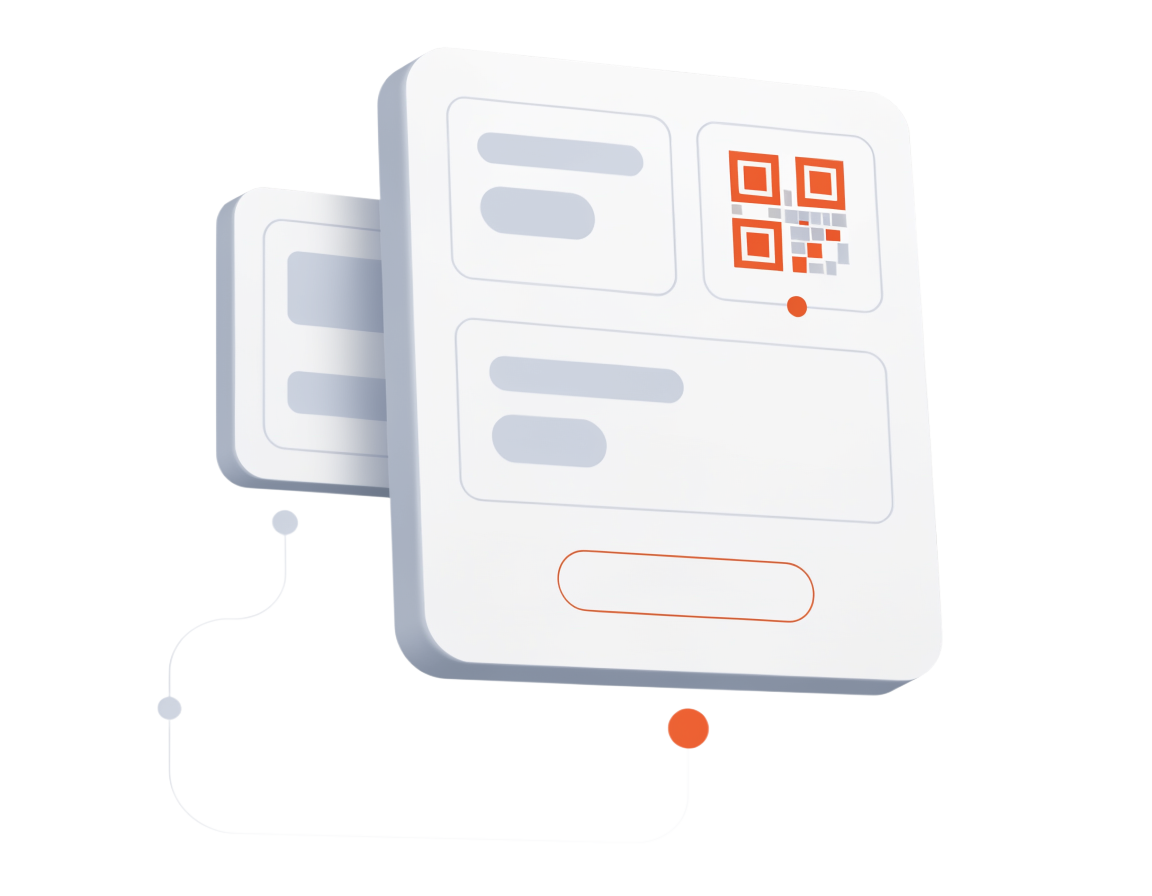
Hosted Checkout — a Give button on the university site
Drop a "Give with stablecoin" button on your development page, alumni magazine, or campaign microsite. You create a Paymos invoice and send the donor to a hosted page; they pick a designation, pay from their wallet, and a confirmation webhook posts the gift and reference into your CRM. No site rebuild, no PCI scope.
See details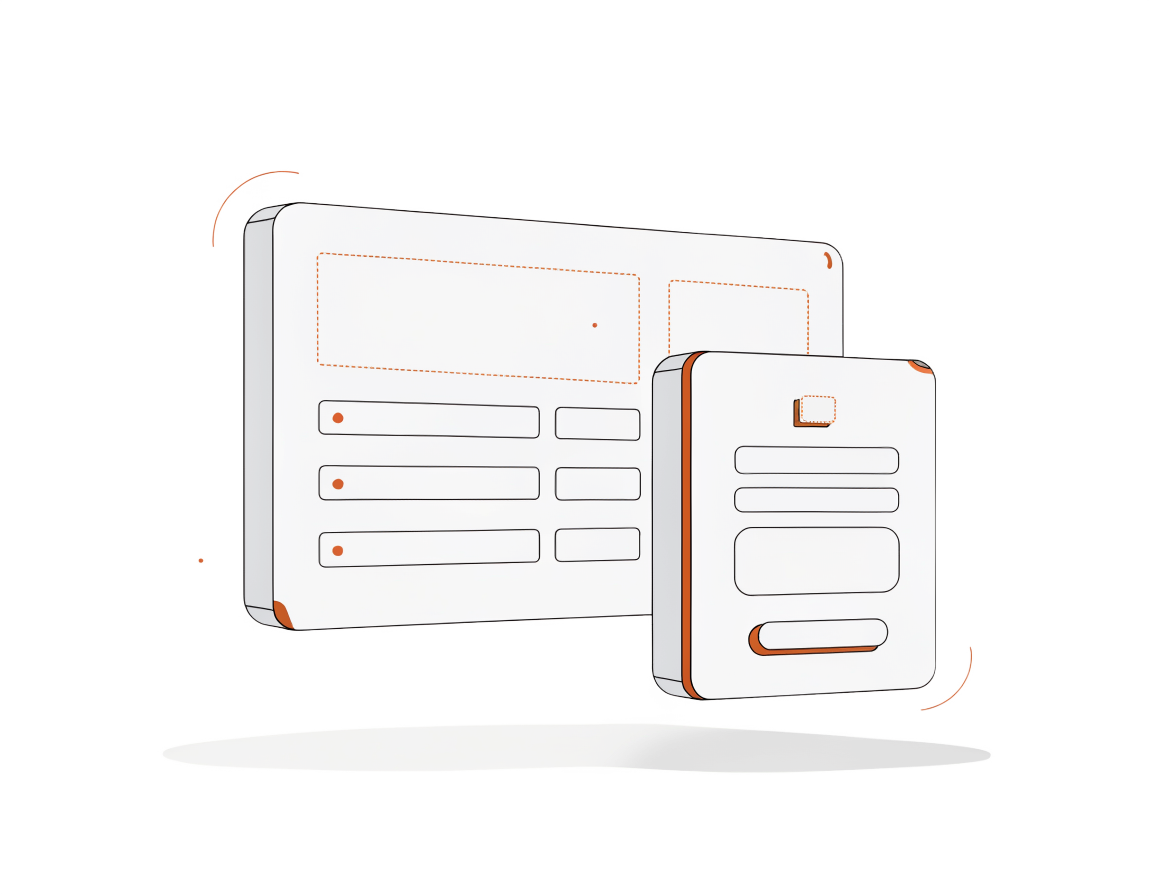
Embedded Checkout — inside a scholarship platform
If you run a scholarship platform, the embedded checkout drops wallet giving into the donor flow through an iframe. Your platform stays the source of truth for applicant verification and award logic; Paymos handles only the payment leg, so the platform keeps a workable take and the student still receives more.
See details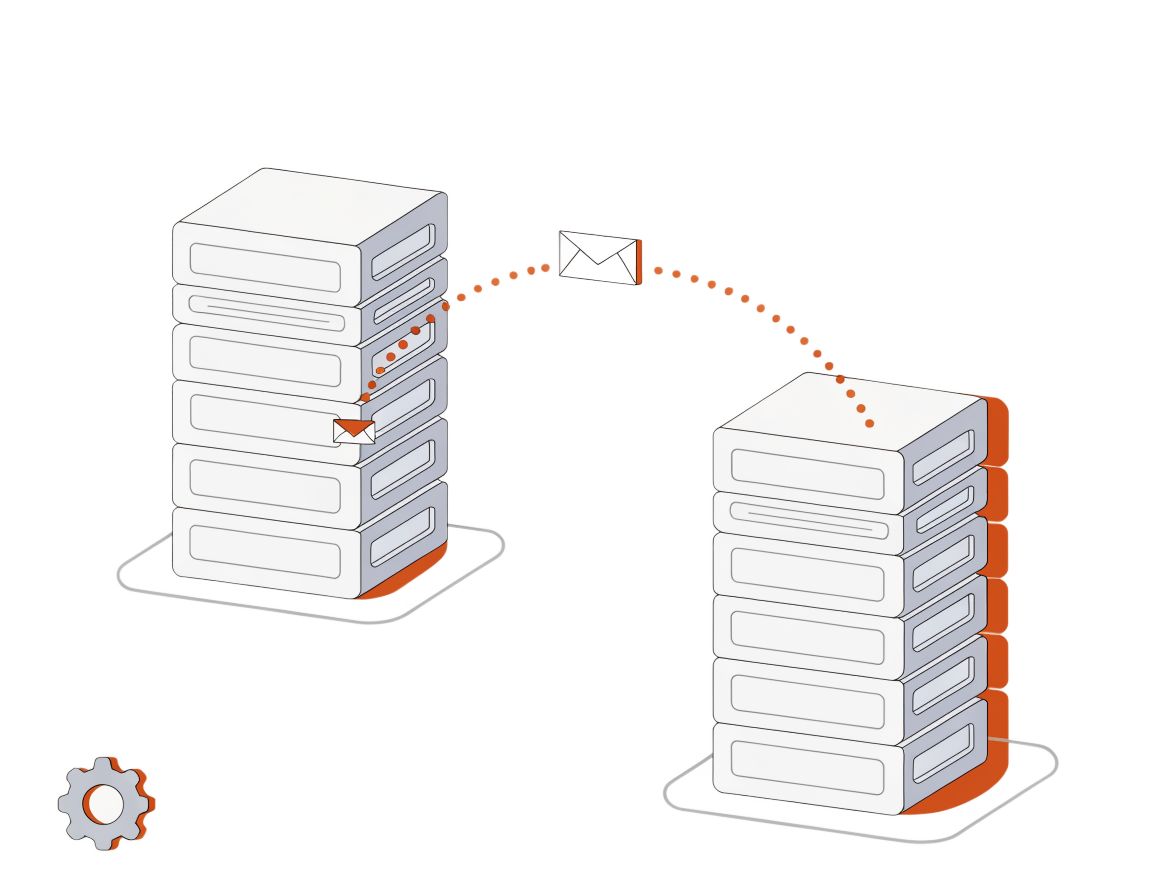
Server-side API — Salesforce, plus outbound awards
On Salesforce or a custom donor system, the REST API drives both legs. Inbound gifts and outbound award disbursements ride HMAC-SHA256-signed webhooks, idempotent on the gift and award IDs you supply. The donate-page webhook writes the gift to your CRM; your award workflow fires an outbound transfer to the student's wallet.
See detailsReal giving and award flows on a wallet
What patterns run cleanly end to end?
One-time appeal, recurring pledge, a named endowment gift, and a direct-to-student award — collected and disbursed the same way.
Homecoming one-time gift — Hosted Checkout
A recent graduate answers the homecoming appeal. She designates the gift to the scholarship fund and pays a dollar stablecoin in two taps; confirmation reaches your system in seconds, and the gift is to your Paymos balance before the acknowledgment letter goes out. No platform share on the way, nothing held back to clear.
Recurring alumni pledge — renewal invoice
An alum pledges to give monthly toward the endowment. Each cycle your system issues a renewal invoice she pays from her wallet — nothing stored to expire, no silent decline, no pull she didn't authorize. The pledge survives the decade it was made for, instead of lapsing the first time a card reissues.
Named endowment gift — Payment Link
A major donor funds a named scholarship. Your gift officer creates a Paymos payment link tagged with the donor's order reference; the donor pays from their wallet, the net amount after processing credits the endowment project’s Paymos balance, and your CRM keys the dedication and recognition off that reference. No platform stands between donor and fund.
Award to a student abroad — server-side outbound
The committee awards a grant to an international student. Your system fires an outbound transfer the moment the award is approved, and it reaches the student's wallet at the payout network's own speed — no wire fee and no currency markup taking a slice on the way. Paymos takes 0 commission on it; the whole cost is a network fee under what that send costs. The student cashes it out to local currency on their own to pay tuition.
Scholarships and education funds on stablecoins
Frequently asked questions
Does Paymos integrate with Salesforce and our donor system?
How do we report scholarship distributions?
What about federal-aid eligibility for awarded students?
Does this work for K-12 fundraising and tuition assistance?
What if an awarded student has no wallet?
Which networks and stablecoins suit gifts and awards?
Honest disqualifier
When NOT to use Paymos for an education fund
Four cases where your existing rail or platform is the better call.
Every gift must land in a bank account
University fiscal policy often demands fiat in a designated account, under endowment and audit rules written for bank money. Paymos settles stablecoin to your Paymos balance — there is no fiat payout to a bank inside it. Converting and booking the funds becomes a process your finance office owns and your auditors sign off on. Until that policy work is done, the card rail is what your controller can approve.
Applicants find your award through a platform
Sometimes the platform is the whole point. If students discover your award there, and you run selection on its verification and award tooling, its fee buys reach and workflow, not only processing. Paymos replaces only the payment leg — and only if the platform integrates it. Standalone, you get a cheaper rail and none of the applicant pipeline.
Your alumni give by card, not from a wallet
Most annual funds run on phonathon pledges, payroll deduction, and saved cards. For most graduating classes, a wallet is not where the money sits, and they won't sign a transaction to give. Run wallet giving as an extra option for the cohorts that do hold crypto — younger alumni, tech-industry donors — and let your existing rails carry the rest of the file.
No one will help recipients onboard
A direct-to-wallet award assumes the student can set up a wallet and cash out for tuition and rent. With guidance that's a small task; without it, a support headache. If neither the aid office nor a partner will walk recipients through it, disburse awards through your existing channel. The inbound gift rail still saves on every alumni gift in the meantime.
Related flows
Other Donations & Non-profits sub-niches on Paymos
Pricing
1.0% to collect a gift. 0 commission to pay the award out
A donated dollar should reach the student rather than the rail it travelled on. Gifts settle at 1.0% with acceptance gas already inside that figure, and the award itself goes out at 0 commission, carrying a subsidised network fee and nothing more. Talk to us about 0.3% from your first gift — the answer rests on how many gifts arrive and what an award costs. A scholarship platform plus card processing often takes several times as much.
See pricing