The viral hour shouldn't be where crowdfunding pledges fall over
Back a campaign with a stablecoin pledge and it lands to your Paymos balance in seconds — the surge settles as fast as it arrives instead of hitting a card processor's limit, a $5 pledge keeps its value with no fixed fee, and a backer can't reverse it weeks later.

Where a pledge thins out before it funds the project
Why does a fully funded campaign net the creator so much less?
The crowdfunding stack costs you four ways at once: the platform's cut, a fixed fee sized for retail, a card rail that buckles in the surge, and refunds that aren't free even when the goal is missed.
The platform's cut stacks on top of card processing
An all-or-nothing platform charges a 5% platform fee plus roughly 3% + $0.20 in card processing on every pledge. Stack the two and a funded campaign hands over high single digits of everything it raised — to the marketplace sitting between backer and project, not to the work the campaign is meant to ship.
A retail-sized fixed fee punishes the small viral pledge
Crowdfunding lives on the long tail — the "I want in" pledge of $5 or $10. On a 2.9% + $0.30 card processor, that flat 30 cents is the whole cost on a coffee, not a campaign: on a $10 pledge the fixed part alone is 3%, and with the percentage on top the pledge gives up close to 6% — a $5 pledge far more. The exact backers a viral campaign is built on are the ones the fee math quietly taxes hardest.
The card rail buckles in the hour you worked for
When a campaign trends, thousands of pledges can hit in a single hour — and a card account carries per-account velocity limits that exactly this traffic trips. A pledge that fails in the viral window rarely comes back, because the window is the conversion. The surge you spent months earning is the moment the rail is most likely to drop the pledge.
A missed goal still costs you the refund fee
All-or-nothing means a campaign that falls short refunds every pledge — and on the card rail the per-pledge fixed fee paid to collect is not returned on the way back out. A campaign with thousands of pledges that never funds still leaves the creator out of pocket, purely for the mechanics of moving money that ended up going nowhere.
What a stablecoin pledge does that a card pledge can't
What changes when backers pledge on-chain?
The surge clears at the speed it arrives, the small pledge survives, no marketplace skims the middle, and nothing claws back once the work has begun.
The surge clears as fast as it lands
Thousands of pledges in an hour settle one by one as they arrive — small tickets confirm in seconds, with no card-account velocity limit standing between the trending campaign and the money. The viral hour fills the campaign balance at the rate backers pledge, instead of becoming the moment the rail starts declining them.

The $5 pledge keeps almost all of itself
A wallet payment carries no fixed per-transaction floor, so the long-tail pledge crowdfunding runs on stops bleeding 30 cents apiece. One flat percentage applies whether the backer sends $5 or $5,000, gas covered inside it — the small contribution that powers a viral campaign finally arrives nearly whole.

No marketplace stands between backer and campaign
The pledge credits the campaign's Paymos balance — no platform fee carved off in transit and no payout schedule deciding when the creator can access what was raised. Settlement is the token the backer sent, held in managed custody until an operator withdraws it to a whitelisted project wallet. No percentage is taken on that withdrawal. Its one cost is a network fee: shown for the route before the transfer goes, priced under what the chain asks, and returned in full if the payout never leaves.
A pledge can't be clawed back once fulfilment starts
On-chain, the backer signs the transfer and it's final — no dispute surfacing weeks later to pull funds out of a campaign already shipping rewards. Choose to refund a backer and it's a transfer you send out manually, on your own terms; Paymos charges its percentage on the pledge that settled, never a second time on the way back.
Three ways to wire pledges into the campaign flow
Which integration fits how you run campaigns?
A no-code button for a single campaign, an embedded step for a platform's own templates, or the full API when you run goal tracking at scale.
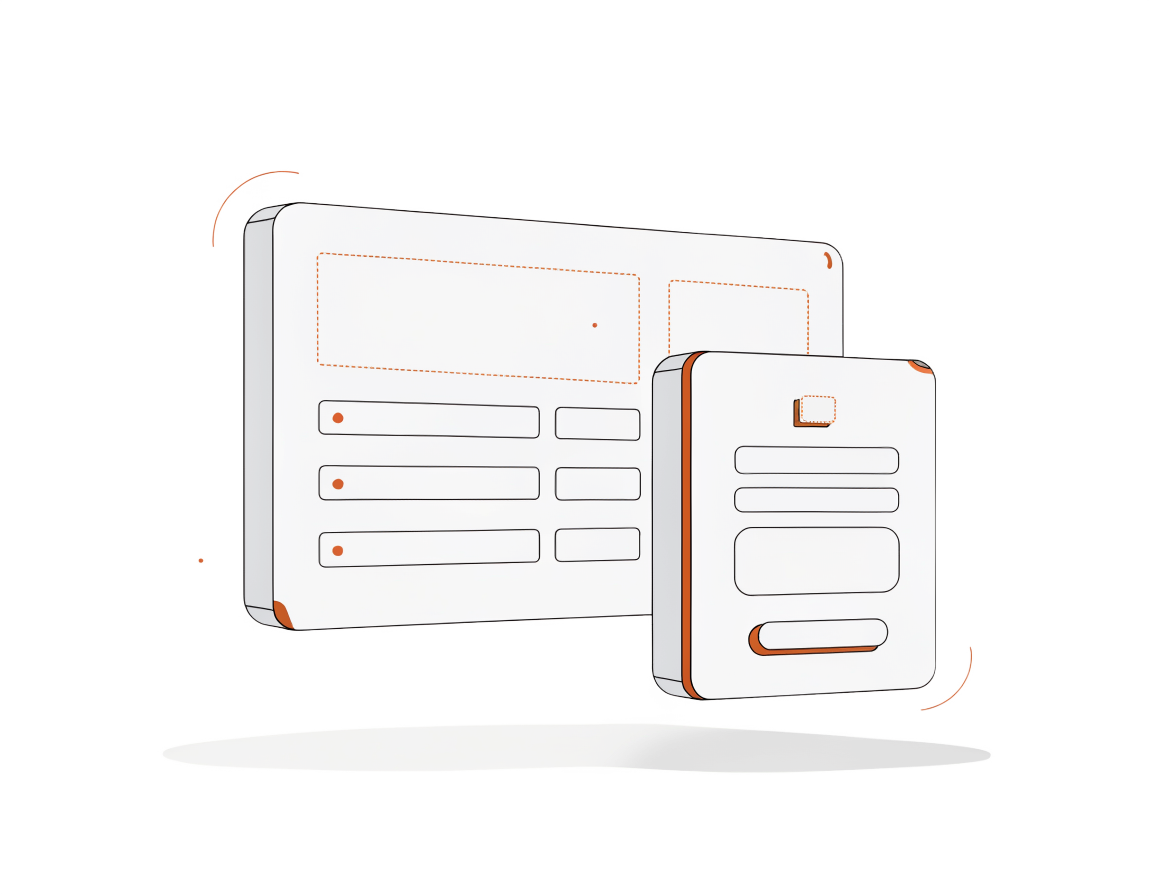
Hosted Checkout — a pledge button, no code
Drop a "Back this with stablecoin" button on the campaign page. You create a Paymos invoice for the pledge and send the backer to a Paymos-hosted page to pay from their wallet; a confirmation webhook returns the amount and your order reference to update the progress bar. No checkout to rebuild, no PCI scope to carry.
See details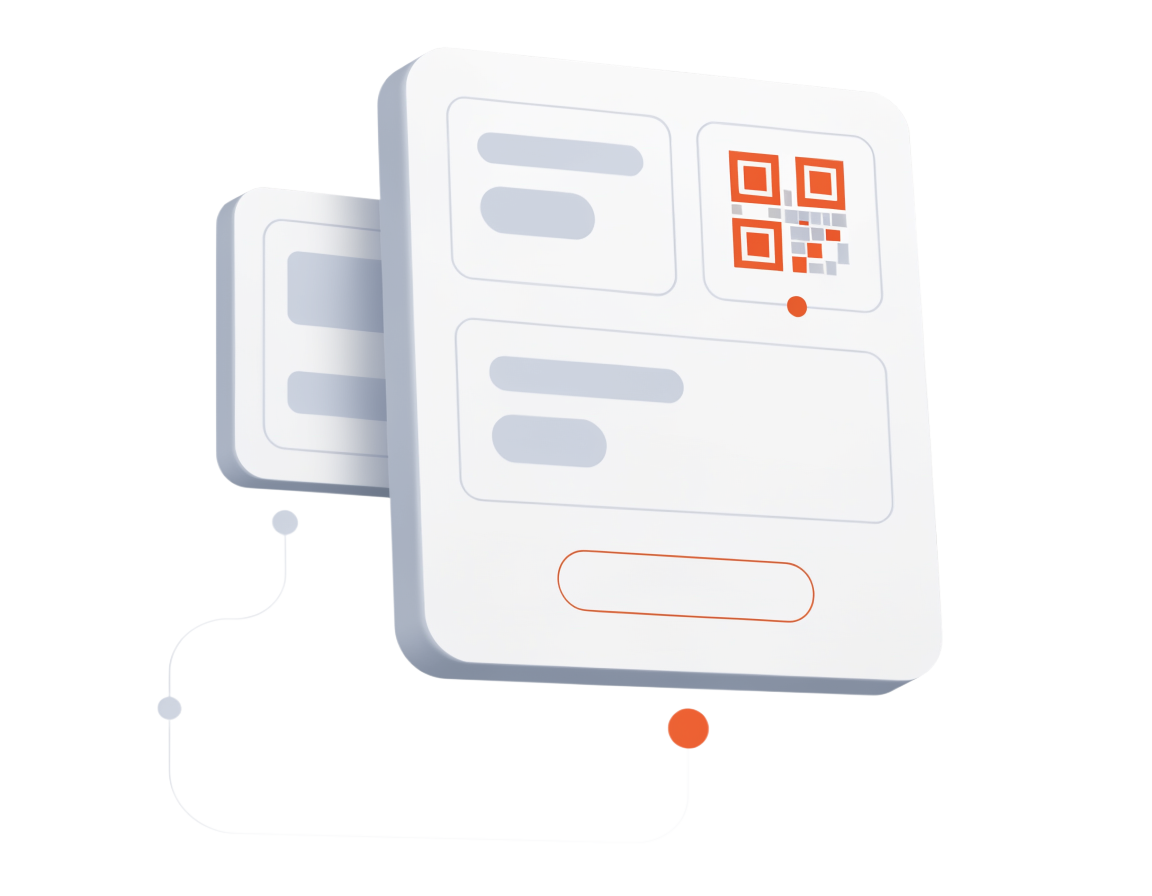
Embedded Checkout — backers stay on the campaign page
Running your own campaign templates? Embed the wallet step inside the existing pledge button with an `<iframe>`. The backer never leaves the campaign page, and your progress bar, backer records, and goal logic all stay in your stack — Paymos owns only the payment leg.
See details
Host-to-Host API — for a platform at scale
Run the whole flow server-side: create a pledge invoice, read campaign balance, and take HMAC-SHA256-signed webhooks the second a pledge confirms, idempotent on the `external_order_id` you already use for the pledge. On a missed goal you trigger refunds as outbound transfers from the dashboard or API. The campaign board stays live through the surge.
See detailsHow real campaigns run the wallet rail
What campaign types run cleanly on a wallet?
A small-donor surge, a single large backer, the moment the goal lands, and a creator's ongoing membership tier — one flow each, with the integration that fits.
Small-pledge surge — Embedded Checkout
A medical-emergency appeal breaks out and thousands back it with small pledges across a single day. Every one confirms to the campaign balance in seconds — no fixed fee gutting the $5 tickets, no issuer's per-account cap throttling the spike. The faster the campaign trends, the faster the balance fills.
Single large backer — Hosted Checkout
One supporter commits a top tier worth far more than the average pledge. They pay from their wallet on the hosted page, the net amount after processing credits your Paymos balance on confirmation, with no additional fundraising-platform percentage of the campaign — nor a payout schedule holding it for days before the creator can use it.
The goal lands — server-side webhook
The campaign clears its target. The confirming pledge's webhook fires your "funded" workflow — close the goal, kick off fulfilment, generate the backer report. The money is already on the campaign balance, settled pledge by pledge, not waiting behind a platform-then-processor payout queue.
Ongoing membership tier — renewal invoice
A platform with creator-membership tiers bills each cycle with a fresh renewal invoice the supporter pays from their wallet. Nothing is pulled automatically — no card sits on file to expire and no mandate stays open, so a member renews by paying and lapses by letting the next invoice pass. The base holds through the card-reissue churn that quietly drains card-billed memberships.
Crowdfunding on stablecoins
Frequently asked questions
All-or-nothing campaigns — where do pledges sit until the goal is met?
What's the chargeback exposure on a viral campaign?
Can we keep cards running alongside the wallet rail?
How is the campaign creator verified before they receive funds?
Which networks and stablecoins suit a high-volume campaign?
Does Paymos handle the creator's tax obligations?
Honest disqualifier
When NOT to use Paymos for crowdfunding
Four cases where a mainstream platform or the card rail is still the right tool for the job.
Discovery is what funds your campaign
If most of your money comes from strangers browsing a campaign marketplace, the platform's cut is the price of that storefront — and Paymos brings no backers of its own. It's the rail under a campaign whose audience you already have. Launch where the browsers are when discovery is the engine, and run the wallet rail for the community that already follows the project.
The pledge converts on a refund guarantee
What tips a hesitant backer over the line is often the safety net itself: a card they can dispute and a platform that polices campaigns that don't deliver. An on-chain pledge is final once it confirms, and a refund happens only because you choose to send one. If "risk-free pledge" is the promise doing your conversion, the card rail is the thing carrying it.
Your platform needs the fee split to happen at payment
Paymos has no sub-merchant accounts and no automatic splitting — it won't carve a platform fee out of each pledge and route the rest onward in one move. Pledges land in a single balance, and payouts to creators are transfers you trigger and reconcile yourself. If your marketplace ledger depends on Connect-style splits at the instant of payment, a card PSP with sub-accounts still owns that piece.
The impulse backer who taps once and leaves
The smallest pledges are a mood — a clip, one tap, gone. That backer won't stop to open a wallet and sign a transfer, and at a dollar the fee math was never what decided it. Keep a one-tap card path for the impulse tier and reserve the wallet rail for the pledge levels where the backer has genuinely chosen the project.
Related flows
Other Donations & Non-profits sub-niches on Paymos
Pricing
1.0% a pledge — same rate at $5 or $5,000, no fixed fee, gas included
One flat percentage on every pledge, with the backer's gas covered inside it. No platform fee on top, no fixed component on the small ones. Drawing the raised funds down costs nothing extra — no share is taken from that transfer, and its network fee is subsidised and quoted before it goes. We go down to 0.3% on how many pledges land and what they total; ask from your first campaign. An all-or-nothing platform plus card processing hands over high single digits of each pledge.
See pricing