Get sponsored for open source without a company to incorporate
A maintainer with a wallet can take sponsorship at a crypto checkout, in USDT or USDC. No US entity, no supported-country check, gas covered inside one 1.0% fee — the support credits your Paymos balance wherever you code, and a confirmed contribution can't be clawed back.

The structure between a sponsor's intent and the maintainer's wallet
Why is sponsorship the hard part of being a maintainer?
Four obstacles sit between a willing sponsor and a working maintainer — the host's billing layer, an entity gate, incorporation that never pays for itself, and renewals tied to a card's lifespan.
A fiscal host bills for the right to be sponsored
An unincorporated maintainer needs a legal entity, bookkeeping, and receipts before sponsorship can flow at all — and a fiscal host supplies that for a subscription, a per-collective charge, a per-expense charge, the host's own percentage, and card processing underneath. Each layer is defensible on its own; stacked, they mean a sponsor's contribution arrives noticeably lighter than it left.
Whether you can be paid at all depends on your passport
The largest sponsorship platform charges no fee, yet its availability is decided country by country and the entity types it accepts change with the market. An individual qualifies in some places; in others only a registered business does; in plenty of active developer regions the answer is still "not yet." For much of the world's open-source talent this is a gate, not a price — and no rate cut opens it.
Incorporating for a few hundred a month loses money
Stand up a US company to receive modest sponsorship and the bill arrives before the income does: formation, an annual filing, a registered agent, and — for a non-resident — foreign-account and tax reporting on top. Below a certain volume the compliance overhead exceeds the sponsorship, so a maintainer either turns the money away or routes it through a structure that eats most of it.
A recurring sponsor lasts as long as their card does
Card-funded recurring sponsorship sheds a share of its cohort every year to expiry and reissue — the involuntary churn every subscription business knows. Nothing about the project changed and the sponsor never decided to leave; a 16-digit number rotated and the renewal silently failed. A multi-year commitment is quietly capped by the card-replacement cycle. (Compared side by side in Pricing.)
What sponsorship looks like once the wallet is the destination
What does a stablecoin sponsorship rail remove?
Four obstacles fall away the moment a sponsor pays the maintainer direct — the billing layer, the entity gate, card-cycle churn, and the clawback window.
The contribution arrives at the project, not a platform
A sponsor pays the maintainer directly. Nothing sits in the path billing a subscription, a per-collective charge, or a host percentage, and no payout calendar decides which Friday the money appears. One 1.0% fee covers the gas as the funds move; the project keeps the rest and controls it the instant it settles.

A wallet address is the only thing you need to qualify
Open an account, receive USDT or USDC at dollar-equivalent value, and skip the US bank, the US company, and the supported-country check that lock out most of the world's developers. Paymos asks for no business documents and screens no one to start. Local income tax on what you receive stays yours to handle — the same as a freelance invoice — but the entity gate is gone.
A renewal outlives every card a sponsor will ever hold
A sponsor commits for the month, and each cycle your tooling raises a fresh invoice the sponsor pays from their wallet — every payment customer-initiated, nothing pulled automatically. No stored card to expire, no failed-payment sequence chasing a decline, no standing authorization. The relationship runs between sponsor and project, and it ends only when the sponsor decides it does.

Once it clears, the support is the maintainer's to keep
An on-chain contribution is final at confirmation — no dispute surfacing weeks later to reclaim money the maintainer has already spent on rent. Bounties, one-off thank-yous, and corporate sponsorships all settle the same irreversible way. If a refund is ever warranted, the maintainer sends it back as a manual outbound transfer, on their own terms.
Wiring the rail into a README, a project site, or a platform
Which integration matches how you collect sponsorship?
Three ways to add a wallet rail — from a single link in a README to the API a sponsorship platform builds on.
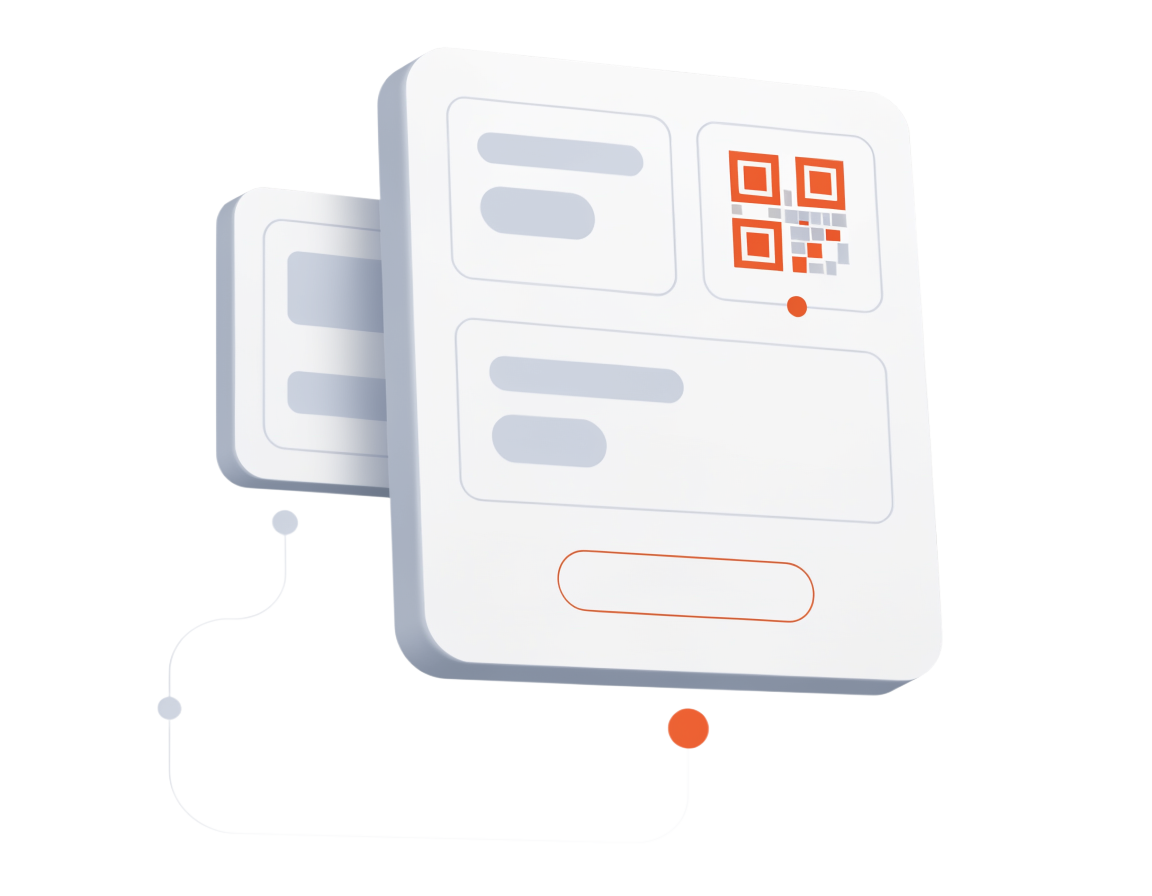
Hosted Checkout — a sponsor link for any README
Drop a "Sponsor in stablecoin" link into your README, docs, or profile. The sponsor opens a Paymos-hosted page, chooses an amount, and pays from their wallet; the funds settle to the maintainer and a confirmation webhook carries the amount and your reference. Nothing to rebuild, no PCI scope to carry — a live sponsor rail the same afternoon.
See details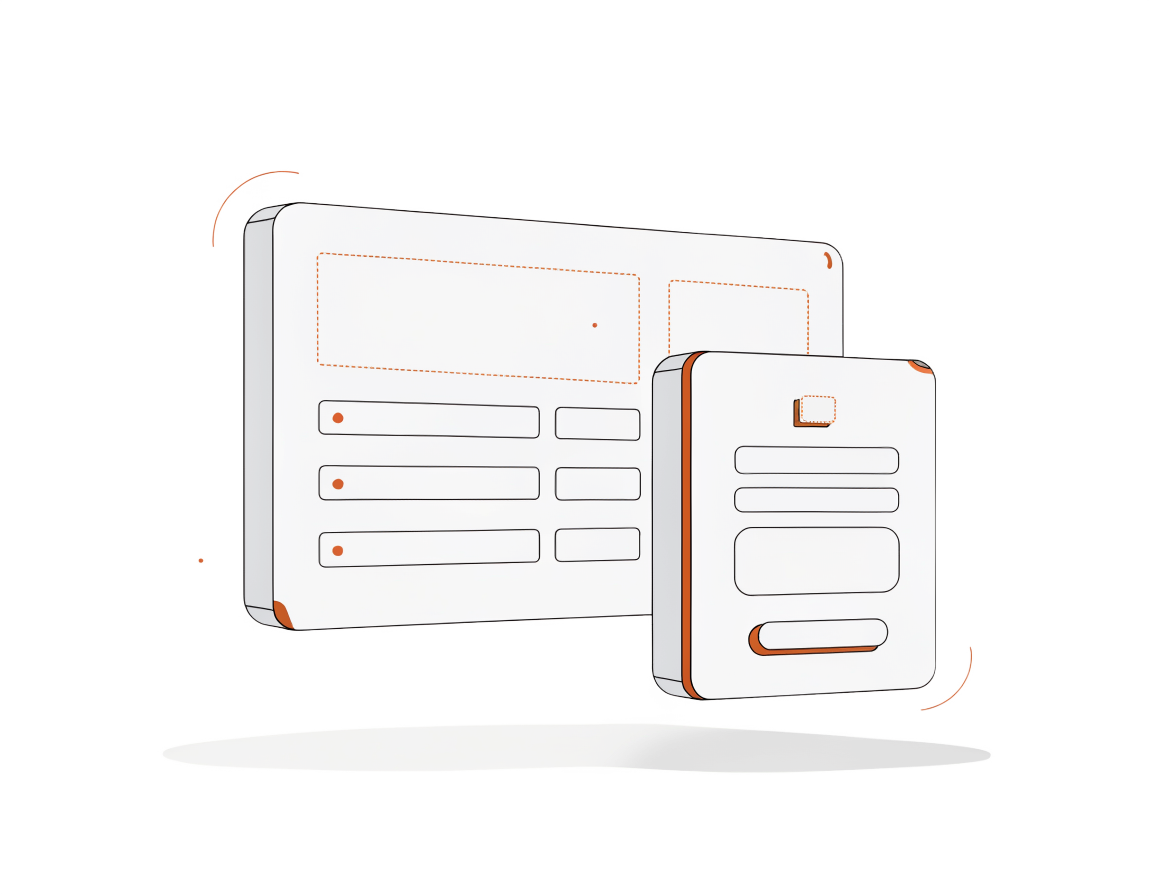
Embedded Checkout — keep sponsors on the project site
A project running its own sponsorship page drops the wallet payment inline through an iframe, so the sponsor never leaves your domain. Where a project funds several maintainers, your own backend decides how the received amount is divided and pays each from its balance — Paymos handles the acceptance leg, your ledger owns the allocation.
See details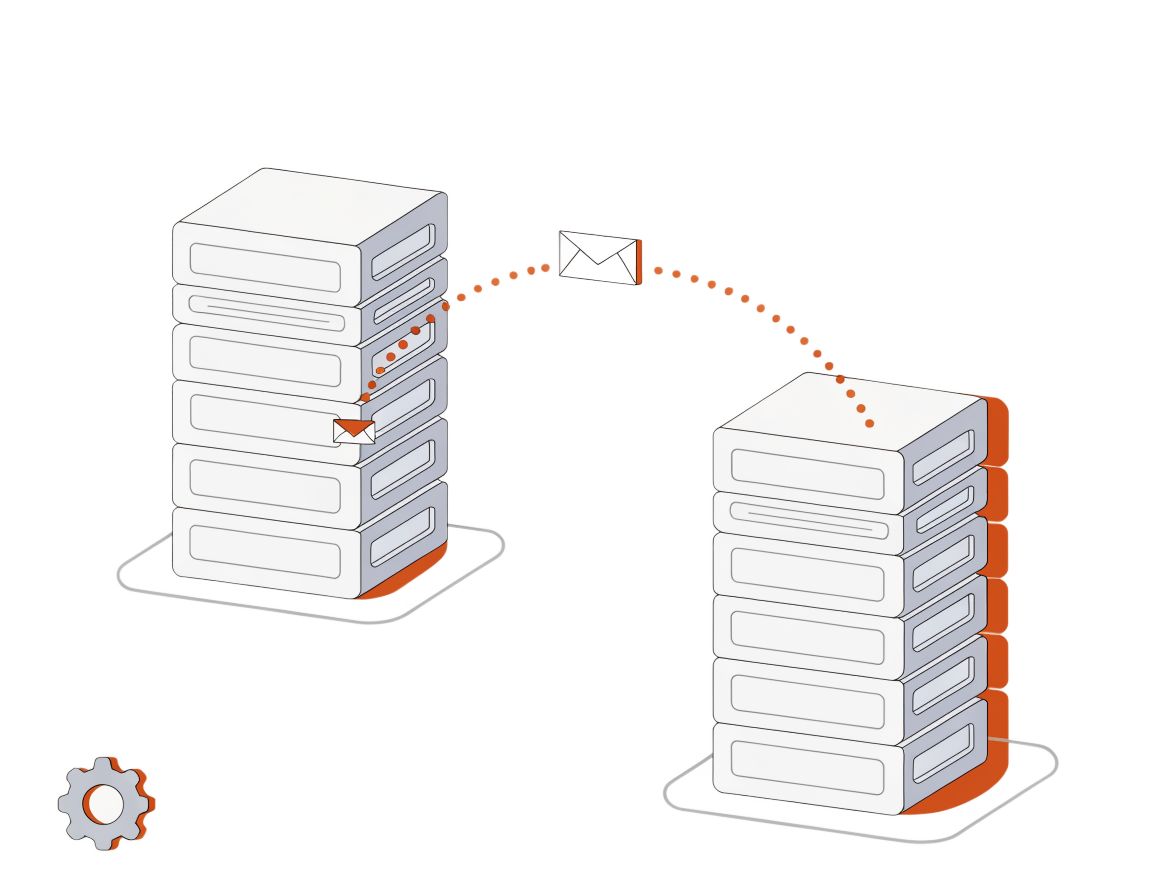
Host-to-Host API — for a fiscal-host alternative
A platform offering sponsorship as a service builds on the REST API: create an invoice per contribution, drive the renewal cycle from your own scheduler, and reconcile against HMAC-SHA256-signed webhooks while per-project allocation lives in your ledger. Run the experience on a 1.0% rail instead of a subscription-plus-host-plus-card stack, and keep a sustainable margin while the maintainer still nets more.
See detailsSponsorship patterns that already run on a wallet
Which kinds of sponsorship settle cleanly on-chain?
Four flows maintainers run today — a monthly backer, a paid bounty, a corporate sponsorship, and a one-off thank-you.
Monthly backer — a fresh invoice each cycle
A developer backs the library their production stack depends on. Each month your scheduler raises an invoice they settle from their wallet, landing straight in the maintainer's balance — no card on file to decay, no bounced-renewal notice, no standing pull on the sponsor's account. The cohort stops thinning on reissue, so the lifetime value of a backer holds instead of leaking.
Paid bounty — a Payment Link on the issue
A company puts a bounty on an open issue; a contributor ships the fix and the maintainer merges it. The company opens a payment link, and the bounty credits the maintainer's Paymos balance after confirmation and the processing fee — nothing held behind a payout schedule, nothing skimmed by a host in between. The money is free to fund the next piece of work the moment it clears.
Corporate sponsorship — a Payment Link the sponsor pays
An enterprise commits an annual sponsorship to a project it depends on. A payment link goes to the sponsor's finance team, the company pays from its corporate wallet, and the full figure arrives to your Paymos balance with no host taking a slice on the way. Across a base of enterprise sponsors, what a fiscal host would have absorbed funds visible work instead.
One-off thank-you — the hosted sponsor page
After finding the fix, the developer opens the hosted donation page and pays the invoice from their wallet. Confirmation credits the maintainer's Paymos balance and works for contributors whose cards are not accepted by the existing sponsor platform.
Sponsorship, entities, and tax — the questions maintainers ask
Frequently asked questions
Do I have to register a company to receive sponsorship?
How would a platform build a fiscal-host alternative on this?
Can a corporate sponsor deduct this with no charity in the chain?
What if I want to end up in local currency, not stablecoins?
Does this replace the sponsorship platform I already use?
Which networks and stablecoins do sponsors tend to use?
Honest disqualifier
When NOT to use Paymos for OSS sponsorship
Four cases where a discovery platform, a fiscal host, batching, or a plain fiat invoice is the better answer.
The inline sponsor button is what brings sponsors in
If your sponsorship arrives because a button sits on every page next to the stars and forks, the platform's discovery is doing the work. Paymos surfaces nothing to a browsing developer; it serves the sponsors you can already reach — in your README, your docs, your release notes, your community. Keep the inline button where it converts, and add a wallet link only for the sponsors it can't accept.
You need the host's legal entity, not only a way to get paid
A fiscal host gives an unincorporated project an entity, receipts, budget transparency, and expense approval — these are services, and Paymos provides none of them. Paymos moves money; it does not become your legal wrapper. If grants and institutional donors require an entity and a receipt on the receiving end, keep the host and run the wallet rail alongside it for the sponsors who only want to pay the project.
You live on dollar-a-month sponsors spread across dozens of repos
The portfolio sponsor funds fifty projects from a single recurring card debit. Nobody signs fifty separate wallet payments a month, and this rail can't batch inbound contributions — every payment is initiated by the payer, one at a time. That micro-spread segment belongs where the card debit can fan out automatically. The wallet earns its place on the named backer, the corporate tier, and the bounty — sums worth signing one by one.
Your enterprise sponsors pay by wire through accounts payable
Plenty of corporate sponsorships clear through an AP team that settles vendor invoices by bank transfer and has no wallet to sign from. Paymos takes stablecoins only — it cannot receive that wire, and there is no fiat funding step inside it. When your sponsor base is procurement rather than developers, invoice them on the rail they can pay, and reserve the wallet for the companies running a crypto treasury.
Related flows
Other Donations & Non-profits sub-niches on Paymos
Pricing
1.0% on a settled contribution — gas in, no host or subscription on top
The rate holds whether a sponsor sends $5 or $5,000. No company needed to receive, and Paymos takes 0 commission when you withdraw — a subsidised network fee is the only line on it. 0.3% is decided case by case, on how many contributions come through and what they total, from your first sponsor on. A fiscal host plus subscription plus card processing routinely takes several times as much.
See pricing