Stop letting an acquirer decide who you're allowed to back
Raise for a political campaign on a rail no processor can switch off mid-cycle for the cause you serve. Supporters pay a dollar-stablecoin invoice, and the contribution credits the campaign's Paymos balance after the required confirmations without an additional fundraising-platform percentage, and once it confirms on-chain no donor's bank can reverse it.

Where the rail decides what a contribution is worth
Why does a small-dollar contribution fund less of the race than the donor intended?
The campaign-finance stack works against you four ways: a processor that can cut you off for your cause, the platform's per-gift cut, an unusually high dispute rate, and a card rail that throttles the first hour after a news beat.
A processor can switch you off for the cause itself
An acquirer sets its own acceptable-use rules. A campaign or advocacy group outside the mainstream can find the account restricted, the balance held, or service withdrawn — not over fraud, but over who it is and what it argues for. When the rail itself decides you are too contested to serve, the whole fundraising operation runs on one third party's tolerance for your politics, and that tolerance can change overnight.
The contribution platform bills the race for every gift
The dominant small-dollar platforms take a percentage off the top of each contribution, processing folded in — roughly 3.9% on the leading partisan rails on both sides. Across a long run of small gifts that compounds into a field organiser's salary or a week of late-cycle digital, handed to the platform instead of the race. The rate rarely drifts down across a cycle.
Political giving draws disputes ordinary retail never sees
Contributions attract a heavy share of "I don't recognise this charge" claims. A donor forgets a heated late-night gift, a spouse contests it, or a recurring pledge gets disowned after the candidate says something. Each dispute costs the contribution amount, a per-case fee, and staff time to answer it — and a climbing dispute rate can push the whole account into a higher-risk processing tier that taxes every donor after.
The card rail throttles the hour your message lands
A debate moment or a breaking-news appeal converts in its first hour, when the open rate peaks. That is exactly when thousands of small contributions hit at once and a card account meets the per-account velocity ceiling its processor enforces. A gift that declines in that window almost never returns, because the urgency that drove it has already passed. The surge you earned becomes the moment the rail starts refusing money.
What the wallet rail does that an acquirer won't
What changes when contributions settle in stablecoins?
Four parts of contribution processing that remain under the committee's operational control.
No acquirer stands between your cause and the gift
Paymos does not vet merchant categories or decide which campaign may operate. A confirmed contribution credits the committee’s Paymos balance. Eligibility checks, donor records, limits, filings, and sanctions compliance remain the committee’s responsibility.

A clear processing rate for every contribution
Standard processing is 1.0%, and the network cost of accepting the contribution sits inside it. The net contribution credits the committee’s Paymos balance, with no fundraising platform taking a percentage on the way through.

The first-hour surge settles at the speed it arrives
Each contribution confirms independently under the policy for its network and amount. Smaller contributions on fast networks clear first; larger contributions wait for stronger finality.
A confirmed contribution can't be clawed back
On-chain, the donor signs the transfer and it is final. No "I don't recognise this charge" dispute surfaces weeks later to recall money the campaign has already spent on a media buy. When a refund is genuinely owed — over the limit, an ineligible donor, a returned gift — the committee sends it as an outbound transfer from its Paymos balance, on its own terms, and Paymos never charges its fee a second time on the way back out.
How campaigns wire Paymos in
Which integration fits your donor operation?
Three ways to add the wallet rail beside the donor flow your committee already files from.
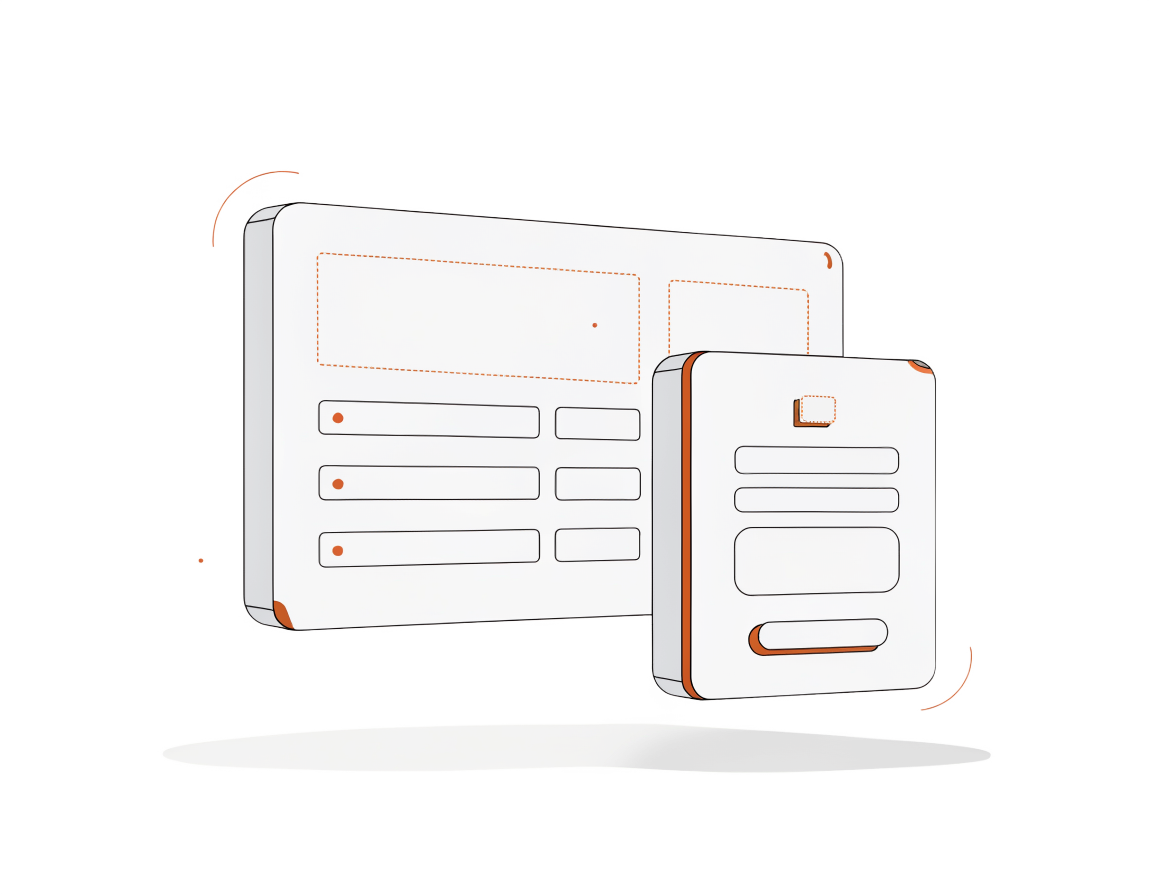
Embedded Checkout — wallet step inside your donate page
Add a "Give with stablecoin" option beside the card form on your existing donate page through an iframe. The donor never leaves your domain. The required disclosure fields — occupation, employer, address — are collected by your own form and travel to your donor-record system with the confirmation webhook. Your pipeline owns the attribution; Paymos owns only the payment leg.
See details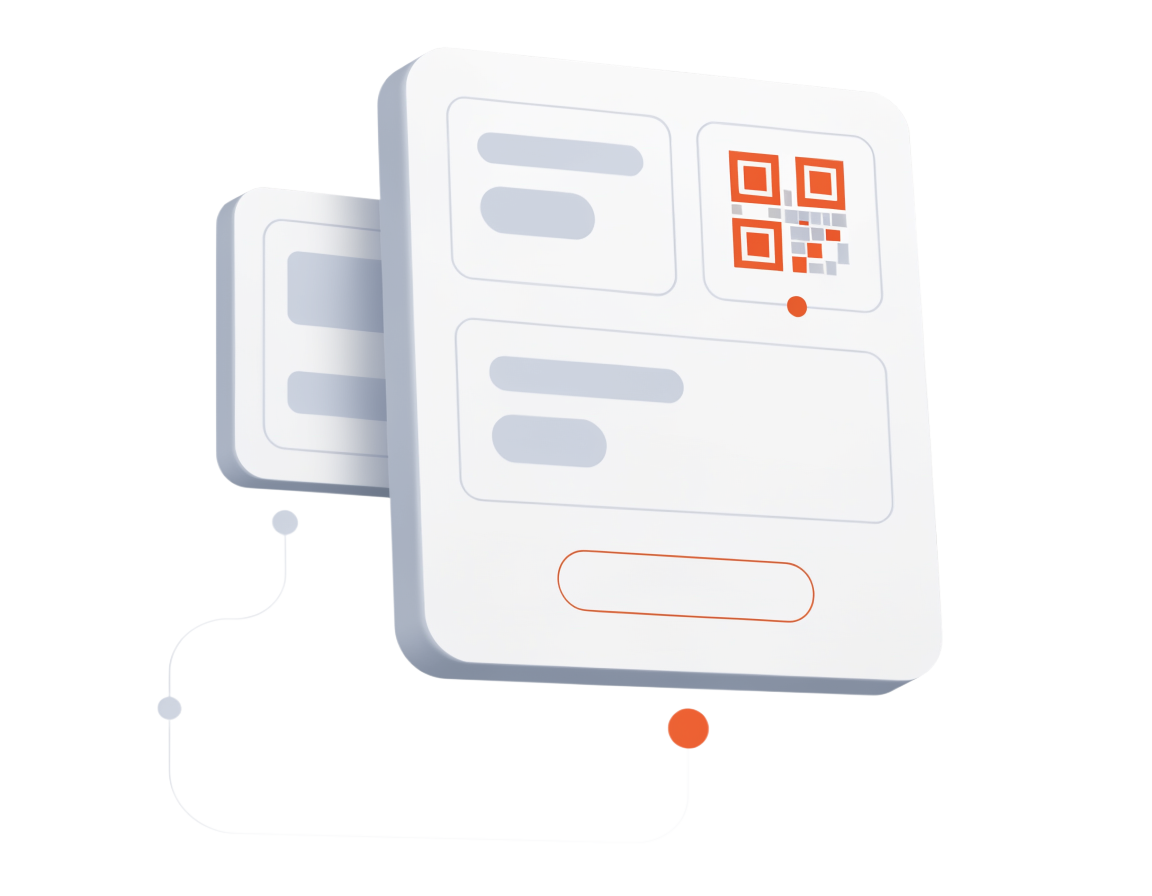
Hosted Checkout — a rail for a committee with no dev team
Use Hosted Checkout when a committee or ballot initiative does not maintain a custom contribution interface. The donor completes the committee's required fields and pays from a wallet; after confirmation, the contribution credits the Paymos balance and the signed webhook updates the disclosure record.
See details
Server-side API — for a campaign on a custom donor system
Run the whole flow server-side from your own donor stack. The REST API opens a contribution, carries your disclosure fields on the record, drives a fresh renewal invoice each cycle for recurring pledges, and lets your system trigger an over-limit refund as an outbound transfer when one is owed — over HMAC-SHA256-signed webhooks, idempotent on the contribution ID you already use, so a retried call returns the same record and never double-counts a gift. The disclosure pipeline reads the same data whether the gift came in by card or by wallet.
See detailsContribution flows on stablecoins today
What giving patterns run cleanly on a wallet?
Four flows from real committees — a grassroots small-dollar gift, a max-out donor, a committee-to-committee transfer, and a monthly sustainer.
Grassroots small-dollar gift — Embedded Checkout
The supporter completes the committee’s required donor fields and pays the invoice from a wallet. After confirmation, the contribution credits the committee’s Paymos balance and the signed webhook links it to the donor record.
Max-out individual donor — Hosted Checkout
For a contribution at the applicable limit, collect the committee’s required declarations before payment. The net amount credits the Paymos balance after confirmation and remains linked to the disclosure record.
Committee-to-committee transfer — Payment Link
A connected committee pays a dedicated invoice from its wallet. The confirmed transfer credits the campaign’s Paymos balance, while attribution and reporting remain in the committee’s own compliance system.
Monthly sustainer — a renewal invoice each cycle
A supporter pledges a recurring gift through the closing months. Paymos can't pull a wallet, so each cycle your system issues a fresh renewal invoice the donor pays themselves — nothing on file to expire mid-cycle, no silent renewal failure, no standing debit for a bank to reverse. The recurring base survives the run intact, so the late-cycle outreach you budgeted is still funded when the final weeks arrive.
Campaign fundraising on stablecoins
Frequently asked questions
Does Paymos handle campaign-finance disclosure reporting?
How do we verify donor eligibility on wallet contributions?
Can a donor hide their identity behind a wallet address?
Does this work for cross-border political fundraising?
What about Super PACs, 501(c)(4)s, and 527 organisations?
Which networks and stablecoins do political donors use?
Honest disqualifier
When NOT to use Paymos for political fundraising
Four cases where the card rail — or no crypto rail at all — is the right call.
Your race doesn't permit crypto contributions
Several US states bar or cap crypto contributions, and many countries forbid them for political entities outright. What your race permits is the committee's call, and Paymos doesn't rule on it — the rail behaves the same whether or not your regulator allows the asset. If the answer where you file is no, the economics don't matter; the answer here is no too.
You spend in fiat from a committee bank account
Ad buys, consultants, and payroll get paid in dollars from the committee's bank. Paymos settles contributions as stablecoins on a balance you withdraw to your own wallet — there is no fiat conversion and no bank payout inside the product. Bridging from stablecoin to your spending account is a step your treasurer would own, with its own bookkeeping, in the middle of a race. If that conversion isn't a process you want to run, raise where you spend.
Your volume rides the platforms' matching and email machine
The dominant partisan platforms bring acquisition lists, matching-grant mechanics, and email tooling tuned over many cycles. Paymos is a rail; none of that ships with it. If those products are what drive your contribution numbers, their rate is paying for real infrastructure — add the wallet option beside them rather than abandoning the machine that fills the list.
You convert outrage in the first seconds after a beat
The protest-style micro-gift closes inside the emotional spike, on a one-tap card flow that confirms before the feeling cools. A wallet signature is exactly the pause that loses it, and at five dollars the fee was never the friction. Keep one-tap cards on the rapid-response list, and point the wallet rail at the max-out donors, committee transfers, and sustained giving where the rate compounds.
Related flows
Other Donations & Non-profits sub-niches on Paymos
Pricing
1.0% per contribution, no fixed fee, whatever the size
One rate on a $5 grassroots gift and on a max-out donor alike, gas covered inside it. Withdraw to your committee wallet whenever you choose: Paymos takes 0 on the payout, you cover only a subsidised network fee on the transfer. 0.3% is open from your first filing period: contribution volume and how many donors reach payment are what we read. The leading partisan platforms take roughly 3.9% off the top. The disclosure pipeline stays yours.
See pricing