Sell tours direct, without the cut
Book tours and activities direct in stablecoins, paid to your Paymos balance at checkout — the booking is yours before the group sets out, and no one can claw it back once the experience has run.
Where small-operator margin disappears under booking platforms
Why does a sold-out tour still net the operator so little?
Four ways platforms and card rails thin out tour revenue before you've paid the guides — the marketplace cut, the fee on direct, the weather refund dispute, and the exchange-rate loss charged twice.
The experience marketplaces price commissions high
GetYourGuide now defaults to a 25–30% commission and Viator runs 20–25%, with card processing layered on top. On a typical day tour, that's roughly a fifth to a third of the price gone to the platform before the operator pays guides, venue, insurance, and inventory. Small-tour operators routinely report net margins under 10% after platform fees and direct costs. The flywheel works for the marketplace; the operator's economics are squeezed.
And the card fee stacks on the bookings you DO drive direct
Winning the booking direct doesn't end the fee — it changes who collects it. The marketplace cut disappears and a 2.9% + $0.30 processor takes its place: about $3.17 on a $99 tasting, roughly 3% effective. Far cheaper than 25%, and still a slice off a margin the operator had already run thin.
A weather cancellation can come back as a chargeback
Tour and experience acquiring sits in the elevated-dispute tier. Weather forces a cancellation, you offer a reschedule or partial refund per your terms, and the guest disputes at the card anyway. The up-to-120-day dispute window means a spring booking can chargeback months later — long after you've paid guides for the rescheduled date and committed to inventory. Acquirers price this with surcharges and case-by-case reserves on smaller operators.
International tourists get hit by the exchange rate twice
A boutique operator in Cape Town booking US, German, and Australian tourists pays a processor 1–2% in currency-conversion margin on every transaction — and the guest separately pays their own bank's 1–3% foreign-transaction fee. Two layers of conversion loss on the same booking, and you field the "why is my statement higher than the price" complaint.
How direct bookings work in stablecoins
What changes when the booking settles in stablecoins?
Sell the tour direct on a wallet, not a platform, and four things go the operator's way.
A weather refund is your call — no chargeback path
A booking paid in stablecoins has no dispute channel behind it. Once the guest signs the transfer, there is no panel to override your written weather-cancellation policy. Reschedule, partial refund, full refund — all on your terms and your timeline, not the card network's dispute clock. The issuer's habit of siding with the cardholder — the reason this category runs high-dispute on cards — never gets a vote here.

The money is yours at confirmation, not on an OTA hold cycle
The platforms hold operator payouts on weekly-to-monthly cycles, often tied to tour completion. On Paymos the guest pays and the funds land in your Paymos balance within seconds of confirmation. For an operator paying guides on tighter cycles than the platform pays you, you stop financing the float and become cash-positive within the same booking cycle.

Tourists worldwide pay, with no currency conversion on either side
Price the tour in a dollar stablecoin and each guest abroad pays the same stablecoin they already hold — no currency-conversion margin for you, and no foreign-transaction fee for the tourist. No surprise "why is my statement higher" support email, and the booking that used to fail on a foreign-card decline now confirms in seconds.
Roughly $0.99 to accept a $99 tour, not $3.17
That same $99 tasting costs about $0.99 to accept on Paymos instead of roughly $3.17 on a card processor — and you keep the difference on every booking, with no per-transaction minimum, no high-risk surcharge, and no separate currency-conversion charge.
How operators and marketplaces wire Paymos in
Which integration fits how you sell experiences?
Three ways to take tour and activity payments in stablecoins — from a single-operator page to a marketplace API.
Hosted Checkout — single-operator direct site, no code
The guest picks a tour date, you create a Paymos invoice with the booking details and ticket count, and redirect them to Hosted Checkout. The signed webhook confirms the booking and the payment credits your Paymos balance. This path suits operators that do not maintain a custom payment interface.
See details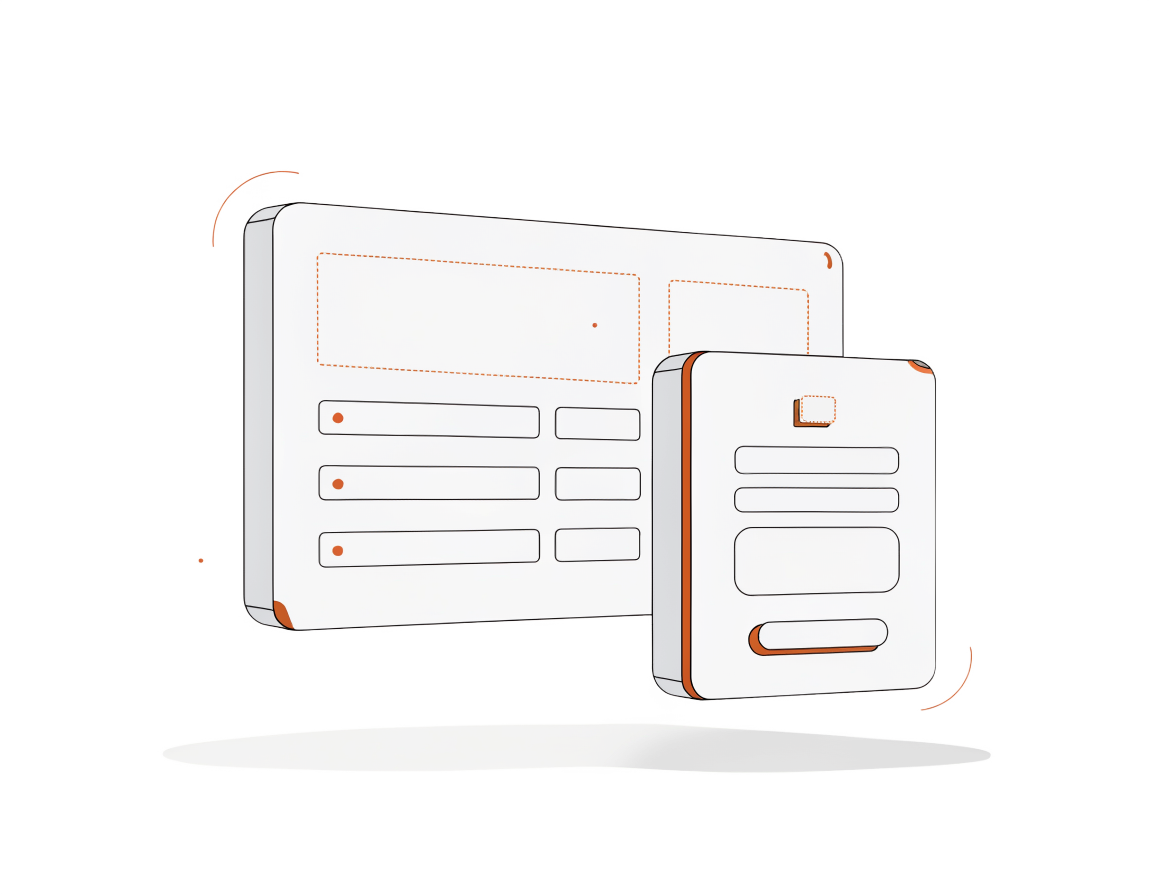
Embedded checkout — booking widget on your site
If you run a custom booking widget — calendar, time-slot picker, group-size selector — the embedded flow handles wallet and network choice inside it. The guest never leaves your domain, and your brand owns the whole booking flow. Useful when the booking experience is the point and the OTA-template look is what you're escaping.
See details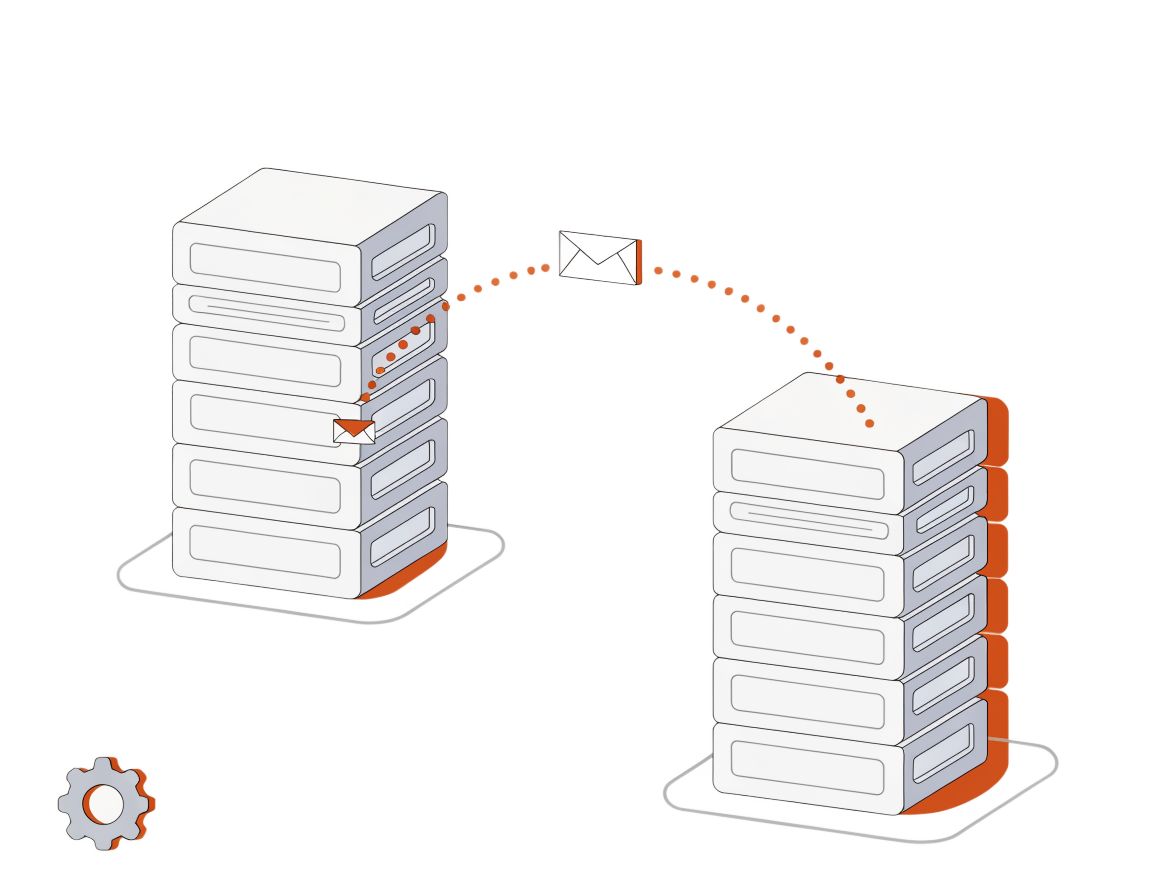
Server-side API — multi-operator marketplace platform
Building a regional tour marketplace? The server-side API gives you create-invoice, watch-confirmations, and signal-confirmed primitives over signed (HMAC-SHA256) webhooks. Operator-level wallet splits are handled with outbound transfers from your platform's Paymos balance — no Stripe Connect, no per-operator KYC contract.
See detailsExperience flows on stablecoins today
What experience patterns run cleanly on a wallet?
Four flows from working operators and marketplaces — single ticket, deposit-plus-balance, milestone, and platform billing.
Single-ticket tasting tour — Hosted Checkout
For a tasting tour, issue the ticket invoice from the booking system. The guest pays from their wallet, and confirmation secures the place before the group departs. The sale does not incur a marketplace commission.
Private guided day-tour with a deposit — Hosted Checkout
A private guided day-tour where you take a deposit at booking and the balance on the morning. The guest signs the deposit today and the balance when it's due — two clean separate payments, no mid-tour card hold to dispute and no surprise balance-charge complaint after the day is done.
Bespoke multi-day expedition — Payment Link milestones
A bespoke multi-day expedition billed in stages — a slice at booking, more a month out, the balance on arrival. You send a payment link from your CRM at each milestone and the client signs each as it falls due. No card on file to expire across a long-lead booking, and each milestone is final once it confirms.
Operator-platform subscription — monthly renewal invoice
A calendar SaaS for indie operators charging a monthly subscription. Each cycle your system issues a renewal invoice the operator pays from their wallet — no card on file to expire and no involuntary churn. The subscription just renews on its own rhythm.
Tours and experiences on stablecoins
Frequently asked questions
How does operator payout compare with an OTA hold cycle?
What happens with weather-cancellation refunds, including same-day cancel-and-reschedule?
Can we run a multi-operator marketplace and split payment to operators?
How does this work for operators in countries with weak card-acquiring?
Does this work for very small add-on experiences like food-tour stops?
Which networks fit the tour-ticket range best?
Honest disqualifier
When NOT to use Paymos for tours and experiences
Four operator profiles where the platform or the terminal still wins.
The marketplace's search results are your only storefront
If GetYourGuide or Viator delivers nearly every guest, the commission is your entire acquisition budget — and switching payment rails recovers none of it. Paymos cuts the cost of the bookings you drive yourself: your site, your socials, your repeat guests. Until that channel exists, the platform fee is the price of being found.
You need bookings split automatically between operators
Paymos settles each booking whole, as a single credit to your Paymos balance. A marketplace that needs every payment divided at the source — operator share here, platform fee there, instantly — is describing Connect-style sub-accounts, which this rail doesn't have. You can still pay operators yourself: in the dashboard, one payout run goes out to several whitelisted wallets at once, rather than a transfer started by hand for each. What stays on your side is working out who is owed what, and the bookkeeping behind it.
You sell by the pier, in cash, with no booking page
A walk-up tour business running on cash and a local card terminal has no online checkout for Paymos to improve. The wallet rail starts paying off the day you take your first direct online booking — before that, there is nowhere to plug it in. A basic booking page comes first; the rail question comes second.
Impulse add-ons at single-digit prices
A $9 food-stop add-on sells in the three seconds the guest is already excited, and any extra screen kills it. A wallet payment is a deliberate act, and deliberation is what an impulse buy can't survive. Let cards carry the add-ons and bring the wallet out for the planned, higher-ticket experiences where its economics actually show.
Related flows
Other Travel & Hospitality sub-niches on Paymos
Pricing
1.0% per settled booking. No OTA commission, no exchange-rate margin
The $99 tasting and the $5,000 bespoke expedition are charged on the same basis, and guiding is not treated as an elevated-risk trade, so no surcharge lands over the top. Paying the guides out of that balance is not a second transaction to us: no percentage on the withdrawal, and the network fee on it subsidised and quoted before you send. 0.3% is the lower rate, granted on seat count and the average ticket — ask from your first season. Operators sell a great many small tickets, and the fixed leg of a card fee is what makes that hurt: on that $99 tasting a 2.9% + $0.30 processor takes roughly $3.17 against about $0.99 here.
See pricing