Bill small travel-insurance premiums without the fee drag
Renew cover on an invoice paid at a crypto checkout from the traveller's wallet in stablecoins — there is no stored card to expire mid-trip, and a settled premium can't be reversed when a claim is later disputed.

Where broker margin leaks on small recurring premium
Why does a small monthly premium cost so much more to collect than it should?
Four ways card rails thin out travel-insurance premium — the fixed fee at a small ticket, card-expiry churn, claim-denial reversals, and currency conversion on global policyholders.
The fixed per-transaction fee crushes a small premium
On a standard 2.9% + $0.30, a $42 four-week nomad premium costs about $1.52 to collect — roughly 3.6% effective, because the fixed fee alone is a real chunk at this ticket size. The unit economics that work for a $200 monthly subscription don't work for a $42 monthly premium, and the broker ends up paying several times the percentage a high-ticket merchant pays.
Card-expiry churn breaks multi-year cover
Digital-nomad and expat plans run on 12–24 month recurring authorisations, while card networks rotate card numbers on a roughly three-year cycle. Account Updater services catch most replacements but never all of them; the rest hit "card declined" at renewal mid-trip. The customer is abroad when the renewal fails, doesn't see the email until they find wifi, and cover lapses exactly when claim risk is real.
Claim-denial chargebacks reverse premium after cover is consumed
Insurance acquiring sits in the monitored-dispute tier because policyholders dispute denied claims at the card panel after losing at the carrier appeals desk. The cardholder argues "service not received," the issuer pulls the premium back, and the broker keeps the now-uncovered risk on the books. The up-to-120-day dispute window means a spring policy with a summer claim denial can chargeback months after the term ended.
Currency-conversion margin on global policyholders compounds every cycle
A specialty broker selling nomad cover in 60+ countries pays 1–2% in cross-currency margin on every premium, plus separately negotiated acquirer agreements per jurisdiction. The Argentine policyholder paying a dollar-priced premium with a peso card costs the broker a conversion loss on the premium and on every renewal — every month, for the policy life.
How premium collection works in stablecoins
What changes when the premium settles in stablecoins?
Collect the premium on a wallet, not a card, and four small-ticket problems clear.

No card on file to expire — multi-year cover renews cleanly
Each cycle your broker system issues the renewal invoice and the policyholder pays it from their wallet — no card number to rotate, no expiry, and no issuer Account Updater to depend on. Cover never lapses because a card silently rotated; the only thing that ends it is the policyholder choosing not to pay the next invoice. Nothing is stored, and there's no standing charge against their wallet.

A settled premium can't be reversed after a claim denial
A stablecoin payment has no chargeback mechanism, so the "service not received" path the cardholder uses to reverse premium after a denial isn't available. The policyholder's recourse is the carrier appeals desk and applicable regulator, not the issuer's dispute panel. Refund decisions stay governed by the policy terms — your contract, your timeline, your refund window.

Global policyholders pay, with no currency conversion on either side
The Argentine nomad, the German expat, and the Korean cruise insured all pay a dollar stablecoin that lands on the same Paymos balance at the same rate. No cross-currency conversion margin, no per-jurisdiction acquirer agreement, no holding-currency mismatch — you handle currency conversion only on the carrier-payable leg, on your own treasury schedule.

Roughly $0.42 to collect a $42 premium, not $1.52
That same $42 four-week premium costs about $0.42 to collect on Paymos instead of roughly $1.52 on a card processor — there's no fixed per-transaction fee, no high-risk surcharge, and no separate currency-conversion fee, and the sticker premium your policyholder sees doesn't change. You keep the difference on every renewal.
How brokers wire Paymos into quote-to-bind
Which integration fits your broker management system?
Three ways to wire stablecoin payments into your premium flow.
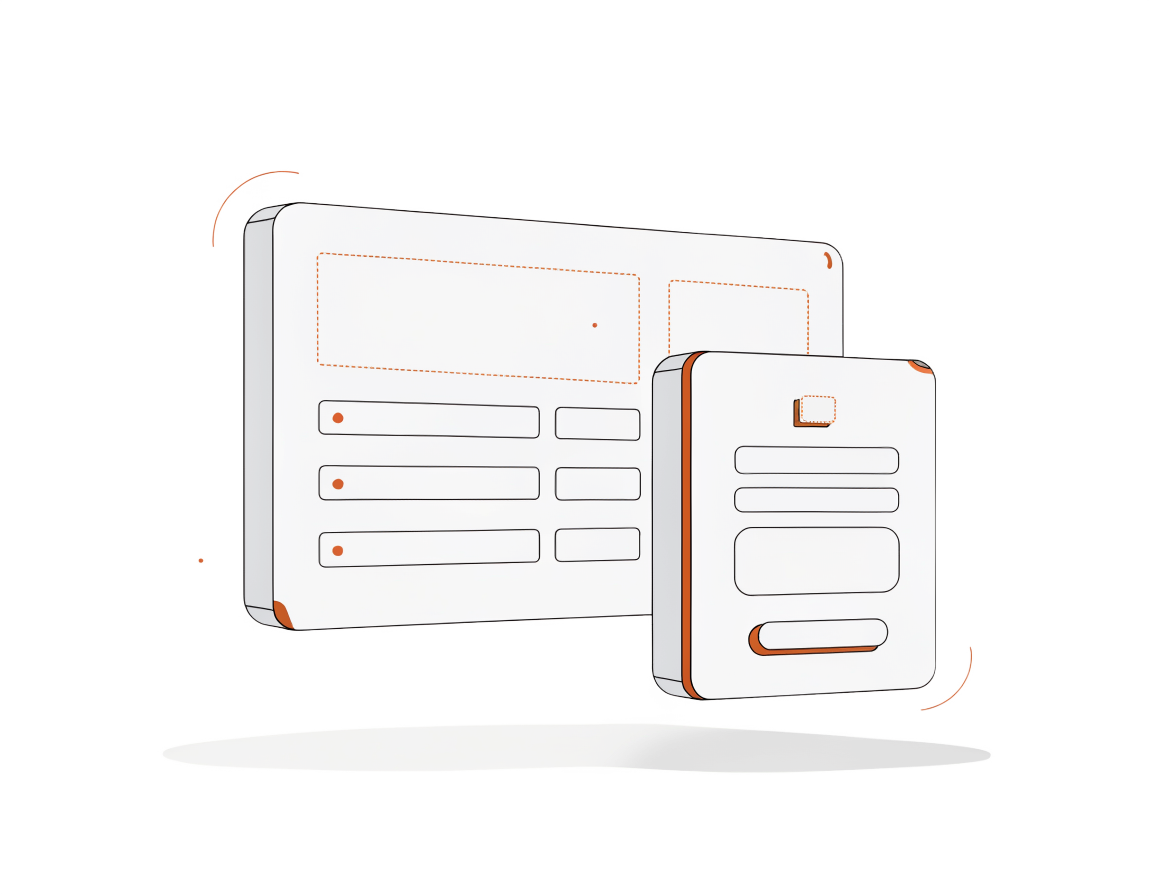
Embedded checkout — quote-to-bind on the broker site
The customer runs the quote on your site, picks a coverage tier, and hits "pay premium." The embedded flow handles wallet selection, network choice, and the premium payment without leaving your domain. Your broker management system stays the source of truth for policy issuance, schedule, and renewal calendar — Paymos handles the premium rail.
See details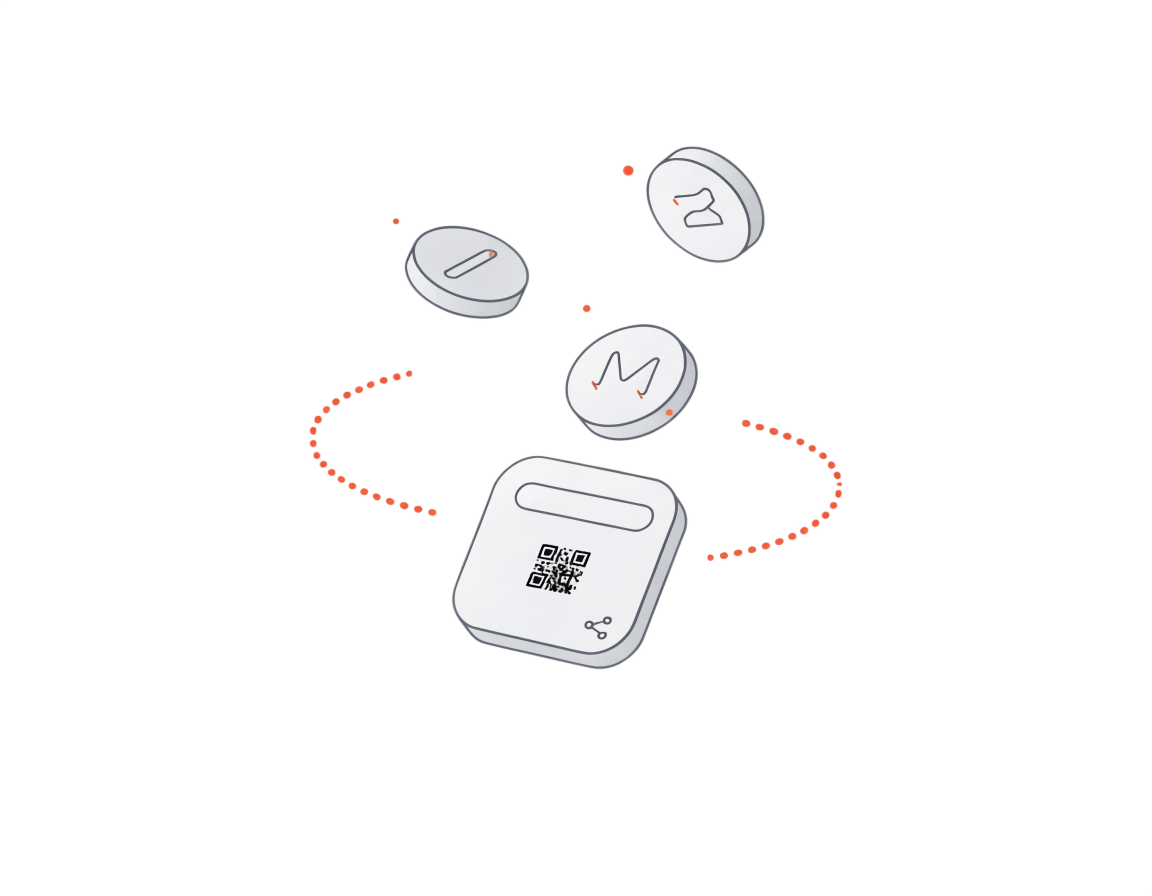
Payment Links — partner-distributed per-trip add-ons
If you distribute through travel-agency partners, generate a payment link per quote and hand it off. The agency emails it to the traveller as a per-trip insurance upsell at booking; the traveller pays, you get the webhook with policy metadata, and your BMS issues the policy. No agency-side integration work, no card-data handling, no partner-portal sign-up.
See details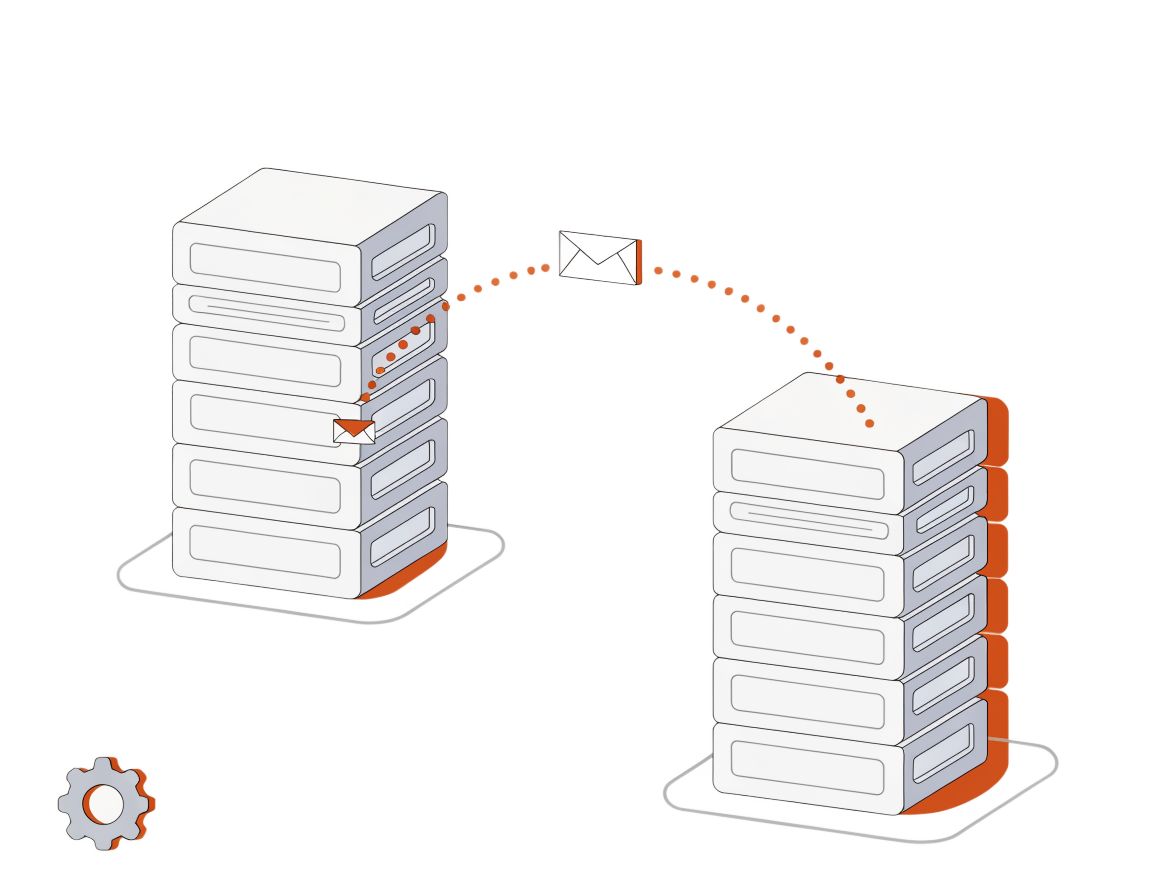
Server-side API — full control for broker platforms
If you run a broker management platform with policy issuance, claims, and underwriting in-house, the server-side API gives you create-premium-invoice, watch-confirmations, and signal-bind primitives over signed (HMAC-SHA256) webhooks. Schedule renewals from your cron, settle premiums across the networks your policyholders hold, and drop notifications into your policyholder portal.
See detailsPremium flows on stablecoins today
What broker patterns run cleanly on a wallet?
Four flows from working travel-insurance and specialty brokers — recurring nomad, single-trip, expat annual, and cruise add-on.
Recurring nomad cover — renewal invoice each period
The standard digital-nomad plan billed every few weeks. Each period your system issues the renewal invoice and the customer pays it from their wallet for as long as they want cover — no card on file to rotate, no decline mid-trip. The policy renews on its own rhythm, with the premium landing to your Paymos balance each cycle.
Single-trip policy — Payment Link from a quote engine
The traveller runs the quote, gets a premium for a couple of weeks of cover, and receives a payment link by email. They pay once, the policy binds on the webhook, and no recurring authorisation is needed. A clean one-shot bind with the premium in your Paymos balance on confirmation.
Expat family annual prepay — Hosted Checkout
Annual expat family cover paid upfront for the year through Hosted Checkout. The bigger ticket settles in one payment, the policy binds, and there's no card to expire across the term and no claim-denial reversal hanging over a year of cover. The premium is yours the moment it confirms.
Cruise insurance add-on at agency checkout — partner link
A travel-agency partner sells a cruise and drops your insurance add-on into the booking confirmation as a payment link. The traveller adds the cover at confirmation and pays from their wallet; you pay the agency its rev-share via an outbound transfer afterward. No card-data handling on the agency side and no partner-portal build.
Travel insurance on stablecoins
Frequently asked questions
How does on-chain premium collection handle a 24-month expat policy renewal?
What happens at renewal if the policyholder's wallet has insufficient balance?
What's the dispute path for a denied claim, and can the premium be clawed back?
Does Paymos handle the regulatory licensing required to sell insurance?
Can we accept premium in stablecoins and pay carriers in fiat from the same treasury?
Which networks and stablecoins fit the premium range best?
Honest disqualifier
When NOT to use Paymos for travel insurance
Four broker setups where card billing still serves better.
Your regulator dictates how premium must be collected
Several jurisdictions require premium to flow through specifically licensed collection arrangements into a trust account before it reaches the broker. Whether a stablecoin wallet can sit inside that chain is a question for your compliance counsel — Paymos doesn't rule on it. If the answer in your market is no, that's the end of the analysis.
Coverage must never depend on the customer remembering to pay
Card autopay pulls the premium while the policyholder sleeps; a wallet payment can only be pushed by the policyholder, every single cycle. For cover where a missed renewal means an uninsured customer and a liability conversation, that difference is structural. Keep auto-charge cards for the set-and-forget book, and offer wallet invoices to the nomads who actively manage their money.
Stripe Capital is financing your carrier payables
Advances underwritten against card volume exist only while that volume runs through the processor offering them. Move premium collection to a wallet rail and the collateral your financing reads disappears with it. If a processing-linked credit line holds up your payable timing or claim-reserve cycle, that dependency decides the rail — not the fee table.
Flight-delay micro-covers sold at the booking button
A $4 delay policy is bought in the same breath as the ticket, and any extra screen unsells it. No fee saving on four dollars survives a conversion drop. Bundle micro-covers into the card checkout that's already open, and reserve the wallet invoice for multi-month policies where the economics are visible.
Related flows
Other Travel & Hospitality sub-niches on Paymos
Pricing
1.0% per settled premium. No fixed fee, no currency-conversion margin
A $42 nomad policy and a $5,000 expat annual prepay are charged the same way, and cover is not surcharged as an acquiring category here. Premium moving onward to a treasury wallet is not charged a percentage, and the network fee that transfer carries is subsidised, and all it costs. 0.3% on request, from your first policy: how many renew and what a premium averages are the numbers behind it. Insurance margin is thin and the premium is small, which is where a flat fee does most of its damage: that $42 policy costs roughly $1.52 to accept on a 2.9% + $0.30 processor and about $0.42 on Paymos.
See pricing