Keep $99 of every $100 flight fare
Sell fares in stablecoins through a crypto payment gateway and the ticket is yours the moment the payment clears — no peak-season reserve parked on your cash, no cross-currency markup on overseas itineraries, and no chargeback after the passenger has flown.

Where flight revenue leaks on card rails
Why is a sold ticket still at risk months after the flight?
Four ways card rails put flight revenue at risk — disputes, frozen reserves, currency spread, and the fee stacked on top.
A flown ticket can still be charged back
Airlines and flight-OTAs sit in the highest-dispute tier the card networks track. A passenger can open a dispute up to 120 days after the charge — “didn’t recognise it”, “flight changed”, “never used the return”. The money is already paid to the carrier, but the card rail can pull it back, and a drifting dispute ratio triggers surcharges and reserves.
Peak-season reserves freeze your cash when you need it
When bookings spike, acquirers raise the reserve they hold against travel merchants — parking a slice of every sale for weeks against future disputes. You sell the most exactly when the most cash is locked up, while you pay carriers on tighter cycles than the card rail pays you.
Currency spread eats every international booking
Sell a euro-priced ticket to a dollar cardholder and the processor typically adds 1–2% in cross-currency conversion on top of its normal fee — at a rate it sets, not you. On a book full of international itineraries, that spread is margin leaving your treasury on every sale.
And the processing fee stacks on top of all of it
On a standard 2.9% + $0.30 processor, a $400 round-trip costs about $11.90 to accept — roughly 3% before any currency conversion, and high-risk travel acquirers often charge more. At 10,000 tickets a month that’s near $119,000; run it on your own volume. It’s your largest payment line item, and the one you don’t control.
How stablecoin settlement removes the risk
What changes when the fare settles in stablecoins?
Move the fare onto a wallet and four card-rail risks come off the ticket.

A paid fare is final — the dispute window never opens
A fare paid in stablecoins has no issuer to dispute it with. Once the passenger pays, settlement is final — no 120-day dispute clock starting at the flight date, no “didn’t recognise it” reversal. Refunds stay in your hands, on your own fare and cancellation rules, paid out of your Paymos balance when you decide.

Your money is credited at checkout, not held in a reserve
The passenger pays and the fare is credited to your balance on confirmation — minutes on most networks, not a 2–7 day payout cycle, and none of it held back in a reserve. For an OTA paying carriers on tight cycles, the money is yours the moment the sale confirms, exactly when working capital is tightest. Moving that fare revenue to your own wallet costs no commission; the withdrawal carries a network fee under what the send costs, charged in the same stablecoin you're sending.

No currency spread — the rate stays yours
Price the ticket in a dollar stablecoin, the customer abroad pays the same stablecoin, you receive the same stablecoin — no 1–2% cross-currency cut, no processor-set rate. Need fiat for carrier or BSP settlement? You run that exchange yourself, on your treasury calendar and at a rate you chose. The conversion margin stays where it belongs: with you.

Roughly $4 to accept, not $11.90
That same $400 fare costs about $4 to accept on Paymos instead of about $11.90 — and you keep the difference on every ticket, with no per-transaction minimum, no high-risk surcharge, and no separate currency-conversion charge.
How OTAs and airline portals wire Paymos in
Which integration fits how you sell tickets?
Three ways to wire stablecoin payments into your booking flow.
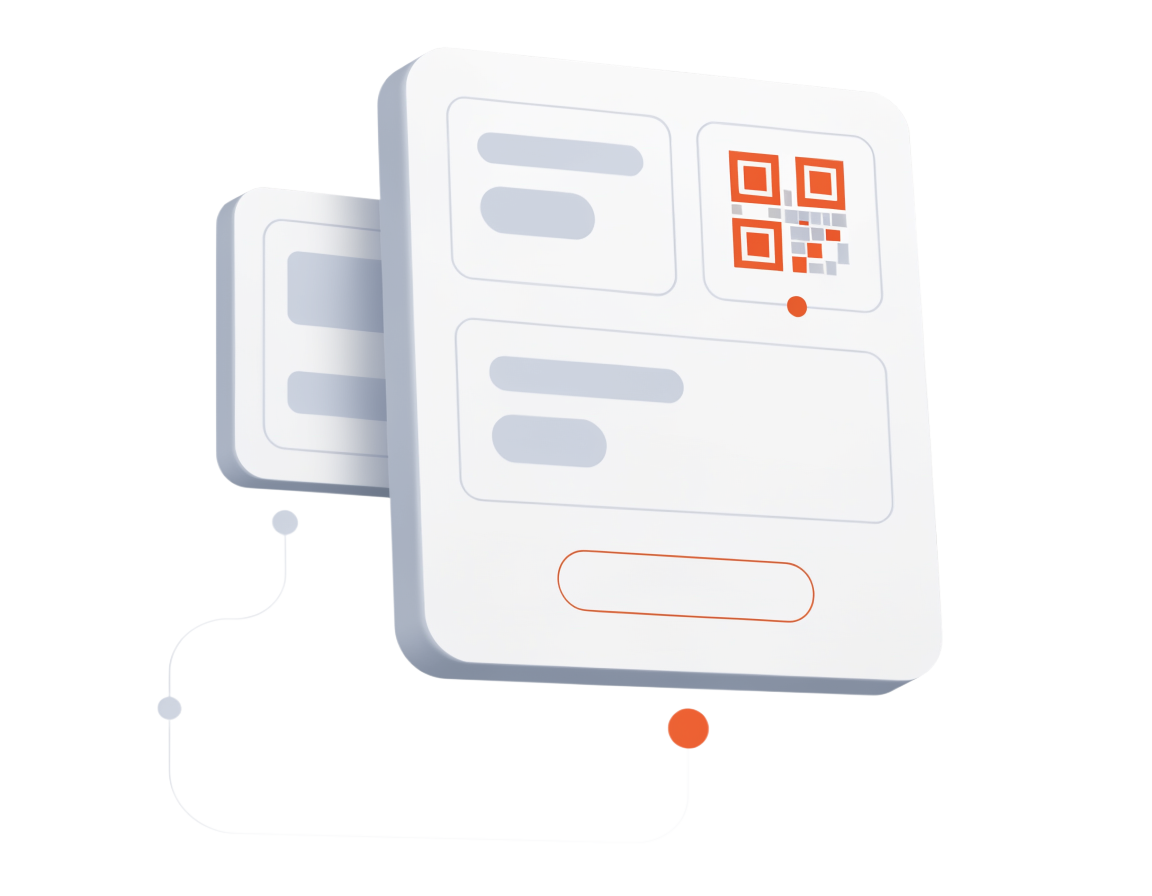
Hosted Checkout — sell a ticket with no code
The customer picks the flight on your site; you create a Paymos invoice with the final fare and metadata and redirect them to a Paymos-hosted page, where they pay from their wallet and return with a paid ticket. Best for OTAs that don’t want to build a custom payment screen.
See details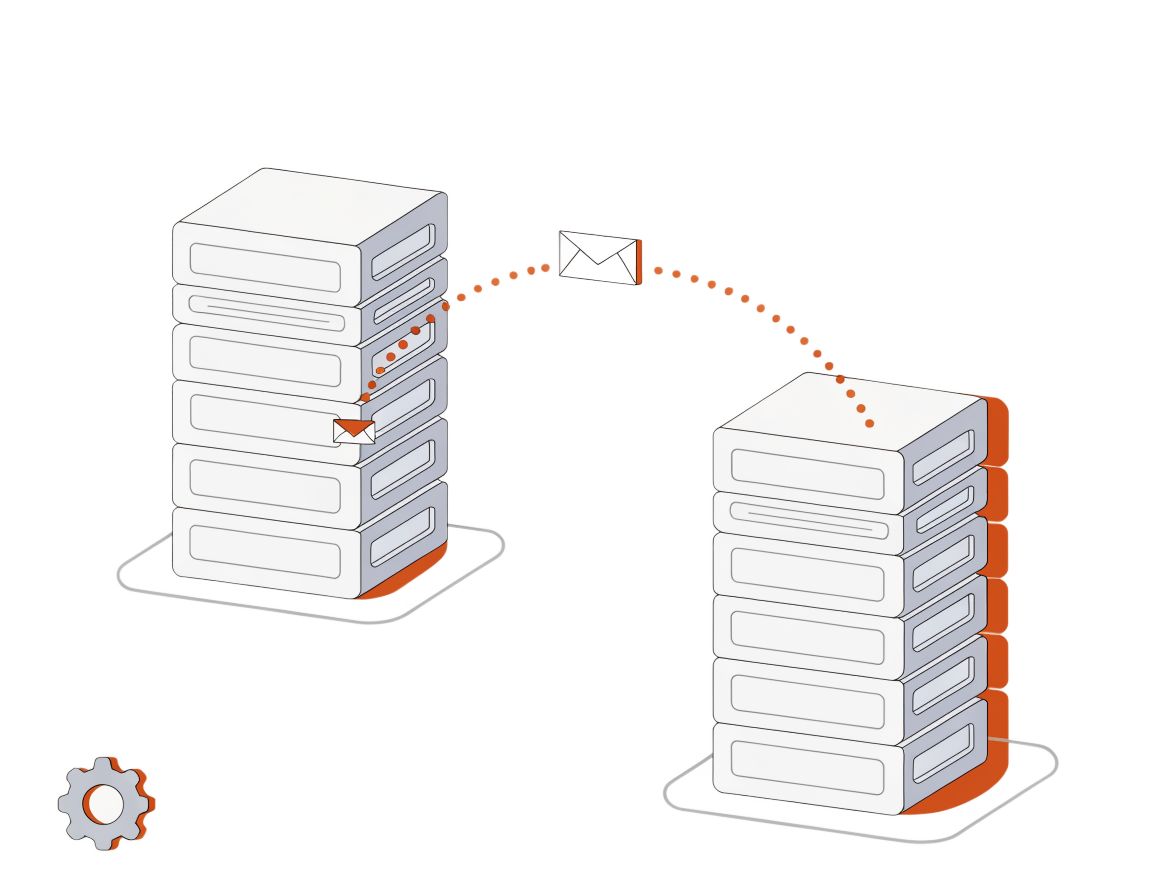
Server-side API — full control inside your booking engine
Running a custom engine on Sabre, Amadeus, or Travelport? Through the server-side API your fare engine creates the invoice itself, tracks confirmations, and gets the paid signal on HMAC-SHA256-signed webhooks. The reservation hold and PNR creation stay in your engine; Paymos handles the payment leg.
See details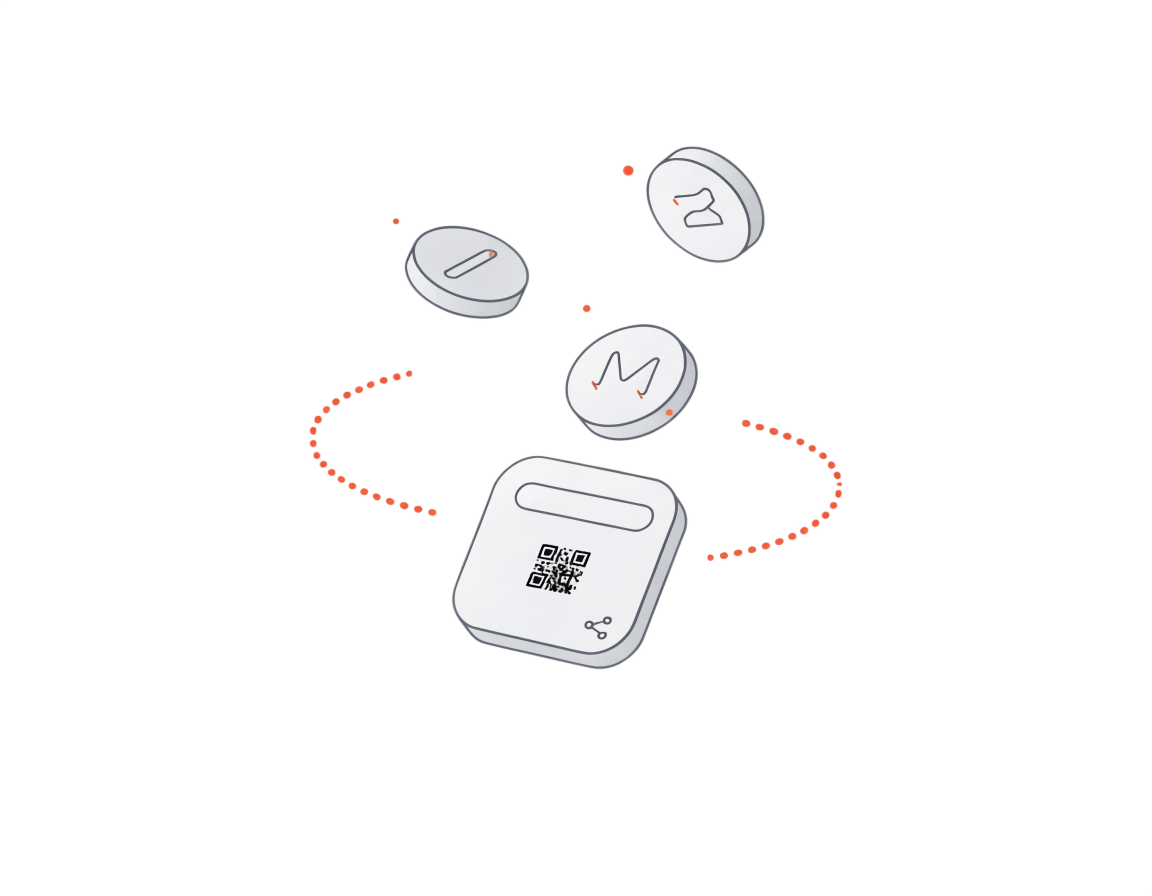
Payment Links — corporate and group bookings
For corporate buyers and group coordinators, generate a Payment Link and send it through your CRM (HubSpot, Pipedrive, Salesforce). The procurement team pays from a corporate wallet and your receivable closes on confirmation. A common fit for net-30 buyers who want a real invoice attached.
See detailsTicket flows on stablecoins today
What ticket types run cleanly on a wallet?
Four flows from real flight-selling setups — round-trip, business-class, low-cost short-haul, and corporate.
Transatlantic round-trip — Hosted Checkout
For a US-to-Europe booking, issue the fare invoice after the itinerary is confirmed. The customer pays from their wallet; the signed webhook releases the ticketing step after the chosen network satisfies its confirmation policy. There is no acquirer reserve or cross-currency card markup.
Business-class fare — server-side API
A premium-cabin booking through your GDS-integrated engine, where the traveller often wants a clean receipt for expense reporting. The payment confirms server-side, your engine tickets the PNR, and the full fare credits your Paymos balance — with no dispute window opening behind it months later.
Low-cost short-haul — batched Hosted Checkout
The hard tier for cards: cheap European short-hauls, where a fixed per-transaction fee alone eats a chunk of a small fare. A wallet payment has no fixed-fee floor, so a low ticket price keeps its margin — and the same flow handles a high volume of quick sales.
Corporate multi-leg — Payment Link from CRM
A multi-leg international itinerary for a sales team. The salesperson generates a payment link in HubSpot and sends it to procurement; procurement pays from a corporate wallet; your receivable closes on confirmation. Net-30 with a real invoice attached — and no card-statement reconciliation on either side.
Flight booking on stablecoins
Frequently asked questions
How does on-chain settlement work with the GDS booking flow?
What about IATA BSP settlement — doesn't that require bank rails?
How do refunds and schedule-change credits work through the IATA/GDS layer?
Will my chargeback ratio at the acquirer drop if I move payments to Paymos?
Which networks and stablecoins should I offer for cheap versus expensive tickets?
What's the actual ticket-confirmation latency on the wallet path?
Honest disqualifier
When NOT to use Paymos for flight booking
Four setups where card rails still serve a flight seller better.
Your fares must settle as fiat in a bank account
Paymos settles stablecoins to your Paymos balance — there is no fiat conversion and no bank payout inside the product. If BSP cash collection or your accounting requires every fare to land as dollars or euros on a regulated account, you would be converting stablecoins to cash yourself on every settlement day. Where the treasury can't take on that step, card acquiring remains the cleaner fit.
Flexible fares and easy refunds are your conversion lever
A stablecoin fare is final the moment it confirms — there is no dispute process behind it, so every refund becomes an outbound transfer your team funds and executes under your own fare rules. If your book sells on free cancellation and card-style buyer protection, that finality moves real work onto your support and treasury. Keep the flexible inventory on cards and route non-refundable fares through the wallet.
Sub-$30 fare-alert tickets bought on impulse
A budget short-haul grabbed from a fare alert is a ten-second card purchase, and asking that buyer to open a wallet costs more conversion than the fee saves on a $25 ticket. The economics favour you; the funnel does not. Offer the wallet to travellers who already hold stablecoins and leave one-tap card UX as the default at this ticket size.
Your passengers are card-only and never crypto-adjacent
If your traffic is domestic corporate booking where every traveller expenses a card and nobody holds a wallet, the rail has no one to convert. Paymos pays off where international bookers, exchange-rate loss, and dispute exposure are real lines in your books. Without them, a payment method nobody selects is shelf space, not savings.
Related flows
Other Travel & Hospitality sub-niches on Paymos
Pricing
1.0% per settled ticket. No GDS surcharge, no currency-conversion margin
One percentage on the $50 short-haul and on the $5,000 corporate multi-leg, no category loading, and nothing withheld against a season you have not flown yet. Paying the carriers from that balance costs no commission, and a subsidised network fee is the whole cost of the transfer. A lower rate of 0.3% is settled between us on ticket volume and the average fare, from the first ticket. Air travel is one of the categories acquirers surcharge on principle — you deliver weeks after you are paid, so the rail prices your calendar.
See pricing