Keep 99 cents on every dollar buy-in
Take crypto payments for bingo cards, room entries and monthly passes, in stablecoins. No fixed fee to gut a fifty-cent card, no acquirer that lists bingo as restricted, and a wallet pass that can't lapse mid-month the way a stored card does.
Where a licensed bingo operator loses money on payments
Why does a fifty-cent bingo card lose money on card rails?
Four costs sit between a card buy-in and your room: an acquirer that flags the category, a fixed fee that crushes tiny tickets, a crypto-gateway teaser, and expired-card churn on passes.
Your fifty-cent card sits on a high-risk list
Mainstream processors won't board bingo at all, and the specialists that do price it as high-risk — a reserve on your float, held payouts, a surcharge on every buy-in. That take rate is survivable on a fifty-dollar checkout; on a room full of fifty-cent cards it swallows the sale whole. A gaming permit doesn't move the bank's category rule an inch.
A flat per-sale fee eats a card whole
Card pricing bolts a fixed fee onto every transaction, and that fee ignores how small the ticket is. On a fifty-cent card the flat part alone can outweigh the sale itself, long before the percentage is counted. Bingo's high-volume, tiny-ticket model only pencils out on a rail priced purely as a percentage, with no fixed floor under each card.
"0.5%" on the page, nearer 2% on the card
The headline isn't the bill. Other crypto gateways quote a low percentage, then stack a conversion markup, a transfer fee and merchant-paid network gas — once on the card buy-in, again on the winner payout. End to end that lands at 1.5–2% or above on both legs, well off the number on the page.
Monthly room passes bleed to expired-card churn
Your best player holds a monthly unlimited-room pass. That is exactly where an expired card, a reissued BIN or an authentication step-up turns a renewal into an involuntary cancellation. For someone who plays bingo as a daily habit, a failed mid-month renewal reads as the room going dark — and the card-update chase rarely wins them all back.
How stablecoin settlement fits the economics
What changes when buy-ins and passes run on stablecoins?
Four shifts that line payment cost up with bingo ticket size and recurring play, once you stop leaning on card rails.
No issuer to refuse the category, and a buy-in is final
A stablecoin buy-in skips the issuer entirely. Nothing flags the category, and once the payment confirms on-chain it can't be charged back — no reserve, no payout hold, no high-risk surcharge, and the cash credits your Paymos balance at the sale. A refund stays your decision: a manual transfer you send back from that wallet on your own house rules.
Percentage-only cost — a tiny card keeps its margin
No fixed-fee floor sits under the ticket. Cost tracks the card linearly — a fifty-cent card and a five-dollar buy-in carry the identical percentage — so the high-volume tiny-ticket model finally pencils out. The fee on a small card is a fraction of a cent, not most of the sale.

A monthly pass that can't lapse mid-month
The unlimited-room pass runs as a renewal invoice. Each cycle your system issues the invoice and the player clears it from their wallet in one tap — no card to expire, no reissued BIN, no authentication step-up, no card on file to keep current. An empty wallet returns a top-up reminder, not a queue of failed-payment emails.

One rate on the buy-in, and only a network fee when you pay a winner
The rate is 1.0%, and the gas on the way in is on us. No conversion markup, no separate transfer charge, and no second processing fee on the winner payout the way teaser-priced gateways stack it. The payout carries a network fee of its own — subsidised, and the house covers that one. A player abroad pays the same dollar-denominated stablecoin you settle in — no exchange-rate surcharge between the two.
How a bingo operator wires Paymos in
Which integration fits your bingo cashier?
Three ways to wire stablecoin card buy-ins, passes and payouts into your platform.
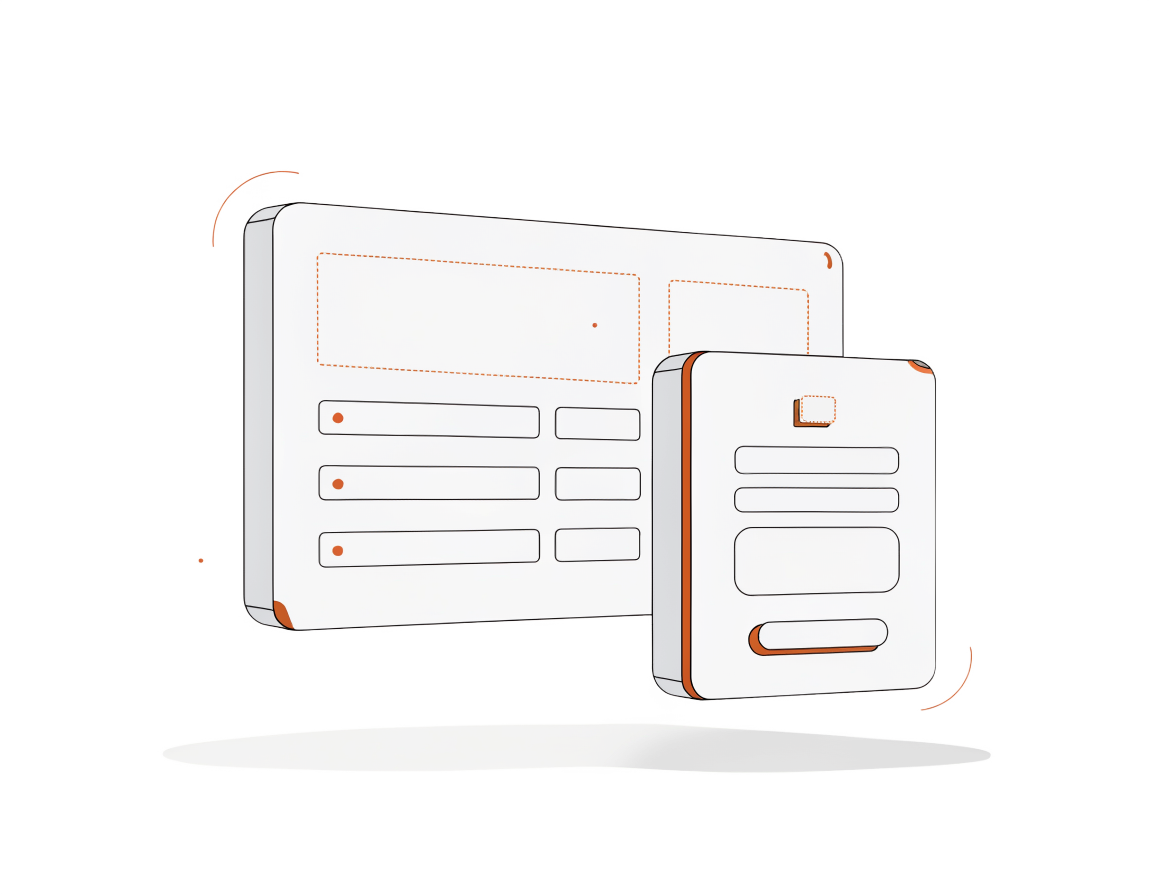
Embedded Checkout — in-room cashier
Drop an embedded panel into the in-room cashier sidebar. The player taps buy cards, picks a quantity, and pays from their wallet without leaving the room. Room state — active cards, called numbers, the jackpot meter — never reloads; only the cashier surface swaps. It sits beside your card and bank-transfer options, not in place of them.
See details
Hosted Checkout — signup and pass purchase
The monthly-pass flow needs no front-end build. The player signs up, picks the pass, and lands on a Paymos-hosted page to pay the first month. Your backend takes an HMAC-SHA256 webhook carrying the player ID, and each cycle your system issues the renewal invoice the player clears from their wallet. The recurring leg is server-side only.
See details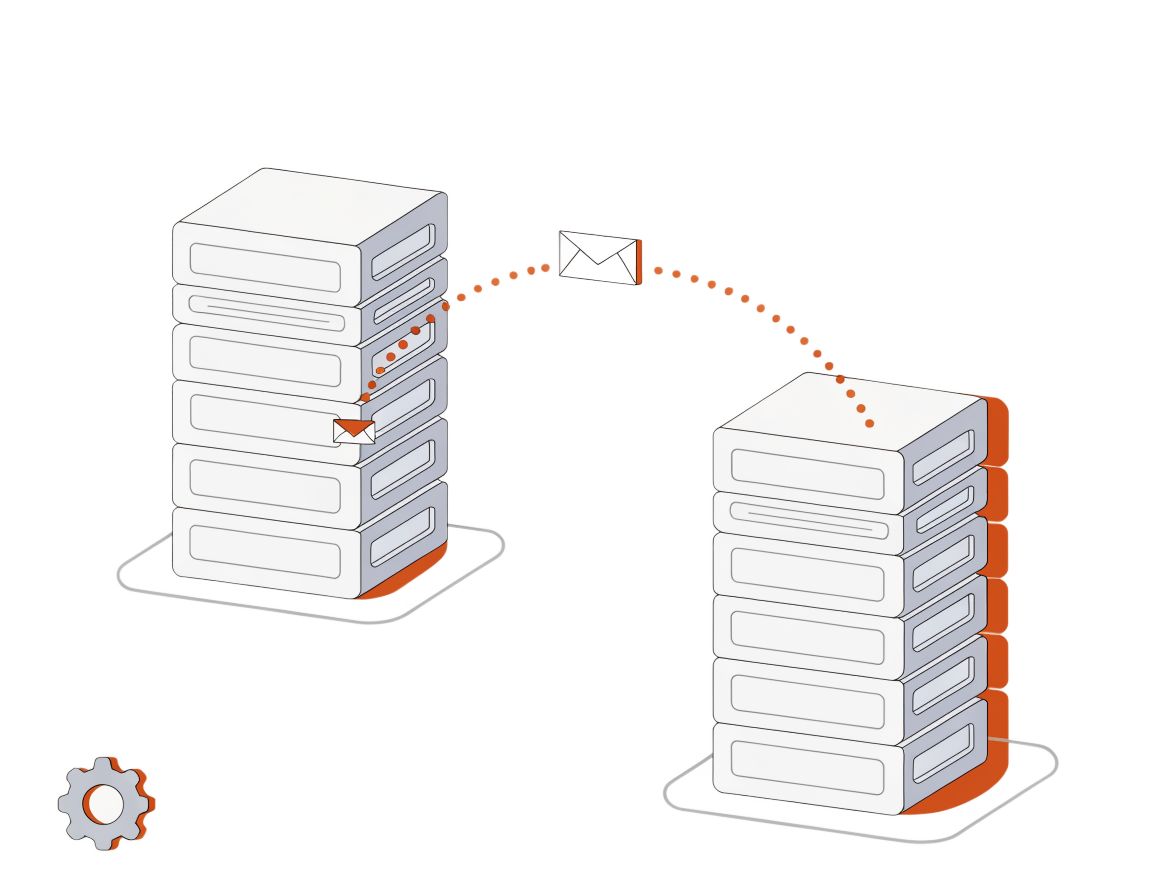
Host-to-Host API — multi-room platform
A network of rooms runs on the REST API. It issues card-purchase invoices, tracks confirmations over signed webhooks, sends winner payouts on your trigger, and drives pass renewals. Map the per-room billing to your own engine; one player wallet works across every room. Open a test room in Sandbox before a real one: separate credentials, simulated outcomes, one contract across both.
See detailsBingo cashier flows on stablecoins today
What bingo patterns run cleanly on a wallet?
Four flows from licensed operators — card purchase, pass renewal, jackpot deposit, and tournament buy-in.
Bingo card purchase — Embedded Checkout
A player grabs a few cards from the in-room cashier. The stablecoin sale clears in seconds with no fixed fee eating the tiny ticket, and the room credits the cards on confirmation. The category never triggers an issuer decline, nothing goes into reserve, and the round can't be reversed afterwards.
Monthly pass renewal — renewal invoice
A regular keeps unlimited weekday rooms on a monthly pass. Each cycle your system raises the renewal invoice and the player clears it from their wallet — no card to expire, no step-up, no card on file. Every month is a fresh invoice the player signs, so cancelling is just declining to pay the next one.
Progressive-jackpot deposit — Hosted Checkout
A player funds a larger balance at session start to run through progressive rounds without topping up each time. Hosted Checkout takes the deposit, settles it to your Paymos balance, and posts a webhook with the amount. Your room engine holds it as in-game credit, draws down per buy-in, and pays winnings at round-end.
Special-event tournament buy-in — Payment Link
For a named tournament, create one payment link with the buy-in and roster reference, then distribute it through email or community channels. Each confirmation records the player reference for registration without a separate integration.
Bingo on stablecoins
Frequently asked questions
Does Paymos handle bingo licensing for the operator?
How does the recurring bingo-pass billing actually work?
What if the player's wallet is empty at pass renewal?
Can the operator hold an in-game balance from a deposit?
Do players need to learn crypto to play a wallet-based room?
Which networks suit tiny card and pass purchases?
Honest disqualifier
When NOT to use Paymos for bingo
Four bingo set-ups where this rail loses to cards.
Your rooms are filled by a community that pays by card
Classic community bingo runs on loyalty to one debit card. Players who've used the same card for years read a wallet as a hurdle, not an upgrade, and no fee saving offsets an empty room. If that cohort is your whole audience, stay card-first — the wallet rail only earns its keep once a younger or international crowd turns up.
Your bingo lives inside a social platform's app
App-store and social-network bingo is locked to the host's billing. Wiring an external stablecoin checkout into that purchase flow breaks the platform rules and risks the listing itself. Paymos fits bingo played on your own website, where the cashier is yours to pick.
Retention depends on charges nobody thinks about
Some pass economics assume the renewal happens while the player isn't looking — a stored card billed silently month after month. This rail can't do that. Every renewal is an invoice the player actively clears, so engaged regulars stay and passively-retained subscribers lapse sooner. If silent billing is the model, cards keep it alive.
You monetise drop-in players a few cents at a time
A passer-by who wants two cheap cards for one sitting won't create and fund a wallet first. The setup costs more attention than the purchase is worth. Percentage-only pricing pays off for regulars who fund once and play often; for pure drop-in traffic, a card flow still converts best.
Related flows
Other iGaming & Betting sub-niches on Paymos
Pricing
1.0% per card, room buy-in or pass renewal, all-in. No fixed fee
A percentage has no floor to hit: the fifty-cent card and the larger progressive deposit give up the same share, acceptance gas included, and a winner payout carries a subsidised network fee for the route and no commission from us. We go down to 0.3% on ticket volume and the networks players pay on; ask from your first session. Bingo lives on sub-dollar tickets, where a fixed fee can take more of a card than the game does, and card rails put it in a high-risk tier with a reserve behind it. A gateway advertising from 0.5% ends up at 1.5–2% or beyond once its conversion step, its transfer and the gas it hands you are added to both legs.
See pricing