Skip building your crypto casino's treasury stack
You already take crypto payments — the question is what runs the wallets. Settle player deposits and pay winners on managed custody instead of a treasury stack you stand up and secure yourself. One all-in rate on both legs, isolated signing and whitelisted payout destinations.

The two choices a crypto-native operator is stuck between
Why does running a crypto cashier get harder, not easier, at volume?
You already take stablecoins, so card pain isn't the story. The friction is custody — a thin gateway skims you, a self-built one exposes you, and both leak a signal your ledger can't trust.
A "0.5%" gateway isn't 0.5% once it settles
The headline rate is the bait. The thin gateway you started on leads with a low number, then layers on a swap markup, a transfer charge and merchant-paid network gas — counted on the deposit and again on the payout. At a few thousand deposits a day, the gap between the advertised rate and the settled rate is a line item finance can measure on both legs.
The alternative is running a treasury stack that isn't your business
Outgrowing the thin gateway usually means standing up custody in-house: key management, signing policy, sweep logic, hot-wallet monitoring, on-call. That's a security program with a headcount, and it has nothing to do with shipping games. One key-handling mistake is existential, and you carry that exposure every day the lights are on.
One laptop can drain the float
Most early setups sign payouts from a single hot wallet — manageable while the balance is small, a single point of failure once it isn't. With the keys sitting on the same box that serves your site, a compromised machine or one rogue insider is enough to move the entire treasury. The risk doesn't stay flat; it scales with every dollar you hold.
A confirmation signal you can't build a ledger on
Thin gateways often ship unsigned or replayable webhooks and a sandbox that drifts from production. A retried delivery double-credits a player; an integration that passed in testing breaks at go-live. At volume, where retries are constant, an untrustworthy signal turns into reconciliation incidents your finance team chases after the fact.
Managed custody under your control
What does the cashier look like once the custody problem is off your plate?
The thin-gateway tax and the treasury build both come off your plate at once — signing on isolated infrastructure that you still gate, payouts that can only reach an address on your own whitelist, one honest rate on both legs, and a signal your ledger can treat as authoritative.

Custody you direct, infrastructure you don't run
Paymos runs key custody, signing and sweeps; you keep the decisions. Deposits credit your Paymos balance, and every payout is initiated by your team from the dashboard or the API, to an address already on your withdrawal whitelist — leave that whitelist empty and withdrawals are off entirely. You hold the trigger without standing up the wallet infrastructure or the on-call rotation behind it.

A payout can only go where you put it
Every outbound transfer is signed on isolated infrastructure and restricted to destinations on your withdrawal whitelist. Your team requests the payout with the player's whitelisted address and amount; it broadcasts only after your rules clear. Signing, destination controls and the balance remain separate operational boundaries.

The quoted rate is the rate you settle at
One number, both legs. Paymos is 1.0% all-in and absorbs the inbound network gas, so the player's stablecoin lands in full — no exchange markup, no separate transfer charge, no second cut stacked on the payout the way teaser gateways do. Same-token settlement means a dollar stablecoin in is a dollar stablecoin out.

A ledger that stays correct under load
Webhooks are HMAC-SHA256 signed and idempotent, keyed by your external id, so a retried or replayed delivery credits a player exactly once. Sandbox uses the same API contract with separate test credentials, so QA can cover request and webhook handling before live traffic. Your reconciliation holds through peak traffic instead of generating tickets after it.
Wiring it into the platform you already run
Which integration fits your stack?
Three ways to move the deposit and payout legs onto managed custody — pick by how much of the cashier you own already.
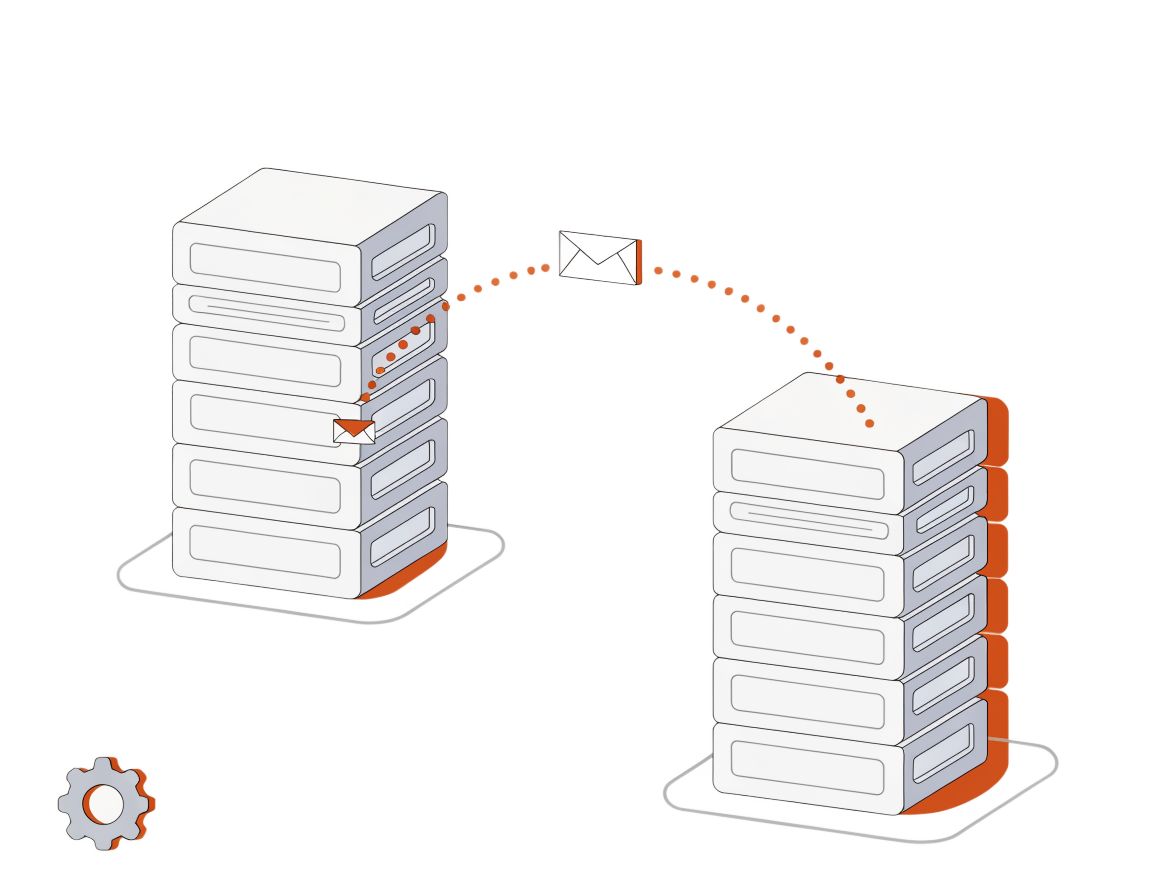
Host-to-Host API — your engine keeps the ledger
For operators running their own wallet ledger and game engine, the REST API exposes create-invoice, watch-confirmations and signed-payout calls, with HMAC-SHA256 webhooks on every state change. A confirmed deposit credits the player; a cleared cash-out triggers an outbound transfer. Sandbox uses the same API contract with separate test credentials for integration testing before live traffic.
See details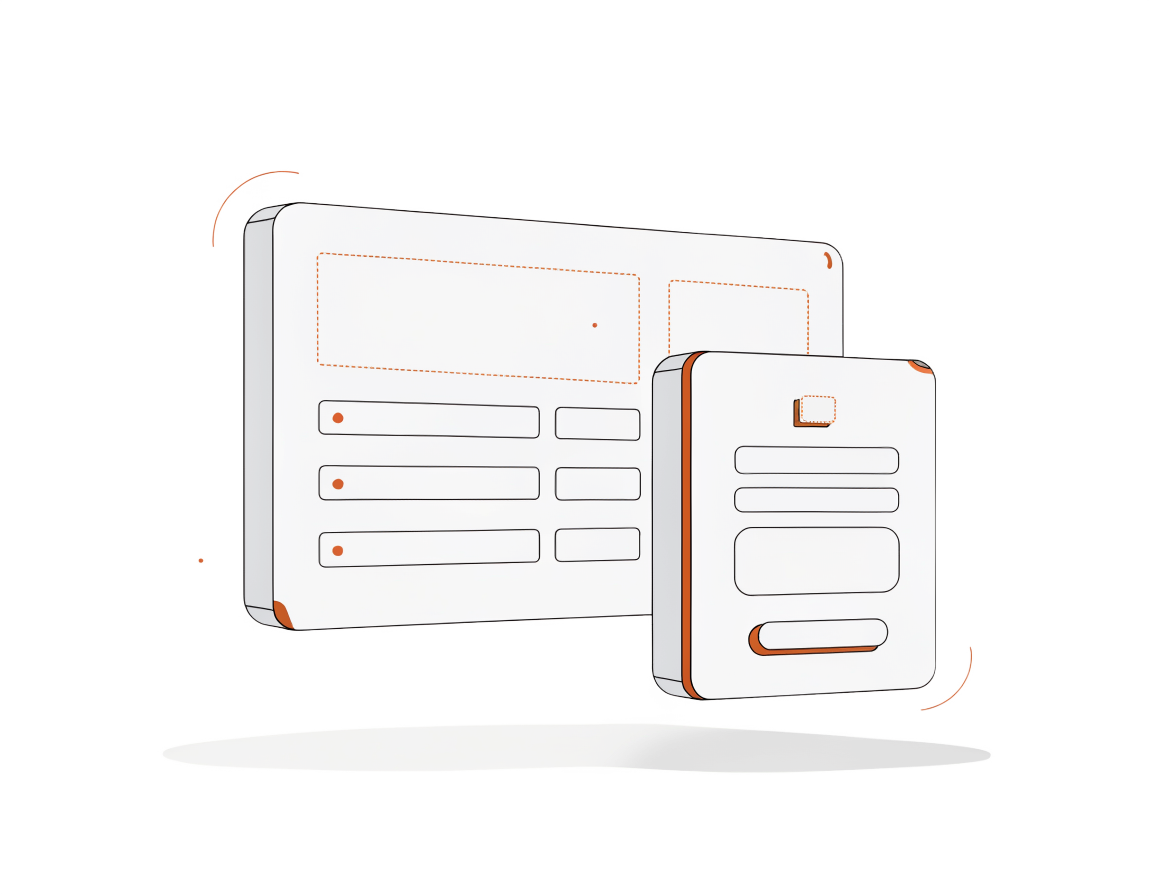
Embedded Checkout — sits inside the cashier UI
A panel drops into your existing cashier with no domain hop. The player chooses a stablecoin and network, pays, and the balance credits in seconds. Your session, verification status and balance ledger stay authoritative — Paymos owns the payment leg and the signing, nothing else.
See details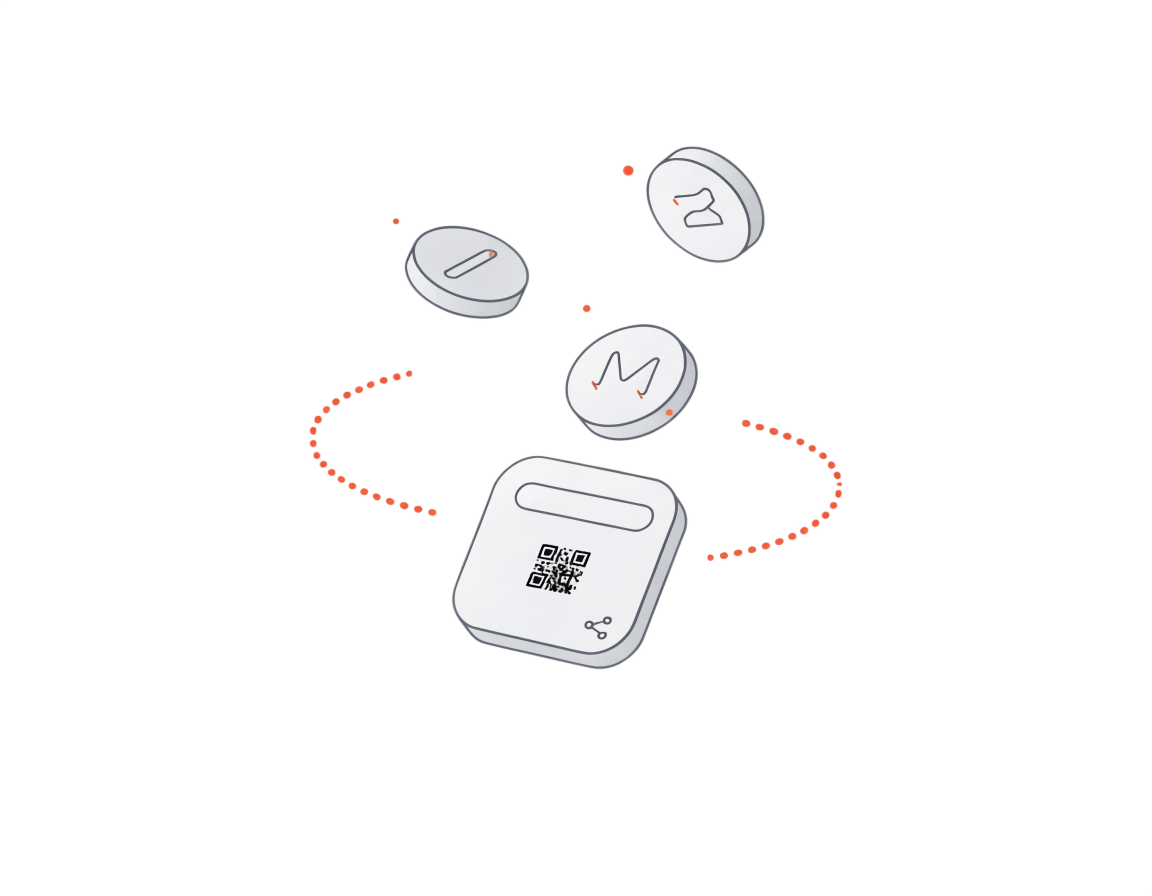
Payment Links — host-assisted high-roller deposits
For a VIP reload handled off-platform, a host generates a one-off link in the dashboard and sends it over your channel. The player pays from any wallet, the funds land on your Paymos balance, and the cashier credits on confirmation — no deposit address passed by hand, no temporary hot wallet to babysit.
See detailsHow the cashier behaves once custody is managed
Which flows run cleanly when volume and float both climb?
Four patterns crypto-native operators run — the everyday deposit, the cash-out on a win, the high-roller reload, and one consolidated treasury behind all of it.
Everyday deposit — Embedded Checkout
The standard top-up. A player funds their balance in your cashier, the stablecoin deposit clears in seconds, and an idempotent webhook credits them exactly once even when the delivery retries. The funds credit your Paymos balance with no exchange markup skimming the way in and a confirmation your ledger treats as final.
Cash-out on a win — Host-to-Host API
A player withdraws, your AML rules clear it, and your system calls the payout API. A single transfer is signed on isolated infrastructure and sent as soon as that clearance lands — the destination has to be sitting on your withdrawal whitelist already, there is no review hold, and the deposit's all-in rate stands instead of a second payout cut. The network decides how soon it shows up.
High-roller reload — Payment Link
A large funding from a top player, often arranged off-platform. The host sends a one-off link; the player pays from an exchange withdrawal or their own wallet; the reload credits your Paymos balance in seconds and the cashier reflects it. The big balance lands the same moment, with no address copied by hand and nothing parked in a reserve.
One treasury behind every game
Players deposit the same dollar stablecoin from whatever wallet and network they hold, and you carry one balance per asset instead of a sprawl of hot wallets. Sweeps and signing happen platform-side, so finance reads a single consolidated position and every payout draws from it under your whitelist.
Custody, signing and scale, answered
Frequently asked questions
If Paymos holds custody, who actually controls the float?
What stops a compromised operator account from draining the balance?
Do I still hold the same stablecoin the player deposited?
Does Paymos run player KYC, or do I keep that?
Can we exercise the payout path before a production whitelist exists?
Will the rail hold up as deposits and the float climb?
Honest disqualifier
When NOT to move your cashier onto Paymos
Four setups where managed-custody stablecoins are the wrong tool — better to know before you wire anything up.
Your players bet in BTC, ETH and native coins
Paymos takes no volatile coin by design — USDT, USDC and the rest of the supported set, never BTC, ETH or SOL as a payment asset. That keeps the balance you owe players free of price swings, but if "deposit any coin" is the pitch, you'll run a swap layer in front or a second gateway for the volatile assets.
You need a custodian of record holding player funds
Managed custody here means a wallet you direct and Paymos signs from — not a regulated third party that takes title to the balance, insures it, or yields on it. If your licence, board or insurer requires a custodian of record for player funds, that's a different kind of provider; Paymos is the rail, not the custodian on the paperwork.
Finance has to close the books in fiat each day
Settlement ends at the stablecoin to your Paymos balance. There's no built-in cash-out to a bank, no EUR or USD wire, and a refund is an outbound transfer you send back, never a gateway reversal. If the daily close has to land in a bank account, you'll run the exchange step yourself — budget for it, or keep a provider that converts.
Your deal requires automatic splits to studios
Paymos settles each deposit in full to one balance you control — no sub-merchant accounts, no processor-side split to a game studio or aggregator. If your platform contract needs a revenue share carved off each deposit automatically, that allocation stays in your back office; this rail won't divide it on the way in.
Related flows
Other iGaming & Betting sub-niches on Paymos
Pricing
1.0% per settled deposit, all-in. Inbound gas on us
Paymos prices the deposit and the payout together: one percentage on the way in, same-token settlement, no exchange markup, and a cash-out costing a subsidised network fee for the route and no commission of ours. 0.3% is decided case by case, on deposit flow and the networks players send from, from the first deposit on. The comparison here is not a card acquirer — it is the two things a crypto-native operator chooses between: a thin gateway advertising from 0.5% that settles nearer 1.5–2% once swap, transfer and gas land on both legs, or running custody in-house and paying for it in a security programme and an on-call rota.
See pricing