Stop a high-risk acquirer holding your casino float
Run the whole cashier on one stablecoin payment rail. Deposits credit your Paymos balance and can't be charged back, no acquirer parks a reserve against your category, and when your team clears a withdrawal the payout goes straight out, with nothing queued behind a reviewer.
What a casino cashier really costs on card rails
Why does the cashier cost so much before a single hand is dealt?
The bill stacks up four ways — issuers decline your category, the high-risk acquirer prices and reserves against it, crypto gateways quote a teaser, and disputes drag the dispute ratio.
Issuers decline your category before you can price it
Mainstream acquirers list online gambling as restricted, and issuers decline a large share of cross-border deposits on the category alone. A live licence in the player's market changes none of that — the refusal is a bank-side risk rule, not a verdict on you. Every declined deposit is a player who funded a wallet, reached your cashier, and bounced at the last step.
The high-risk acquirer prices and reserves against you
The specialists that do board a casino commonly price the deposit at 2.5–7%, with per-dispute fees and platform charges stacked behind it. They hold a slice of every deposit for months against future disputes, and can freeze the balance with little notice. That reserve is your working capital, locked exactly when handle and payout demand peak.
A crypto gateway's "0.5%" isn't what you settle at
Another gateway's 0.5% banner quotes one line of its bill. The rest turns up later: a markup on the conversion, a charge for each transfer out, and the chain's gas billed back to you — once when the player deposits, again when you pay them. End to end the real take often lands at 1.5–2% or more on both legs, so the figure you compared in a sales deck isn't the figure your treasury reconciles at month end.
Friendly fraud keeps the dispute ratio climbing
A card deposit can be reversed months later as "I never placed that bet" — the stake is gone, a per-dispute fee lands on top, and a drifting dispute ratio pulls surcharges or a card-scheme programme behind it. The handle you booked weeks ago is still exposed, so the cash you counted as earned was never fully yours.
The cashier on a stablecoin rail
What changes when the whole cashier runs on stablecoins?
Four things go right the moment deposits and payouts stop riding card rails and teaser-priced gateways — finality, an unencumbered float, one honest rate, and payouts you control.

The deposit is final — nothing to claw back
A stablecoin deposit never routes through an issuer that can decline your category, and once it confirms on-chain it can't be reversed. No "I never placed that bet", no per-dispute fee, no dispute ratio creeping toward a scheme programme. A goodwill or responsible-gaming refund stays your call, paid from your Paymos balance on your house rules.

The float is yours — no reserve, no freeze
Every confirmed deposit credits your Paymos balance. There is no acquirer reserve or card-network payout cycle; timing follows the selected network and amount. The handle you take in is working capital you can deploy the same moment, even at peak.

One rate of 1.0% — no exchange markup, no second fee on payout
Paymos is 1.0% all-in and absorbs the inbound network gas, so the player's stablecoin lands in full. No exchange markup, no separate transfer charge, and no second fee stacked on the payout the way teaser gateways do. The player pays in a dollar stablecoin, you keep the same stablecoin, and the quote is the settle.
You approve a withdrawal, nothing queues behind it
When your team clears a cash-out, the payout is signed and broadcast on the spot — no acquirer review queue sitting on it for days, no banking-calendar gap, nothing waiting on a batch window. How quickly it lands after that is the network's business, never a schedule of ours. Your AML rules decide when each one goes; Paymos takes zero commission on the send and you pay only the network fee for the route, less of it than the route costs, and never a Paymos payout margin.
Wiring Paymos into the cashier
Which integration fits your casino platform?
Three ways to add a stablecoin deposit and payout flow to the cashier you already run.
Embedded Checkout — drops into the cashier UI
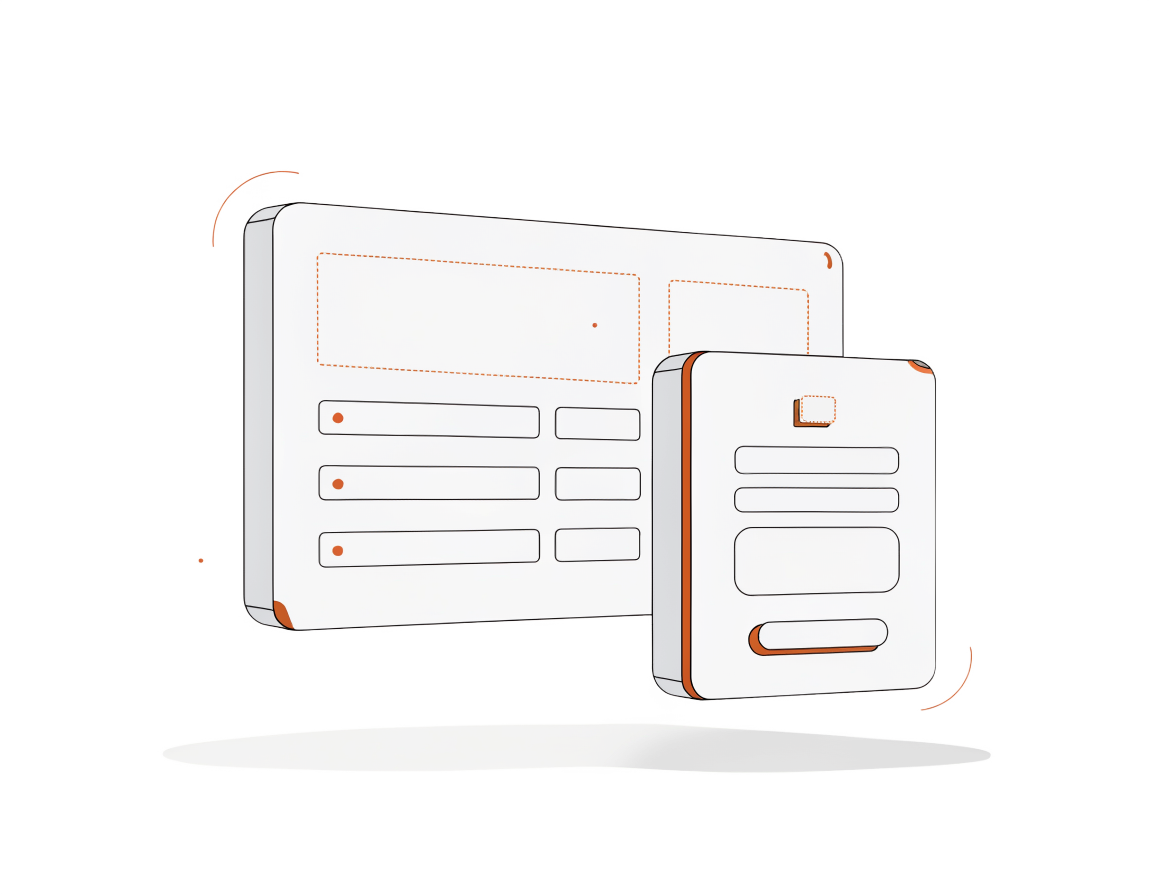
The player opens your cashier, picks "deposit in stablecoin," and an embedded panel handles the payment without leaving your domain. Your session, the player's verification status, and your balance ledger stay authoritative — Paymos handles the payment leg, nothing else. It sits beside your card and bank-transfer options as one more deposit method.
See details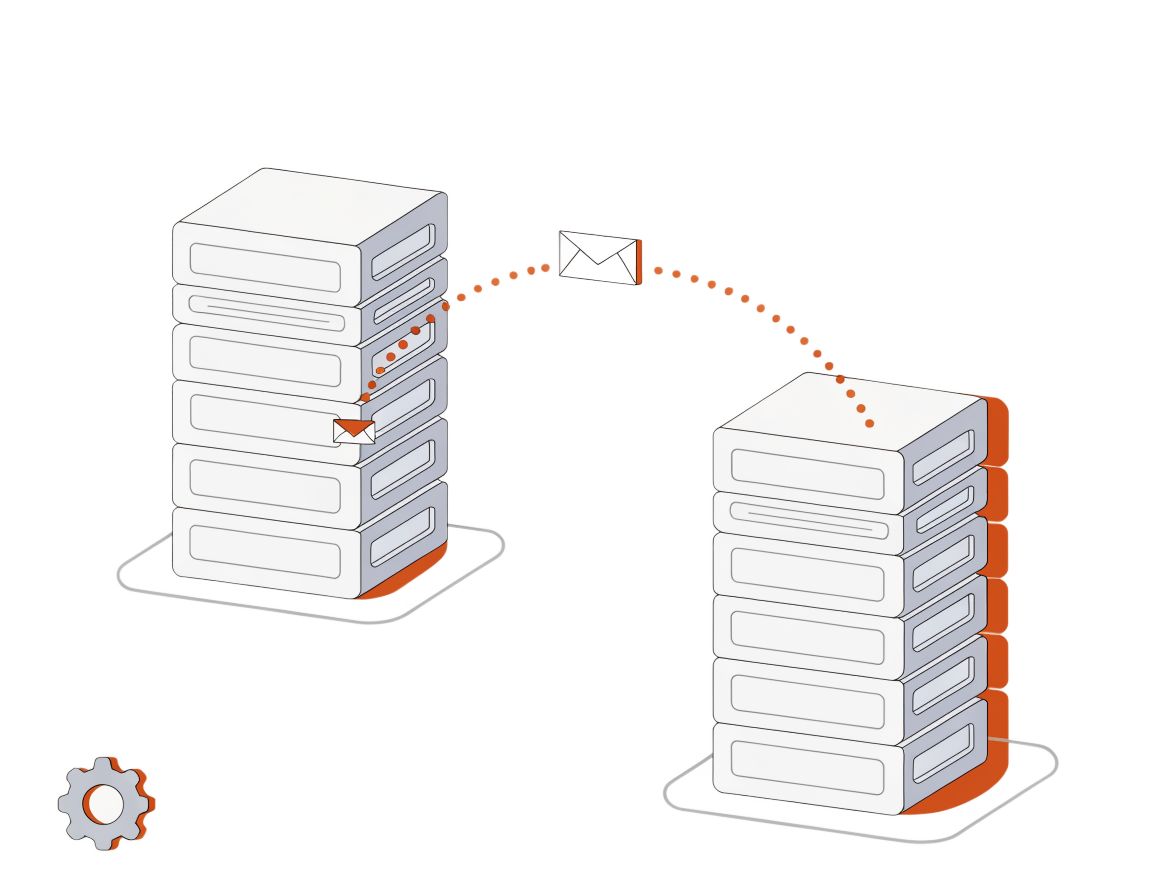
Host-to-Host API — deposit and payout under your control
For operators running their own wallet ledger and game engine, the REST API exposes create-invoice, watch-confirmations, and signed-payout calls, with HMAC-SHA256 webhooks firing on every state change. A confirmed deposit credits the player; a cleared cash-out triggers a signed outbound transfer once your AML step passes. Sandbox holds a virtual balance and simulates the cash-out, so the AML step can be exercised end to end before real money moves.
See details
Payment Links — VIP and host-assisted deposits
For a high-roller reload, a VIP host generates a one-off link in the dashboard and sends it over your existing channel. The player pays from any wallet, the funds credit your Paymos balance, and your cashier credits the player's balance on confirmation. No card number passed over chat, no banking-day wait on the wire.
See detailsCashier flows already running on a wallet
Which cashier patterns settle cleanly on stablecoins?
Four flows operators run today — the recreational top-up, the VIP reload, the payout on a win, and the monthly comeback.
Recreational top-up — Embedded Checkout
At deposit, the cashier creates an invoice for the amount selected by the player. Confirmation credits the balance after the chosen network satisfies its policy. There is no card-issuer decline or later chargeback on the confirmed transfer.
VIP reload — Payment Link
A large top-up from a high-value player. The host sends a one-off link; the player pays from an exchange withdrawal or their own wallet; the top-up credits your Paymos balance within seconds and the cashier reflects it. The deposit clears the same moment, with no banking-day delay and nothing skimmed into a reserve.
Payout on a win — Host-to-Host API
The player wins, your engine resolves the round, and your AML rules clear the cash-out. Your system calls the payout API and a single signed transfer leaves immediately — no multi-day review hold, no "where's my money" ticket, no churn from a slow cash-out. The rest of the journey belongs to the chain.
Monthly comeback — renewal invoice
For a returning player who reloads each month, your system issues a renewal invoice and they pay it from their wallet — no card on file, no standing pull on the account. Each cycle is a fresh invoice the player approves, so stopping is just not paying the next one. Nothing auto-charges.
The casino cashier, answered
Frequently asked questions
Does Paymos require a gambling licence to onboard a casino?
Who handles player KYC and AML — Paymos or the operator?
What happens to chargebacks on a stablecoin deposit?
How fast do deposits confirm and payouts arrive?
How is a payout signed, and what limits where it can go?
Does sandbox use the production API contract for the cashier integration?
Honest disqualifier
When NOT to use Paymos for a casino cashier
Four cases where a stablecoin cashier genuinely isn't the right fit.
Your contract demands automatic splits to studios
Paymos credits each deposit in full to your own balance — no sub-merchant accounts, no Connect-style split at the processor. If your platform deal requires a revenue share routed to each slots studio or aggregator automatically, that allocation stays in your back office; this rail won't carve it for you.
Wallet-funded play is barred in your market
Some regulators ban wallet-funded gambling outright, and some licences carve it out per sub-licensee. That's a real fit issue no rail can paper over — checking the condition before the cashier goes live is your obligation, and Paymos doesn't rule on it.
Your anti-fraud reads card fingerprints, not wallets
Multi-accounting and bonus-hunting checks built on BINs, card fingerprints, and issuer data go dark when the deposit arrives from a wallet. Paymos hands you the on-chain signal — source address, asset, amount — and nothing behavioural. Keep your fraud vendor and confirm it scores wallet deposits before you move volume across.
Your players have never held a wallet
An audience that has never touched a stablecoin won't set up a wallet to spin — what you save on fees you lose to funding friction. Run Paymos as a second cashier method for the crypto-holding and cross-border segment, and leave the card flow in place for the rest.
Related flows
Other iGaming & Betting sub-niches on Paymos
Pricing
1.0% per settled deposit, all-in. Inbound gas on us
Paymos holds nothing back: the recreational top-up and the VIP reload carry one percentage, and a cash-out costs the network's fee and no commission of ours. 0.3% on request, from your first deposit: deposit flow and the networks players use are the numbers behind it. What a gambling acquirer costs you is not the 2.5–7% it takes off a deposit — it is the reserve sitting on the float you owe players. A gateway advertising from 0.5% settles nearer 1.5–2%, and often past it, once its swap, its transfer and the gas it passes on are counted.
See pricing