Get the fantasy entry into the prize pool, not the payment stack
Collect contest entries in stablecoins on a payment rail no issuer declines on the category, fund the guaranteed prize pool the moment entries close, and pay winners to their wallet when the slate goes final — at a rate you can run a contest against.

The DFS payment math against the incumbents
Why does the payment stack squeeze a DFS contest?
An independent fantasy operator competes with FanDuel and DraftKings on rake and on guarantees — four payment costs that work against both.
The rake has to cover the payment stack first
A DFS contest earns on rake — the slice of the entry pool you keep. The incumbents amortise payment cost over enormous volume; you can't. When a high-risk card processor takes 2.5–7% of every entry, plus the reserve and the dispute fees behind it, that cost is paid out of your rake before a single dollar reaches margin, so either the rake climbs and players defect, or the guarantee shrinks and the contest looks thin next to a major.
Issuers score fantasy entries as gambling
A paid-entry contest is coded to the gambling MCC at the issuer, so a slice of cross-border entries decline on the code — not on whether your contest is a legal game of skill where the player sits. The acquirer who does board you prices that exposure into the rate, and a declined entry at sign-up is a player who never funds an account at all.
A "0.5%" crypto rate hits the entry and the prize twice
A thin sticker rate from other crypto gateways doesn't survive a full contest cycle. A swap markup, a transfer fee and network cost land on your side of the books on the way in, then again on every prize that pays out. Across both legs the real take usually settles at 1.5–2% or more, and on a guaranteed contest that gap comes straight out of the pool.
A held reserve starves the guarantee it's meant to back
A processor parks a held-back reserve and settles on a multi-day cycle, so the very entry money you posted a guarantee against sits frozen when the slate needs it funded. Pay winners by bank transfer on top and the delay compounds — and a winner still waiting on Wednesday is a player who skips Sunday's slate.
The contest cycle on a stablecoin rail
What changes when a contest cycle runs on stablecoins?
Entry to lock to payout, the four points where a wallet rail beats the card-and-reserve setup an independent operator gets stuck with.

A rake-friendly rate, charged once
Paymos takes 1.0% all-in on the entry and absorbs the network cost — no swap markup, no separate transfer charge, and no second fee when the prize pays out. The quoted rate is the rate you settle at, so the payment stack stops eating the rake and a leaner contest can hold its own guarantee against a major.

The entry clears on its own merits, and stays cleared
A stablecoin entry never touches an issuer that could decline the gambling code, so the player who wanted in actually gets in. Once it confirms it can't be charged back — no reversal on a slate already scored, no per-dispute fee, no ratio drifting toward a surcharge. The entry credits your Paymos balance on confirmation, with nothing skimmed into a reserve.

The pool is funded the second entries close
Entries credit your Paymos balance as they confirm and stay fully liquid — no held-back reserve, no multi-day clearing cycle holding the float. When the slate locks, the cash backing the guarantee is already in hand, so a guaranteed contest is funded by its own entries instead of by your working capital.

Winners are paid when the slate goes final
Your scoring engine grades the slate, your rules clear the payouts, and each transfer is signed and sent as it clears — no banking calendar, no wire fee, no second processing fee on the way out. Paymos takes 0 commission on the payout; you cover only a subsidised network fee, and a winner paid Sunday night is back for Monday's contest.
Wiring the rail into a contest platform
Which integration fits how your contests run?
Three ways to take entries and pay prizes in stablecoins — pick the one that matches your contest engine and your promotion.
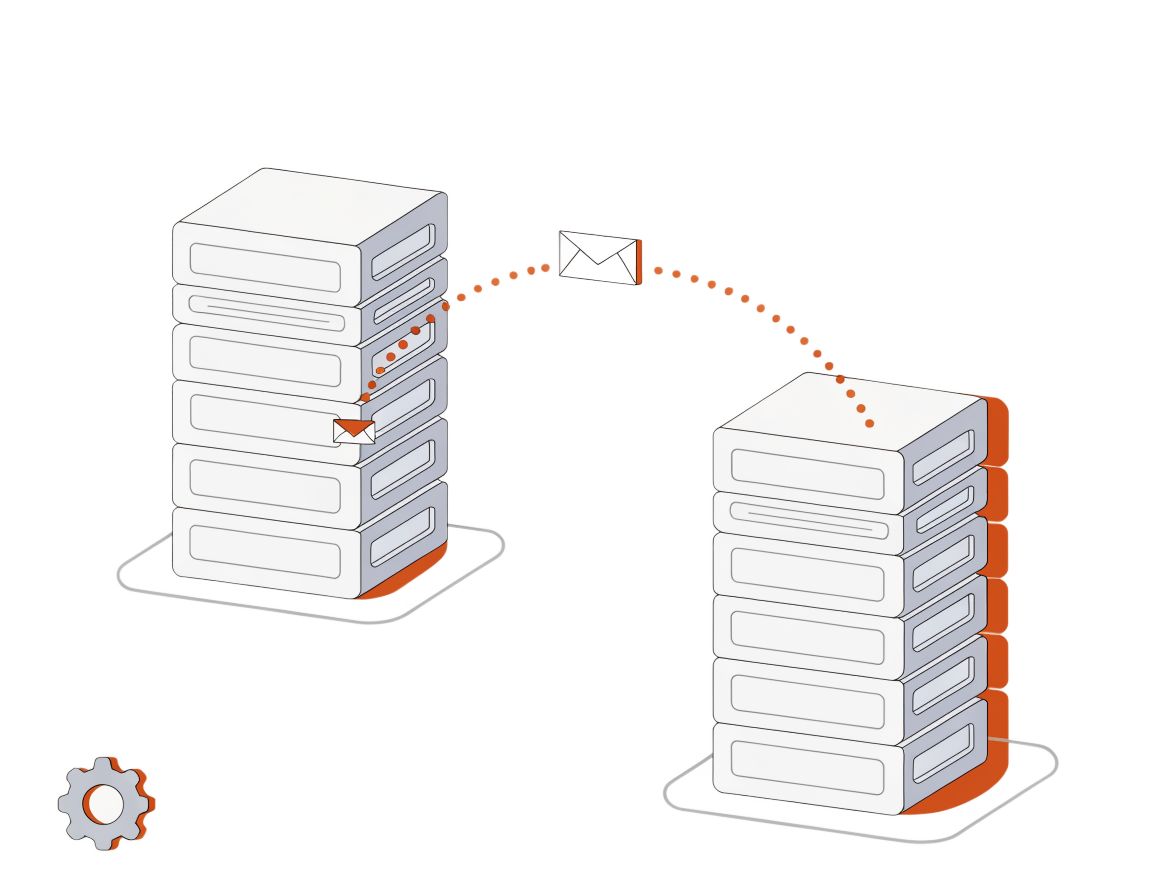
Host-to-Host API — entry and prize hooks on your engine
If your platform runs its own lineup-scoring engine, the REST API sits at the cashier layer: an invoice per entry, confirmation events over HMAC-SHA256 webhooks, and signed payout calls. The confirmed-entry webhook seats the player in the slate; once your engine grades the results, your code fires the prize payouts. Grade a whole test slate in Sandbox first; only the credentials change when the real one starts.
See details
Embedded Checkout — inside the lobby
For the everyday flow — browse the lobby, pick a contest, fund the entry — an embedded panel drops into your cashier. The player taps the stablecoin option, pays, and the lineup is locked into the slate in seconds. It sits beside your card and bank-transfer options, so the players who prefer those keep them.
See details
Payment Links — headline GPP and affiliate sign-ups
For a guaranteed-prize-pool contest pushed through affiliates, Discord or X, mint a payment link in the dashboard and drop it in the promotion. The player's entry credits your Paymos balance and your platform seats them on confirmation — taking the declined-card drop-off out of affiliate-driven sign-ups that you paid to acquire.
See detailsA weekend slate, paid on a wallet
What does a DFS week look like on stablecoins?
Four moments in a fantasy week — funding a lineup, the rush before lock, grading and paying the slate, and the season-long regular.
Funding a lineup — Embedded Checkout
A player sets a lineup and funds the entry in the lobby. The stablecoin entry confirms in seconds and seats them in the slate — no issuer decline on the gambling code, nothing skimmed into a reserve, and no chargeback once the slate has been scored.
The rush before lock — Host-to-Host API
An NFL Sunday packs the late entries into the minutes before kickoff lock. Each one is paid on-chain to the address held for that lineup, so no entry waits on the one before it to clear, and there's no card-processor concurrency cliff in the way. The pool fills as the entries confirm, right up to the lock.
Grading and paying the slate — Host-to-Host API
Stats go final, your engine grades every lineup, and your rules clear the prize ladder. Your system calls the payout API per winner and each prize is its own transfer, not a line in a batch someone runs later — no multi-day bank cycle, no wire fee, and Paymos takes 0 commission rather than a second cut on the way out.
The season-long regular — renewal invoice
A grinder reloads a bankroll every game week through the season. Each week your platform issues a fresh reload invoice and the player settles it from their wallet in a tap — no stored card to expire, nothing pulled automatically. Wallets can't be debited on a schedule, so a player who's done for the season just leaves the next invoice unpaid.
The DFS cashier on stablecoins
Frequently asked questions
Does Paymos decide where my contests are legal to run?
How is a prize ladder paid out to player wallets?
Will the cashier hold up in the minutes before lock?
Do we still need our own KYC stack if entries arrive as wallet transfers?
What happens to entries when a contest is cancelled or under-fills?
Will a sandbox run tell us whether the lock-minute burst holds?
Honest disqualifier
When NOT to run DFS contests on Paymos
Four fantasy setups where this rail is the wrong fit — worth ruling out before you build.
Your format isn't a permitted game of skill where players sit
Whether a paid fantasy contest reads as skill or as gambling shifts state by state and country by country, and the payment rail has no say in it. Paymos won't certify your format or geo-fence entrants — it processes the entries you point it at and takes no position. Get the classification opinion per market first; it governs far more than the cashier does.
Your licence mandates player funds in a segregated bank account
Some fantasy regimes require player balances held in trust or segregation at a licensed bank. A stablecoin treasury in your own wallet doesn't satisfy that construction, however clean the on-chain trail is — and Paymos has no fiat-bank leg to bridge it. Where that condition applies to your registration, confirm with compliance before you build the cashier on this rail.
You catch multi-accounting through card and device data
Sharks running many accounts to farm beginner contests are usually unmasked by shared cards and device fingerprints the card flow hands you. A wallet entry carries none of that, and a fresh address costs nothing to spin up. Your integrity tooling needs its own signal for on-chain entries before they become a real share of the pool.
Your entrants are casual fans funding with a debit card
The mainstream DFS player funds a contest the way they buy a jersey — a debit card or a household wallet app — and won't open a crypto wallet to enter one. Stablecoins earn their place with the international and crypto-holding tail of your base; run them as an extra cashier tab, with cards left as the default path.
Related flows
Other iGaming & Betting sub-niches on Paymos
Pricing
1.0% per settled entry, all-in. Network cost on us
A guaranteed prize pool has to be funded whether the contest fills or not, which makes a reserve against your entries the one cost you genuinely cannot carry. There is not one here: a $5 entry and a high-stakes seat both settle at 1.0%, and the prize goes out with Paymos taking 0 commission. Ask about 0.3% from your first contest — entry volume and the size of an entry are what we weigh. For reference, acquirers that touch fantasy traffic charge 2.5–7% on an entry with a reserve behind it, and gateways headlining from 0.5% settle nearer 1.5–2% after swap markup, transfer fees and gas.
See pricing