Win the match, get paid before you leave the lobby
Two players stake a skill match at a stablecoin checkout, the stakes credit your Paymos balance, and the result is final the instant the game ends. Your engine calls the winner; the prize is sent the moment you release it, and your platform keeps the commission a card processor would have charged on both sides. The skill-versus-chance ruling in each market stays yours to make.
Where a skill-match platform loses money on the cashier
Why does the cashier eat a head-to-head skill model?
You earn a thin commission on each match, not a house edge — so four payment costs hit harder here than in any luck-based format.
You earn a match commission, not a house edge
A skill platform keeps a small commission off each contested match — players expect the rest back, because the win is theirs to earn. There's no built-in house edge to soak up payment cost the way a casino has. When a high-risk card processor takes 2.5–7% of each stake — before the reserve and the dispute fees — that cost is bigger than your whole commission on the match, so either the commission climbs and players quit, or you run at a loss to stay competitive.
Issuers code a skill match as gambling and decline
Even where your title is a legally recognised game of skill, the issuer reads a paid-entry match against the gambling MCC and refuses a share of cross-border stakes on the code alone. The acquirer who does board you prices that exposure in, and a declined stake at the lobby is a player who never enters the match — the matchmaking pool you spent on acquiring them thins before the first move.
A "0.5%" crypto rate bills the stake and the prize separately
A thin headline from another crypto gateway doesn't hold across a full match. A swap markup, a transfer fee and network cost land when the stakes come in, then land again on the prize that pays out — and on a head-to-head game that's two players staking and one prize, so the gateway clips money flowing both ways. Counted honestly, the take usually settles at 1.5–2% or higher, well above your match commission.
A held reserve and a slow payout break the rematch loop
A skill platform lives on rematch frequency — a player paid fast queues for the next game. A processor that parks a held-back reserve locks the stake money you've already earned commission on, and a multi-day payout cycle means a winner stares at a pending balance instead of staking again. The faster the game format, the more a banking-day payout drags on your retention.
A head-to-head match on a stablecoin rail
What changes when a match settles on stablecoins?
Stake to result to payout — the four points where a wallet rail beats card-and-reserve for a per-match skill model.

The commission survives the match, charged once
Paymos is 1.0% all-in on the stake and absorbs acceptance gas — no swap markup, no separate transfer charge, and no second processing fee when the prize pays out. The quoted rate is the settled rate, so the cashier stops swallowing your match commission and the rake players see can stay low enough to keep them in the queue.

The stake clears on its own, and the result is final
A stablecoin stake does not pass through a card issuer. After confirmation, the stake credits your Paymos balance and carries no card-network chargeback right. Licensing and player controls remain the operator's responsibility.

No second cut when the prize pays out
Paying the winner is an operator-initiated transfer at no extra platform fee — unlike a split-payment processor that takes a cut on each distribution, Paymos takes 0 commission on the payout. Pay one winner of a duel or settle a full ladder of placements; you cover only the network fee for the send — less than the send costs — and the prize carries no Paymos charge on the way out.
The payout fires the moment the game resolves
Your engine calls the result, your rules clear the payout, and the prize goes out on that signal — no banking-day wait, no wire fee, nothing held for a review you never asked for. A player who is paid without chasing anyone is a player already searching for a rematch; your rules decide when each payout fires, and Paymos moves it only when you do.
Wiring the cashier into a match platform
Which integration fits how your matches run?
Three ways to take stakes and pay prizes in stablecoins — matched to your matchmaking engine and how you promote a ladder.
Host-to-Host API — stake and prize hooks on your engine
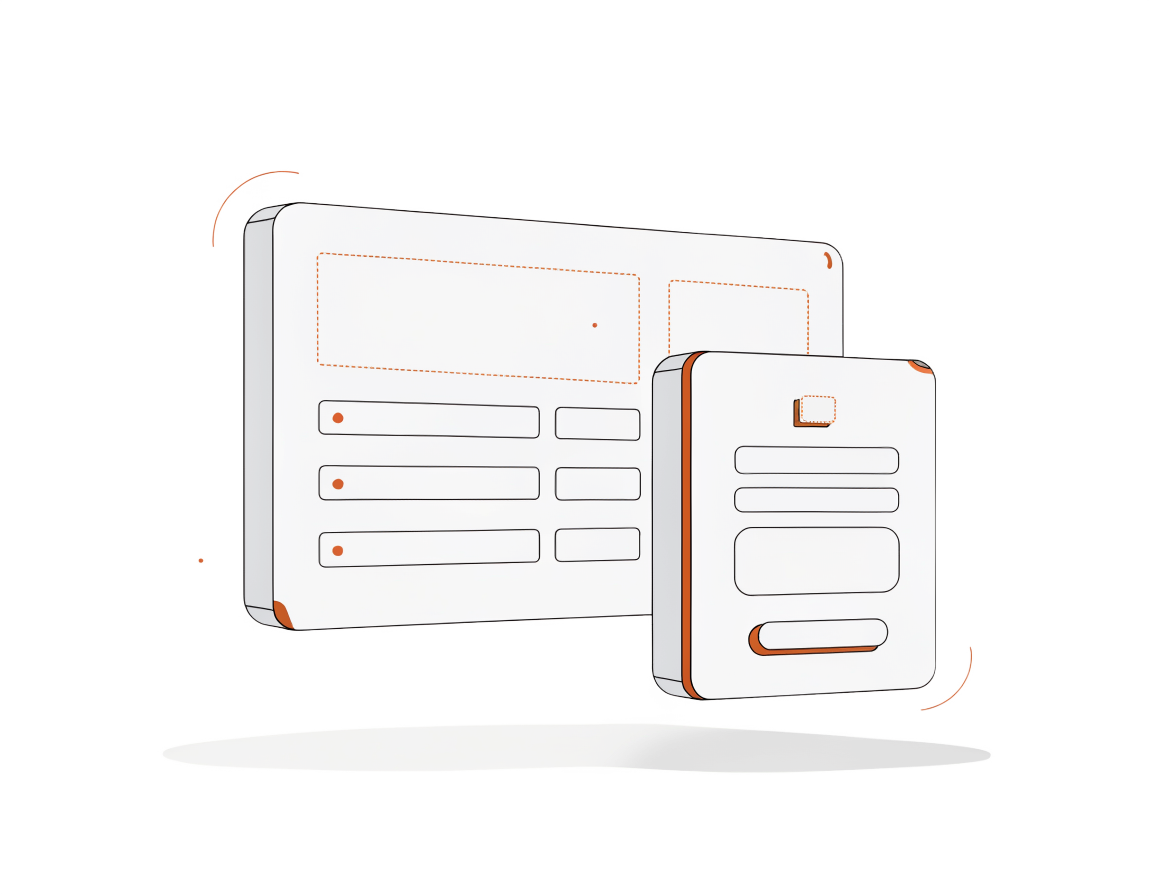
If your platform runs its own matchmaking and result engine, the REST API sits at the cashier layer: an invoice per stake, confirmation events over HMAC-SHA256 webhooks, and signed payout calls. The confirmed-stake webhook seats the player in the match; once your engine calls the winner, your code fires the signed prize transfer. Play a test match through Sandbox on separate credentials; the contract you integrate against is the live one.
See details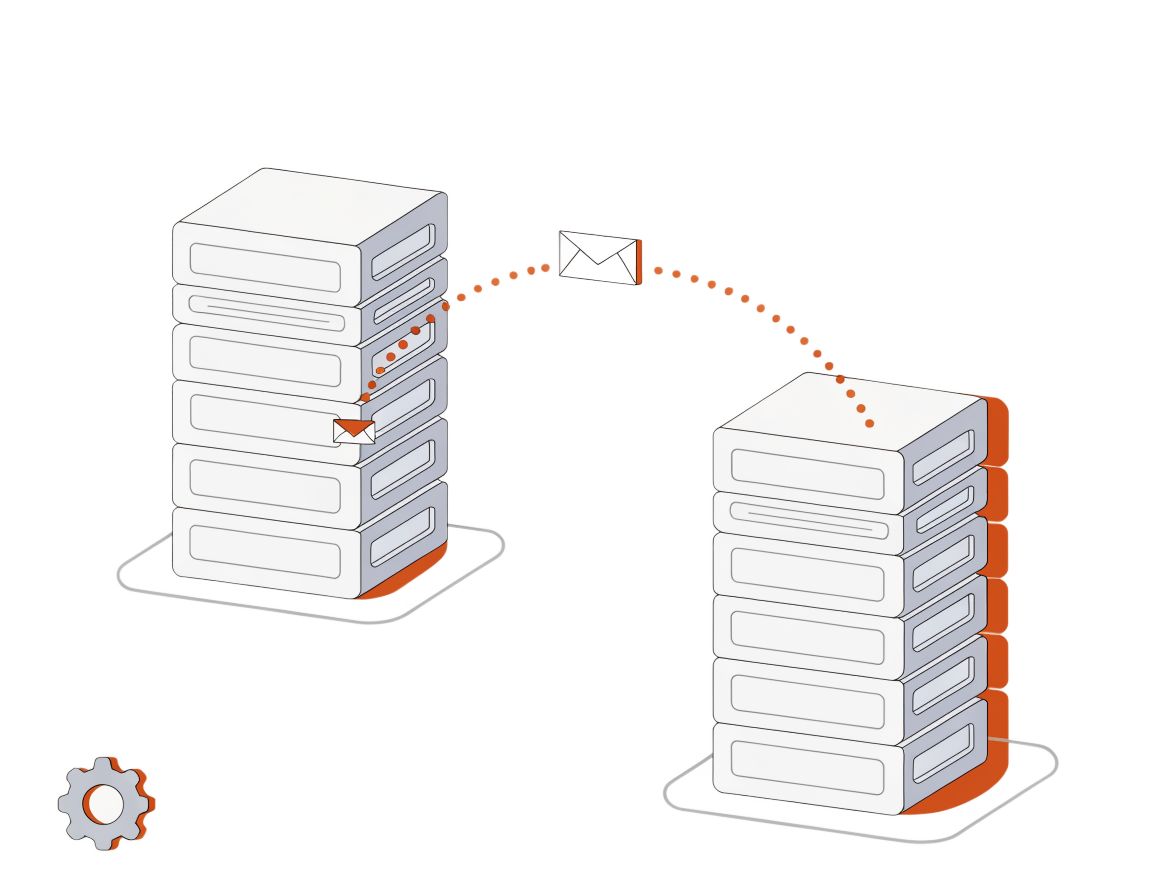
Embedded Checkout — stake from the match lobby
For the everyday flow — pick an opponent or a bracket, ante the stake — an embedded panel drops into your cashier. The player taps the stablecoin option, pays, and their seat in the match is locked in seconds. It sits beside the card and bank-transfer options, so the players who prefer those keep them.
See details
Payment Links — ladders and community tournaments
For a ranked ladder or a community tournament run through Discord, Telegram or a creator channel, mint a payment link in the dashboard and drop it into the promotion. The entry lands on your Paymos balance and your platform seats the player on confirmation — taking the declined-card drop-off out of the community sign-ups you worked to gather.
See detailsA skill cashier, match by match
What does a real-money skill platform run on a wallet?
Four moments — the head-to-head duel, the tournament fill, paying out a placement ladder, and the season-pass regular.
Head-to-head duel — Embedded Checkout
Two players ante into a 1v1 through your cashier. Each stablecoin stake confirms in seconds and seats the player at once, so the match kicks off without a payment wait — no issuer decline on the category, nothing held in a reserve, and no chargeback once the game has been played.
The bracket fill — Host-to-Host API
A tournament draws a burst of stakes in the minutes before the bracket locks. Players pay from the chain each of them already holds, into an address minted for that seat, and none of those transfers competes with another for a slot. No card-processor concurrency cliff sits between a player and the field, and the bracket fills as the stakes confirm.
Placement-ladder payout — Host-to-Host API
The tournament resolves and your engine ranks the field. Your system calls the payout API once per placement, and each winner gets a single transfer to their wallet — no per-winner platform cut on the distribution, no multi-day bank cycle, and you cover only a subsidised network fee on each transfer.
The season-pass regular — renewal invoice
A grinder subscribes to a monthly pass for ranked play. Each cycle your platform issues a fresh renewal invoice and the player settles it from their wallet in one tap — no stored card to expire, nothing pulled automatically. A wallet can't be charged on a timer, so the player approves every cycle by hand — and a player done for the season simply lets the next invoice lapse.
The skill cashier on stablecoins
Frequently asked questions
Does Paymos decide whether my game counts as skill?
How is a placement ladder paid out to player wallets?
Can the cashier absorb a stake burst before a bracket locks?
Who vets the two players before a staked match goes ahead?
What happens to stakes when a match is cancelled or void?
What should we run on test credentials before the first staked match?
Honest disqualifier
When a skill platform should pass on this rail
Four skill-platform setups where a wallet cashier is the wrong fit — flagged up front, not after launch.
The skill classification doesn't hold in your target markets
Your whole model rests on the title qualifying as skill rather than chance, and that ruling shifts by market and sometimes by game mode. The payment rail has no say in it — Paymos processes the stakes you point it at and takes no position. Settle the skill-or-chance reading market by market before you launch; that opinion shapes the business far more than the cashier ever will.
Your matches are played inside iOS and Android apps
If stakes are paid inside a native app, the app stores require their own billing and reject third-party payment flows in that context. A stablecoin checkout inside the app risks removal from the store. The rail works for web-based and desktop-client play — for a mobile-app-first product, the store's billing rules win.
Third-party studios on your platform expect automatic revenue splits
A platform hosting outside game studios often promises each one a share of every stake, paid out by the processor. Paymos has no sub-accounts and no split logic — stakes settle whole to your Paymos balance, and studio shares become payouts you compute and trigger yourself. Workable, but it's your ledger doing the accounting, not the rail.
Your players are casual app-store users paying with a saved card
Casual puzzle and trivia players paying with a stored card or a store balance rarely hold stablecoins, and a wallet prompt at the stake screen reads as friction, not a feature. Keep the established methods for that crowd and let this rail serve the cash-game players who already live on-chain — run it as an extra cashier tab, not the default.
Related flows
Other iGaming & Betting sub-niches on Paymos
Pricing
1.0% per settled stake, all-in. Acceptance gas covered, nothing on the payout
In a stake-and-prize game the money in has to equal the money out, and any rail that holds a reserve breaks that arithmetic on your behalf. Nothing is withheld: the stake settles at 1.0%, and the prize leaves with Paymos taking 0 commission on it, the network fee being the only cost on that leg. A lower rate of 0.3% is settled between us on stake volume and the networks players fund on, from the first match. Set that beside acquirers touching skill-game traffic at 2.5–7% a stake with a reserve on top, or a gateway headlining from 0.5% that lands at 1.5–2% once swap, transfer and gas hit stake and prize both.
See pricing