Protect the poker rake at every table stake
A few points of rake is the whole margin, and a card processor eats most of it. Players buy in with USDT or USDC, the funds credit your Paymos balance, and a confirmed buy-in can't be charged back on a hand that already played. Hundreds register inside the late-reg window without a concurrency cliff, and a winner's cash-out leaves for their wallet the moment your AML rules clear it.
Where a poker room bleeds money on payments
Why does a rake-model room lose its margin at the cashier?
Four leaks between a player's buy-in and your lobby — a rake margin the processor outweighs, late-reg bursts that throttle, issuers that refuse the category, and cash-outs held days for review.
Processing cost outweighs the rake itself
A room earns a few points of rake on pots and tournament fees — that is the operator's entire margin before software licensing and a guaranteed prize pool. A high-risk card processor commonly takes 2.5–7% of the deposit, and the dispute fees and the reserve behind it push the real cost past the rake the same buy-in generates. The room either lifts the rake and loses players to a cheaper lobby, or moves the buy-in onto a rail that costs less than the hand earns.
The late-reg burst is where card concurrency breaks
A Sunday major draws hundreds of registrations into the last few minutes before late-reg shuts. That spike surfaces every card weakness at once: a 3-D Secure step-up on every player, a gambling-category gate, an acquirer throttling the burst. The seats that fail at the deposit never enter — and the guarantee still has to be met, so the shortfall comes straight out of the prize pool and the acquisition spend.
On a thin rake, a "0.5%" gateway still bills nearer 2%
A rival gateway posts a low headline rate, then layers a swap markup, a transfer fee, and merchant-paid network cost — billed on the buy-in coming in and again on the cash-out going back. By the time a buy-in has cleared and a winner has been paid, the effective rate sits at 1.5–2% or beyond. On a rake-thin room that gap is the difference between a profitable table and a dead one.
A held cash-out moves a grinder to a faster room
A regular who ships a Sunday major expects the money before he reloads. A card processor can park that withdrawal for days of review, the support thread fills with "where's my cash-out," and next month's rake from that player follows him to a room that paid faster. The hold may be honest compliance, but from the seat it reads as a room that cannot pay its winners.
What a stablecoin cashier returns to the room
What changes when buy-ins and cash-outs run on stablecoins?
Four things that go right once the lobby stops leaning on card rails and teaser-priced gateways: the rake math, the late-reg burst, deposit finality, and the speed you pay a winner.

One flat rate that leaves the rake intact
Paymos is a flat 1.0% on a settled buy-in, micro-stakes and high-stakes alike, and that figure already absorbs the inbound network gas, the sweep, and same-token settlement — no swap markup, no separate transfer line. The cash-out adds no second processing cut: Paymos takes nothing on a payout, and you cover only the network fee on the cash-out, billed under what that send costs. The quoted rate is the settled rate.

The late-reg burst settles seat by seat, in parallel
Hundreds of buy-ins in the same few minutes settle as independent on-chain payments — no shared acquirer throttle, no category decline cliff, no step-up queue stacking up. Each clears on its own and the lobby seats that player, so late-reg holds full registration rate to the close and the guaranteed pool fills.

No issuer to refuse you, and a played hand is final
A stablecoin buy-in never routes through an issuer that can decline your category, and once it confirms on-chain it can't be reversed. No chargeback on a hand that already played, no per-dispute fee, no ratio climbing toward a surcharge — and the confirmed deposit credits your Paymos balance, with no acquirer reserve parked against the float.
Pay the winner the moment your rules clear it
When your AML step clears a cash-out, your system requests the payout to the player's whitelisted address and there is nothing between that request and the send — no multi-day review queue, no banking-calendar gap, no support thread asking where the money is. Your rules decide when each one goes; Paymos signs and sends when you do, takes zero commission on it, and charges only the network fee behind the send, itself subsidised.
How a poker room wires the cashier to Paymos
Which integration fits your poker platform?
Three ways to plug stablecoin buy-ins and cash-outs into the lobby — full API control, a drop-in panel, or a zero-code link for a series.
Host-to-Host API — your own tournament engine
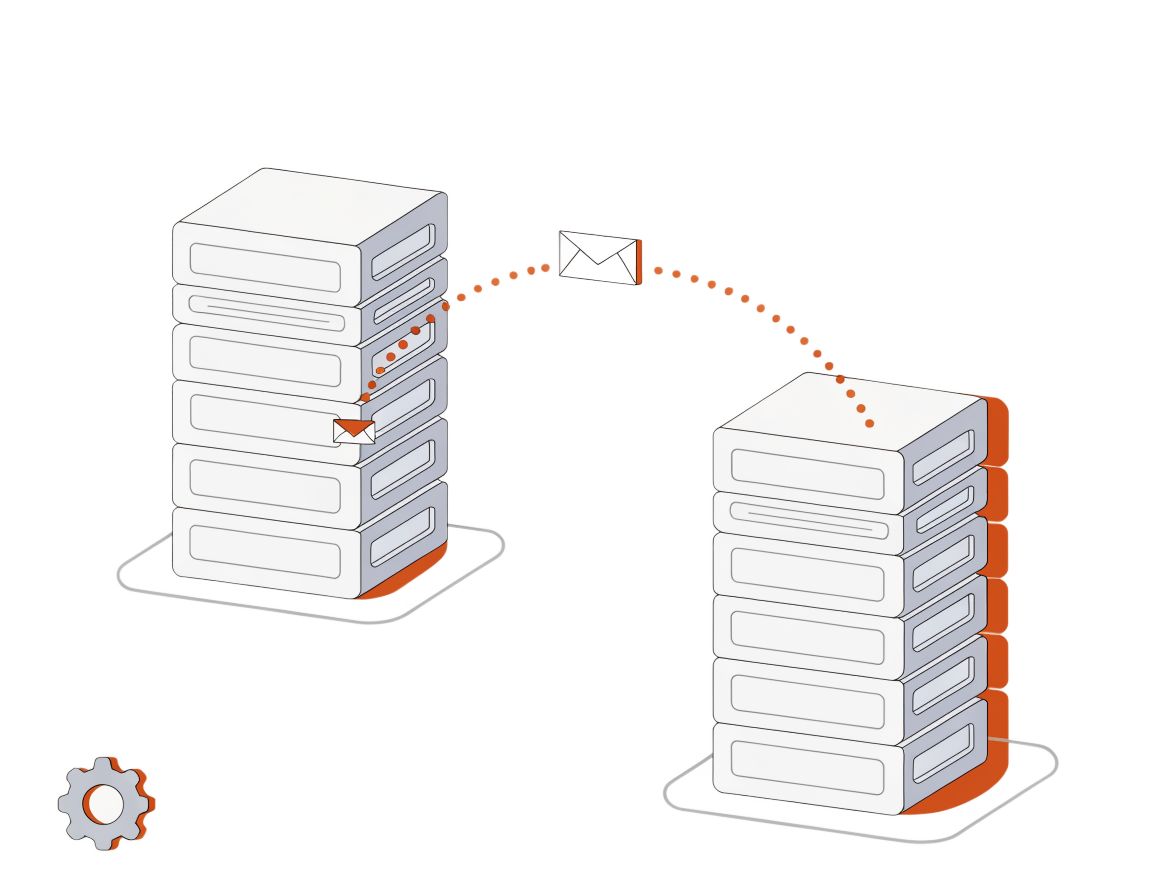
A room running its own tournament engine and cash-game lobby integrates at the cashier layer over pure REST: an invoice per buy-in or table top-up, status pushed over HMAC-SHA256 signed webhooks, and a payout call to whitelisted addresses authenticated the same way. A late-reg batch is many independent invoice creates, and creation carries the API's tightest limit — 5 a second per merchant by default, raisable on request — so what you size is your own send rate against that ceiling. Sandbox keeps the same API contract with separate test credentials and simulated outcomes; verify live-network load before launch.
See details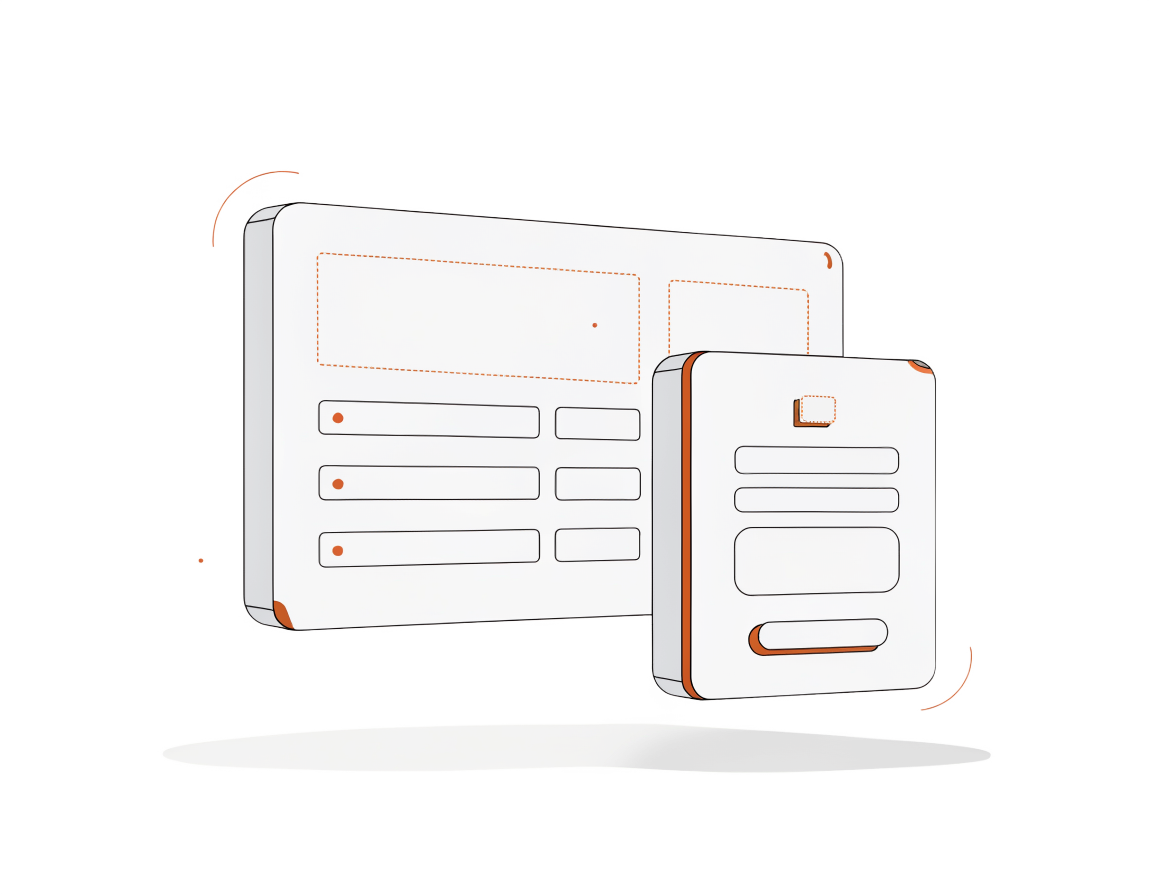
Embedded Checkout — drop it into the cashier
For the everyday flow — take a seat, register a tournament — an embedded panel sits inside your cashier as an overlay. The player chooses to deposit in stablecoin, pays from any wallet, and the lobby credits the balance in seconds. Your card and bank options stay alongside it, so each player picks the rail that suits them.
See details
Payment Links — register a player for a series
For a series announced through affiliates, partner streamers, or a Telegram channel, generate a payment link in the dashboard with no code. Players pay the buy-in to your Paymos balance, and an invoice.paid webhook tells the lobby to register them on confirmation. It carries the buy-in for off-platform marketing without the declined-card drop-off that bleeds affiliate sign-ups.
See detailsPoker cashier flows already running on stablecoins
What poker patterns run cleanly on a wallet?
Four flows operators already run — the late-reg batch, a cash-game reload, a series buy-in over a link, and a winner cash-out that waits on your AML step and nothing else.
Late-reg buy-in batch — Host-to-Host API
Late-reg opens on a Sunday major and hundreds of players buy in over a few minutes. The API mints an independent invoice per player; each confirms on its own and the lobby seats that entry, so the guaranteed pool fills at the burst rate instead of stalling on a shared card limit.
Cash-game reload mid-session — Embedded Checkout
A regular busts a stack and reloads through the cashier overlay without leaving the table. The stablecoin top-up confirms in seconds and the lobby credits the seat at once, so the player is back in for the orbit currently dealing. A card step-up that takes a minute would miss the hand and cost you a busy seat.
Guaranteed-series buy-in — Payment Link
A guaranteed series goes out across affiliates and partner streams. You drop a payment link into each channel; players pay the buy-in from any wallet, the buy-in credits your Paymos balance in seconds, and the lobby enters them on confirmation. The rake the room keeps instead of losing to a processor is what funds the overlay on the next guarantee.
Winner cash-out with no payout window — Host-to-Host API
A player ships the event, your engine grades the room balance, and your AML step clears the cash-out. Your system calls the payout API with a whitelisted address and a single signed transfer is released the moment that check passes — no days-long review hold, no support ticket, no grinder taking next month's volume to a faster room.
Licensed poker-room cashier on stablecoins
Frequently asked questions
Can Paymos take hundreds of simultaneous tournament buy-ins?
Does Paymos bring player traffic, or only the payment rail?
How does the table balance work with on-chain deposits?
Who handles player KYC and responsible-gaming limits?
What keeps a cash-out from reaching an address we never approved?
What can the lobby integration prove in sandbox before the first live series?
Honest disqualifier
When NOT to put a poker cashier on Paymos
Four cases where a stablecoin rail won't fix what's wrong with the room.
You're a skin and the network owns the cashier
On a shared-liquidity network the pool operator usually dictates the payment stack for every skin, and most of those ecosystems are built card-first. You can't bolt an independent deposit rail onto a player pool you don't control. Paymos fits a room that runs its own lobby and its own cashier — if the network decides payments, the choice isn't yours to make.
Your real problem is field size, not payment cost
Empty tables and shallow Sunday fields are a player-acquisition problem that sits upstream of the cashier. A cheaper rail frees up rake to spend on an overlay or marketing, but Paymos brings no traffic of its own. Fix the field first; the rail will still be here when the lobby fills.
Your licence forbids wallet-funded poker
Some regulators treat a crypto deposit for poker the way they treat one for casino — barred outright or limited by licence class. Reading and meeting those conditions is your team's job; Paymos neither rules on legality nor screens for it, so settle the question before any integration work begins.
Your field is card-funded and won't move
A player pool recruited from card-funded poker — recreational players above all — won't reach for a wallet just because your margin improved. Stablecoins earn their keep with the international, exchange-using slice of the field. Run the rail beside your card cashier and let each kind of player pick its own lane.
Related flows
Other iGaming & Betting sub-niches on Paymos
Pricing
1.0% per settled buy-in, all-in. Inbound gas on us
The 1.0% is flat across the micro-stakes buy-in and the high-stakes deposit, and a late-registration batch counts as the individual buy-ins it is, never rolled into an aggregate tier. Inbound gas, the sweep and same-token settlement sit inside that figure; a cash-out adds no commission at all. Ask from your first table for 0.3% — buy-in flow and how many players fund decide it. Gambling-coded acquirers run 2.5–7% on a buy-in, with the reserve and the dispute fees behind that, and teaser gateways quoting from 0.5% arrive nearer 1.5–2%, often above, after swap, transfer and network costs.
See pricing