Settle the winning side the instant you resolve
Your prediction market calls the outcome; the payments API pays the holders. Collect entries in USDT or USDC that can't be reversed once they confirm, then pay each winning wallet with a call of its own the moment your rules release the market. How the event resolves and how it's authorised both stay with the operator.

Where the payment stack fights a resolution engine
Why does card settlement break at resolution?
A market's edge is paying the right side the instant an event is called. Cards and teaser-priced gateways add four frictions that fight exactly that.
A loser can dispute the entry after the outcome is known
You've already paid the winning side, then a holder of the losing side files "I didn't authorise that." Months later the card rail pulls their entry back plus a per-dispute fee, and the loss compounds: you funded the payout out of money the issuer just reversed. A market that resolves cleanly can't run on entries that uncollect themselves.
Mass payouts don't fit a card refund API
Resolution means crediting every holder of the winning side at once — sometimes thousands of accounts off one outcome. Card rails were built to charge, not to disburse to a list; pushing money out runs through refund and payout flows that throttle, batch by banking day, and charge per send. The payout your engine computes in milliseconds takes the bank days to deliver.
A "0.5%" headline is charged on both the entry and the payout
Other crypto gateways quote a low figure, then layer a swap markup, a transfer fee and merchant-paid network gas — once when the entry lands and again when the resolved payout leaves. A market touches both legs on every position, so the realistic all-in commonly lands at 1.5–2% or more. On thin-margin event pricing, that gap is the house edge.
A reserve locks the float that backs open positions
The money traders stake on open positions is the money you owe the winning side at resolution. A held-back reserve and a multi-day payout cycle freeze part of it exactly when you need it liquid, and a trader who waits days for a called market routes the next position to a venue that settles on resolution.
A rail with no window between your call and the send
What does a wallet rail give a resolution engine?
From the entry that opens a position to the call that releases the pool, four points where on-chain settlement matches how a market actually works.

An entry that confirms can't uncollect itself
A confirmed stablecoin entry is final, so the losing side has no dispute button to pull money back after the outcome lands. The cash that opened the position stays yours to pay the winning side with — no per-dispute fee, no ratio drifting toward a surcharge, and nothing held in a reserve against the chance of a clawback that can't happen.

A send per winning holder, and no window to miss
Your settlement job walks the winning side. It creates one withdrawal per holder — that wallet, that amount, that network, that asset — and nothing pools them into a payout window or parks them in an approval step, so no line forms behind the first winner. A thousand winners off one outcome is a thousand independent sends, not a banking-day run.

The dollar that opens a position is the dollar that pays it
Entries arrive and payouts leave in the same stablecoin, so nothing converts behind the scenes and no spread gets shaved off either leg. One flat 1.0% on a settled entry already absorbs acceptance gas and the sweep; the payout side carries no second processing fee, and Paymos takes nothing on the send — you cover only a network fee on the transfer, smaller than the transfer costs. The rate you quote is the rate you settle at.

Your engine decides; the money follows the same instant
Your platform reads the event, grades the positions, and releases the pool — Paymos never touches the outcome, only executes the payouts your rules authorise. A contested settlement, a void, a re-grade: the call is yours alone, and the transfers move only once you trigger them. No oracle wired into payments, no banking calendar standing between resolution and a paid winner.
Three ways onto the rail
Which integration fits your platform?
From a full order-and-resolution engine to a single large position, three ways to put entries and resolved payouts on-chain.
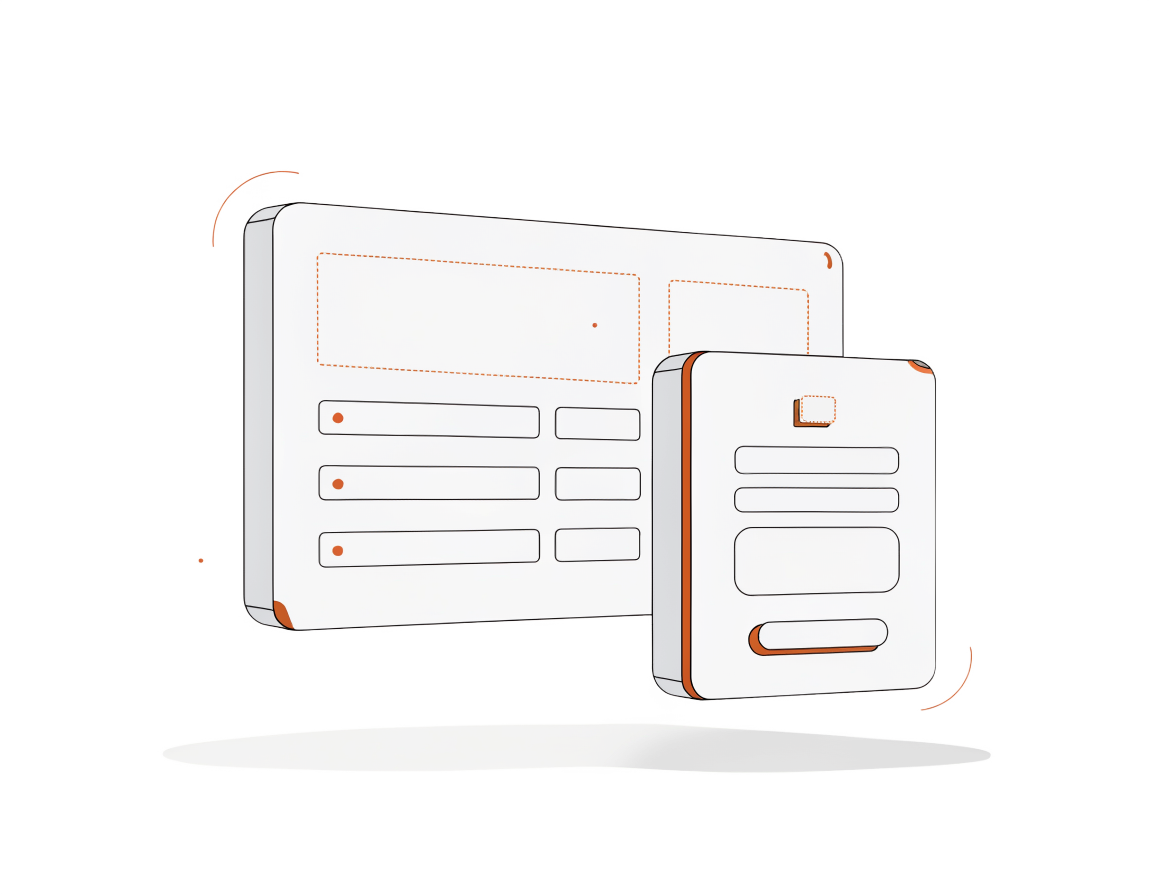
Host-to-Host API — entry hooks and signed payouts
For a platform running its own order book and resolution engine, the REST API creates an invoice per entry and confirms it back over HMAC-SHA256 webhooks, so a confirmed entry opens the position the moment it lands. When you resolve, your system creates one withdrawal per winning holder over a separate Payout credential, each signed and broadcast on its own. Sandbox keeps the same API contract with separate test credentials and simulated outcomes; verify live-network operations before launch.
See details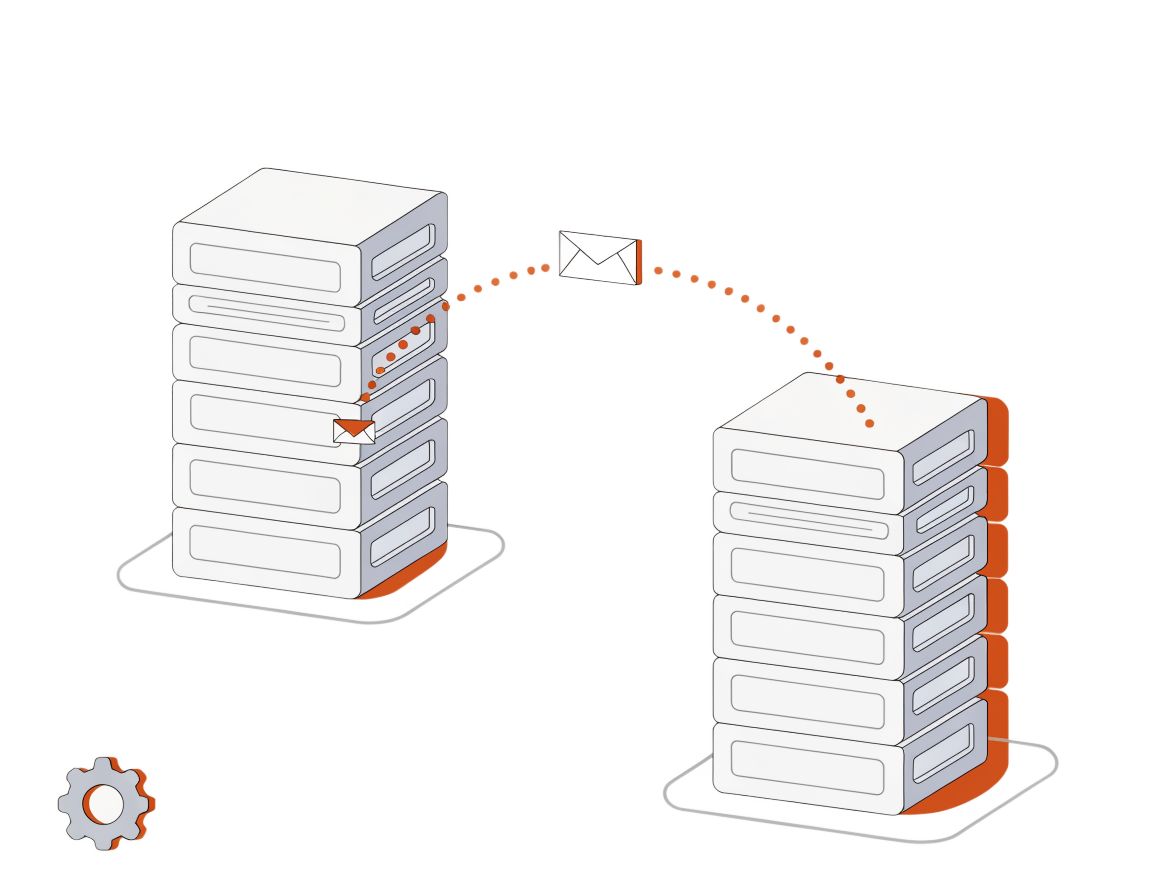
Embedded Checkout — inside your trade panel
Drop the checkout into your cashier with one script tag and the trader never leaves your URL: they pick a market, choose to pay in stablecoin, and the position opens within seconds of confirmation. Your existing card and bank-transfer options keep running alongside it, so the wallet rail is an added funding choice, not a swap-out.
See details
Payment Links — a single large position
For one outsized or desk-placed entry, generate a payment link from the dashboard with no code at all. The trader pays from any wallet, the funds credit your Paymos balance on confirmation, and the position opens — a clean fit when a desk wants a real invoice on the position rather than a card form.
See detailsWhat runs on the rail today
Which market flows fit a wallet?
Four patterns operators run — a routine entry, an outsized one, a resolved pool paid holder by holder, and a renewed market pass.
Open a position — Embedded Checkout
A trader takes a side through your cashier and pays in USDT or USDC. The entry confirms in seconds and the position opens on the spot — no issuer to decline the category, nothing parked in a reserve, and no way for the entry to be reversed after the market is called.
Place a large position — Payment Link
A desk wants size on one outcome. You send a payment link, they pay from an exchange withdrawal or their own wallet, and the funds credit to your balance on confirmation with the position opening the same moment — a real invoice on the trade, nothing held back.
Release the pool — Host-to-Host API
You grade the event and your rules release the market. Your back end then steps through every winning position, opening a payout to the address you whitelisted for that holder, each one initiated on request rather than held for a window. If that run dies halfway, re-running it is safe: a payout that reuses the same external order id returns the withdrawal already created instead of sending a second one. No second processing fee on that leg, and Paymos takes nothing on the send.
Renew a market pass — fresh invoice each cycle
A regular keeps a monthly pass for premium markets or data. Each cycle your system issues a new invoice and the trader approves it from their wallet in one tap — no card on file, no card to expire, and nothing pulled automatically. Stopping is simply not paying the next one.
Prediction markets on a wallet rail
Frequently asked questions
Does Paymos decide how my market is classified or licensed?
How does a resolution-triggered payout actually run?
Does same-token settlement avoid a forced conversion?
Who handles trader KYC and AML — Paymos or the operator?
How do refunds work if a market is voided?
Can I rehearse a full resolution run before go-live?
Honest disqualifier
When a wallet rail is the wrong fit
Four market designs this rail doesn't carry — better to hear it before you spend integration time.
You need a payment partner to vouch for the structure
Paymos executes the payments you authorise and takes no view on how your market is classified — it won't tell you whether your event market is a derivative or gaming, and it won't stand behind that judgement. If you're looking for a payments partner to validate or warrant the legal structure of the market, that isn't what this rail is; that call stays with you and your counsel.
A clearinghouse or custodian of record is mandatory
Where your model requires trades to clear through a regulated venue or trader funds to sit with a custodian of record, a payment rail doesn't fill that role. Paymos holds the balance in managed custody and sends the payouts you authorise, which by design makes it neither a clearing member nor a custodian of record. If your structure needs one, you're shopping in a different category.
You promise traders fiat in and fiat out
Entries arrive and payouts leave as stablecoins to wallets — nothing in the rail moves dollars into a bank account, and a voided market is unwound by transfers you send back yourself. If your front end commits to bank deposits and withdrawals, you'd be bolting the conversion layer on top. Own that scope deliberately, or pick a fiat-native provider.
Your traders come from brokerage apps, not wallets
Flow that arrives from stock-trading apps funds by bank transfer and card and has often never signed a wallet transaction. For that crowd, the wallet step is a drop-off, not a draw. Point the stablecoin rail at traders who already hold one, and let the brokerage audience keep the funding they know.
Related flows
Other iGaming & Betting sub-niches on Paymos
Pricing
1.0% on the entry. The resolution payout adds no second cut
The 1.0% is charged once, on the entry that settles, and it already covers acceptance gas and same-token settlement. Releasing the pool to the winning side is not a second chargeable event: no processing fee on the send, only a subsidised network fee for that route. No reserve stands between a market resolving and the money moving. Entry volume and the size of an entry are what bring the rate to 0.3%. Ask from your first market. Rival gateways quote from 0.5% and land nearer 1.5–2% — the floor, not the ceiling — once swap, transfer and gas apply to entry and payout alike.
See pricing