Bill any amount, down to a cent
Settle metered AI inference in USDC at any size through the payments API: a two-cent A100 run is worth charging when there is no per-charge minimum, and the invoice confirms straight into your Paymos balance — no payout cycle, no chargeback window.
Where GPU-second billing breaks the card rail
Why does sub-cent inference billing lose a third to fixed fees on cards?
Four structural mismatches between per-second GPU pricing and a card rail built for $50 e-commerce baskets.
A minimum-charge floor forces batching that hides margin leaks
An A100 inference run can cost the customer under two cents. Card processors won't settle tiny charges, so you batch usage into $5–$20 buckets at hour or day close. Each batch carries a fixed fee plus a percentage, so a $5 inference batch can lose around 9% to processing. The big inference platforms all bill this way and absorb it silently — it surfaces as a vague "platform fee" on the customer's statement and as a "processing cost" on yours.
Prepaid credit abandonment turns into a liability, not bonus revenue
The standard AI-platform model is "buy $50 of credits, burn them over months," and a large share of those credits never get spent. On the surface that looks like free margin, but US unclaimed-property statutes (with multi-year escheatment windows) plus negative-option rules force eventual refund or escheat. The abandoned float becomes a regulatory liability you have to track and eventually return — not the windfall it looks like.
Most AI customers are international, where card coverage has gaps
The ML researcher base is global — Argentina, Pakistan, India, Vietnam, Nigeria, Ukraine. Card processors don't onboard merchants in dozens of those countries, and an issuer in many of them gets declined at high rates on US-based platforms. An Argentine customer can face a steep currency-conversion surcharge plus local tax stacked on top of your subscription price. The customer who'd happily pay $20/mo abandons the card flow on the second re-authentication challenge.
Enterprise commit-and-draw doesn't map to a card-billing invoice model
Large-enterprise PoC budgets work as "$50k committed upfront, drawn over 12 months." Card-billing invoice objects don't natively model a balance ledger — you bolt one onto your own DB and reconcile it against the processor's metered-usage objects. The big inference platforms all run custom commit-draw infrastructure on Postgres because the BD-promised "$50k commit" doesn't fit the standard billing object graph.
How invoice-at-close billing fits inference economics
What changes when usage settles as one stablecoin payment?
Four mechanics that turn the GPU-second rail into a unit-economic positive.

You meter GPU-seconds, Paymos invoices the bucket — no minimum
Your meter aggregates GPU-seconds, inference tokens, or training credits at whatever cadence fits — hourly, daily, weekly, per-job. Paymos issues a settlement invoice when you call us, at any amount: $1.20, $14.40, $847. There's no fixed per-invoice fee and no minimum, so the rate stays proportional whether the invoice is a dollar or fifty thousand. Real-time per-second billing becomes worth charging at any granularity — even the tiniest run.

Prepaid credits are a balance in your DB; refunds are a transfer
The customer prepays $50, the payment credits your Paymos balance, and your DB increments their credit balance. As usage burns it down, you decrement — no external balance object to reconcile against. If the customer abandons and asks for a refund, or your jurisdiction forces one, you initiate an outbound transfer from your Paymos balance. There's no per-refund fee, no "did the original card still exist?" question, and a verifiable payment trail gives you clean records for unclaimed-property requirements.

Every country settles the same, and none gets you cut off
Stablecoin payments don't see country codes. A transfer from Karachi credits your Paymos balance identically to one from Mountain View — same rate, same confirmation time, no exchange-rate markup, no issuer decline by country, no local tax piling onto a $20 subscription. The LATAM, MENA, and SEA researcher segment that previously bounced off card re-auth can finally pay — and no processor can shut you down for serving it.

Enterprise commits land as invoice, webhook, your credit ledger
For a large-enterprise PoC at $50k upfront, you generate one invoice for the full commit. On settlement, Paymos fires an HMAC-SHA256 webhook, your handler credits the customer's GPU budget, and usage burns the ledger down. No invoice-schedule workaround, no parallel reconciliation. The customer signs once, the payment is final the moment it confirms, the ledger stays yours, and the rail is one webhook.
How AI platforms wire Paymos into existing billing
How do you add Paymos on top of your usage meter?
Three integration paths sized to billing-engine depth and team tech profile.
Embedded checkout — top-up flow inside your console
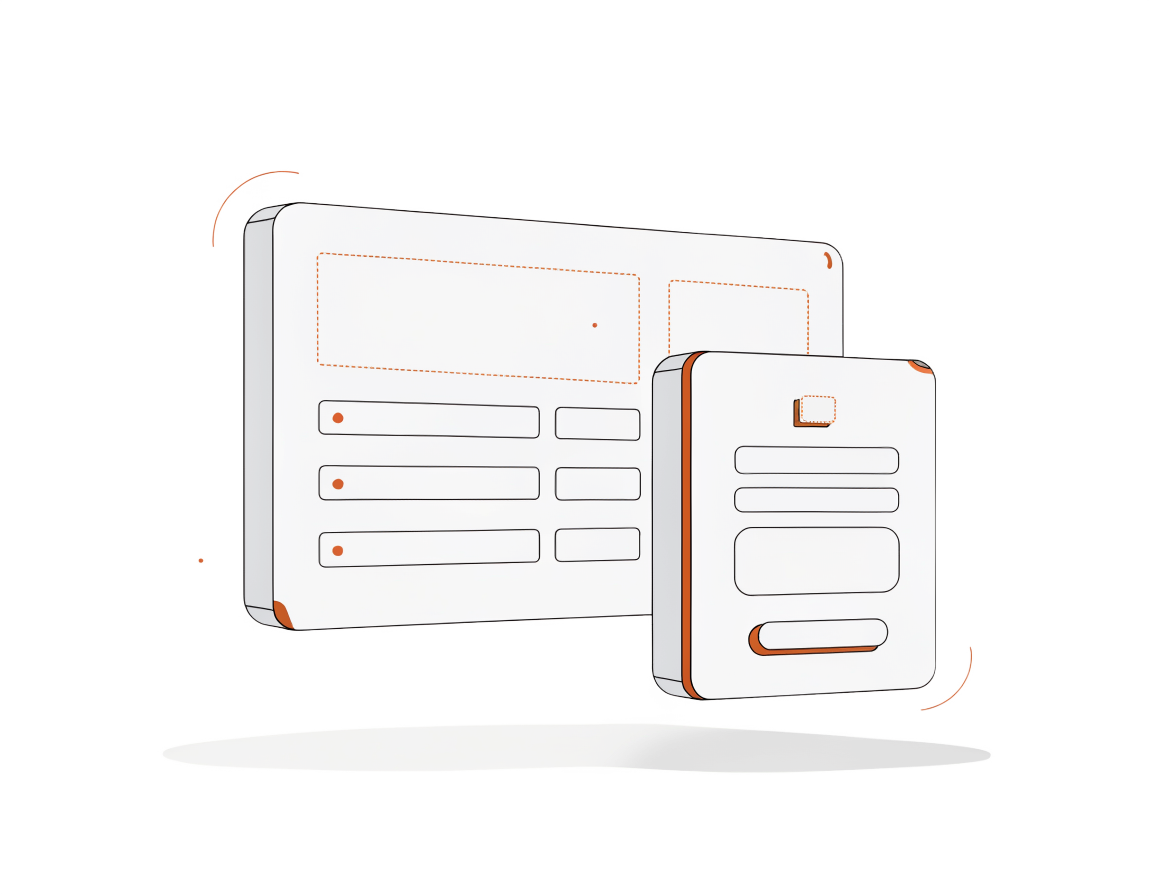
The researcher opens your dashboard, hits "Add credits," picks $50 or $500, and an embedded checkout handles the payment without leaving your domain. Your existing credit-balance UI stays the source of truth — Paymos handles the rail. Used by platforms running interactive consoles where the wallet step needs to feel native, not a redirect-out.
See details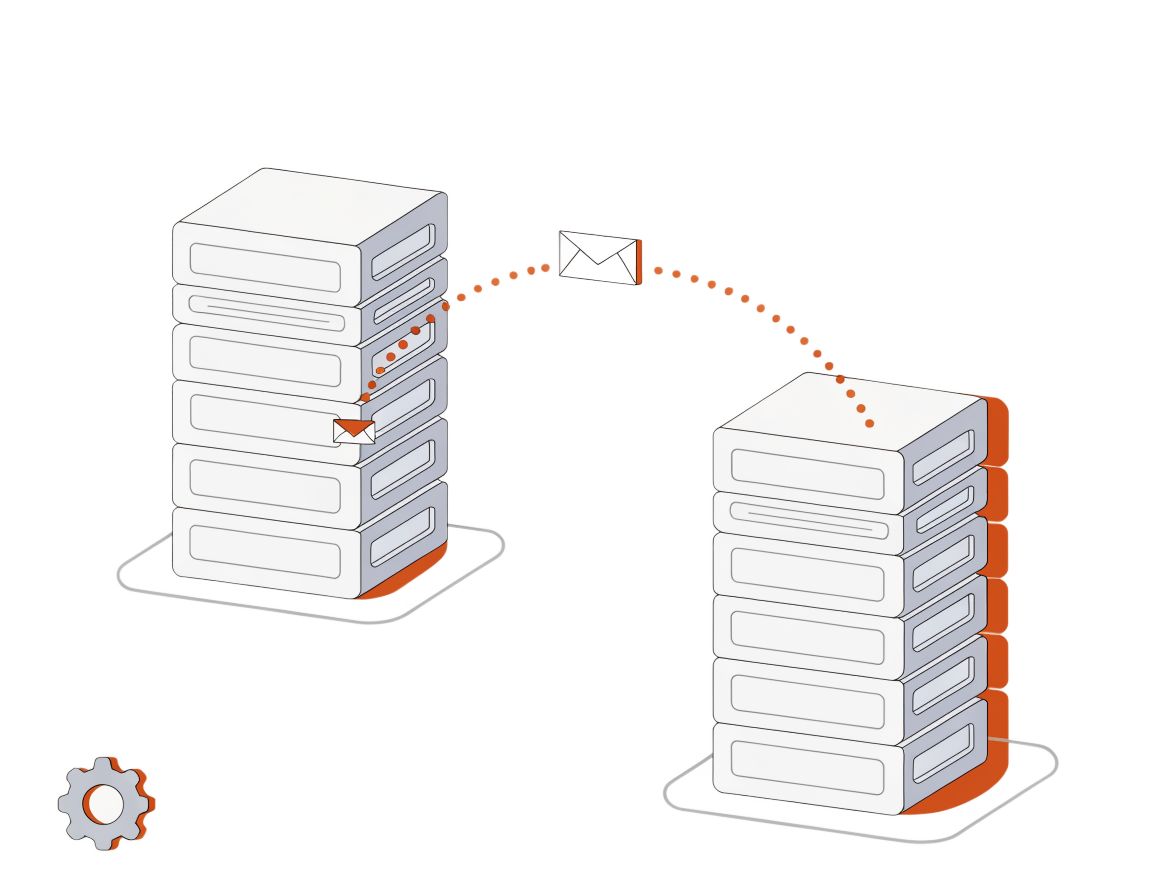
Host-to-host API — for custom usage meters and commit-draw ledgers
If you've already built a Postgres-backed usage meter (because generic metered billing wasn't granular enough), the host-to-host API lets you create invoices on your cadence, watch confirmations across the networks customers use, and signal billing-period close via HMAC-SHA256 webhooks. Your scheduler closes the meter, calls Paymos, the customer's wallet settles, your receivables reconcile — no third-party subscription object in the middle.
See details
Payment Links for enterprise commits and one-shot training runs
For a $50k enterprise commit or a one-shot $8k fine-tuning run, generate a Payment Link from your sales tool or CRM. The procurement contact pays on their schedule, the webhook drops the credit into your ledger, and your finance team doesn't touch a card invoice. Useful for the large-enterprise PoC budget cycle where the deal runs on email, not self-serve checkout.
See detailsAI billing flows on stablecoins today
What inference and training patterns work on a wallet rail?
Four production flows — image inference, LLM tokens, GPU rental, fine-tuning runs.
Image generation API — per-image inference, Replicate/Stability-style
An image-gen API charges a fraction of a cent per image. A researcher generating thousands of images over a month runs up a modest invoice that cards can't process in real time. Paymos settles the period-close invoice in seconds to your Paymos balance, with no minimum floor on the small amount — so you bill the real usage instead of rounding it into a batch, and it can't be charged back later.
LLM inference billing — per-token output, Together/Fireworks-style
Token-based inference can leave a customer owing a few dollars a day — too small for a card to process in real time, so you'd normally batch it weekly. Paymos lets you invoice daily, weekly, or per-job with no minimum: pick the cadence, settle one payment, done. The amount credits your Paymos balance on confirmation, and per-customer token burn that varies a hundredfold all flows through the same surface.
GPU rental by the minute — RunPod/Vast.ai-style long jobs
An H100 rents by the hour, and a multi-day training job lands somewhere in the low hundreds of dollars. Settled at job close as a single stablecoin invoice, it confirms in seconds and the money is yours immediately — no payout cycle, no reserve held back. For the prosumer researcher running several jobs a month, a paid run that can't be reversed is also the platform's cleanest retention surface.
Fine-tuning and custom model hosting — a few thousand per run
Fine-tuning a large model runs a few thousand dollars per run, plus ongoing hosting. The customer settles both as separate stablecoin invoices that credit your Paymos balance on confirmation. The procurement contact at the customer's treasury prefers a single clean payment to two card hits landing on different statement cycles — and once each run is paid, it stays paid.
AI platform billing on stablecoins
Frequently asked questions
How do you handle GPU-second metering when each unit is sub-cent?
What's the prepaid credit model and what happens on customer abandonment?
Can enterprise customers commit $50k upfront and draw against it over 12 months?
Which networks work best for AI researchers versus enterprise PoC budgets?
How does a refund work for failed training runs or bad output?
How does this compare to a metered-billing add-on plus a treasury bank for AI startups?
Honest disqualifier
When NOT to use Paymos for AI platforms
Four cases where the wallet rail won't serve an AI platform — and what to run instead.
You need flat plans that renew without the customer showing up
A stablecoin wallet can't be charged on a schedule — there is no saved-card pull, so every payment starts with the customer. If your whole model is a flat $20/mo plan that silently renews, this rail adds a top-up step your card flow doesn't have. Keep auto-renew on cards and put Paymos under metered usage and prepaid credit packs, where payments are customer-initiated anyway.
You rely on your processor's sales-tax engine
Paymos invoices whatever tax breakdown you compute, but it doesn't track nexus thresholds, register you in new states, or remit on your behalf. If a tax product currently does that across the US states you sell into, that work has to keep living somewhere. Keep the tax engine where it is and move only the settlement leg to the wallet rail.
Your buyers only sign off on purchasing cards or net-60 ACH
When the ideal customer is enterprise procurement with a fixed rule — corporate purchasing card or net-60 ACH, nothing else — a wallet rail never makes it into the buying conversation. Nobody in that approval chain holds a stablecoin wallet, and they won't open one for your contract. Serve that segment on cards and ACH, and bring Paymos in for AI-native startups and international research teams.
You sell to government labs on mandated payment instruments
Public-sector and federal research contracts specify the approved payment instruments in the contract itself, and stablecoins are not on that list. Checking what your contract permits is on you — Paymos doesn't rule on it — but no integration changes what the buyer is allowed to pay with. Keep that revenue on the mandated ACH leg and run Paymos for the commercial side.
Related flows
Other SaaS & Digital Products sub-niches on Paymos
Pricing
1.0% per settled invoice. No GPU-minute surcharge, no minimum
A share of the invoice behaves identically at both ends: a $1.20 batch and a $50,000 enterprise commit are the same product. Ask from your first invoice for 0.3% — invoice volume and what one is worth decide it. A fixed per-charge fee makes only the small end unprofitable, pushing a tiny batch toward double digits before the roughly 3% percentage even applies.
See pricing