Pay 1.0%, not a store cut of up to 30%
Sell gems and passes from your mobile game's own web shop, with a crypto checkout in USDT or USDC — no store keeps a cut of every top-up — and each purchase credits your Paymos balance, never to be reversed.
Where in-app revenue evaporates between the player and your treasury
Why does a third of every in-app purchase leave before you see it?
Four ways the app-store and card stack bleed in-game purchase revenue.
App stores retain up to 30% of each in-app purchase
That cut lands on every gem, gold pack, and battle pass bought inside an iOS or Android app — 30% at the headline rate, half that for sellers on either store's small-business tier. For a free-to-play title doing meaningful monthly purchase revenue, that's a huge slice going to the platform before you pay for servers, content, or user acquisition. Regulation has cracked the door — you can bill players outside the app store now — but you need a non-store payment rail that actually works for in-game purchase economics. That's the entire web-shop play.
A fixed per-charge fee makes the smallest pack unprofitable
Card processing carries a fixed per-charge fee plus a percentage. That math is fine on a large pack; it's brutal on a sub-dollar starter pack, where the fixed fee alone can be most of the price. The starter pack and the impulse chest — the conversion levers every gacha and mid-core title runs on — become structurally unprofitable on cards. The whale's large package still clears fine; it's the cheap-item funnel, the engine of free-to-play, that breaks on cards.
Event spikes push your dispute rate into a monitoring program
Mobile-game revenue isn't smooth — seasonal events double monthly purchases overnight. A recurring-billing add-on takes its cut on the whole spike, and worse, parent-child disputes ("my kid bought a stack of currency") push the chargeback rate well above baseline during events. Each chargeback costs a fee plus the reversed amount, and once you cross the card network's threshold you land in a monitoring program — for an event that lasts two weeks.
Your top spenders live where cards fail most
A large share of global in-game purchase revenue comes from Korea, Japan, Turkey, and similar markets — exactly where card coverage has gaps, where local banks decline many foreign-issued top-ups, and where currency swings break card limits within a single play session. The whale who'd happily drop a big payment on a banner already pays in stablecoins in daily life — and you're forcing them through a card rail that rejects the transaction.
How a web-shop on stablecoins keeps the revenue
What changes when a top-up settles in stablecoins?
Four things that go right when in-game purchases leave the store-and-card stack.

Outside the app store entirely — your cut, not the platform's
The platform still controls the in-app experience; the regulation just means you can point players to a web-shop. The player tops up gems on your site, the balance shows up in-game on next login, and the payment never touches the store's billing. The store's cut on that purchase goes away, the money credits your Paymos balance the moment it clears, and a paid top-up can't be reversed.

Micro-purchase economics work — no per-charge floor
Stablecoin settlement has no fixed per-charge component, so a sub-dollar pack keeps its margin instead of losing most of it to a floor built for retail. The cheap items that drive free-to-play conversion — the first non-zero purchase predicts every future one — become profitable instead of subsidised. The conversion funnel survives, and each purchase credits your Paymos balance final.

Event spikes settle the same — and the parent-dispute vector is gone
A seasonal event doubles your monthly purchases, and the rate stays the same through every event — no surcharge on the incremental spike. A stablecoin payment also removes the parent-dispute vector entirely: there's no card on file to dispute against, so the "my kid bought it" chargeback that pushes you into a monitoring program simply can't happen. The settled purchase is final.

Whale geography stops being your weakest payment surface
A player in Seoul, Istanbul, or São Paulo pays in stablecoins — the household savings instrument in markets where local currency swings. A player at home pays the same way. All of them credit your Paymos balance, with no card coverage gap, no local-bank decline, no currency-limit surprise. The whale geography stops being your weakest payment surface, and no processor can shut you down for serving it.
How game studios wire Paymos in
Which integration fits your web-shop?
Three ways to wire stablecoin settlement into your purchase flow.
Hosted Checkout — web-shop top-ups with no payment screen
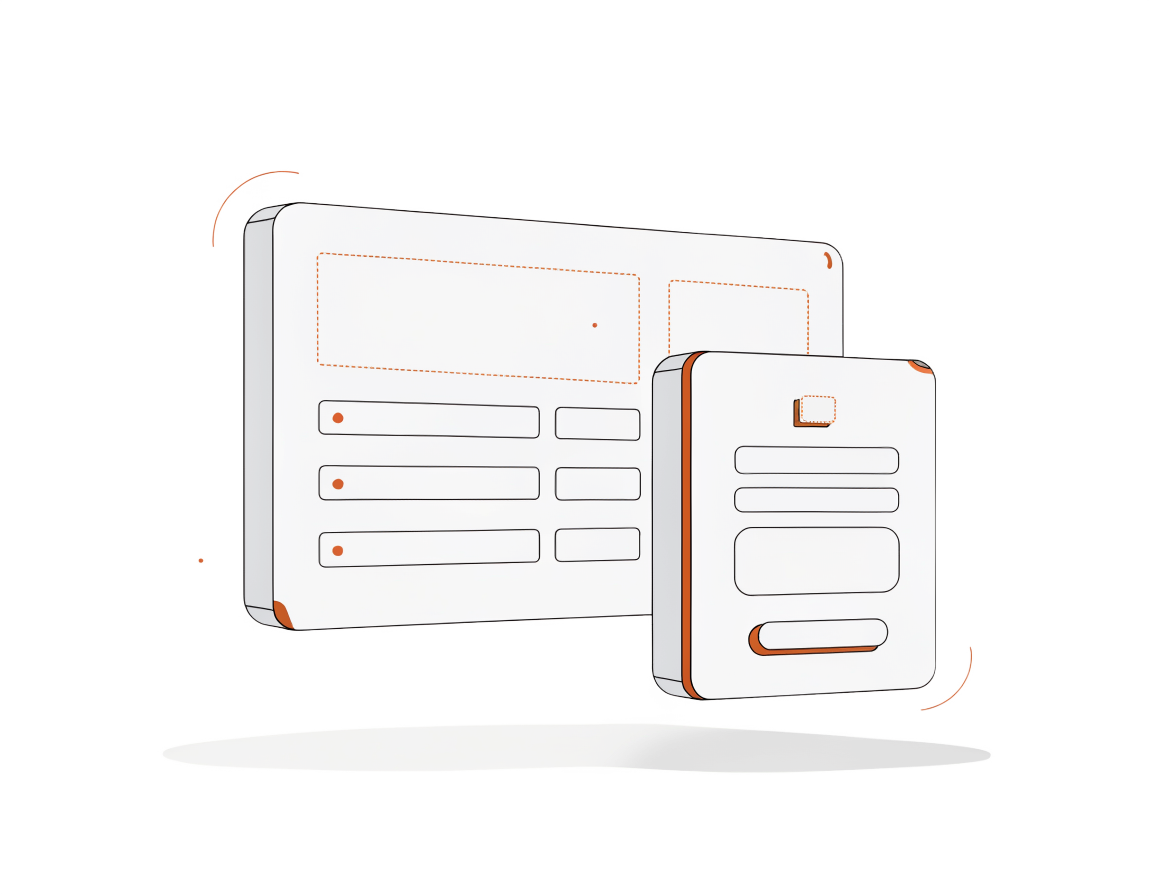
The player picks a pack on your web-shop; you create a Paymos invoice and redirect them to a hosted page, where they pay from their wallet and return. Your fulfilment webhook credits the in-game balance on confirmation, and the balance shows up on next login. Best for studios that don't want to build a custom payment screen.
See details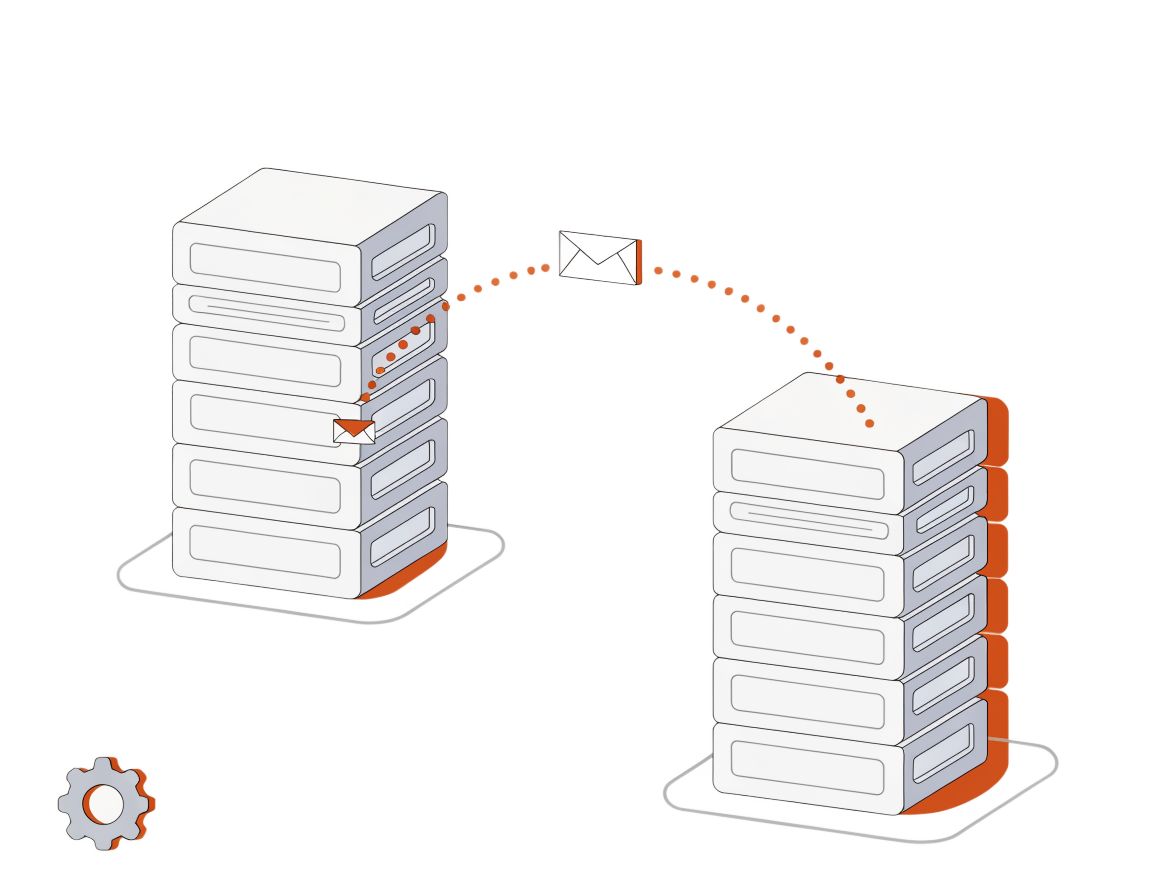
Server-side API — full control inside your web-shop backend
Running a custom web-shop backend? The server-side API gives you create-invoice, watch-confirmations, and signal-confirmed steps over signed (HMAC-SHA256) webhooks. Your backend grants the gems or unlocks the pass against the confirmed webhook; Paymos handles the payment leg. The same flow handles a single top-up and a seasonal spike of them.
See details
Embedded checkout — in-shop modal that stays on your domain
Embed the Paymos checkout in your web-shop's "buy" modal so the player pays without leaving your domain. They pick a pack, pay from their wallet, and your backend credits the balance the moment the webhook lands. A common fit for interactive web-shops where the payment step needs to feel native, not a redirect-out.
See detailsIn-game purchase flows on stablecoins today
Which purchase types run cleanly on a wallet rail?
Four flows from real game web-shops — gem top-ups, battle pass, cosmetics, web3 items.
Free-to-play top-ups — gems, gold, energy
The core loop: the player buys gems on the web-shop, gems unlock pulls, the pull drops the character. Web-shop checkout settles in seconds, the player's balance updates on next login via your fulfilment webhook, and the store cut disappears. The purchase credits your Paymos balance final the moment it clears — no reversal weeks later.
Battle pass and seasonal content — deadline-pressure purchases
The battle pass is the highest-converting item in the catalogue because the deadline is real — buy by season end or lose access. Web-shop battle-pass purchases settle in stablecoins, and the season-launch spike, where you might sell more passes in a weekend than a normal month, carries no surcharge and no parent-dispute risk. Each pass is paid and final.
Cosmetic-only purchases — skins, mounts, emotes
Cosmetic purchases avoid the pay-to-win backlash and the regulatory scrutiny loot boxes attract. Skins, weapon camos, and UGC items settle clean on a wallet rail: a higher-value item with no fulfilment risk (cosmetic is a pure metadata flip), making this the cleanest category to migrate first. The payment credits your Paymos balance and stays final.
Web3 game crossover — tradeable in-game items
For titles where items are player-tradeable assets held in the player's own wallet (swords, in-game land, character skins), the player pays in stablecoins and receives the item to that wallet in one fulfilment flow. Paymos settles the payment; your backend issues the item against the receipt webhook. This is the premise of crossover titles where the in-game economy and the wallet economy are the same surface.
Mobile game web-shops on stablecoins
Frequently asked questions
How does the web-shop credit the in-game balance after payment?
Is selling outside the app store actually allowed?
How does this remove parent-child chargebacks?
Which networks and stablecoins fit cheap packs versus whale packages?
How do refunds work for a mistaken purchase or a bad item grant?
Can we keep the app-store IAP and add a web-shop on stablecoins?
Honest disqualifier
When NOT to use Paymos for a game web-shop
Four cases where the in-app purchase path or cards are the right call.
Your players are casual and won't leave the app to a web-shop
If your audience is casual players who won't tap out to a browser to top up, the web-shop conversion may not justify the move — the in-app purchase path keeps the funnel inside the game even at the store's cut. The web-shop wins with engaged spenders, event-driven titles, and markets where cards fail. For a purely casual base, the friction can outweigh the saved cut.
Your title is tiny and the store cut isn't your bottleneck
If purchase revenue is small and your real constraint is acquisition or retention, building and operating a web-shop is effort better spent elsewhere. The store cut hurts most at scale; below a certain revenue level the in-app purchase path is simpler and the saved cut doesn't move the business. Revisit when purchases become a meaningful line.
You lean on a processor's fraud scoring and geo-gating
Paymos has no player-identity layer: no behavioural fraud model, no age checks, no country gating. Whatever screening your title needs — refund-abuse detection, region locks, a minors policy — keeps running in your own stack or your current vendor's. If that tooling is what holds your store rating and your regulatory posture together, don't move the purchase flow until it's covered elsewhere.
Your players are children who can't hold a wallet
If your core audience is young children, asking them to hold a stablecoin wallet isn't realistic, and the parent-paid flow on a family card may fit better despite the cut and the dispute risk. The wallet rail fits titles whose spenders are adults with their own wallets. For a kid-first title, weigh the conversion reality before moving the purchase flow.
Related flows
Other SaaS & Digital Products sub-niches on Paymos
Pricing
1.0% per settled order. No per-transaction fee, no event surcharge
Same rate on the sub-dollar pack and the whale package, at any size. 0.3% is decided case by case, on how many purchases clear and on which networks, from launch week on. The app stores take up to 30% of an in-app purchase, and card processing runs about 3% all-in with a fixed per-charge fee that can swallow most of a cheap pack.
See pricing