Invoice the metered analytics total, even in the viral month
Your meter computes the period's events and active users; one crypto checkout collects that total as a single stablecoin payment onto your balance. The spike-month bill and the quiet-month bill travel the same rail, and neither can be charged back once it confirms.

Where usage-based pricing meets the card rail
Why does the viral month cost you twice on the card rail?
Four ways card-rail billing punishes a meter-driven analytics model.
Event-volume pricing has no ceiling, so the spike-month invoice has none either
Usage pricing has no upper bound. One influencer mention, one bot flood, one fraud surge, and a customer's bill runs ten to forty times normal — a single viral month can land an invoice in the tens of thousands. The recurring-billing add-on then takes its cut on top of that inflated number, separate from the percentage your processor already charges. You pay the rail the most in the exact month the invoice is most fragile.
The surcharge compounds on every extra dollar of MTU growth
MTU pricing scales linearly: double the tracked users, double the invoice. A recurring-billing add-on's percentage rides that curve, so as a customer climbs from a starter tier into a six-figure contract, the surcharge stacks on every dollar of growth. It bites hardest on the top-tier accounts you most want to keep — the ones whose bills grew because their business did.
Data-engineering buyers want a PO, a VAT number, and a TIN on the invoice
Reverse-ETL and CDP buyers sell into data-engineering teams. Their procurement defaults to a net-30 wire with a PO number, a VAT registration, and a TIN on the document. A card processor's auto-generated PDF carries none of that, so you bolt on a separate invoicing tool, raise invoices by hand, and run a second reconciliation pipeline. Two products from one vendor to bill one customer — on a deal that takes 90 days to clear procurement anyway.
Open-source tiers split self-serve and enterprise across two billing systems
Open-source analytics tools run two motions at once. The developer tier self-serves through a recurring-billing product; the enterprise tier wants invoiced terms through a separate invoicing product. Finance then closes two cycles — cards-and-recurring on one side, wires-and-manual on the other — each with its own reporting, revenue recognition, and dispute exposure. That doubles the back-office cost of billing a single logical product.
What period-close settlement changes
What happens when the metered total settles as one stablecoin payment?
Four things that go right once the analytics invoice leaves the card rail.

Your engine meters; Paymos collects the number it computed
Your platform keeps metering events the way it does today. Paymos never sees the underlying data or its cardinality — at period close you post one invoice per customer for the total your meter produced. The customer settles it in a single payment that credits your Paymos balance, and the bill the rail charges most for under cards is the one that travels cleanest here. Once confirmed, the payment is final: no chargeback can claw a settled viral month back 90 days later.

Growth makes the invoice larger, not the surcharge heavier
A customer climbing from a starter tier to a six-figure contract changes one thing: the size of the invoice. The rate is 1.0% and it stays there — no surcharge compounding on each extra dollar, no fixed per-invoice fee stacking across MTU tiers. The account you work hardest to retain meets the least friction on the rail, and the bigger the invoice, the more the gap against cards shows up in your margin.

The paperwork stays in your ERP; only the payment leg gets faster
Paymos does not replace your commercial invoice. The document with the PO number, the VAT or GST registration, and the TIN keeps coming from your ERP or invoicing tool. What changes is how the money moves: attach your PO or invoice number as the payment's order reference, and procurement pays a link instead of cutting a wire. That reference returns in the webhook, so the receivable reconciles and closes the moment funds confirm.

Self-serve and enterprise run through one billing surface
The self-serve developer and the six-figure enterprise contract meet at the same invoice. Self-serve takes a one-click hosted checkout; enterprise pays a Payment Link issued when procurement releases the funds — one API, one dashboard, one reconciliation report behind both. Finance closes one cycle, revenue recognition reads one schema, and engineering maintains one integration instead of two.
Wiring Paymos into the billing flow
Which integration matches how you meter and bill?
Three ways to route stablecoin settlement through your billing pipeline.
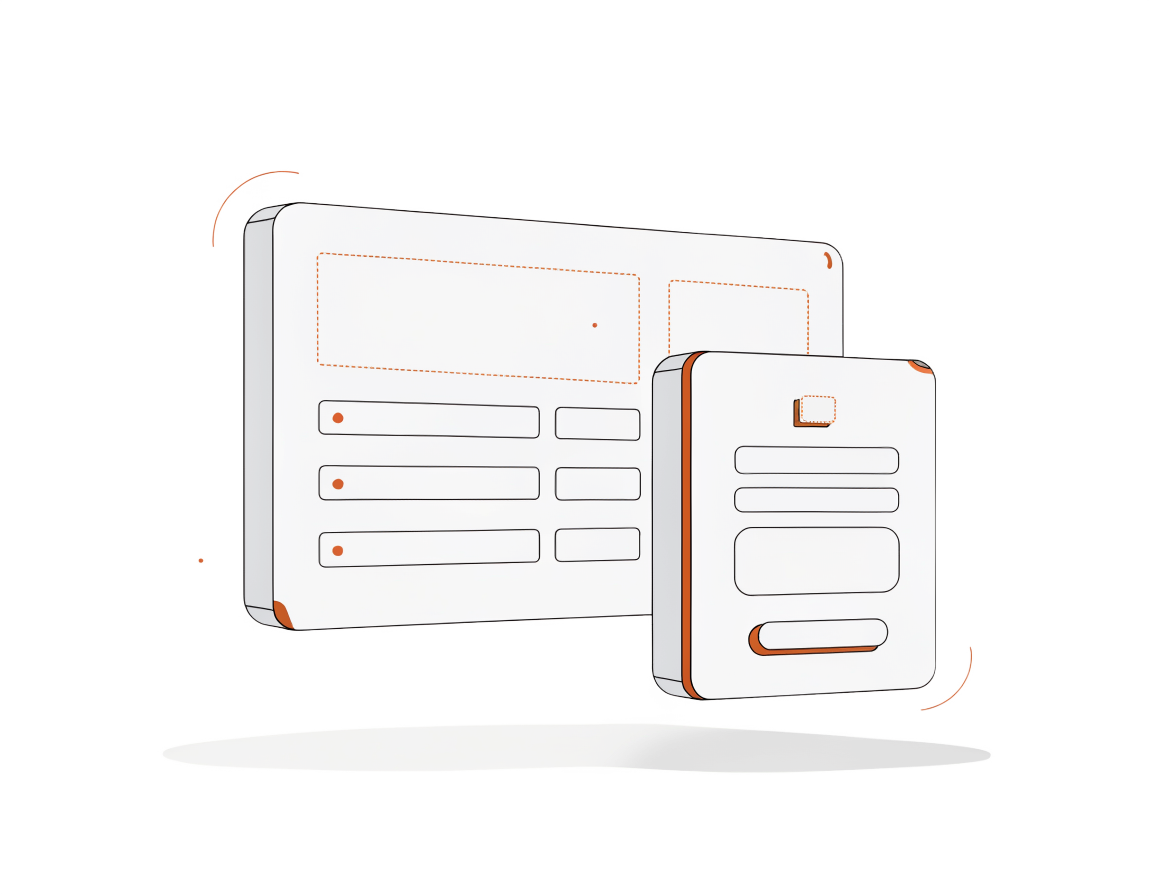
Host-to-host API — settlement driven straight from your meter
Your platform already aggregates events and MTU in its own pipeline. The host-to-host API posts the period total as an invoice, hands it to the customer's wallet, and tracks settlement across the networks they hold funds on. HMAC-SHA256 signed webhooks fire when funds confirm, closing the receivable without a poll. Your meter owns the number; Paymos owns the collection.
See details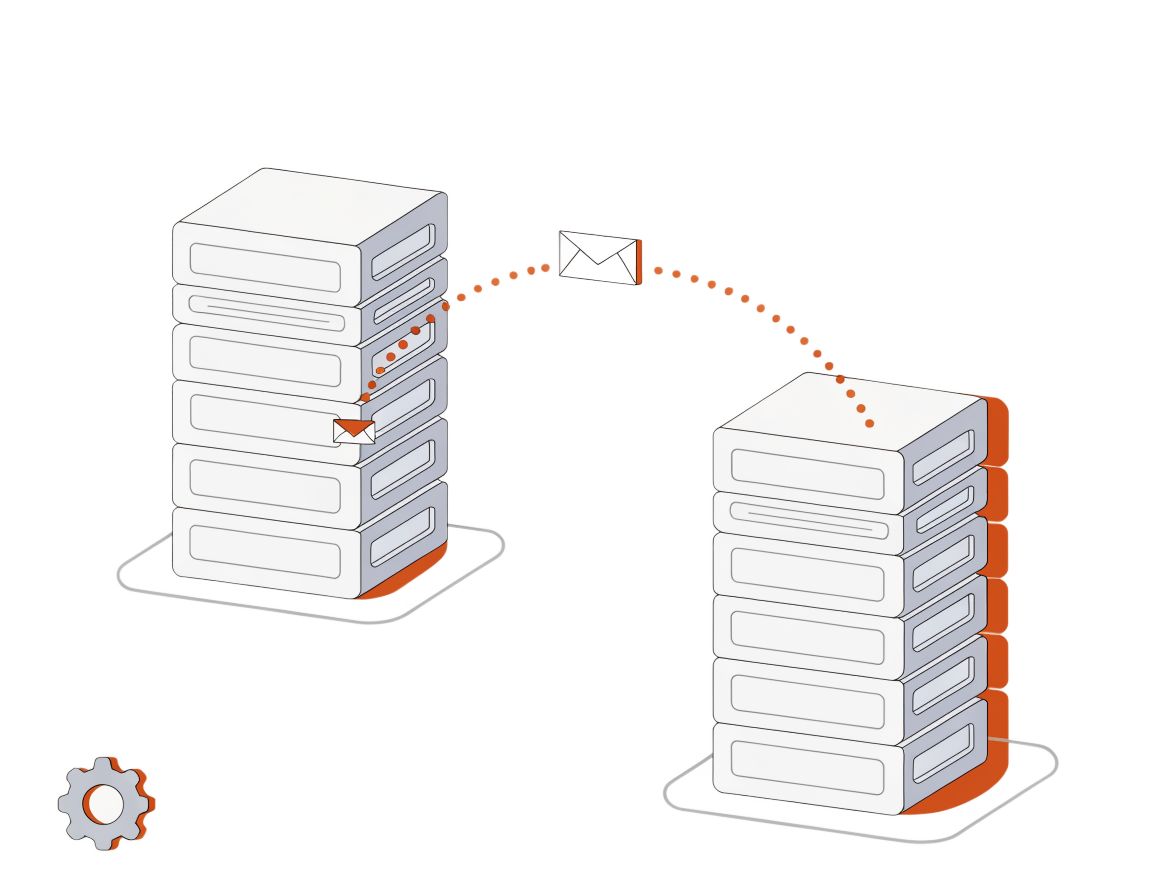
Hosted Checkout — one click for self-serve tiers
Self-serve developer tiers need no payment screen of their own. Create a Paymos invoice for the period total, redirect the customer to a hosted page, and they pay from their wallet and return. Nothing to build, no card vault to maintain — a $40 monthly bill and a $4,000 one move through the identical flow.
See details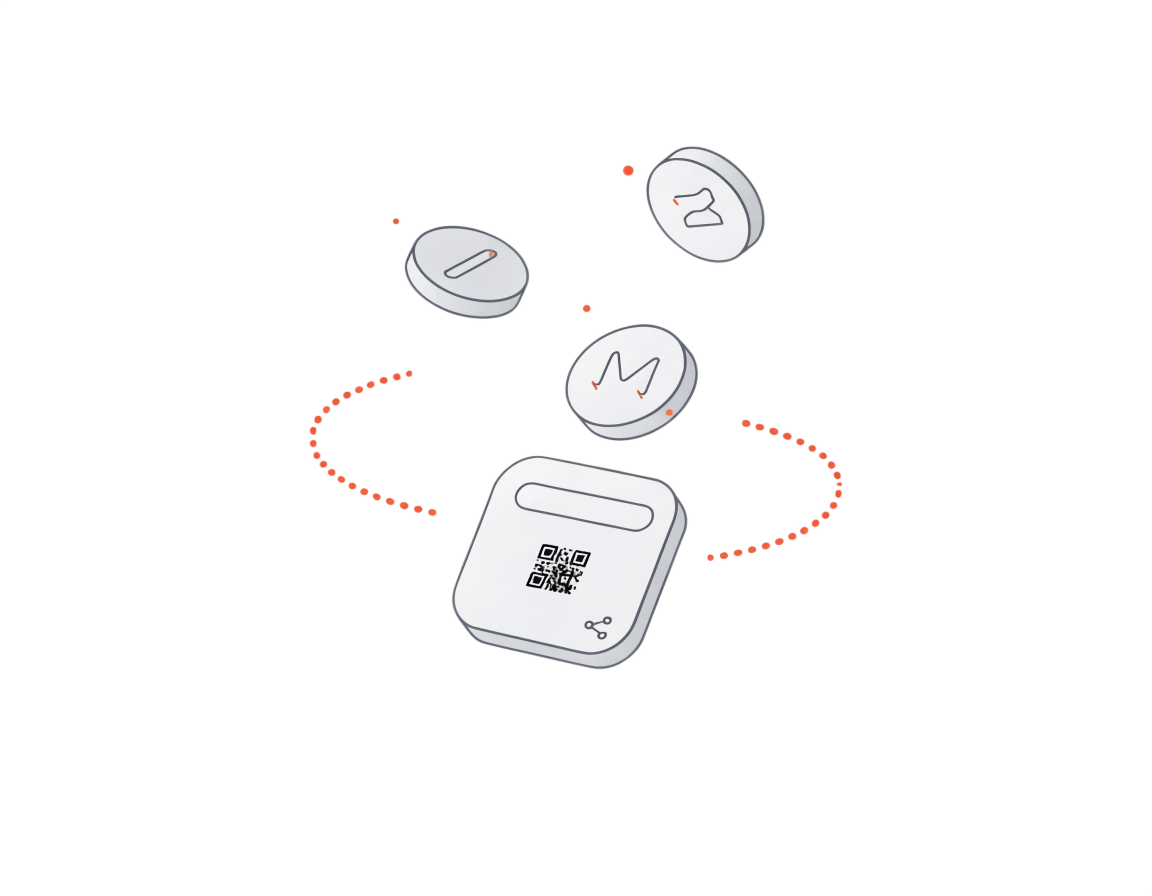
Payment Links — the collection leg of enterprise net-30
Enterprise contracts keep their paperwork untouched. Your invoice with the PO, VAT registration, and TIN leaves the ERP as it does today; when procurement clears it, you generate a Payment Link carrying that PO or invoice number as the order reference. The finance contact pays it, the reference returns in the webhook, and the receivable closes on confirmation.
See detailsAnalytics billing models on a wallet rail
Which analytics models settle cleanly in stablecoins?
Four flows from real analytics setups: product analytics, CDPs, reverse-ETL, session replay.
Product analytics — MTU tier plus event overage, metered per period
Product-analytics platforms bill on two axes at once. Period close folds the MTU tier and the event-volume overage into a single invoice, and the customer settles it in one payment to your Paymos balance. The month that used to be the riskiest to collect — the viral one — goes through on the same terms as any other. Confirmed means final.
Customer data platforms — events, sources, and destinations in one bill
CDP pricing blends monthly events with source and destination counts. Your billing engine computes the combined total; the customer clears the whole month against one invoice with one transfer. It stays clean even when a source or destination count shifts mid-period — you invoice the final computed figure and skip the mid-cycle proration scramble.
Warehouse-sync and reverse-ETL — destinations and sync frequency
Reverse-ETL contracts come in two shapes that share one rail. The standard multi-destination tier and the enterprise contract with hourly sync both settle through the same Payment Link, each payment carrying the period's order reference. Data engineering owns the spec, procurement owns the terms, finance receives one transfer — and the invoice document, with its PO and VAT details, stays in the system that issues it.
Session replay — session-volume tiers with in-product spike caps
Session-volume tiers behave much like product-analytics events. One viral campaign and a tier blows past its ceiling. Cap the customer's exposure where it belongs — in your product, by pausing capture above the tier — and invoice the metered amount at close. The collected payment credits your Paymos balance and holds, with no reversal window behind it.
Analytics platform billing on stablecoins
Frequently asked questions
How does metering work when our event volume is millions of rows per customer?
Can we bill a spike month without the customer disputing it later?
How do net-30, PO numbers, VAT, and TIN work with Paymos?
Which networks and stablecoins should we offer for small versus large invoices?
Can we keep cards for self-serve and use stablecoins only for enterprise?
How does a refund or credit work for a billing dispute?
Honest disqualifiers
When NOT to use Paymos for analytics billing
Four cases where your current billing stack is the better call.
Your largest accounts mandate ACH or wire by AP policy
Some enterprise AP policies disallow anything but ACH, wire, or a paper check. When that's your biggest accounts, the procurement-override conversation can cost more than the fee you'd save. Keep cards and ACH for those names and point Paymos at the mid-market and international segments ACH doesn't reach. The two rails sit side by side on your billing engine without conflict.
You run daily exec workflows on a processor's SQL-over-payments layer
A processor's built-in query layer over payment data is genuinely useful for weekly cohort revenue analysis across a large account base. Paymos returns signed webhooks and a transaction API — there's no equivalent live finance-data query surface. If that report is a standing exec ritual, keep the data layer even if collection moves. Most platforms re-ingest both rails into a warehouse anyway.
You want flat seat plans that renew on autopilot
Paymos has no stored payment method to pull, by design. The customer initiates every payment, each cycle — wallets can't be auto-charged. For a flat per-seat analytics plan whose whole appeal is set-and-forget renewal, that's a step back from a saved card. Keep card autopay on those plans, and route the metered, reviewed-at-close contracts through Paymos.
Your billing is fully wired into a processor's metered-event API
Unwinding a deep integration is real engineering work. If your aggregation logic, plan model, and customer-facing invoices all live inside a processor's metered-event system, don't tear it out for a fee delta. Run Paymos alongside for new enterprise accounts where the saving justifies a second surface, and migrate the rest only when you're already replatforming for other reasons.
Related flows
Other SaaS & Digital Products sub-niches on Paymos
Pricing
1.0% per settled invoice. No spike-month premium, no second billing system
The 1.0% is the whole cost of accepting: the network fee to bring a payment in and consolidate it sits inside that figure rather than beside it, and moving the balance to your own wallet adds no commission — that leg costs a subsidised network fee and nothing else. How many invoices settle and what a contract is worth are what bring the rate to 0.3%. Ask from the first one. A 2.9% card rate plus a fixed component plus a billing add-on's slice of every invoice is three lines where this is one.
See pricing