Close the annual CRM contract in minutes
Send one Payment Link to a hosted checkout for the whole seat contract and let finance settle it in USDC from their own treasury wallet — no card form, no corporate-card ceiling — and the contract clears final the moment funds confirm.
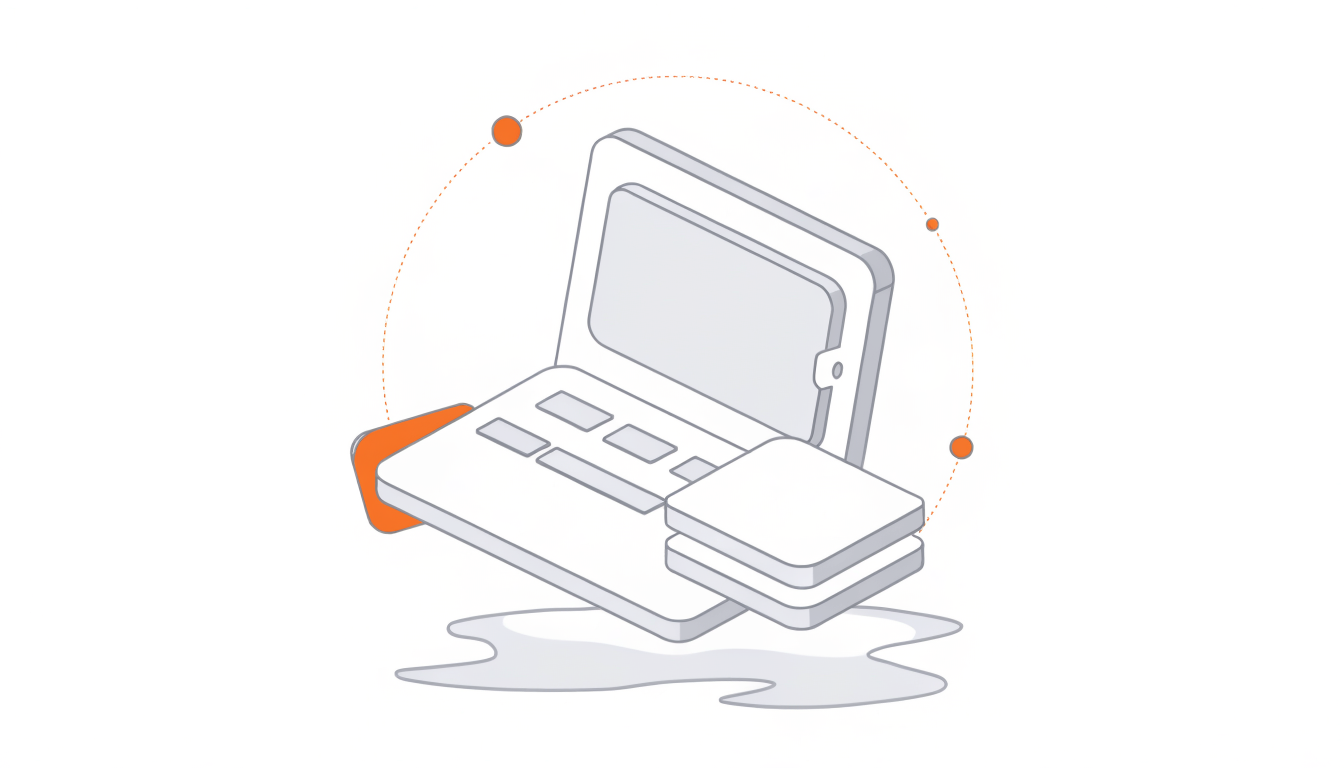
Where B2B CRM billing breaks self-serve assumptions
Why does a six-figure CRM contract take three weeks to get paid?
Four ways card-rail billing breaks the way enterprise CRM actually sells.
The six-figure contract is closed, and you still wait three weeks to get paid
A full enterprise seat contract — dozens of seats, twelve months, annual prepay — easily reaches six figures. Self-serve card billing was built for a $29/mo "Pay now" button against a card on file. Procurement past a hundred headcount won't put a six-figure charge on a corporate card; they want a wire, a signed MSA, and a routing trip through their approval system. Three weeks pass before the cash lands. The deal closes in legal, then stalls in accounts payable.
Add a seat mid-period and the proration no longer matches what Sales promised
A typical CRM plan is a base seat fee plus a per-block charge for contacts above the included tier. Card billing handles flat-rate and pure-tiered cleanly. Composite pricing — seats times contacts times add-ons — needs a bespoke metered configuration that breaks the moment a customer adds a seat halfway through the period. The proration diverges from the quote, and the support ticket lands in finance, not in product.
RevOps adopts, finance pays — and the billing model assumes they're one person
A sales-engagement tool sells to a RevOps director who never touches billing. Finance approves the PO, AP cuts the wire, and the RevOps team gets the seats. A card-billing customer record assumes the payer is the recipient — one email, one card, one dashboard. The two-actor reality routes through workarounds: shared inboxes, manual seat provisioning, renewal notices sent to whoever happens to be on file.
One buying group, three currencies, three dashboards to reconcile
A US headquarters buying for the parent entity, the EU subsidiary, and the APAC subsidiary brings three currencies and three tax regimes. A card processor's multi-currency story usually wants a separate merchant account per settlement currency — and that complicates consolidated reporting, intercompany reconciliation, and the chart of accounts. Finance ends up running three dashboards to invoice one buying group, with an exchange-rate loss on every leg.
How a single link closes the enterprise contract
What changes when the contract settles as one stablecoin payment?
Four things that go right when CRM billing leaves the self-serve card model.

The full annual contract settles on one Payment Link
Sales closes the deal and the AE generates a Payment Link for the full amount, with your PO or MSA number set as the payment's order reference. Procurement pays from a treasury wallet the same way they'd wire — one transfer, confirmed in minutes. The reference returns in the webhook, so AP matches the payment to the contract without a manual lookup, and a settled contract is final on confirmation — no chargeback, no reversal behind it.

Composite invoices generated from your CRM logic
Your billing logic — seats, contact blocks, add-ons — is computed inside your engine and posted to Paymos as a single invoice for the final total. Mid-period seat changes are handled by your engine's proration math; Paymos settles the final total, not intermediate tier boundaries. No bespoke metered configuration to maintain, no surcharge for hitting a tier mid-month — the breakdown lives in the quote and invoice your own system issues, and one settled payment reconciles against it.
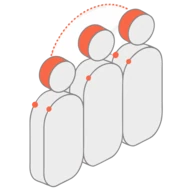
Two-actor billing: invoice to finance, provisioning webhook to RevOps
The Payment Link goes to the finance contact. Once it settles, Paymos fires a webhook into your provisioning system carrying your own order reference — your system looks up the deal, grants RevOps the seats, and notifies the RevOps lead. Finance never touches the product, RevOps never sees an invoice. The two-actor pattern is a first-class flow, not a workaround layered on a single-customer model.

Multi-subsidiary rollout on one invoice, one reconciliation
The headquarters and its subsidiaries buy seats together on one invoice, one settlement asset, one inflow to your Paymos balance. No separate account per currency to reconcile, no exchange-rate loss on each leg, no intercompany journal scaffolding to maintain — the buying entity records its share against the PO, and treasury matches a single inflow to a single invoice line.
How CRM platforms wire Paymos in
Which integration fits how you sell seats?
Three ways to settle seat contracts and rollouts in stablecoins.
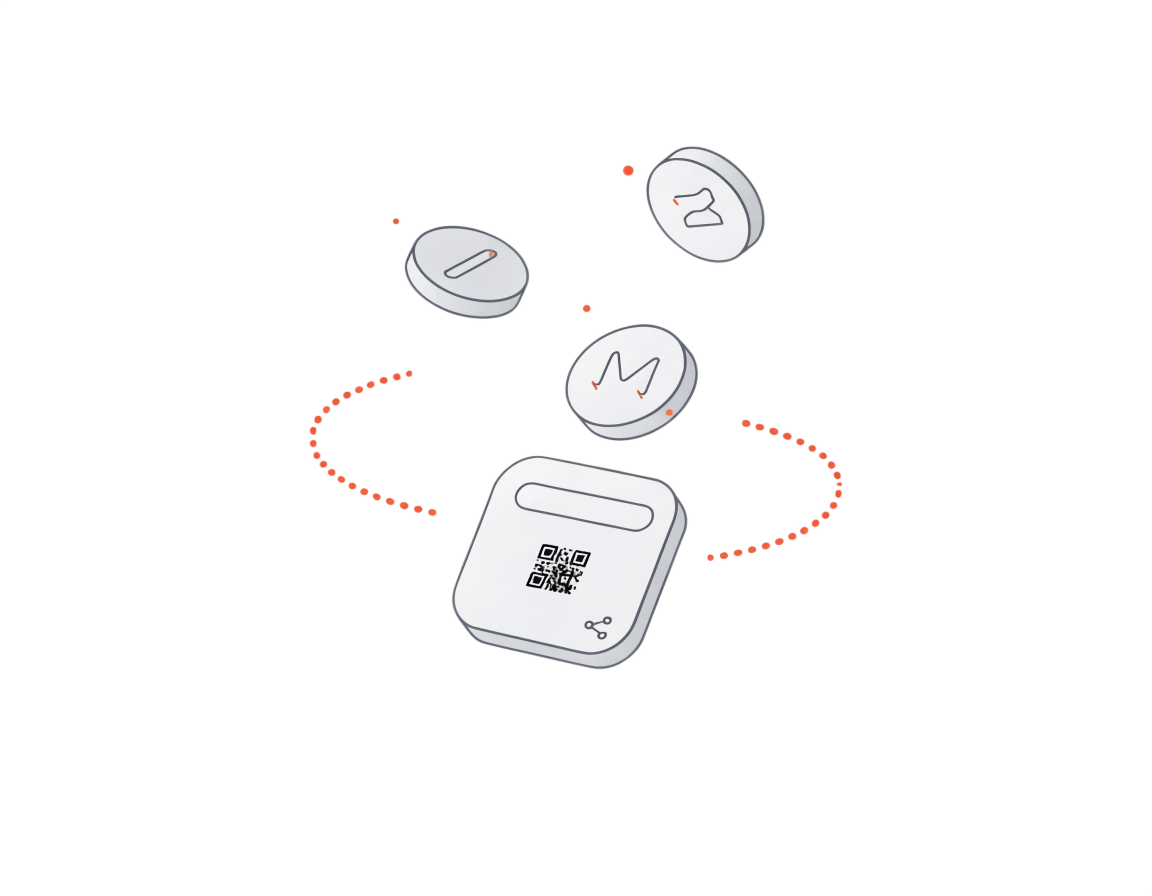
Payment Links — annual contracts and enterprise rollouts
For an annual seat contract, keep the quote and approval in your CRM. Once procurement approves payment, create a Payment Link with the PO or contract number as the order reference. The HMAC-SHA256 webhook closes the receivable when the invoice confirms.
See details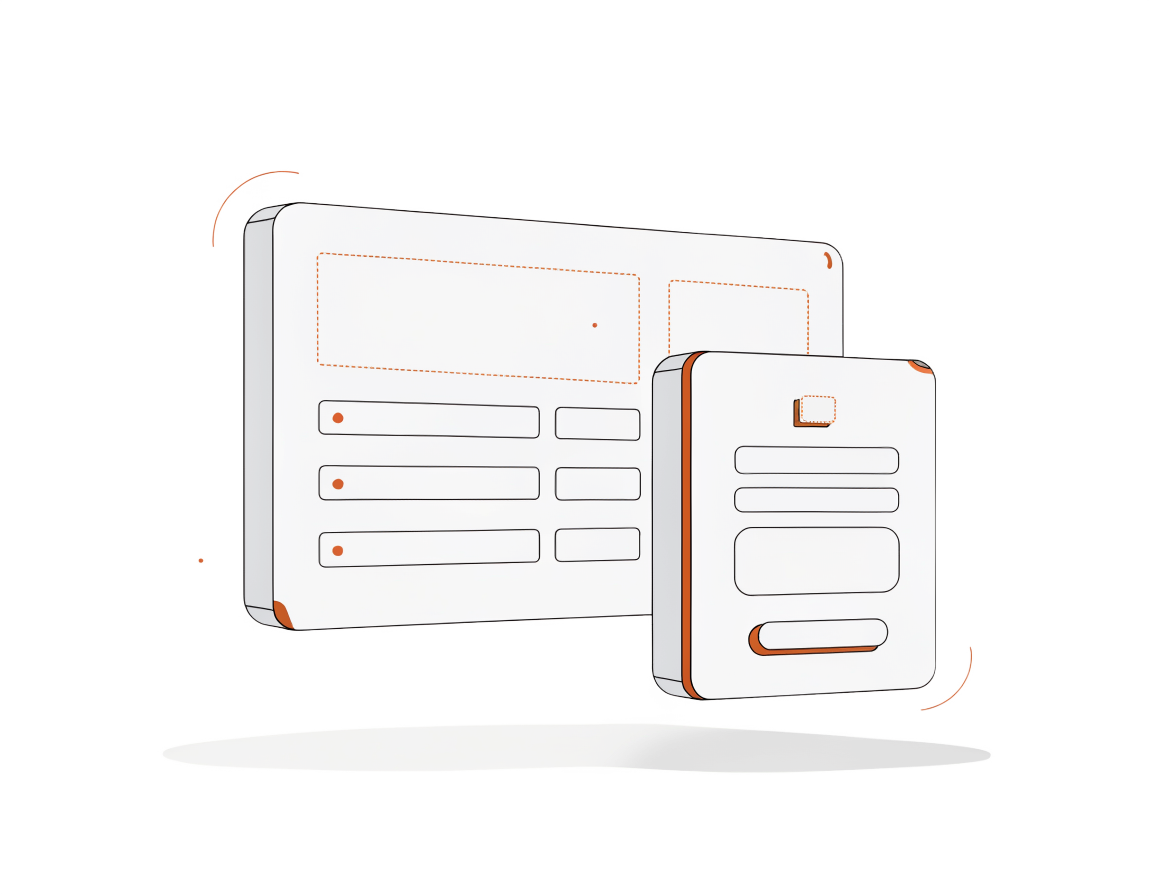
Host-to-host API — composite invoices from your billing engine
If your engine computes composite seat-plus-usage pricing, the host-to-host API lets you post the final period total as one invoice, hand it to the customer's wallet, and watch settlement. Your proration math stays in your engine; Paymos handles the settlement leg and fires the provisioning webhook so the two-actor flow works end to end.
See details
Hosted Checkout — self-serve and mid-market seats
For self-serve and mid-market seat purchases, create a Paymos invoice for the period total and redirect the customer to a hosted page, where they pay from their wallet and return. No payment screen to build, and the same flow scales from a single seat to a small team without separate configuration.
See detailsCRM billing flows on stablecoins today
Which CRM models run cleanly on a wallet rail?
Four flows from real CRM setups — sales CRM, sales engagement, revenue intelligence, lead enrichment.
Sales CRM — seat plus contact-volume pricing
Seat-plus-contact-volume pricing settles as one invoice for the composite total your engine computes. Mid-market customers settle quarterly or annually via Payment Link; enterprise rolls into a PO-and-MSA flow where the payment carries your contract reference. The customer pays one transfer, and the payment credits your Paymos balance on confirmation — a paid contract that can't be reversed.
Sales engagement — per-seat enterprise rollout
A per-seat sales-engagement contract is sold to RevOps and paid by finance. Two-actor billing: finance receives the Payment Link carrying your PO reference, RevOps gets a provisioning webhook on settlement that grants seats and sends the welcome note. No shared-inbox workaround, no manual seat allocation — the role separation is encoded in the integration.
Revenue intelligence — per-seat plus conversation volume
Revenue-intelligence pricing combines a per-seat base with conversation-volume add-ons. Your engine computes the volume metric and posts one quarterly invoice for the combined seats-plus-add-ons total. The customer settles each cycle, the webhook confirms it the moment funds land, and the renewal motion starts well before expiry — no card-expiry surprise on a large contract.
Lead enrichment — credit pool plus seat
Hybrid pricing pairs per-seat platform access with a credit pool for enrichment lookups. Credit-pool top-ups settle via embedded checkout; annual platform-access commits settle via Payment Link. Enterprise customers run on stablecoins while self-serve top-ups can stay on cards — same billing engine, two rails, each payment final on confirmation.
CRM billing on stablecoins
Frequently asked questions
How does an enterprise pay a six-figure contract from a treasury wallet?
How do mid-period seat changes and proration work?
How does the two-actor flow keep finance and RevOps separate?
Which networks and stablecoins fit enterprise treasury comfort?
How do multi-currency, multi-subsidiary rollouts reconcile?
How do refunds or credits work on an annual contract?
Honest disqualifier
When NOT to use Paymos for CRM billing
Four deal shapes where the wallet rail won't beat what you already run.
Your contracts are locked to wire by AP policy
Some AP manuals list wire and ACH as the only instruments a vendor may be paid with, and a CRM contract won't be the reason that manual gets rewritten. Don't fight it — invoice those accounts the way their policy demands. Where Paymos changes the close is the mid-market and cross-border deals that carry no wire mandate, just a finance team tired of card limits.
You sell $29 self-serve seats and nothing else
A small-team CRM bought on a card in two minutes is the card rail at its best — low price, single actor, instant approval. A wallet payment adds a decision where the card added none. The stablecoin rail starts earning its place when contracts grow POs, approval chains, and international entities; until your deals look like that, stay where you are.
You count on seats renewing monthly without a human in the loop
Paymos cannot store a payment method and charge it on the first of the month — a wallet only sends when its owner signs. If your revenue base is monthly per-seat plans that renew silently, every cycle becomes an invoice someone has to act on. Use the wallet rail for annual prepays and quarterly invoices, where a deliberate payment is already the norm, and leave monthly autopay on cards.
The buyer's finance team won't touch a wallet
Plenty of finance departments hold a treasury wallet today; plenty more don't and have no plan to. If your named accounts sit firmly in the second group, a wallet invoice just generates a "can we pay by wire?" reply. Offer Paymos where the buyer is crypto-comfortable — tech, web3-adjacent, international — and keep the traditional rails for everyone else.
Related flows
Other SaaS & Digital Products sub-niches on Paymos
Pricing
1.0% per settled contract. No per-currency merchant account, no wire fee on either end
The single mid-market seat and the six-figure annual contract pay the same 1.0%. Settlement lands straight in your Paymos balance: Paymos takes no commission when you withdraw, only a subsidised network fee, and the buyer covers their own gas to send. 0.3% is the lower rate, granted on contract size and how many close — ask from your first contract. An international wire carries SWIFT and correspondent-bank fees on both ends, and a card stack sits near 3% all-in.
See pricing