Cash out the freelance rate, not a platform cut
Invoice the client directly and take crypto payments to your Paymos balance — no marketplace standing between you and the money, and completed work can't be charged back once it clears.
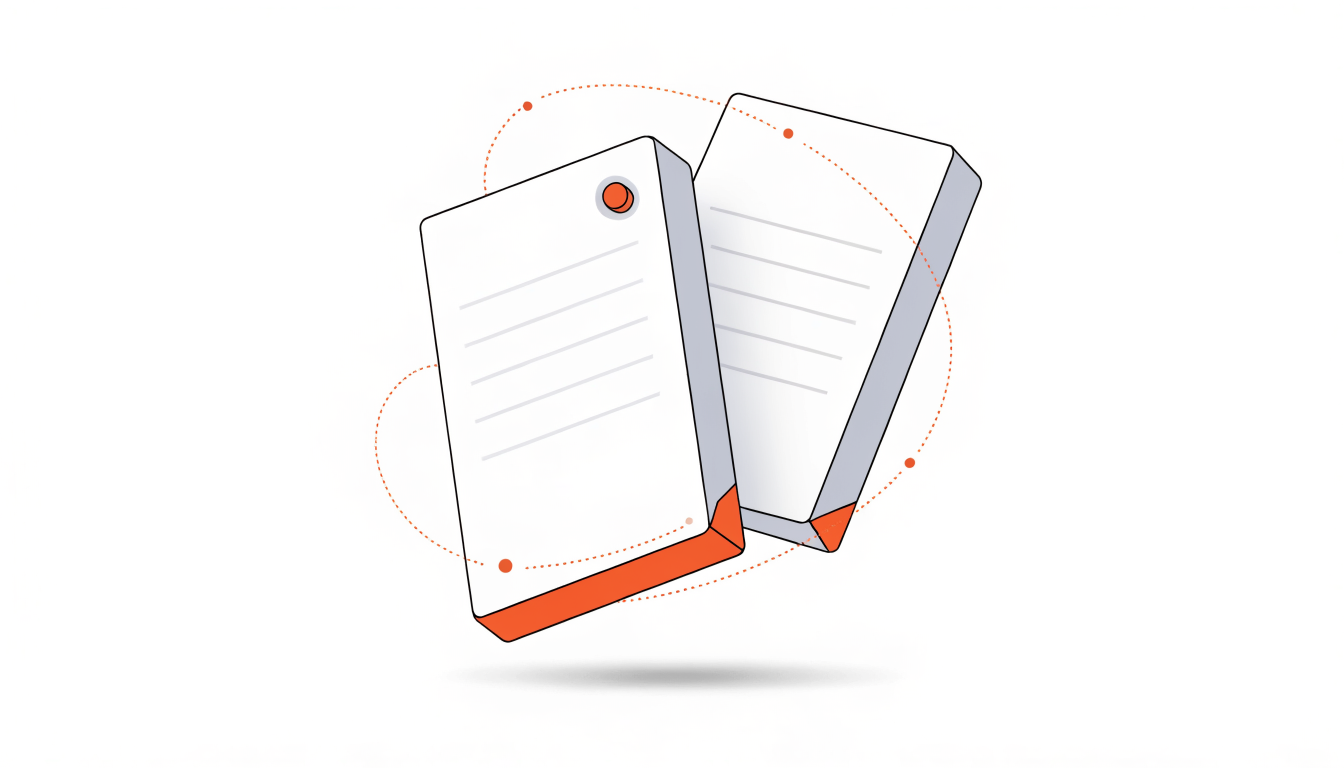
Where freelance income gets shaved before it lands
Why does the rate you quoted arrive smaller than you billed?
Four ways platforms, processors, and banks shrink and delay what a client actually owes you.
Marketplaces take a cut of every project
Freelance platforms skim a percentage off the top — often a tenth to a quarter of the project, plus buyer-side fees that pressure your rate. You did the work, the client paid the rate, and a chunk never reaches you because the platform sat in the middle of the payment.
New-account holds and payout delays park your cash
Take payments on a card processor and a new account often sits under a held-back reserve or a multi-day payout cycle — funds parked before they reach you, with the hold set by the risk team. You've delivered and you're waiting on money you already earned, exactly when cash flow is tightest for an individual.
Cross-border clients lose you money on the exchange rate
You invoice one number and a smaller one lands in your account. The conversion typically takes a 0.5–2% currency margin, the wire or withdrawal charge takes its own cut, and the rate behind both is set by the institution in the middle. Nothing itemises the difference, so the gap between what you billed and what you banked is never a line you can query.
Completed work can still be charged back
Bill a client by card and they can dispute the charge up to 120 days after paying — "didn't recognise it," "not as described" — on work you've already delivered. The card rail can pull the money back, and for a freelancer one reversal can wipe out a month.
How direct settlement keeps the rate yours
What changes when the client pays you in stablecoins?
Four things that go right the moment you bill the client directly instead of through a platform or card.

The platform takes nothing — the client pays you direct
You invoice the client and they pay to your Paymos balance, with no marketplace sitting between you and the money taking a slice of the rate. The amount you billed is the amount that lands, minus only the payment fee — covered in Pricing. The rate you quoted is the rate you keep.

Your money is on your balance, not in a hold
The client pays and the funds credit your Paymos balance in minutes — no multi-day payout cycle, nothing held back in a new-account reserve. For an individual living on project cash flow, the money arrives the moment the invoice clears, not a week later when a processor decides to release it.

Get paid the full rate from clients abroad
Quote the project in a dollar stablecoin and the client overseas sends the same stablecoin straight to you — no remittance markup, no wire fee, no rate a service sets for you. The number you quoted is the number that lands; convert on your own terms.
Completed work is final — no 120-day reversal
A confirmed stablecoin transfer is the end of the payment, not a stage in it. Once the client pays, the project is settled for good — no "not as described" reversal months after you delivered. A clear scope and written acceptance still matter, but the rail itself doesn't let a client claw back finished work, and one dispute can't wipe out your month.
How freelancers wire Paymos in
Which setup fits how you send invoices?
Three ways to get paid in stablecoins, from no-code to fully custom.
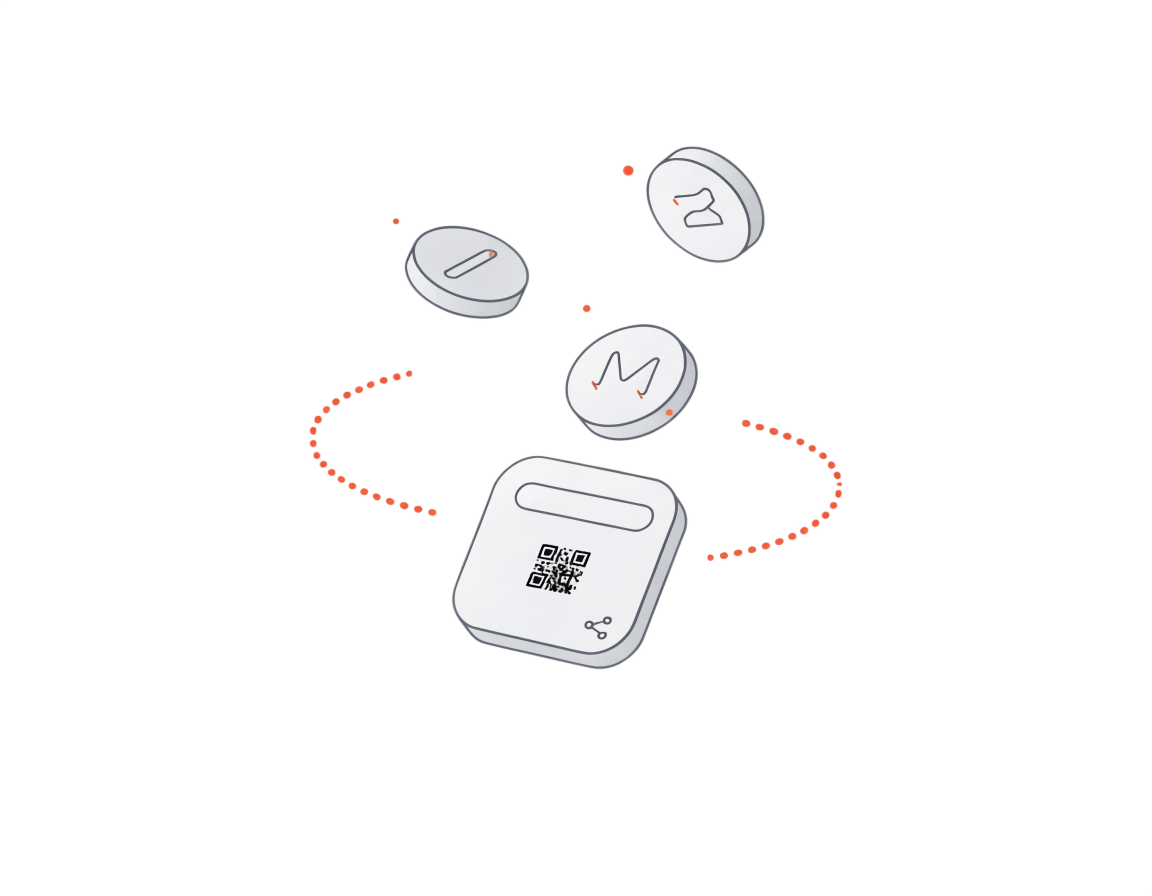
Payment Links — send an invoice with no code
Generate a payment link from the Paymos dashboard with the project amount and a note, and send it to the client by email or chat. They open it in any browser, pay from their wallet, and the money credits your Paymos balance on confirmation. The simplest way for an individual to bill a client directly — no website and no platform account.
See details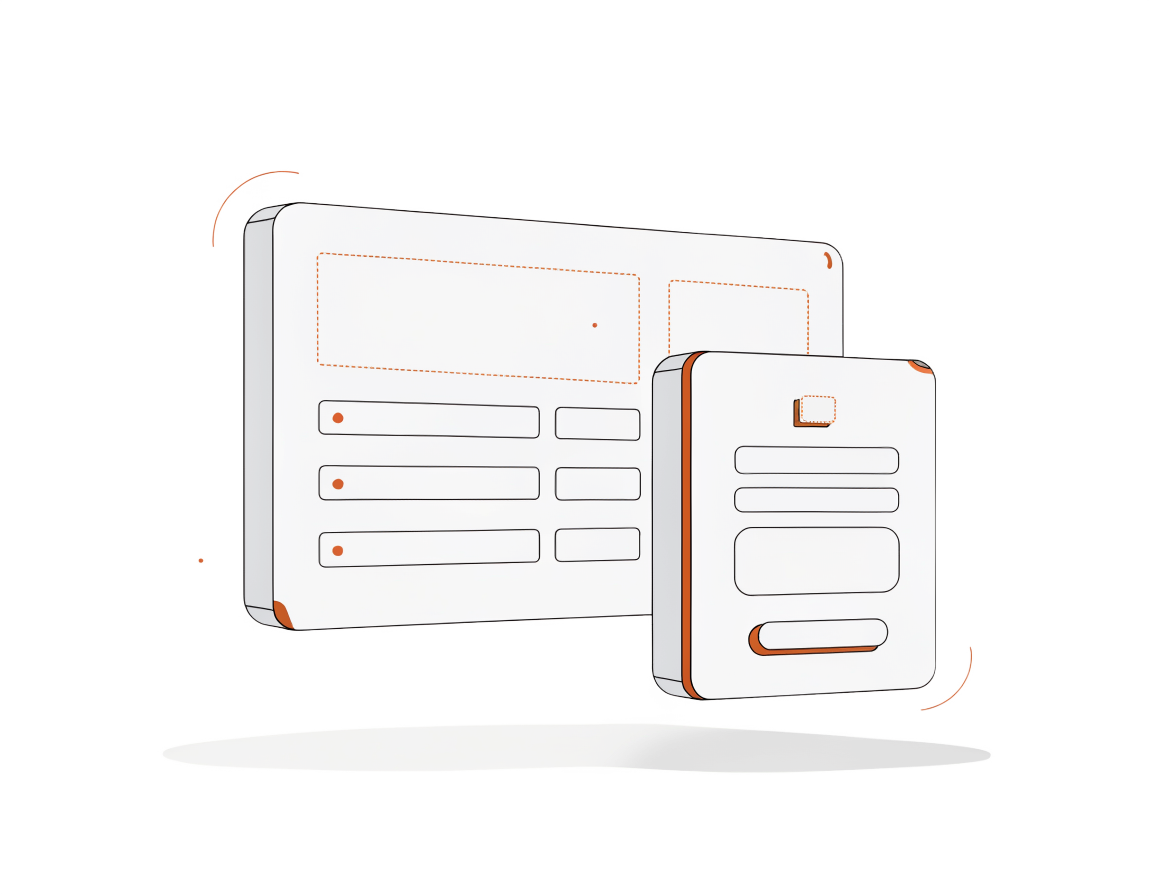
Hosted Checkout — a pay page on your own site
If you have a portfolio or services site, send the client to a Paymos-hosted page for a deposit or a fixed-scope package. They pay from their wallet and you get the confirmation. No payment screen to build and no PCI scope on your domain — useful for productised services with a set price.
See details
Server-side API — for your own client portal
Running a client portal or invoicing app? The server-side API gives you create-invoice, watch-confirmations, and signal-paid steps over signed (HMAC-SHA256) webhooks, with invoices tied to your own project records. Your portal owns the workflow; Paymos handles the payment leg and fires the paid event.
See detailsFreelance billing flows on stablecoins today
What billing patterns run cleanly on a wallet?
Four flows from real freelance setups — project deposit, final invoice, monthly retainer, and an international client.
Project deposit — Payment Link upfront
You agree a project and send a payment link for the deposit before starting. The client pays from their wallet and it lands in minutes — no platform escrow holding it, no waiting to confirm funds before you begin. Work starts once the deposit clears, and it's yours, not parked on a marketplace.
Final invoice on delivery — Payment Link
You finish the work and send a payment link for the balance. The client pays from their wallet and the project closes the moment it confirms — no 120-day window hanging over delivered work, no platform fee skimmed off the final payment. You keep the full balance you billed.
Monthly retainer — a fresh invoice each cycle
An ongoing client on a monthly retainer: each month you issue the invoice and they pay it from their wallet. No card on file to expire and pause the arrangement, no platform taking a cut every cycle — just a fresh invoice the client approves, settling to your balance the same hour.
International client — direct wallet payment
A client in another country pays your invoice from a wallet instead of routing it through a bank or remittance service. You receive the same stablecoin you priced in, with no exchange-rate markup eating the rate — and the money lands in minutes, not in a multi-day cross-border transfer.
Freelancing on stablecoins
Frequently asked questions
Does my client need to be "crypto-native" to pay this way?
How does the client pay a payment link?
Do I have to keep the stablecoins, or can I convert to local money?
What about taxes — does Paymos report my income?
How do refunds work if I need to credit a client?
Which networks and stablecoins should I accept?
Honest disqualifier
When NOT to use Paymos as a freelancer
Four cases where a platform or a card is still the right call.
A marketplace is where your clients come from
The platform's cut buys discovery, reviews, and ranking — a finder's fee dressed as a payment fee. Paymos only moves money; it won't put your profile in front of anyone. Keep the marketplace for first projects, and move repeat clients — where the relationship is already yours — onto direct invoices.
Your clients hold cards, not wallets
A payment link only works if the person on the other end can pay from a stablecoin wallet. A local small-business client with a corporate card and zero crypto exposure will stall at that screen. Keep a card option for them, and reserve the wallet invoice for tech, web3, and international clients who already hold stablecoins.
You want escrow standing between you and a stranger
Paymos settles onto your Paymos balance — no third party holds the money until both sides sign off. With a brand-new client that cuts both ways: you're protected from chargebacks, they have nothing protecting them. If neither side has earned the other's trust yet, marketplace escrow is the honest tool for project one.
You need every payment as local cash, immediately
What credits your Paymos balance is USDT or USDC — not pesos, lira, or rubles. Converting is your step, through whatever exchange you use. If rent can't wait for that step, or no reliable way to cash out exists where you live, the rail adds friction exactly where you need none. Set up the conversion route before quoting clients in stablecoins.
Related flows
Other Services & Hosting sub-niches on Paymos
Pricing
1.0% per settled invoice. No platform share, no exchange-rate markup
Same rate for the $200 task and the $5,000 project. Cashing out to your own wallet adds no commission on top; the only charge is a subsidised network fee. 0.3% on request, from your first job: how many settle and what they average are the numbers behind it. Marketplaces take a tenth to a quarter, and cards add exchange-rate loss and chargeback risk.
See pricing