Fund the ad spend from confirmed cash
Take the client's marketing retainer through a crypto checkout and it reaches your Paymos balance the moment it clears, not weeks later — so you fund the next round of ad spend from money already in hand, not your own float.
Where agency margin gets squeezed
Why are you fronting the ad spend before the client has paid?
Four ways card and invoicing rails delay, freeze, and shrink agency cash.
Net-30 forces you to front the media spend
The client routes your invoice through procurement and AP pays on Net-30 or Net-45, but the campaign needs funding now. You carry the media spend on your own card or credit line for weeks before the retainer clears — and on a six-figure monthly book that float is a real cost and a real risk.
New-account reserves freeze your working capital
A new merchant account often sits under a held-back reserve — a slice of every sale kept for a week or more, with the percentage set by underwriting and not posted up front. Exactly the cash you need to fund the next campaign is the cash a processor is holding.
Completed campaigns can still be charged back
Performance is arguable, so a client who wanted different numbers can dispute the charge up to 120 days after paying. By then most of that money isn't yours to give back: the ad platforms took the media spend the week the campaign ran. A reversal claws back the pass-through as well as your margin, and the ratio it feeds brings surcharges and a held-back reserve.
Processing skims ~3% before the ad spend even starts
On a typical 2.9% + $0.30 processor, a $20,000 retainer costs about $580 to accept — roughly 3% before any invoicing add-on or cross-currency markup. Across a book of monthly retainers it's a recurring line you don't control, on top of the float you're already carrying.
How stablecoin settlement funds the spend from client cash
What changes when the retainer settles to a balance you control?
Four things that change for an agency the day retainers leave card rails.

Client cash on your balance at the moment it clears
The client pays and the retainer credits your Paymos balance in minutes — no Net-30, no payout cycle. You fund the next round of ad spend from money already in hand instead of fronting it on your own card or credit line, so the float that used to sit between invoice and spend disappears.

No reserve — your working capital stays liquid
A stablecoin payment isn't held back in a reserve. The full retainer is in your treasury the moment it confirms, available to fund campaigns, pay the team, or hold — not parked by a processor against future disputes. The cash is liquid exactly when you need to deploy it. Move it to your own wallet and no commission comes off the top — you cover the network fee, and less of it than the move costs.

Completed campaigns are final — no 120-day reversal
Card rails carry a months-long reversal right; a stablecoin transfer carries none. Once the client pays, the retainer is settled for good — no "the campaign didn't perform" reversal months after you ran it and paid the platforms. Clear scope and reporting still matter, but the rail itself doesn't let a client claw back a paid campaign.

Clients abroad pay direct — and roughly $200 to accept, not $580
A client abroad pays the same dollar stablecoin you priced in — no cross-currency cut, no wire chain. And that $20,000 retainer costs about $200 to accept on Paymos instead of about $580, with no per-invoice fixed fee.
How marketing agencies wire Paymos in
Which integration fits your retainer billing?
Three ways to put stablecoin settlement behind your retainer invoicing, from a pasted link to a full API pipeline.
Payment Links — retainers from your CRM
From HubSpot, Pipedrive, or Salesforce, have the Paymos API mint a payment link for each retainer or milestone, and post it straight into the thread your account manager already runs. They open it in any browser, pay from a wallet, and the receivable closes on confirmation — no new tool for the team, no portal for the client.
See details
Hosted Checkout — project deposits and campaign sprints
For a campaign sprint or a fixed-scope project deposit, send the client to a Paymos-hosted page in your logo and colours. They click from the proposal, pay the deposit from their wallet, and it lands before the work starts — funding the spend up front, with no payment screen to build.
See details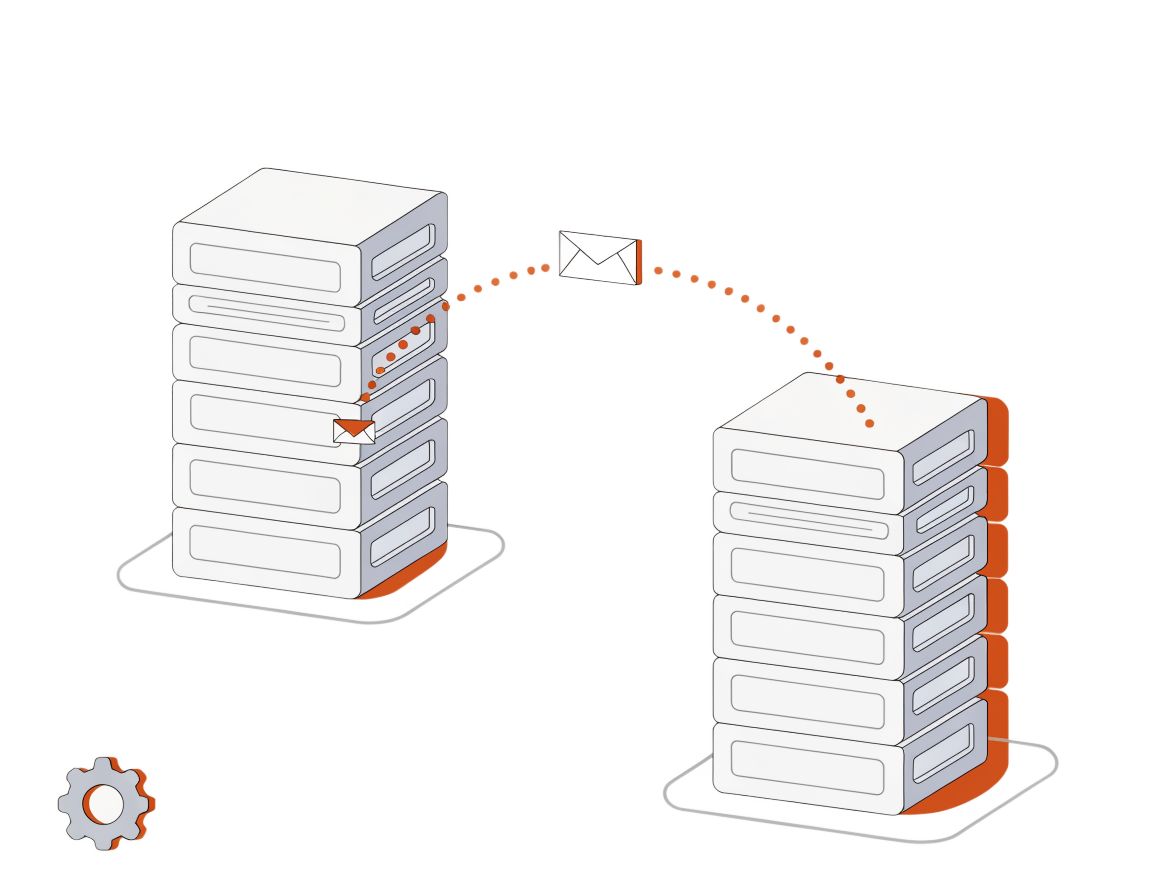
Server-side API — custom agency tooling
Running a custom dashboard or in-house campaign tooling? The server-side API exposes invoice creation, confirmation tracking, and a paid signal delivered over HMAC-SHA256-signed webhooks, with each invoice carrying your client and campaign codes. Reporting → invoice → settlement → media funding becomes one pipeline you own.
See detailsAgency billing flows on stablecoins today
Which retainer setups run cleanly on a wallet?
Four flows from real agency setups — monthly retainer, media deposit, milestone draw, and an international client.
Monthly retainer — billed to the wallet
A monthly retainer: each month your system raises the invoice and the client pays it from a wallet, clearing the same hour. The cash is in your treasury before the media spend goes out, no card on file to expire mid-engagement, and no dispute window opening on a campaign you've already run.
Media-spend deposit — Payment Link upfront
A client funds the month's media spend in advance: you send a payment link, they pay from their wallet, and it lands in minutes. You deploy the budget to the platforms from client money already in hand, not from your own float — and the deposit is yours the moment it clears.
Campaign milestone — Payment Link per gate
A project with milestone draws across launch, optimisation, and reporting: a payment link goes out at each gate, the client pays from their wallet, and each draw settles independently. No platform-held escrow on acceptance, and no reversal exposure on the final draw if the client second-guesses results later.
Client abroad — retainer paid from a wallet
An overseas client settles the retainer straight from a wallet, and the cross-border wire never happens. You receive the same stablecoin you priced in, with no currency-conversion cut and no inbound wire fee — and the money lands in minutes, so the campaign isn't waiting on a multi-day transfer before you can fund it.
Marketing agencies on stablecoins
Frequently asked questions
How does Paymos fit our CRM and retainer workflow?
Can I still fund Google and Meta if I'm paid in stablecoins?
Does moving retainers to wallets lower my dispute rate?
If a client wants money back, how does a refund work?
Will stablecoin retainers reconcile cleanly in QuickBooks and the rest of our books?
Which networks and stablecoins do clients pay on?
Honest disqualifier
When NOT to use Paymos for ad and marketing billing
Four agency setups where bank rails or cards still win.
Retainers clear only after a Coupa or Ariba approval chain
If your biggest logos pay through an enterprise AP portal, the rail that matters is the one their system can route to — a bank account behind a registered vendor record. Paymos can't receive that flow. Leave those accounts on ACH or wire, and send wallet invoices to the founder-run and crypto-comfortable clients instead.
Your AOR model finances media on trade credit
Buying media on the agency's credit while the client pays net-45 is a financing business as much as a marketing one. Paymos compresses the inbound leg — client cash lands in minutes — but offers no credit line for the outbound platform spend. If the float itself is part of what you sell, the bank facility stays, whatever rail collects the retainer.
You borrow against card volume to bridge payroll and media
Volume-underwritten advances exist because the processor can see your receivables. Paymos sees only settled invoices and lends against nothing. Every retainer moved to the wallet shrinks the collateral your advance is priced on — replace the facility first, or keep the borrowing leg's volume on the card processor.
Your book is local SMBs that pay by card and nothing else
A dentist or a regional retailer on a $2k monthly retainer pays from a business card and has never held USDC. Pushing a wallet flow at that client risks the renewal conversation itself. Save the stablecoin invoice for SaaS, e-commerce, and international clients — and keep the card processor for Main Street.
Related flows
Other Services & Hosting sub-niches on Paymos
Pricing
1.0% per settled retainer. No reserve, no exchange-rate markup
A $5k retainer and a $50k one clear at one rate and land in your balance on confirmation rather than on Net-30 terms. Funding the next flight of media from that balance costs no commission, and a subsidised network fee is the only line on the transfer. 0.3% is decided case by case, on billing volume and what a retainer is worth, from your first one on. Media buying is financed out of your own pocket for thirty days at a time, so the cost that bites is the float, not only the roughly 3% a card takes before its first chargeback.
See pricing