Take VPN payments where cards get you flagged
Bill the monthly renewal to the customer's USDT wallet with no processor freezing your account for being a VPN — so subscribers pay even where their cards won't clear.

Why card processors quietly dislike VPN
Why does a VPN business keep fighting its own payment rail?
Four ways card rails work against a privacy category they treat as high-risk.
Processors put VPN under stricter underwriting
VPN sits in a category card processors treat as elevated-risk, with tighter underwriting, larger reserves, and the occasional account freeze with little notice. Some payment providers' acceptable-use terms restrict privacy-tier services outright. You can run a clean business and still fight to keep the rail because of the category.
Subscribers in restricted regions can't pay with a card
The strongest VPN demand comes from exactly the places a card is least likely to work: an issuer that blocks foreign merchants outright, an approval rate that collapses at the border, a 3DS step-up that never arrives because the message carrying it is the thing being filtered. The subscriber is motivated, has the money, and still cannot finish the purchase — stopped by the same infrastructure they were trying to route around.
The card on file expires and ends the subscription
A VPN renews every month against a card the subscriber saved once and forgot. The number changes at the next reissue, the expiry lands on the bank's calendar rather than yours, and the charge fails with nobody deciding anything. Protection lapses quietly, and they learn about it when a connection they were counting on won't come up — often on a network they don't trust. At that moment a competitor is one download away.
Chargebacks and their fees hit a flagged category
A 2.9% + $0.30 card costs about 3% before any high-risk surcharge, and a VPN subscription draws disputes — "didn't recognise it," "forgot I subscribed" — on access you've already delivered. Win or lose, every dispute costs you its fee and nudges the ratio that decides how much of your money the processor holds back.
How stablecoin settlement keeps you selling
What changes when renewals settle in stablecoins?
Four things that go right the moment you stop depending on a card processor that treats VPN as a problem.

No processor freezes you for being a VPN
What ends most VPN merchant accounts is not a chargeback ratio — it is an acceptable-use line naming privacy services, enforced whenever someone re-reads it. No such clause governs a stablecoin payment. There is no merchant category attached to the settlement, no underwriting committee revisiting whether the business should exist, and nothing to appeal because nothing classified you to begin with.

Subscribers in restricted regions pay direct
A wallet does not ask an issuer for permission. The subscriber pays the renewal out of a balance they already control, with no country field to fail on and no 3DS challenge to wait for, and the checkout behaves the same in Frankfurt as it does somewhere the card networks quietly wrote off. The market that needs the product most stops being the market you cannot bill.

Renewals paid from a wallet — nothing to expire
Every renewal is paid from the subscriber's own wallet — a payment method they actively use, not a card sitting in a vault. There's no stored card to expire between cycles and silently end the subscription, no reissue breaking the charge. The subscription renews on a payment method that doesn't quietly go dead and churn a paying user.

Payments are final — no reversals, no high-risk surcharge
On this rail nothing can pull a payment back after the fact — a month of VPN access you've already delivered stays paid, and the dispute-driven reserve spiral never gets its first entry. You also shed the high-risk surcharge stack: one flat percentage, covered in Pricing, and the difference stays with you on every renewal.
How VPN providers wire Paymos in
Which integration fits how you sell subscriptions?
Three ways to wire stablecoin payments into your signup and renewal flow.
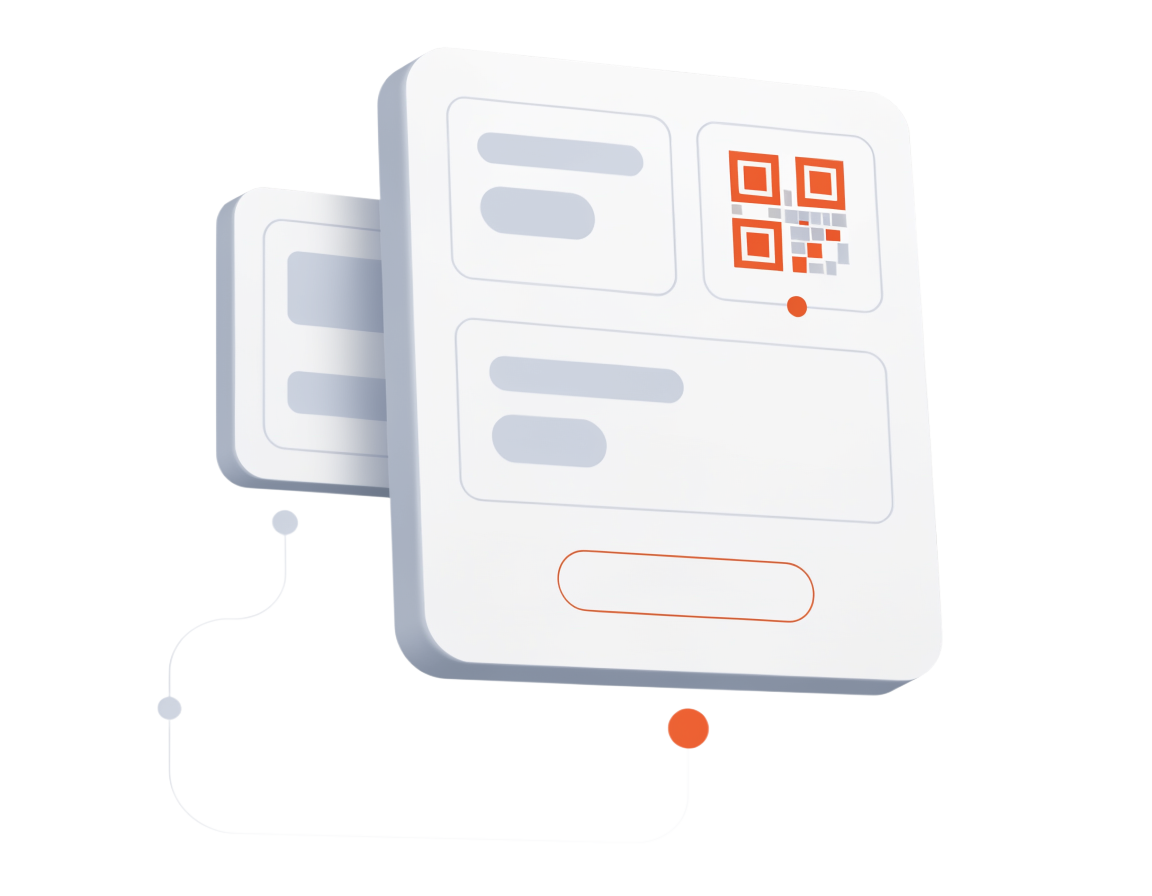
WHMCS plugin — recurring subscription billing
If you bill subscriptions through WHMCS, the native Paymos plugin adds a stablecoin option to your renewal cycle. The customer pays the recurring invoice from their wallet, the plugin marks it paid, and your provisioning or suspension logic runs unchanged. The fastest path for providers already running WHMCS.
See details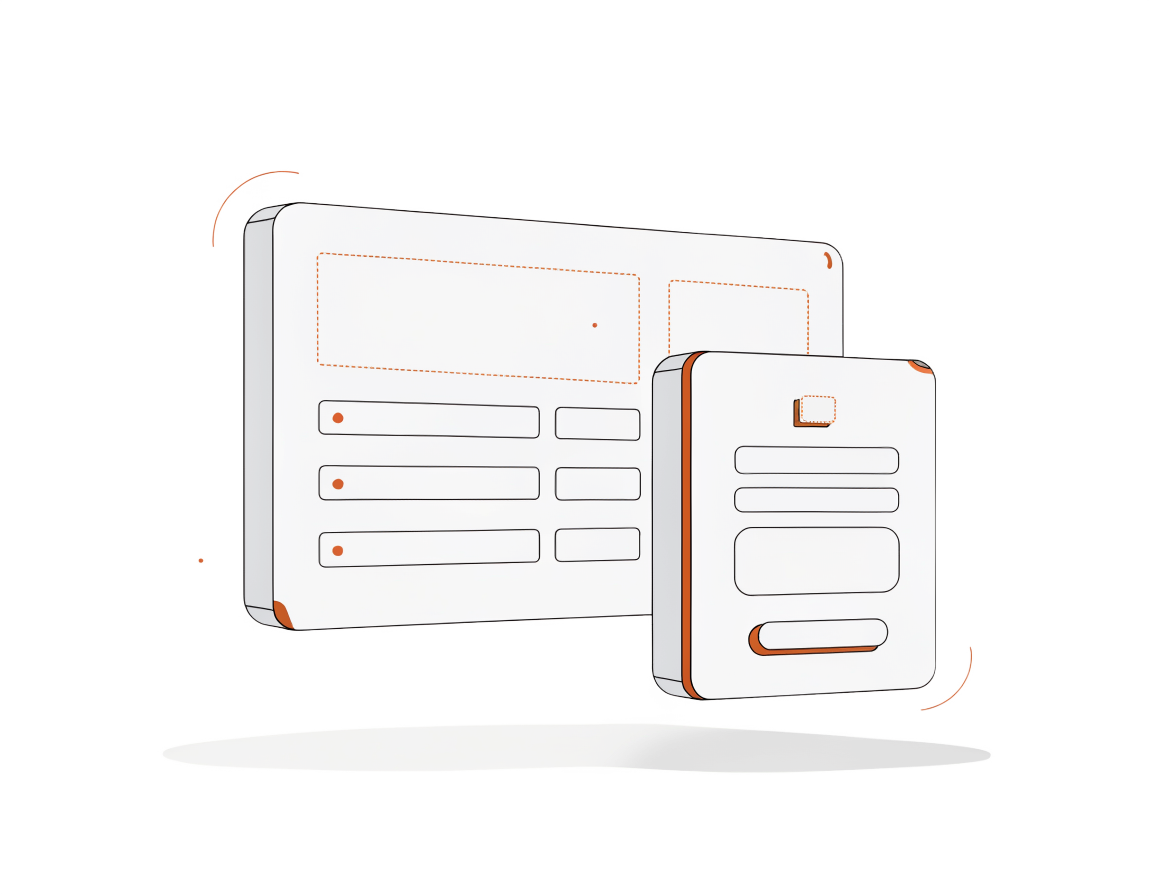
Hosted Checkout — signup and plan purchase
The customer picks a plan on your site, you create a Paymos invoice and redirect them to a hosted page, and they pay from their wallet and return with access active. No card form on your domain and no 3DS to fight on subscribers in restricted regions who'd otherwise decline.
See details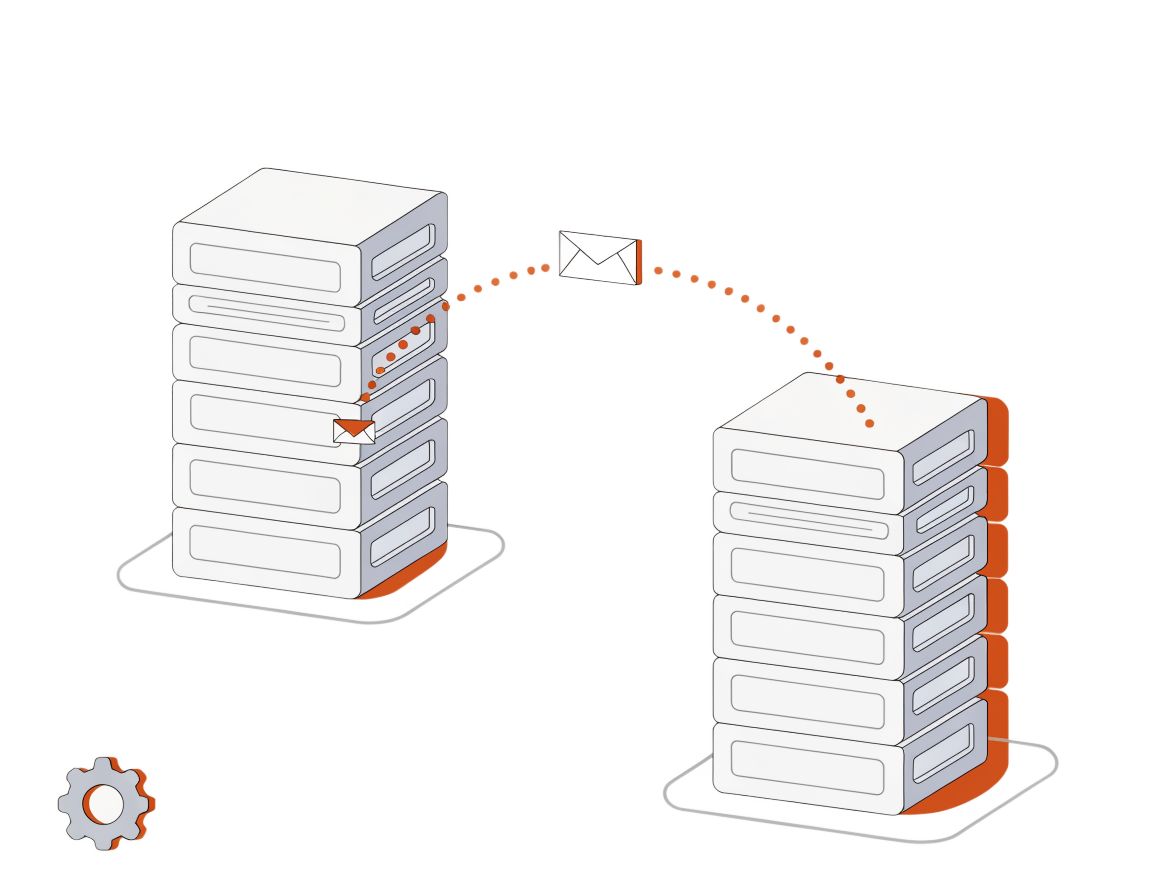
Server-side API — custom app and account automation
Running a custom app or account system? The server-side API covers the full loop — create the invoice, track confirmations, receive the paid signal — all delivered over HMAC-SHA256-signed webhooks. Account activation and suspension stay in your codebase; Paymos settles the money and emits the event your automation already subscribes to.
See detailsVPN billing flows on stablecoins today
What subscription patterns run cleanly on a wallet?
Four flows from real VPN setups — monthly renewal, annual prepay, restricted-region subscriber, and a one-off upgrade.
Monthly renewal — recurring invoice via WHMCS
A monthly VPN subscription billed through WHMCS: the renewal invoice issues on schedule and the customer pays it from their wallet. No card on file to expire and end the subscription, no failed renewal churning a paying user — the plugin marks it paid and access carries on uninterrupted.
Annual prepay — Hosted Checkout
A subscriber prepays a year to lock the price and skip monthly renewals. They pay once from their wallet via Hosted Checkout and access extends for the full term. No card to expire across the year, no renewal to fail mid-year — one payment, twelve months of service secured.
Restricted-region subscriber — direct wallet payment
A subscriber in a region where cards won't clear with your merchant account pays from a wallet instead. The payment confirms in seconds and access activates — a user who most needs the service and would otherwise have been turned away by the card rail, paying directly to your Paymos balance.
Plan upgrade — Payment Link or checkout
A subscriber upgrades to a higher tier mid-term: a payment link or checkout takes the difference, they pay from their wallet, and the upgrade applies the moment it confirms. No re-authorisation of a stored card, no fixed-fee floor eating a small upgrade charge.
VPN on stablecoins
Frequently asked questions
Will Paymos freeze or restrict my account for being a VPN?
Will my WHMCS provisioning and suspension automation keep working with the Paymos plugin?
Renewals are recurring — does the subscriber pay manually each cycle?
How do refunds work for a cancelled subscription?
Which networks and stablecoins should I offer for subscribers in restricted regions?
Am I stuck holding stablecoins, or can I cash out to fiat?
Honest disqualifier
When NOT to use Paymos for VPN billing
Four cases where a card rail is still the right call.
You promise renewal with zero subscriber action
There is no card on file on this rail — a wallet only sends when its owner approves, so each cycle asks the subscriber to confirm a payment. A privacy-minded audience usually accepts that; a mainstream base sold on never thinking about billing won't. Keep the card processor for that segment and put the wallet where cards fail or get the category flagged.
Your audience is mainstream and card-only
A wallet payment converts when the subscriber already holds stablecoins or lives where a card won't clear. If your subscribers are mostly domestic consumers who have never touched crypto, the flow adds a hurdle at the exact moment they decide. Run cards as the primary option and surface Paymos for restricted regions and declined renewals.
You pitch chargeback rights as part of the offer
Stablecoin settlement is final — there is no card-network dispute a hesitant subscriber can fall back on. That finality protects you from reversals on access already delivered, but it can't double as a buyer-reassurance badge. If money-back confidence drives your signups, anchor it in your own refund policy or keep a card option beside the wallet.
You have nowhere to turn stablecoins into fiat
Revenue arrives as USDT or USDC to your Paymos balance and stays there until you move it — Paymos doesn't push fiat to a bank account. A VPN business paying for servers and bandwidth in fiat needs its own exchange route before the rail earns its keep. Sort the conversion path first; the integration can wait a week.
Related flows
Other Services & Hosting sub-niches on Paymos
Pricing
1.0% per settled renewal. No high-risk surcharge, no reserve
One percentage, charged once, when a subscription settles — a lapsed or cancelled invoice carries no fee at all. Paying yourself out is not a second revenue line for us: no commission on a withdrawal, and what you pay is a network fee under that route's own cost. The rate comes down to 0.3% on how many subscriptions renew and on which networks; ask from the first renewal. For scale, a flagged category on cards runs roughly 3% plus a surcharge before reserves.
See pricing