Receive per-project pay the same day
Get paid for each translation project at a crypto checkout, straight to your balance in USDT or USDC — the money is yours the day it clears, with no marketplace taking a cut of the rate.
Where translation income gets eaten before it lands
Why does the per-word rate arrive smaller than you quoted?
Four ways agencies, CAT-tool marketplaces, banks, and processors shrink and delay what a client actually owes.
Agencies and CAT marketplaces take half the source rate
A translation agency bills the end client, then pays the linguist a fraction — often around half the source rate — while CAT-tool marketplaces layer a subscription or per-word cut on top. You did the translation, the client paid the full rate, and a big share never reaches you because a chain of intermediaries sat between the two of you.
Cross-border payouts lose you money on the exchange rate
Translation is paid per project, and most projects arrive from another country. Every payout crosses a bank or a remittance service, gives up a 0.5–2% currency margin, and pays a transfer fee that costs the same on a small job as on a large one. Per-word work means many small payouts, so the fixed part is charged again and again — at a rate you never negotiated.
Payout services hold your money for days
Take payment through a card processor or payout service and a new account often sits under a multi-day hold before funds reach you. You've delivered the project and you're waiting on money you already earned — exactly when an individual linguist's cash flow is tightest.
A delivered translation can still be charged back
A client who paid a translation invoice by card can reverse it up to 120 days later — "not as described," "didn't recognise it" — on a translation you've already delivered. The card rail can pull the money back, and on a thin per-project margin one reversal can wipe out a month.
How direct settlement protects the per-word rate
What changes when a translation client pays in stablecoins?
Four things that change the moment you bill the client direct, not through an agency or CAT-tool marketplace.

No marketplace cut — the client pays you direct
You invoice the client and they pay to your Paymos balance, with no platform sitting between you and the money taking a share of the rate. What you invoiced for the project is what arrives, less the payment fee alone (see Pricing). The per-word rate you quoted is the rate you keep.

Your money is yours the day it clears — no hold
The client pays and the project fee credits your Paymos balance within minutes — no multi-day payout hold, nothing parked by a processor. For an individual living on project cash flow, the money is yours the day the project clears, not a week later when a service decides to release it. And getting it out is not where the cost hides — no commission is taken when you withdraw, only a network fee smaller than the send costs.

The per-word rate survives the border
Quote the job per word in a dollar stablecoin, and that stablecoin travels from the client's wallet to yours intact — no conversion margin, no wire fee, no remittance-service rate skimming the total. Turn it into local money yourself, when it suits you.

A delivered project is final — no 120-day reversal
A stablecoin transfer settles once, and once only. Once the client pays, the project is settled for good — no "not as described" reversal months after you delivered the translation. A clear brief and acceptance still matter, but the rail itself doesn't let a client claw back finished work, and one dispute can't wipe out your month.
How translators wire Paymos in
How do you want to collect payment?
Three ways for a translator or bureau to take stablecoin payments — from a link in an email to your own portal.
Payment Links — send an invoice with no code
Generate a payment link from the Paymos dashboard with the project amount and a note, and send it to the client by email. The client opens it in any browser, sends the payment from their wallet, and on confirmation it's sitting in yours. The simplest way for an individual translator or small bureau to bill a client directly — no website needed.
See details
Hosted Checkout — a pay page for your bureau
If you run a translation bureau with a site, send the client to a Paymos-hosted page for a project deposit or a fixed-price package. They pay from their wallet and Paymos confirms it. No checkout to build and no PCI scope on your site — useful for set-price document services.
See details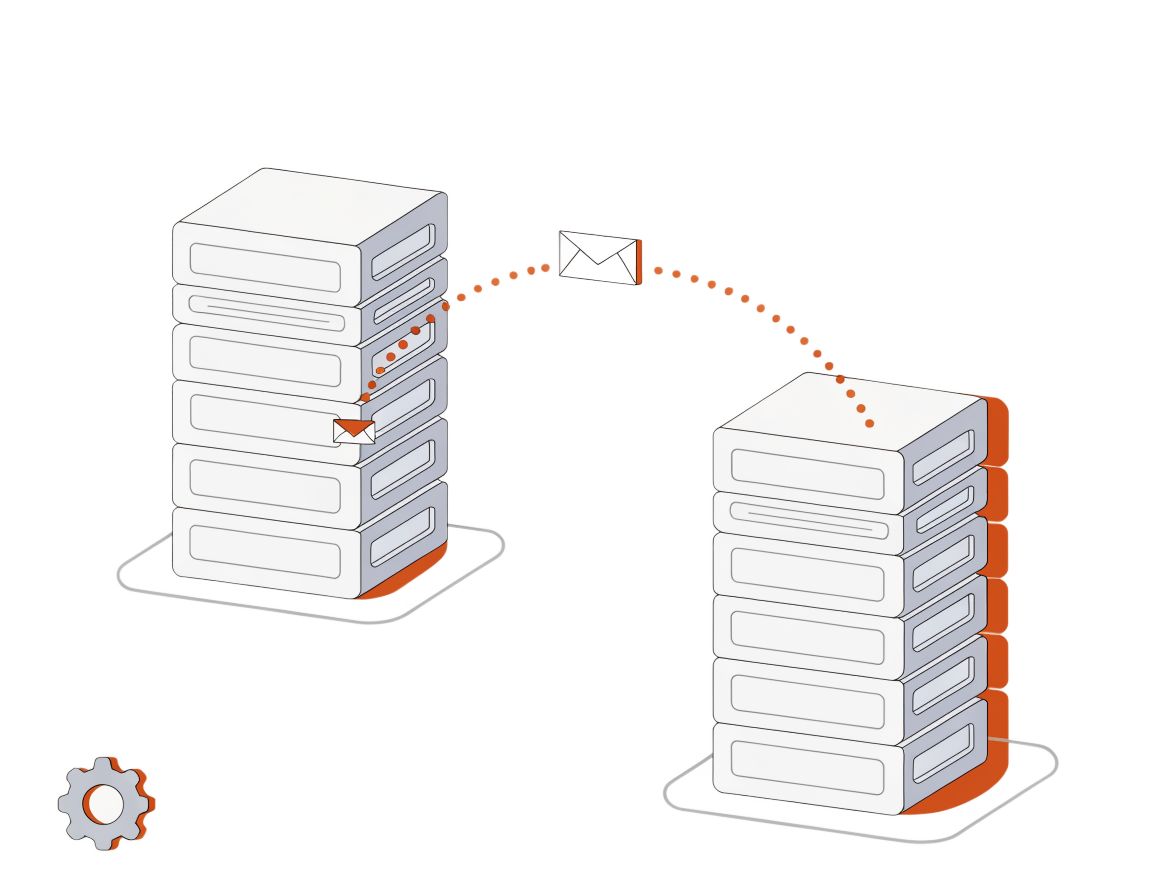
Server-side API — for your own client portal or CAT workflow
Running a client portal or a project-management workflow around your CAT tools? The server-side API lets you raise the invoice, follow confirmations, and receive the paid signal over HMAC-SHA256-signed webhooks, with each invoice linked to your project records. Your system owns the workflow; Paymos handles the payment leg.
See detailsTranslation billing flows on stablecoins today
Which translation jobs run cleanly on a wallet?
Four flows from real translation setups — single document, project deposit, ongoing retainer, and an international client.
Single document — Payment Link on delivery
A one-off document translation: you finish it and send a payment link for the agreed price. The client settles the link from their wallet and the job closes the moment it confirms — no fixed-fee floor eating a small job, no cut taken from the rate, and the money is yours the same day.
Project deposit — Payment Link upfront
A larger project where you take a deposit before starting: you send a payment link, the client pays from their wallet, and it lands in minutes. Work begins once the deposit clears, with no platform escrow holding it — and the balance goes out the same way on delivery.
Ongoing client retainer — recurring invoice
A regular client on a monthly volume retainer: each month you issue the invoice and they pay it from their wallet, settling the same hour. No card on file to expire and stall the retainer, no marketplace skimming the per-word rate each cycle — a fresh invoice the client approves.
Overseas client — the invoice paid in stablecoins
A client in another country pays your invoice from a wallet instead of a cross-border wire. You receive the same stablecoin you priced in, with no currency margin shaving the rate — and the money lands in minutes, not in a multi-day transfer through a remittance service.
Translation services on stablecoins
Frequently asked questions
Do translation clients actually pay in stablecoins?
What does the client do to pay a payment link?
Can I turn the stablecoins into local money, or am I stuck holding them?
What about taxes — does Paymos report my income?
How do I refund a client for a reworked job?
Which networks keep a small per-project fee low?
Honest disqualifier
When NOT to use Paymos for translation billing
Four situations where a platform or a card serves you better.
Agencies and platforms feed you the work
If your jobs arrive through a translation marketplace or an agency PM, their cut pays for the pipeline, not only the payment. Paymos can't replace that deal flow — it only settles invoices you already send. Bill direct clients through the wallet and treat the platform fee as the cost of meeting new ones.
Your clients are law firms and publishers on cards
A legal or publishing client with a corporate-card process and zero crypto exposure will not open a wallet to pay for a $400 certified translation. The wallet invoice fits tech companies, crypto projects localising their products, and clients abroad whose cards fail. Keep a card or bank option for the traditional half of the book.
First job with a stranger, and no trust either way
Stablecoin settlement is final and direct — nothing sits between you and the client the way marketplace escrow does. On a first engagement that protects you from a reversal but gives the client nothing to lean on. A part-upfront deposit and a clear brief usually solve it; if the client insists on held funds, that first job belongs on a platform.
You live invoice-to-invoice in a local currency
Payment lands as USDT or USDC to your Paymos balance, and turning it into the money your landlord takes is a step you run through your own exchange. If that step doesn't exist where you live, or the cash is needed the same day, sort out how you'll cash out before moving client billing here. The rail rewards a small buffer, not hand-to-mouth conversion.
Related flows
Other Services & Hosting sub-niches on Paymos
Pricing
1.0% per settled invoice. Nothing skimmed off, no currency margin
Same rate for the $50 document and the $5,000 retainer. Nothing is skimmed when the money leaves either: the transfer out carries no percentage, only a subsidised network fee on the route. Ask about 0.3% from your first project — how many you invoice and what one runs to are what we weigh. Some marketplaces take a double-digit percentage per job, and cards add currency loss and chargeback risk.
See pricing