Lead-generation retainers stay paid
Collect the retainer on a crypto payment rail and it stays paid — once a payment confirms it can't be reversed, however the client's team decides to grade the leads after the fact.
Where lead-gen margin gets squeezed
Why is a paid retainer still at risk after the leads are delivered?
Four ways card and invoicing rails put performance-based revenue at risk.
"You didn't deliver leads" pulls back the retainer
Lead quality is subjective, and "the leads were no good" is one of the most common disputes in performance contracts. A client can charge back the card up to 120 days after paying, on work you've already done. The card rail can reverse the fee, and the argument over lead grading becomes the client's bargaining chip.
New-account reserves freeze a young agency's cash
A new agency entity usually hits a reserve hold — a slice of new-account volume held for a week or more before payout, with the percentage set by underwriting and not posted up front. You've staffed the campaign and you're waiting on cash you've already earned, on every retainer until your volume history settles.
Net-30 on retainers strains a lean team
Procurement sets the payment date, not the person who signed you. The invoice joins a Net-30 or Net-45 queue while the SDR salaries and the data subscriptions have already left your account. A lean team ends up financing the client's payment calendar out of its own runway, every cycle, before a single lead has been graded.
A card fee eats ~3% of each retainer cycle
A $5,000 retainer on a 2.9% + $0.30 processor costs about $145 to accept — roughly 3% before the invoicing add-on. The retainer renews every month, so the charge does too: a standing deduction on a book you built, at a rate you don't negotiate, sitting on top of the dispute exposure and the reserve.
How stablecoin settlement keeps the retainer paid
What does a stablecoin retainer change for a lead-gen shop?
Four things that go right the moment lead-gen payments stop running through card rails.

A paid retainer is final — no lead-grading reversal
There is no "dispute this charge" route behind a stablecoin retainer. Once the client pays, the retainer is settled for good — no "the leads weren't qualified" reversal months later, whatever the client's team grades the list. Clear deliverable terms still matter, but the rail itself doesn't let a client claw back a paid retainer over a subjective quality call.

No reserve skims the retainer — it lands in full
As soon as the client pays, the money is on your balance — minutes, not a 2–7 day payout cycle, with no new-account reserve skimming a slice. The cash arrives the moment the retainer clears, exactly when you've already paid the SDR team and the data costs and need the money to be yours.

Price in dollars, get paid in the same dollar stablecoin
Quote the retainer in a dollar stablecoin and the client abroad pays that same stablecoin — no conversion cut, no wire chain, no processor-set rate eating the fee. Convert to local currency on your own schedule, only when you actually need it.

Roughly $50 to accept on a $5k retainer, not $145
That same $5,000 retainer costs about $50 to accept on Paymos instead of about $145 — and you keep the difference on every cycle, with no per-invoice fixed fee and no separate conversion charge. Across a 20-client book it compounds.
How lead-gen agencies wire Paymos in
Which integration fits how you bill retainers?
Three ways to wire stablecoin payments into your retainer billing.
Payment Links — retainers from your CRM
Generate a payment link per retainer or milestone from HubSpot, Pipedrive, or Salesforce via the Paymos API, and send it in the thread where the account manager already works. The client opens it in any browser, pays from their wallet, and the receivable closes on confirmation — no new tool for the team and no portal for the client to log into.
See details
Hosted Checkout — setup fees and pilot packages
For a one-off setup fee or a fixed-scope pilot, send the client to a Paymos-hosted page in your logo and colours. They click from the proposal, pay from their wallet, and it lands before the campaign starts — no payment screen to build and no waiting room between sign-off and cleared funds.
See details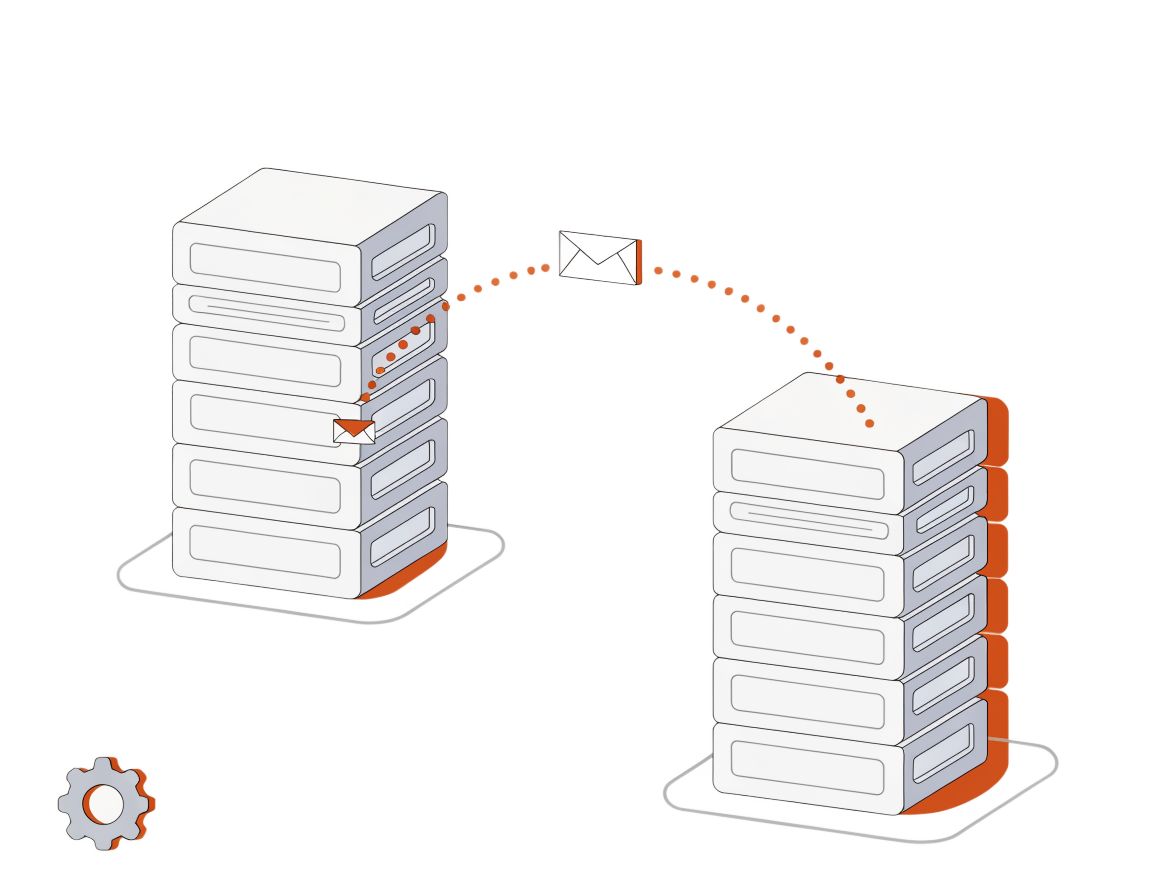
Server-side API — custom agency tooling
Running a custom dashboard or in-house campaign tooling? The server-side API gives you create-invoice, watch-confirmations, and signal-paid steps over signed (HMAC-SHA256) webhooks, with invoices tied to client and campaign codes. Reporting → invoice → settlement becomes one pipeline you own.
See detailsLead-gen billing flows on stablecoins today
What retainer patterns run cleanly on a wallet?
Four flows from real lead-gen setups — monthly retainer, performance milestone, setup fee, and an international client.
Monthly retainer — invoiced each cycle
A monthly lead-gen retainer: each month your system issues the invoice and the client pays it from their wallet, settling the same hour. No card on file to expire mid-engagement, no failed renewal pausing the campaign, and no dispute window opening on a retainer you've already worked. Withdraw the cycle's retainer whenever it suits you — Paymos keeps none of it, and the transfer out costs a subsidised network fee and nothing else.
Performance milestone — Payment Link per gate
A contract with a milestone draw on a delivery target: you send a payment link when the gate is met, the client pays from their wallet, and it settles independently. The draw is final once it confirms — no reversal weeks later if the client re-grades the list after the fact.
Setup fee — Hosted Checkout upfront
A one-time setup or onboarding fee before the campaign builds: the client clicks from the proposal onto your branded checkout and pays from their wallet. The fee clears in minutes, work starts, and there's no fixed-fee floor eating into a smaller setup charge.
Overseas client — paid straight from a wallet
A client in another country pays the retainer from a wallet instead of a cross-border wire. You receive the same stablecoin you priced in, with no exchange-rate margin and no inbound wire fee — and the money lands in minutes, so the campaign isn't waiting on a multi-day transfer to start.
Lead generation on stablecoins
Frequently asked questions
How does Paymos fit our CRM and retainer workflow?
What stops a client from disputing the leads after paying?
Will my chargeback ratio at the card acquirer improve?
How do refunds and lead replacements work?
How does Paymos fit with QuickBooks or our accounting stack?
Which networks and stablecoins do clients pay on?
Honest disqualifier
When NOT to use Paymos for lead-gen billing
Four cases where cards, ACH, or invoicing software is still the right call.
Lead contracts route through enterprise procurement portals
When the client's AP lives in Ariba or Coupa, your invoice needs a vendor record and a PO before anyone pays, and the money arrives by bank transfer at the end of the chain. Paymos doesn't connect to those portals. Keep that tier on ACH and bill your direct, founder-led clients through the wallet.
Clients insist on a card so they can grade leads after paying
Some buyers treat the chargeback window as their lead-quality guarantee. A stablecoin retainer is final on settlement — protection for you, but the opposite of what that client is asking for. Win them over with a replacement policy and defined lead criteria in the contract, or let them stay on cards and price the dispute risk in.
Processor advances fund your data and SDR costs
If an advance against card volume bridges the gap between paying for data, dialers, and SDRs and getting paid by clients, remember that Paymos doesn't lend — it settles invoices and nothing more. Moving volume off the processor shrinks the base your advance is underwritten on. Keep enough card flow to support the credit line you rely on.
You charge per delivered lead, automatically, off a stored card
Real-time per-lead billing — $40 hits the client's card as each lead drops — has no wallet equivalent, because nothing can pull funds from a wallet. The patterns that work here are weekly rolled-up invoices or a prepaid balance that deliveries draw down. If the contract requires charge-on-delivery, that leg stays on cards.
Related flows
Other Services & Hosting sub-niches on Paymos
Pricing
1.0% per settled retainer. No reserve, no exchange-rate margin
Nothing is withheld here: a $1.5k retainer and a $15k one settle to your balance at the same percentage. Paying the data suppliers out of it adds no further charge — a withdrawal takes no percentage, and its network fee is subsidised, quoted before the transfer goes. Talk to us about 0.3% from your first retainer — how many run and what they are worth decide it. The expensive part of a card rail in lead generation is not the roughly 3% — it is the slice of every retainer an acquirer withholds because the category disputes.
See pricing