Sell where the card networks won't have you
Keep selling residential proxies and scraping without a processor shutting your account for the category — and take stablecoins onto your balance from customers whose cards never clear anyway.

Why card processors won't keep your business
Why does a profitable proxy business keep losing its payment account?
Four ways card rails work against a category they classify as high-risk.
Processors classify the category as high-risk and terminate
Residential proxies and scraping sit in a category card processors flag as high-risk, and accounts get frozen or terminated with little notice — sometimes mid-month, with a reserve held on the way out. You can be fully compliant and still lose the rail because of the merchant category, not anything you did.
Held-back funds lock up your cash for weeks
High-risk merchants get more held back — a meaningful slice of every sale withheld for weeks, with the percentage set by the processor and not posted up front. Your working capital sits frozen against disputes that may never come, purely because of how the category is rated.
Customers in restricted regions can't pay with a card
Demand for proxies and scraping is global, but a customer in many regions can't get a card accepted by a foreign merchant — geo-blocks, low cross-border approval, hard 3DS. The customer wants to buy and can't, and you lose the order to a payment rail that won't reach them.
Chargebacks pile onto a dispute-prone category
On a typical 2.9% + $0.30 processor you pay roughly 3% before high-risk surcharges, and the category draws disputes — "didn't recognise it," "service not as expected" — on access you've already delivered. Each chargeback carries a fee regardless of outcome and pushes your ratio toward more reserves.
How stablecoins keep bandwidth revenue flowing
What changes when payments settle in stablecoins?
Four things that go right the moment you stop depending on a card processor that doesn't want the category.

No processor shuts you down for the category
Paymos settles stablecoin payments to your Paymos balance without scoring the business by merchant category. No underwriting committee freezes the account mid-month over residential-IP resale or scraping, and no acquirer reclassifies a growing bandwidth business as too risky to keep — so you keep getting paid.

No reserve — your cash stays liquid
A stablecoin payment isn't held back in a reserve. The net amount after processing credits your Paymos balance when it confirms, available to run the business instead of frozen for weeks against disputes that can't happen here. Your working capital stays liquid regardless of how a card network would rate the category.

Customers in restricted regions pay direct
A customer in a region where cards won't clear with a foreign merchant pays from a wallet instead — no geo-block, no 3DS wall, one flow regardless of country. You reach the demand that card rails were turning away, and you collect from it directly to your Paymos balance.

Payments are final — no disputes, and no high-risk surcharge stack
A stablecoin payment has no chargeback mechanism, so delivered access can't be reversed and the dispute-driven reserve spiral doesn't start. You also drop the high-risk surcharge stack — the rate is one flat percentage, covered in Pricing — and keep the difference on every sale.
How proxy providers wire Paymos in
Which integration fits how you sell access?
Three ways to wire stablecoin payments into your signup and billing.
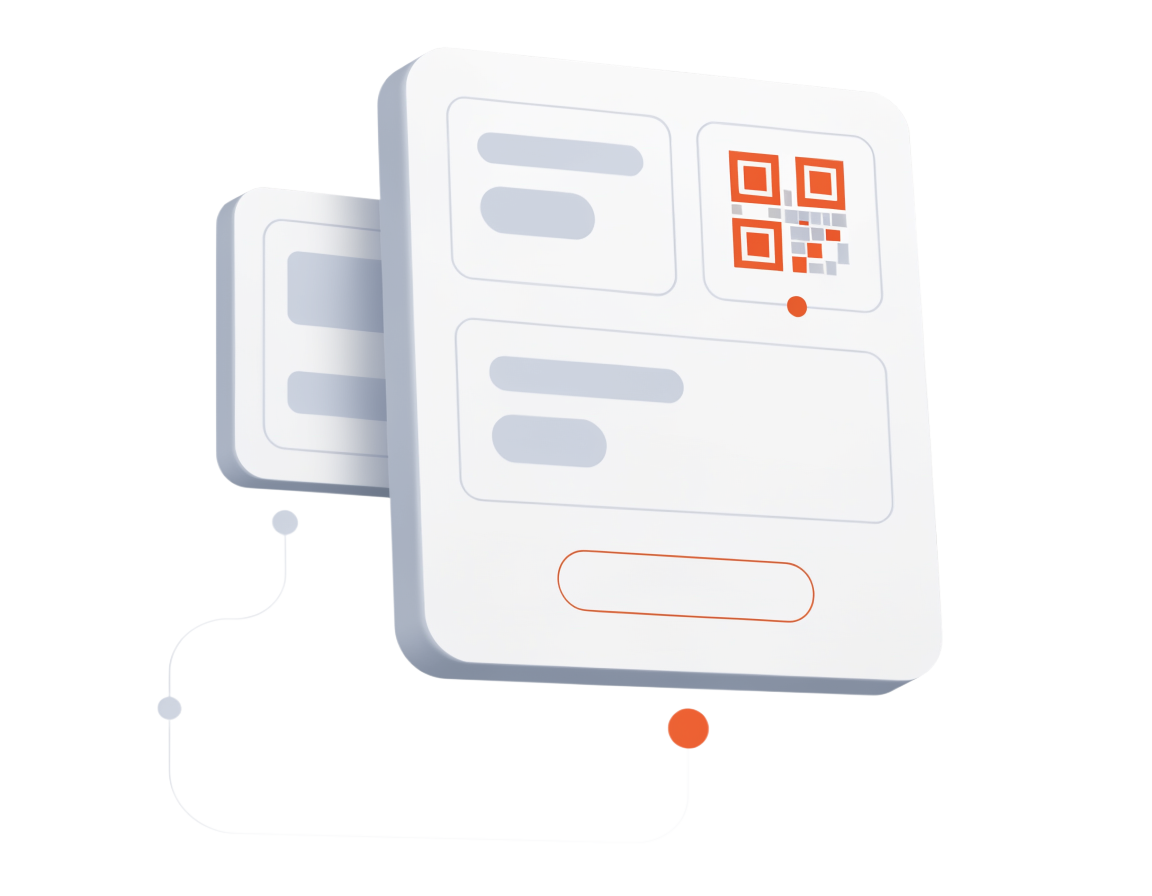
Hosted Checkout — signup and plan purchase
The customer picks a plan on your site, you create a Paymos invoice and redirect them to a hosted page, and they pay from their wallet and return with access provisioned. No card form on your domain and no 3DS to fight on customers in restricted regions — the fastest way to take payment without a card processor in the loop.
See details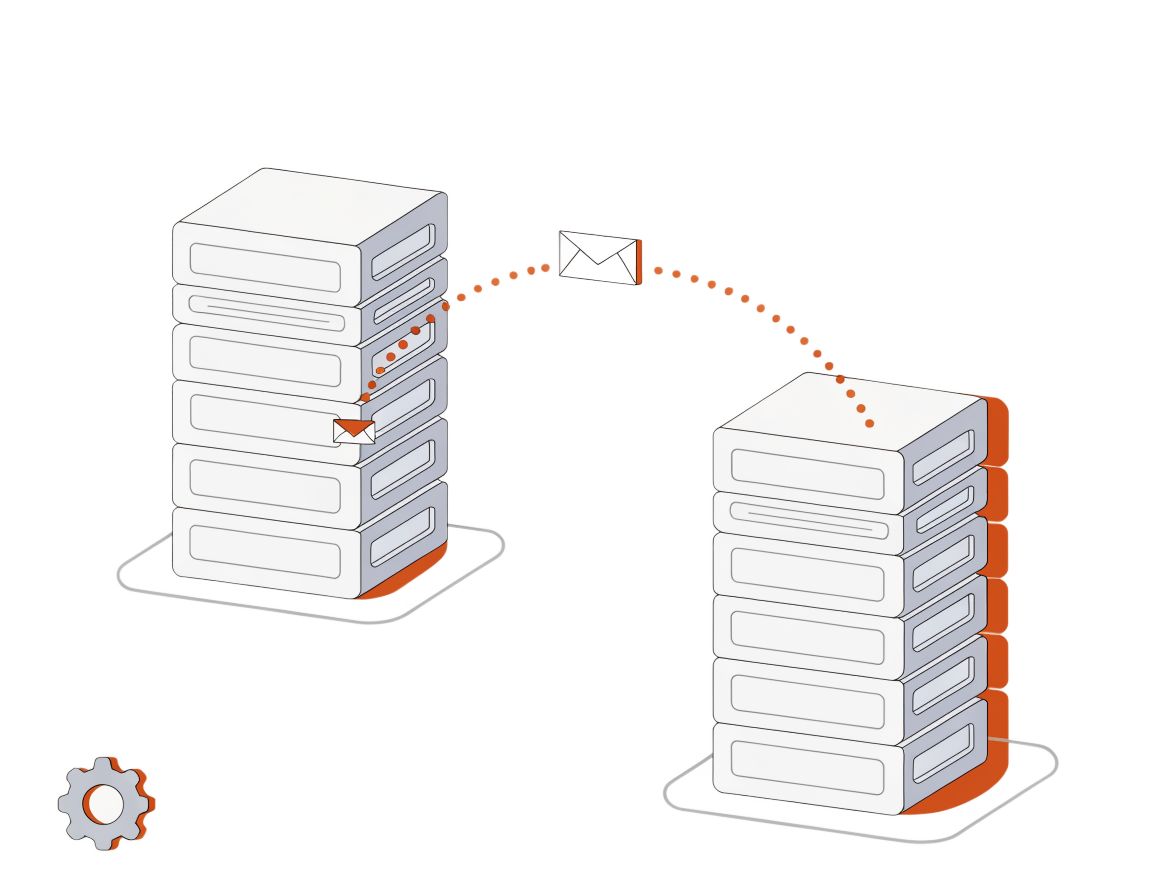
Server-side API — usage billing and plan automation
Running a custom dashboard with usage tiers or bandwidth metering? The server-side API breaks the flow into create-invoice, confirmation-watch, and paid-signal calls, with HMAC-SHA256-signed webhooks carrying the events. Your system owns provisioning and suspension; Paymos handles the payment leg and fires the paid event your automation listens for.
See details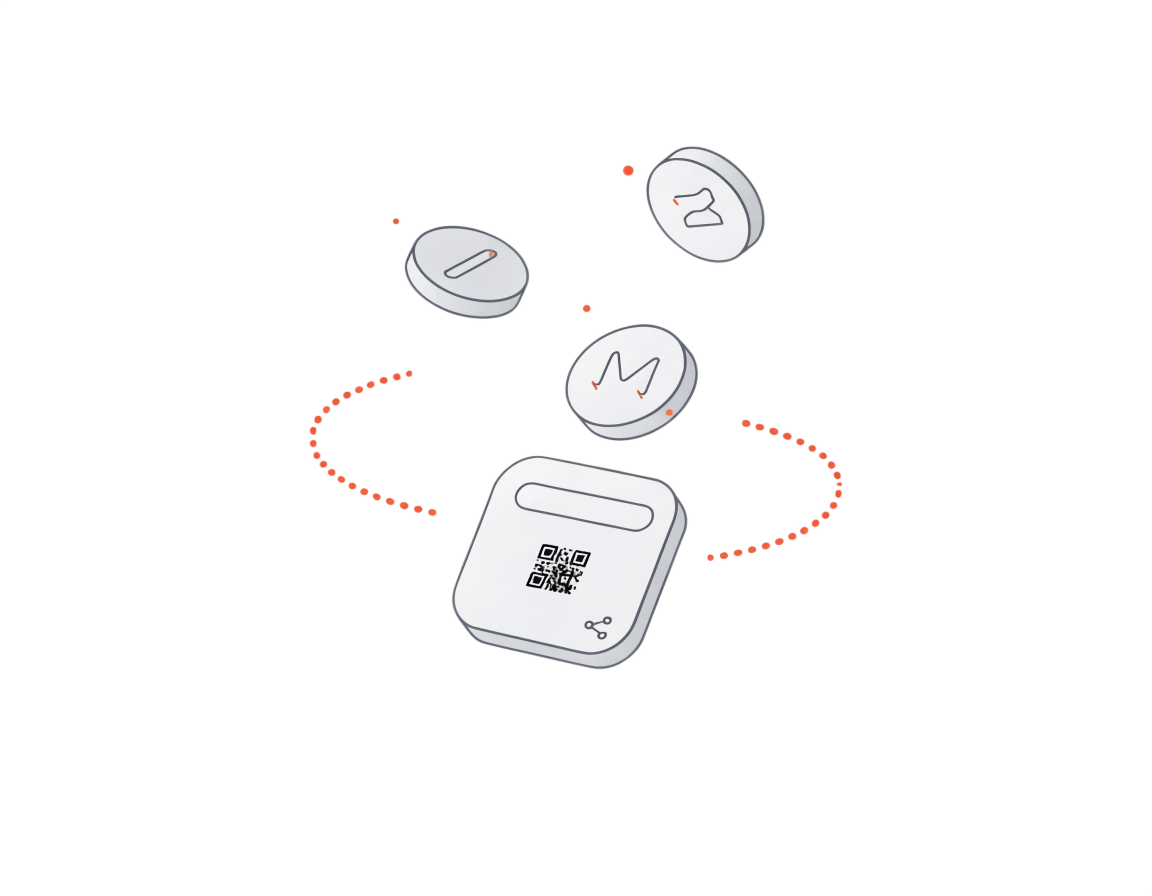
Payment Links — top-ups and enterprise prepay
For a balance top-up or an enterprise customer prepaying capacity, generate a payment link from your dashboard and send it over. The customer pays from a wallet and the receivable closes on confirmation — a clean fit for larger amounts that want a real invoice attached, with no card-network involvement.
See detailsProxy billing flows on stablecoins today
What billing patterns run cleanly on a wallet?
Four flows from real proxy setups — monthly plan, usage top-up, enterprise prepay, and a restricted-region customer.
Monthly plan — recurring invoice
A customer on a monthly residential-proxy plan: each period your system issues the invoice and they pay it from their wallet, settling the same hour. No card on file to expire and pause access, no processor reviewing the category mid-month — the plan renews on a rail that doesn't flag the business.
Usage top-up — Hosted Checkout
A customer tops up a bandwidth balance as they go: they hit Hosted Checkout, pay from their wallet, and your dashboard credits the balance, drawn down with usage. No fixed-fee floor eating a small top-up, and the payment is final the moment it confirms.
Enterprise prepay — Payment Link
An enterprise customer prepays capacity against a contract. You send a payment link, they pay from a corporate wallet, and the net amount after processing credits your Paymos balance the same day — no reserve held against it and no card-network underwriting deciding whether to allow the category.
Restricted-region customer — direct wallet payment
A customer in a region where cards won't clear with your merchant account pays from a wallet instead. The payment confirms in seconds and access provisions — a customer you'd otherwise have lost entirely to a payment rail that couldn't reach them, collected directly to your Paymos balance.
Proxy and scraping on stablecoins
Frequently asked questions
Can Paymos cut off a proxy or scraping business the way acquirers do?
How does Paymos fit my signup and provisioning flow?
How fast does a payment confirm before I provision access?
How do refunds work for an over-provisioned or cancelled plan?
Which networks and stablecoins should I offer for global customers?
Can I cash the revenue out to fiat, or do I have to keep the stablecoins?
Honest disqualifier
When NOT to use Paymos for proxy billing
Four setups where a card processor still earns its place.
Your buyers are mainstream teams with company cards
Plenty of proxy demand comes from marketing and data teams who hold nothing but a corporate card and have no wallet to pay from. For them the wallet screen is a dead end, not a checkout. Where you can keep a high-risk processor alive, run it next to Paymos and let each buyer take the rail that works for them.
Risk-free trials are what sell your plans
Some buyers test a proxy pool precisely because the card lets them pull the money back if it disappoints. Stablecoin settlement closes that door — final on confirmation, in both directions. That shields you on delivered bandwidth, but if try-it-risk-free psychology drives conversion, keep a card path or sell a cheap trial tier instead.
You bill metered overage from a stored card
A wallet cannot be auto-charged: if your model meters bandwidth and pulls the overage from a card at period end, that mechanic has no stablecoin equivalent. What works here is prepaid balance — the customer tops up and usage draws it down. If you can't move the metered tier to prepay, keep the card processor on it.
You have no plan for the stablecoins after they land
Settlement stops at your balance: USDT or USDC, no conversion, no bank payout. Upstream IP suppliers and infrastructure mostly invoice in fiat, so without an exchange route the revenue can't pay your own bills. Set up how you'll cash out first — once that exists, reserve-free liquidity becomes the advantage it's supposed to be.
Related flows
Other Services & Hosting sub-niches on Paymos
Pricing
1.0% per settled invoice. No high-risk surcharge, no reserve
Paymos prices the payment — the same share of the monthly plan and of the annual prepay. Bandwidth bills get settled out of that balance without a further cut: the withdrawal carries no percentage, and its network fee is subsidised, quoted for the route. 0.3% is open from your first invoice: how many plans bill and what they are worth are what we read. Residential-IP businesses get priced as a category rather than as a book elsewhere: roughly 3% on cards, then a high-risk surcharge that never comes off, then a reserve against the disputes the flag predicts.
See pricing