Deliver the key, keep the money
Sell digital goods — license keys, game codes, and downloads — at a crypto checkout in USDT and USDC. The payment is final the moment it confirms — so the buyer who downloads, then files a “never got it” claim, has nothing to reverse. You keep the sale and the asset.

Where digital-goods margin leaks
Why does selling files and keys cost more than the headline rate?
Four costs that don't show up in the quoted fee: undisprovable disputes, a record-keeper's cut, risk flags, and key fraud.
A “never received it” claim has nothing to disprove it
There's no carrier, no tracking number, no delivery signature on a download. When a buyer says the file never arrived, the card processor has nothing concrete to weigh and usually rules for the buyer. Each lost case carries a fixed dispute fee and pushes your chargeback ratio toward the threshold where the brands start fining you.
A merchant-of-record skims every license
Platforms that sell as merchant-of-record bundle a percentage plus a per-sale charge in return for filing your tax. On a license sale that's several times a bare payment fee — and it lands on every order, including the buyers in countries where you owe nothing.
Software accounts sit in the high-risk bucket
Card risk models score software and key sales above ordinary retail. The result is lower starting limits, manual review on new accounts, and a held-back reserve once volume grows — your cash locked up on a business whose whole product is a string and a link.
One stolen card empties your key stock by morning
A reseller ring buys keys on a stolen card at 2am, lists them within the hour, and disputes the charge once the cardholder notices. You're out the activated key, the revenue, and the dispute fee in a single night. It's the exact pattern key sellers cite when they say card fraud is their largest line of loss.
What a stablecoin rail fixes
Why does a final, fast payment suit digital goods?
Four things that change the day you stop putting keys and files on card rails.

Final once confirmed — there is no dispute window
A stablecoin payment can't be charged back. Once it confirms on-chain, the money is settled — no claim period, no reversal weeks later, no bank pulling it back. The category-defining cost of selling something a buyer can deny receiving is gone.

Keep the whole license price
No merchant-of-record takes a cut before the money reaches you. A paid license credits your Paymos balance at 1.0%, with nothing skimmed for tax handling you may not need. You file tax on your own terms — and keep the premium that used to fund someone else's compliance desk.

Confirms in seconds, delivery fires on the webhook
Small tickets confirm in seconds on chains like Base and Tron. Paymos fires the signed webhook, your endpoint issues the key or download URL, and the buyer has the link before the checkout closes. Nothing sits between the sale and the fulfilment.

One dollar price, the same everywhere
Price once in a dollar stablecoin and it reads the same in Manila, Berlin, or Lagos. No per-region re-pricing, no rate markup skimmed at the gateway — so your margin on a license holds steady wherever the buyer is.
Wiring it into a digital store
Which integration fits a digital storefront?
Three ways to take stablecoins: embedded on your page, pure REST, or a WHMCS plugin.
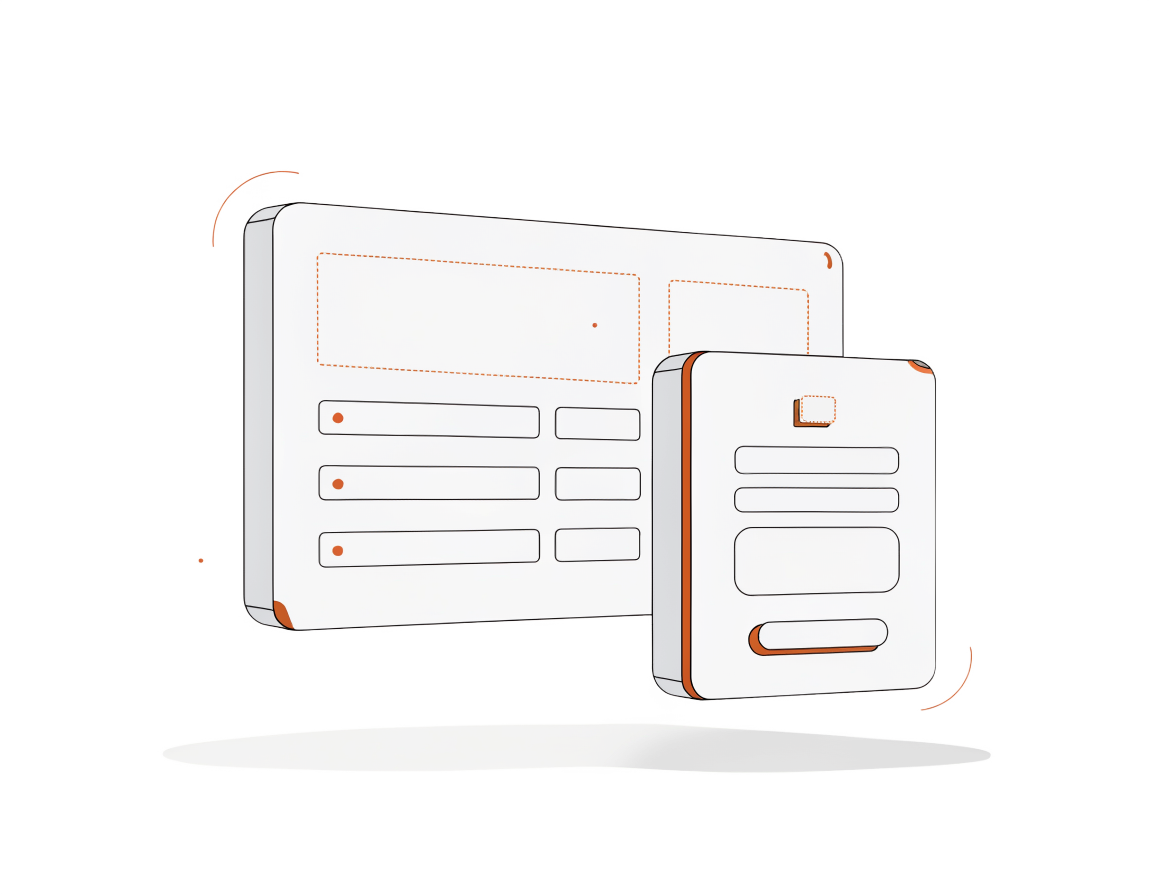
Embedded checkout — the buyer stays on your page
Drop the checkout into your product page as an iframe, so the buyer never leaves your domain. The instant the payment confirms it posts back over a signed webhook — wire that one event straight to your key-issuing endpoint.
See details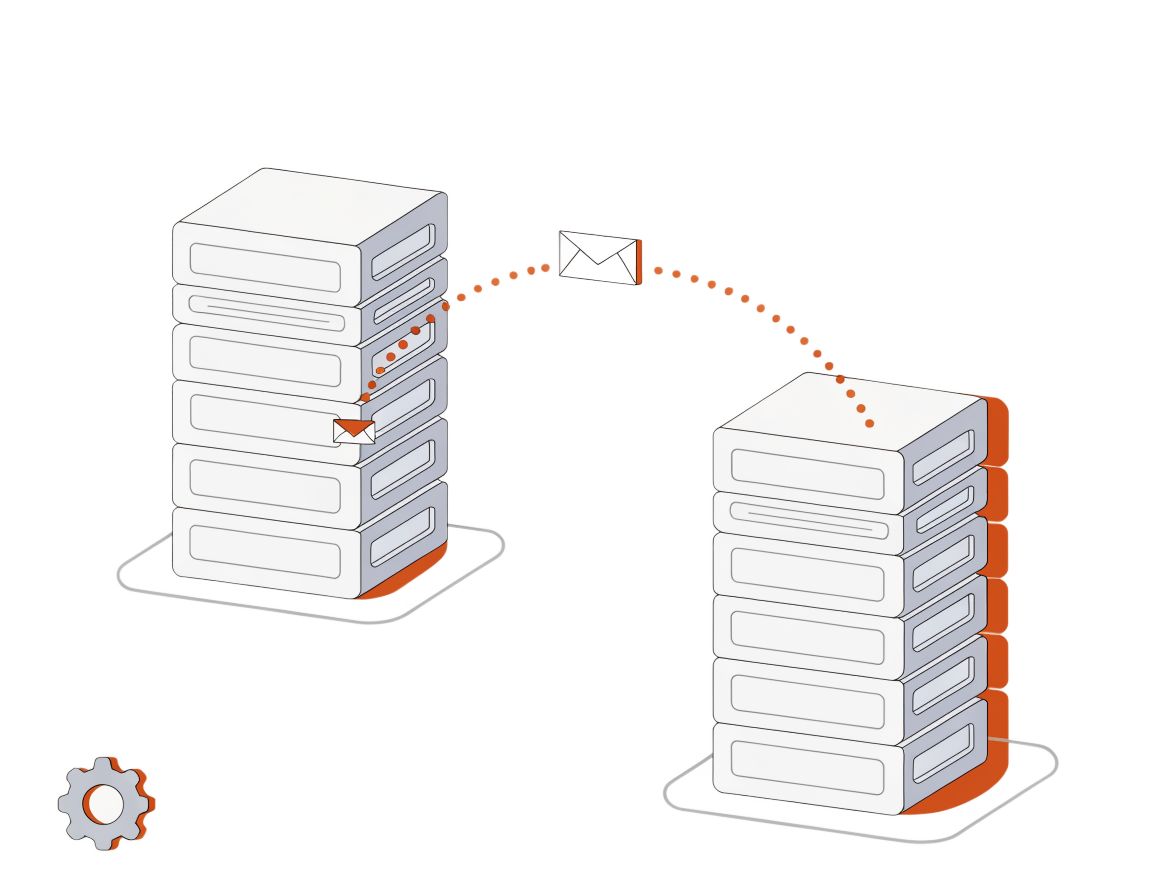
Host-to-host REST — full server-side control
Pure REST authenticated with HMAC-SHA256, a fit for any Node, Go, Python, or .NET backend that already gates activation behind its own API. Sandbox keeps the same API contract with separate test credentials and simulated outcomes; create live credentials before accepting real payments.
See details
WHMCS plugin — hosting and license resellers
A drop-in plugin for the billing platform hosting and license shops already run. Install it, open the current Paymos project, click Connect Paymos, and approve the WHMCS URL and project; Paymos then securely provisions Sandbox and Live credentials plus the exact webhook.
See detailsCatalogues already on stablecoins
Which digital goods run cleanly on a wallet?
Four catalogues that ship as a key, a file, or a download link — and confirm in seconds.
Software licenses
Perpetual or seat-based keys sold one at a time. Your activation endpoint catches the webhook as the payment confirms, and the license reaches the buyer's inbox before they refresh the page.
Game keys and CD keys
Storefront and direct game-key inventory — the goods card fraud targets hardest. A key activated minutes ago carries no chargeback risk, because a confirmed stablecoin payment cannot be reversed.
eBooks, courses, and video downloads
PDFs, video lessons, templates, and prompt libraries. The webhook fires, your presigned download URL ships, and the buyer pulls the file — with the money already settled to your Paymos balance, not held for days on a fresh account.
Stock assets — photos, audio, 3D
Single-license downloads from a stock catalogue or asset library. Buyer payments settle in stablecoin to your balance; when it's time to pay a contributor their share, you send it as one outbound transfer to their wallet.
Digital goods on stablecoins
Frequently asked questions
How fast does delivery happen after payment?
What if the buyer claims they never received the file?
Do you handle EU VAT and US sales tax?
Can a fraudster charge back after activating a key?
What if a buyer pays on the wrong network?
Which stablecoins and networks make sense for digital goods?
Honest disqualifier
When NOT to use Paymos for digital goods
Paymos is an added stablecoin rail, not a merchant-of-record. Four cases where it isn't the right fit.
You're buying merchant-of-record tax handling
A merchant-of-record files EU VAT and US sales tax for you and prices that work into its cut. Paymos is a payment rail: the money reaches you faster and at a fraction of the cost, but the filings stay with your accountant. If outsourced tax compliance is the thing you want, buy that, not a rail.
Your licenses renew automatically on a saved card
A wallet can't be pulled — every payment is initiated by the buyer, so an annual license that silently renews on a card on file has no stablecoin equivalent. Run one-time keys and buyer-initiated renewals on Paymos, and keep card-on-file billing for plans that must auto-renew.
You gate key release on a fraud score
Card networks score each transaction before you release a key. Paymos has no behavioural fraud engine or buyer-identity layer — it doesn't need one, because a confirmed payment can't be reversed. If your real problem is account farming rather than payment fraud, you'll still run your own abuse controls on top.
Your buyers pay cents, not dollars, and don't hold crypto
On a micro-priced download the deciding cost isn't the fee — it's asking a card-native buyer to open a wallet for a tiny purchase. At impulse prices for an audience that doesn't hold crypto, cards convert better. Bring Paymos in on bundles and higher-priced licenses, where the saved dispute losses outweigh the friction.
Related flows
Other Commerce & Retail sub-niches on Paymos
Pricing
1.0% per settled license. No record-keeper's cut, no chargeback liability
A flat 1.0% on every settled license, key, or download — no per-activation surcharge, no dispute fees, no reserve. Acceptance gas and the sweep are covered inside it, and on withdrawal Paymos takes zero commission, charging only a subsidised network fee. We go down to 0.3% on sales volume and how many buyers reach payment; ask in your first month. A merchant-of-record's several-percent cut plus a per-sale charge compounds against that on every order.
See pricing