Pay every marketplace vendor from one balance
Buyers pay in USDT and USDC through a single crypto payment gateway, to one balance you control. You pay each vendor yourself, on your own timing — a cleared order stays cleared, and one buyer's dispute never freezes the whole roster's money at once.
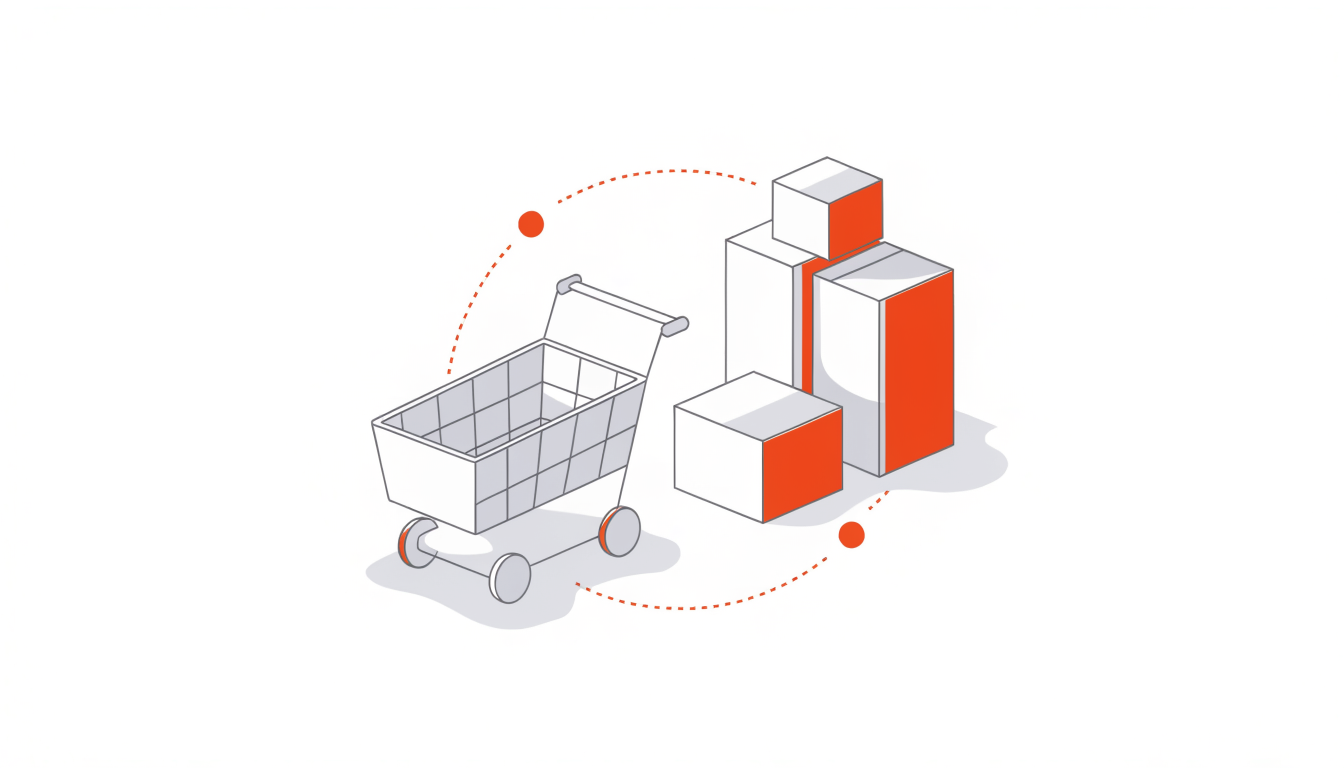
Where marketplace margin leaks on card rails
What does a connected-payments stack cost a marketplace?
Card-based marketplace tooling bills you four ways at once — a fee per seller, forced seller onboarding, a chargeback that freezes the split, and spread on every cross-border payout.
The bill grows with every seller you add
Connect-style platforms charge a flat monthly fee per active seller account, then a per-payout fee, then a cut of each sale. Stripe Connect alone runs $2 a month per active account plus $0.25 a payout — so a thousand-vendor roster owes a four-figure monthly bill before a single order settles.
Forced seller verification sheds your long tail
Connected card accounts make every seller clear the platform's identity gate — government ID, a bank account, a tax number, sometimes a live selfie. A large share of your smaller sellers abandon at that step, and running the checks in-house instead loads the compliance work and liability onto you.
One buyer dispute freezes the whole split
A chargeback on a single seller's order pulls back both your platform fee and that seller's share at the same time. The processor reverses the funds weeks after delivery, and you either eat the loss or chase the seller for it — and the exposure compounds across the roster.
Cross-border payouts bleed margin into spread
When a buyer in one country funds a seller in another, the platform converts through its own desk and prices in a markup over the market rate. Across a roster of international sellers, that spread skims your take on every order you route.
What one balance changes for vendor payouts
What changes when every buyer pays to one balance?
Four things flip in your favour when the marketplace settles in stablecoins and pays sellers itself.

No per-seller account fee at all
Buyer payments credit your Paymos balance; each seller payout is a transfer you send from it. Nothing is billed per active seller and there's no fee to add one — and Paymos takes 0 commission on each payout, so the per-seller overhead that defines a Connect stack isn't there. You pay only the network fee that carries the transfer, quoted before you send it and set below what the chain charges for the send.

You set the bar for who sells, not a processor
Paymos runs no identity check on your sellers — they aren't Paymos accounts, only wallet addresses you choose to pay. Your platform decides who qualifies and how, so your long tail never abandons at someone else's verification gate. Vetting who sells is your call and your obligation, with your own tools.

No clawback, so no split ever freezes
A stablecoin payment is final once it confirms — there's no chargeback that yanks the whole split back weeks later. Want a holding step? Keep the seller's share in your balance and release it on your own timing. One order's problem stays one order's problem; the rest of the roster keeps getting paid.

Pay sellers in their own asset, no spread
You pay each seller in USDT or USDC with no conversion leg and no markup, and each one picks the network they prefer. The spread you used to surrender on cross-border payouts stays in your margin.
How marketplaces wire Paymos in
Which integration fits a multi-vendor marketplace?
Three ways to wire acceptance and seller payouts into your platform — pick by how much you build versus how much you hand to us.
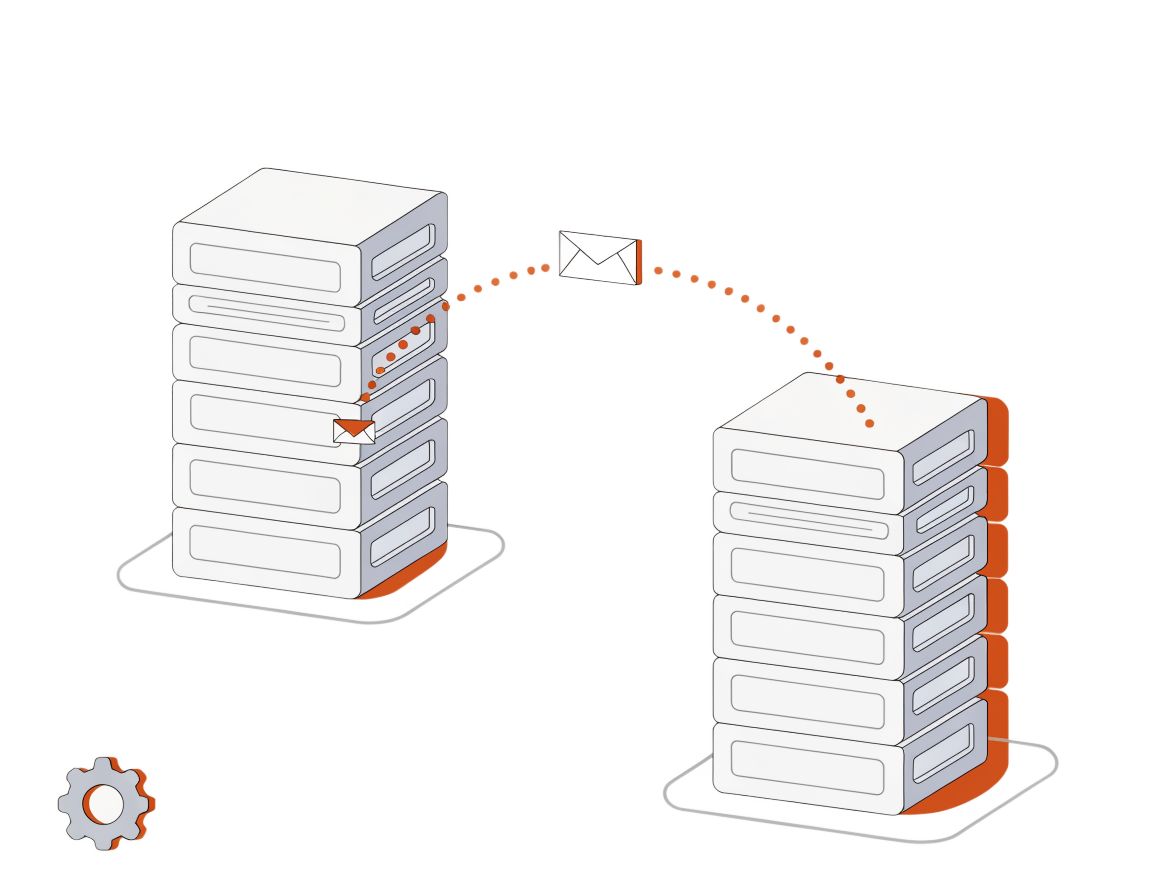
Server-side REST API — full control
Pure REST, HMAC-SHA256 auth, no Bearer token. Create one invoice per order or per cart, take the X-Webhook-Signature webhook on confirmation, and push each seller payout from your balance through the withdrawal API. Prove the seller-payout leg against the Sandbox virtual balance before it ever runs against a real one.
See details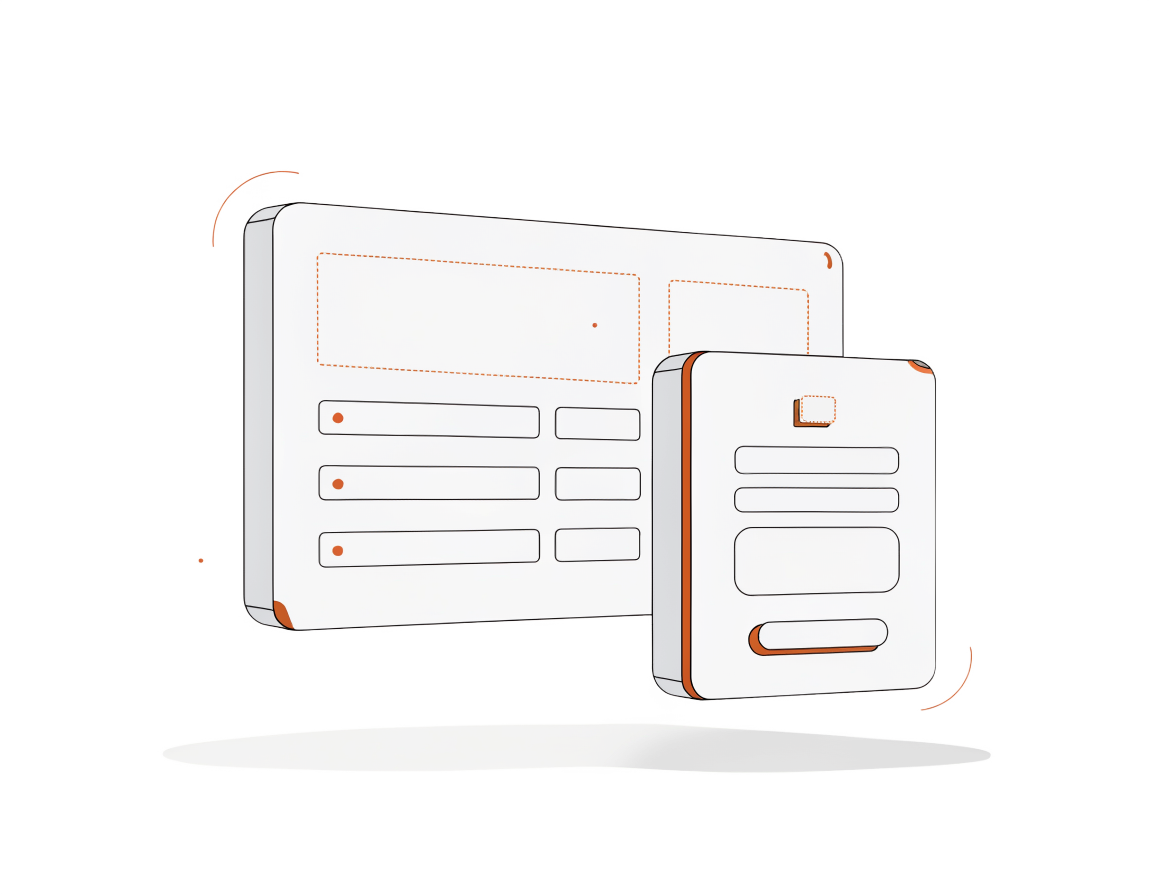
Embedded Checkout — stay on the marketplace
Drop the embedded checkout onto any product page so the buyer never leaves your domain. You set your own order reference on each invoice (external_order_id, plus an optional client_id), and the confirmation webhook echoes it back — so you map the cleared payment to the right order and seller in your own database.
See details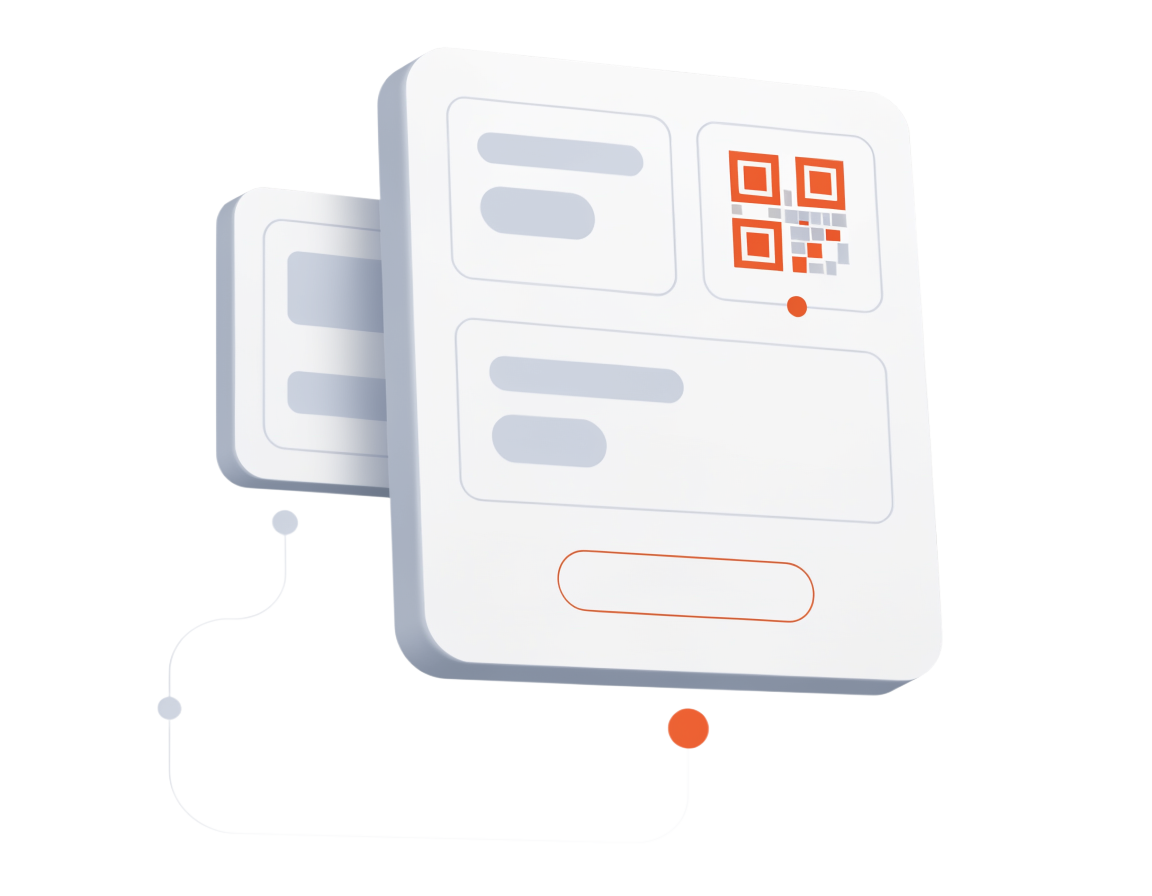
Hosted Checkout — per-seller branding
Run one project per seller, each with its own logo, colours, and return URLs. A fit when sellers operate semi-independent storefronts under your marketplace umbrella but every payment still settles to one balance you control.
See detailsMarketplace flows on stablecoins today
Which marketplace operations run cleanly on a wallet?
Four flows from real multi-seller setups — onboarding on your terms, the share payouts you trigger, hold-and-release timing you own, and the weekly run.
Seller onboarding, your rules
A seller signs up on your platform, you collect a wallet address, and they're ready to be paid. Paymos doesn't vet, gate, or rate-limit them — they're a destination, not an account. You set the standards; Paymos sends a stablecoin to whoever you tell it to.
Order-share payouts you trigger
A buyer pays once into your balance; you keep your platform's cut and send the seller the rest. That's a couple of ledger entries on your side and one withdrawal-API call per seller, each landing on the network that seller chose.
Hold-and-release for disputes
Keep the seller's share parked in your balance for a window after delivery — release it when no dispute lands, send the buyer a refund if one does. Paymos enforces no holding logic; your system does, with a delayed withdrawal call when you're satisfied.
Weekly cross-border run
A weekly batch across hundreds of sellers, each paid in USDT or USDC on the network they nominated. Your queue fires the withdrawal API once per seller; each send leaves as the queue reaches it, with no wire cut-off and no per-seller bank charge. Paymos signs each transfer on isolated infrastructure and broadcasts it only to the seller wallet already on your withdrawal whitelist. Growing that list is one dashboard submission of up to 50 addresses, each with a label, and re-submitting a roster you have added to picks up only the new names.
Marketplaces on stablecoins
Frequently asked questions
How do I split one buyer payment across multiple sellers?
Does each seller need their own Paymos account?
How do I run a hold-and-release or escrow flow?
Can a buyer dispute and claw back the whole order?
Which networks and stablecoins should sellers use for payouts?
How does reconciliation stay clean at scale?
Honest disqualifier
When NOT to use Paymos for a marketplace
Paymos is payments in and payouts out — not a connected-accounts product. Four cases where it isn't the right fit.
You need automatic splits and sub-merchant accounts
Paymos has no Connect-style sub-accounts. A buyer's payment credits your Paymos balance as one credit, and seller shares are withdrawals you trigger from your own ledger. If you need the processor to split the fee and settle each seller automatically, that's a different product class — keep that piece on a connected-accounts platform.
You want the provider to own seller KYC
Connected card platforms verify each seller and carry the regulatory liability for it. Paymos has no seller-identity layer — sellers are payout addresses you whitelist, so vetting who sells on your platform is entirely your job and your obligation, done with your own tools. If you want that work outsourced, this isn't the rail.
Escrow has to be enforced by a third party
Some deals demand escrow that neither side — including you — can override. Paymos lets you hold a payout and release it on your own timing, but the rules live in your code, not with an independent custodian. If a contractual third-party escrow agent is the requirement, look elsewhere for that leg.
Chargebacks are your buyer-protection story
Many marketplaces sell money-back protection backed by the card network. Stablecoin payments can't be reversed, so any guarantee becomes a refund your platform funds and adjudicates by hand. If you don't want to run that desk, keep cards as the protected option and add the stablecoin rail alongside.
Related flows
Other Commerce & Retail sub-niches on Paymos
Pricing
1.0% per settled order. No per-seller fee, no payout markup
One flat 1.0% on a settled order, small or large, with no per-seller subscription and nothing to set up. On each seller payout Paymos takes 0 commission — you pay a subsidised network fee and nothing else. The rate comes down to 0.3% on how many orders settle and what they total; ask from the first ones. The card-based stack beside it — a monthly fee per seller, a transaction cut, a payout spread — widens with every seller you add.
See pricing