Have the cash before you pay the printer
Print-on-demand has you funding production before the card processor's payout ever lands. Take USDT and USDC, and the order credits your Paymos balance as it clears — working capital in hand to queue the supplier order, with no hold riding your cash through the print-and-ship window.
Where the print margin leaks
Why do card rails squeeze a print-on-demand store?
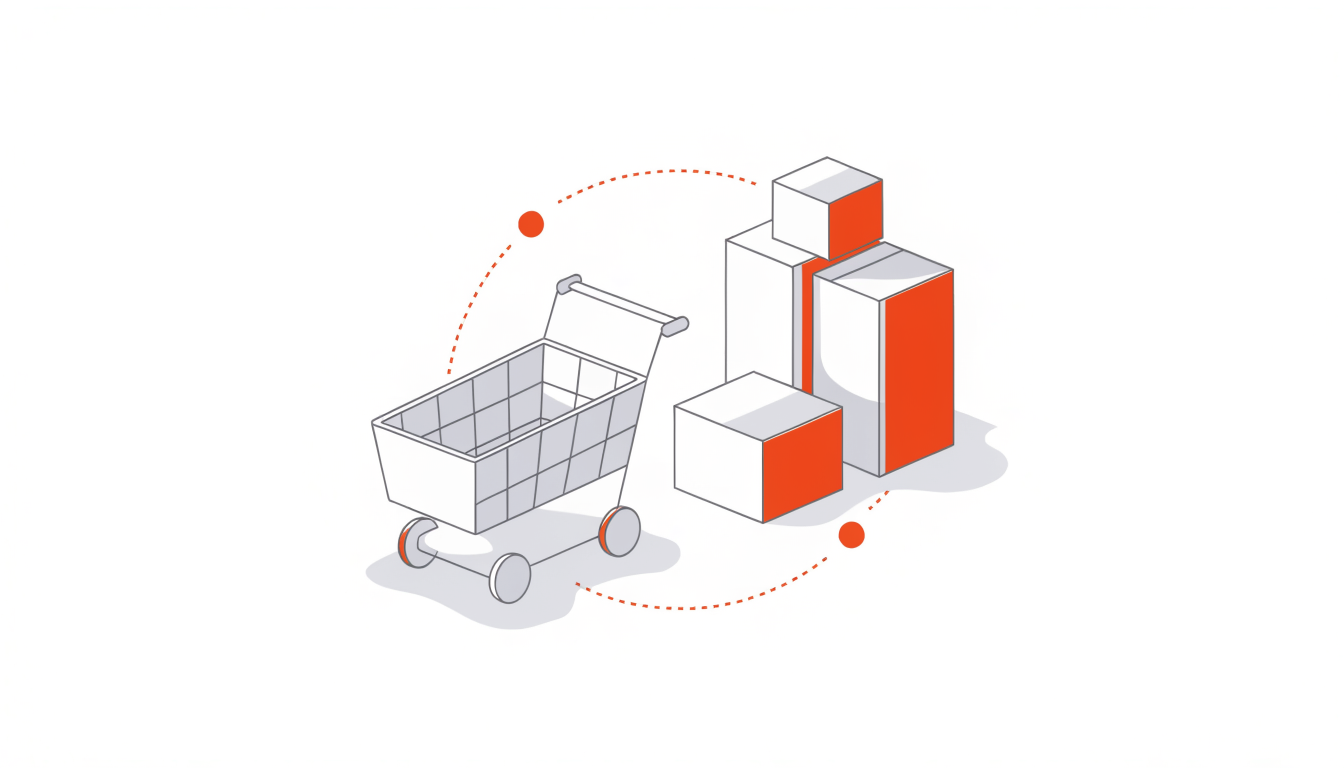
Four drains on a print margin: a payout cycle that lags production, misprint disputes, a rate markup charged twice on cross-border orders, and a marketplace's stacked cut.
You fund production before the payout lands
The customer orders, the supplier charges to start printing, and the card payout reaches your bank days later. You carry that gap out of pocket on every order. Worse, a risk model reads the delay between charge and delivery as exposure, so a print-on-demand store often sits behind an ongoing hold on top of the slow cycle.
A small misprint rate becomes a dispute line
Suppliers quote a low misprint rate, and most buyers accept a reprint. A few file a chargeback instead. On cards that costs you the sale, a fixed dispute fee, and a hit to your dispute ratio — decided before anyone has seen the photo. The piece is printed to one buyer's order, so the returned item resells to nobody.
Cross-border orders pay the rate markup twice
Your buyer pays in one currency; your print supplier bills in another. A card processor pushes its own exchange rate onto both legs and pads each with a markup — one bite when the customer pays, another when you settle with the supplier abroad. Two conversions land on a single order whose margin is already counted in single-digit dollars per item.
A marketplace stacks fee on fee
Sell through a print marketplace and a transaction fee, payment processing, and listing costs add up before any ad spend. Let it attribute the sale to its own ads and more comes off the top. On a tee clearing a few dollars, that combined take is the line between a product worth making and one that loses money.
What settles differently
What changes when a print order settles in stablecoins?
Same store, same supplier — paid in USDT or USDC, and the four leaks above close one by one.

Working capital arrives with the order
The buyer pays at checkout and the chain confirms in minutes. The cash sits in your balance before you place the supplier order, so you fund the print run from the sale itself, not from your own pocket. The payout cycle that caps how fast a print-on-demand store can scale is gone.

A misprint is your call, not the card network's
When a print comes out wrong, you decide: reprint at supplier cost, send the buyer USDT or USDC back from the dashboard, or both. No automated chargeback flips the outcome before you've seen the evidence, and a paid order can't be reversed out from under you.

One currency in, one currency out
The buyer pays a dollar stablecoin; you receive the same dollar stablecoin. The rate markup on the customer's payment disappears, and a price quoted once holds for buyers everywhere. The margin you costed stays the margin you keep, instead of bleeding to conversion.

Repeat buyers stop feeding the platform's cut
Move repeat buyers to your own store on a stablecoin rail and the platform's stacked take stops coming off every sale. Your wholesale print cost is identical either way — what you reclaim is the slice that fed the marketplace, against one flat fee on settlement.
Wiring it into a print stack
Which integration fits a print-on-demand store?
Three ways to add stablecoin payments — a plugin, an on-domain checkout, or a hosted page per design.
WooCommerce plugin — no code
Install the official plugin, click Connect Paymos, and approve the current project. Stablecoins appear in the standard WooCommerce checkout alongside Printful or Printify; Paymos securely provisions both environments and the exact store webhook.
See details
Embedded Checkout — headless storefronts
Drop the embedded checkout into the mockup page on a headless storefront. The buyer customises the design, pays from their wallet, and never leaves your domain. The HMAC-SHA256 signed webhook fires the moment payment confirms, so your backend queues production while the buyer is still on the page.
See details
Hosted Checkout — moving off a marketplace
Leaving a marketplace before you've built a storefront? Create a Paymos-hosted page per design over REST and branded as your shop, then share the link on social or to your existing buyer list. No checkout UI to build first.
See detailsPrint-on-demand flows on stablecoins today
Which print-on-demand products run cleanly on a wallet?
Four flows from real print setups — apparel, home goods, bulk corporate gifts, and collection merch.
Custom apparel (t-shirts, hoodies, hats)
The buyer picks the design and size and pays from their wallet, and the print supplier's order API gets it the same minute. The production clock starts while your cash is already settled, so you're never funding the print run out of pocket while you wait for a payout.
Custom mugs, posters, and home goods
Lower-margin, higher-volume products where every point of margin matters. With payment final on confirmation and the money on your balance at checkout, the thin per-item economics hold up instead of leaking to fees and holds.
Bulk corporate gifts
An HR team orders a few hundred branded items for new-hire kits as a single invoice. The supplier batches and ships to the corporate address, and because the payment clears immediately you can fund the supplier deposit the same day rather than waiting on a hold.
Collection and community merch
Crypto-native buyers ordering physical prints or merch tied to a collection or community. The audience already holds stablecoins, so a wallet checkout fits how they pay and a sold piece is final the moment it clears.
Print-on-demand on stablecoins
Frequently asked questions
How do I pay my print supplier — do they take stablecoins?
What if the print quality is wrong?
Can I run a marketplace shop and my own Paymos store together?
What about returns on buyer's-remorse cases?
How does the shipping address reach my supplier?
Which stablecoins and networks do print-on-demand buyers use?
Honest disqualifier
When NOT to use Paymos for print-on-demand
Paymos handles the customer-payment leg, not discovery or supplier billing.
Your checkout lives inside a marketplace
When nearly every order comes through a marketplace’s search and its checkout, you can’t put another rail in front of those buyers — the platform owns the payment step. Paymos only applies to a store you control; build the direct channel first, then give it a rail.
Your print partner auto-bills a card per order
Most POD suppliers charge a stored card the moment an order drops. Paymos can’t be that card: it stores no credentials and pushes no scheduled charges, and your revenue arrives as stablecoins, not bank dollars. Unless your supplier takes USDT, you’ll fund that card from elsewhere.
You sell meme-priced impulse products to card buyers
A novelty tee bought on impulse from a TikTok ad is a card purchase; that audience largely doesn’t hold stablecoins and won’t open a wallet for a small one-off. Offer Paymos where it converts — international buyers, crypto-niche designs, higher-priced bundles.
Platform purchase protection keeps your buyers comfortable
Marketplace guarantees refund the buyer if the print arrives wrong, and sometimes reimburse you too. Paymos offers neither: payment is final, and making the customer whole is your policy and your margin. If that backstop is core to how you sell, keep it running next to the direct store.
Related flows
Other Commerce & Retail sub-niches on Paymos
Pricing
1.0% per settled order. Supplier billing is separate
Same 1.0% on the customer-payment leg whatever supplier you use — the supplier's invoice stays wholesale on their side and carries no fee here. How many orders run and what one is worth are what bring the rate to 0.3%. Ask from your first print run. Roughly 3% all-in on cards, or a marketplace's much larger combined take, is a wide gap on thin print margins.
See pricing