Sell a five-figure piece of jewelry nobody can claw back
Sell bridal, watches, and bullion-priced work at a checkout that takes USDT, USDC, or gold-backed XAUT. The payment credits your Paymos balance on confirmation, so one big sale can never reverse as a chargeback months after it shipped — and you can quote the gold itself, not a dollar guess at it.
Where card rails turn against a jeweler
What does a high-value sale cost a jeweler on a card rail?
Four ways the card rail works against jewelry once the ticket crosses four figures.
One stolen-card dispute wipes out dozens of sales
A piece bought on a stolen card, shipped signature-required, can still lose the dispute weeks later — the forged signature loses, not wins. The item vanishes into resale, the money reverses, and a per-dispute fee lands on top. At a jeweler's margin, one of these erases the profit from dozens of clean orders.
Jewelry is flagged high-risk before the first sale
Card underwriters file jewelry as high-risk. The result is a reserve held back for months, manual review on the orders that matter, and an extra verification step on every payment. That step alone abandons a real slice of mobile checkouts — and your buyer is often choosing a ring on a phone.
A made-to-order ring outlasts the authorization
Design to setting runs four to six weeks; a card authorization expires in days. By ship time you re-authorize, and any card change — replacement, expiry, fraud lock — declines at the worst moment. So jewelers retreat to a wired deposit, which kills the conversion the website earned.
Gold-priced work carries a spread the card can't cover
Price a piece from the gold spot and you eat the spread twice — once at order, once again across the multi-day card payout while the metal moves. There is no way to close it on the card side: the processor settles dollars, you buy gold in dollars at a different rate, and the gap is margin lost on every order.
What the stablecoin rail changes
What changes when a high-ticket piece settles in stablecoins?
Four things that go right the moment a jewelry sale leaves the card rail.

A confirmed payment can't be reversed
A stablecoin payment is final once the network confirms it — small tickets in seconds, a five-figure one held for a few minutes of finality. There is no months-long dispute window, so a buyer can't pull the money back after the piece ships. The worst single line on a jeweler's risk ledger goes to zero.

Invoice in the gold itself with XAUT
Paymos takes gold-backed XAUT alongside the dollar stablecoins, and one token is one troy ounce of gold. Quote by weight, get paid by weight: the metal you sold and the metal you settle are the same, so the spread between order and settlement disappears. The fee is the flat 1.0%, same as on a dollar stablecoin.

Deposit and balance are two independent invoices
For a made-to-order ring, raise a deposit invoice on day one and a balance invoice when it's set. Each is its own payment that settles on its own — no authorization to keep alive for six weeks, no re-auth at ship time, no card-change decline. The buyer can even pay the balance from a different wallet.

No high-risk surcharge, no underwriting queue
The rate is the flat 1.0% whether you sell costume earrings or a six-figure watch — no high-risk band, no risk premium, no reserve held back. You start from a magic-link sign-in and a whitelisted withdrawal address, not a weeks-long review of your inventory and your return policy.
Three ways to wire it in
Which integration fits a jewelry business?
A no-code plugin for the storefront, a hosted link for concierge orders, or a server-side API for everything custom.
WooCommerce plugin — no code
Most independent jewelers run WooCommerce, and the plugin drops USDT, USDC, and gold-backed XAUT into the checkout beside the card option. Install takes a few minutes and no developer — the new options show up in the checkout you already have, no rebuild.
See details
Hosted link — bespoke and concierge orders
For a commissioned ring or a watch reservation, send a hosted checkout link from your own email. The buyer pays from any wallet, no card number ever crosses the message, and there's no authorization clock to beat. You set the expiry window — anywhere from minutes to weeks out.
See details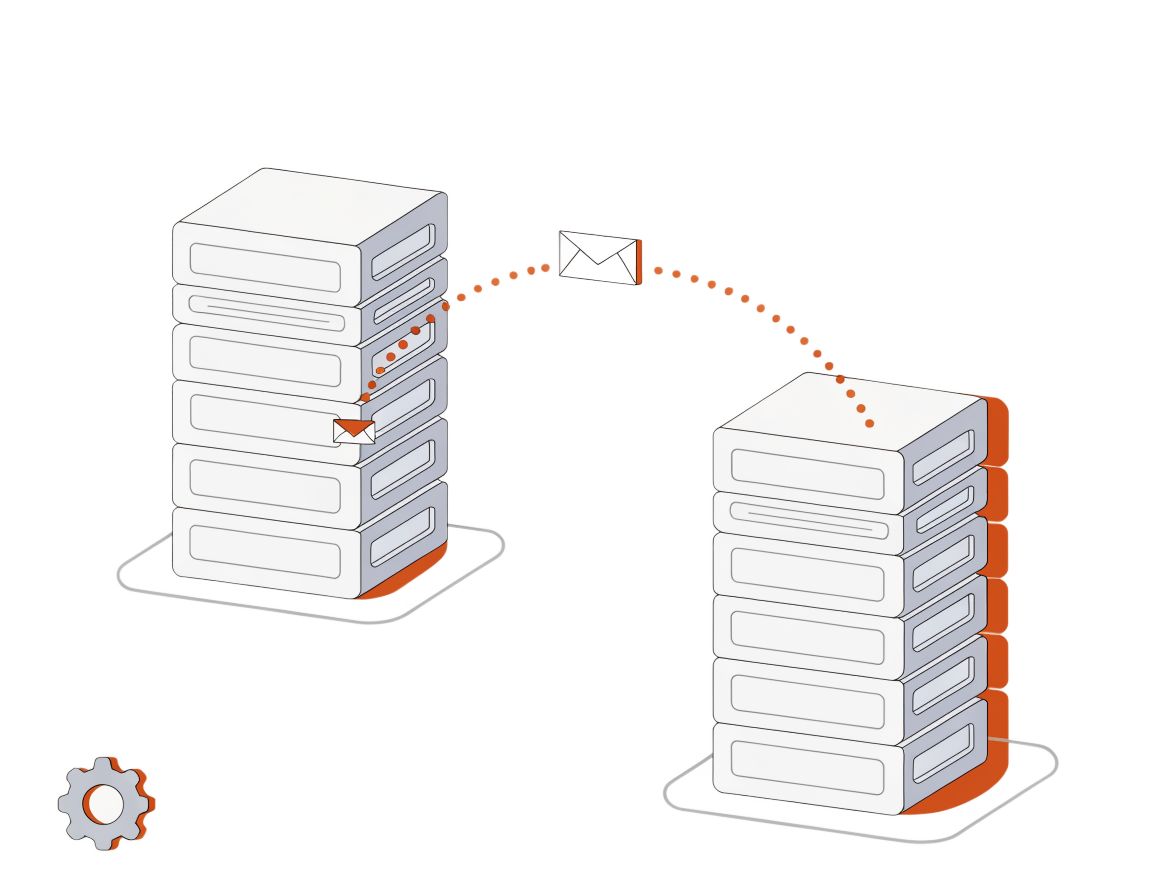
Server-side API — custom storefront and counter
For a bespoke storefront or a sale rung up at the counter, the REST API creates invoices, tracks confirmations, and fires settlement over HMAC-SHA256-signed webhooks. One endpoint covers the website, the showroom tablet, and a rep closing a sale over the phone.
See detailsJewelry sales on a wallet today
Which jewelry sales run cleanly on a wallet?
Four flows from real jewelry setups — ring deposits, watch allocations, bullion-priced work, and estate pieces.
Engagement ring deposit and balance
A commissioned ring: deposit upfront, balance on delivery. The deposit settles when it confirms; six weeks later the balance settles as a separate payment. Nothing has to stay authorized in between, the buyer keeps no funds locked on a card for a month, and a card reissue can't break the second leg.
Watch reservations and allocation deposits
A dealer takes an allocation deposit against a watch that lands much later. The deposit settles and stays settled however long the waitlist runs — no authorization to renew across the wait, no card expiring mid-allocation. If the buyer steps off the list, the dealer refunds it by hand as an outbound transfer.
Bullion-priced chains, bars, and signature pieces
A solid-gold pendant priced by weight, invoiced in gold-backed XAUT plus a workmanship margin. The buyer pays in XAUT, so the order and the settlement reference the same metal and the spread never opens. For a mixed piece, one invoice can pair XAUT for the gold with a dollar stablecoin for the labour and the stones.
Estate and one-of-a-kind vintage
An estate dealer selling an irreplaceable vintage piece can't absorb a chargeback — the item is unique and the online buyer is a stranger. A final payment closes that exposure before the piece ships, and a buyer accepts a no-return term because finality protects them too.
Jewelry on stablecoins
Frequently asked questions
Will a high-end diamond buyer even pay in stablecoins?
How do I handle a return on a ring paid in a stablecoin?
Does the rail change anything about insurance and signed shipping?
Can I price a piece in gold (XAUT) but accept a dollar stablecoin?
Which networks and stablecoins do jewelry buyers reach for?
How is this different from a generic “we accept crypto” button?
Honest disqualifier
When NOT to use Paymos for jewelry
Paymos closes the payment, not the financing or the retail stack around it. Skip it where these apply.
You sell costume pieces at impulse prices
On low-priced fashion jewelry the card's one-tap flow moves more volume, fraud barely bites, and a wallet step costs more conversion than the fee ever saves. Finality starts earning its keep where a single reversed sale stings hard — bridal, watches, and investment-adjacent work.
Layaway and financing close your sales
Multi-month ring financing needs someone underwriting credit and pulling installments on a schedule. A stablecoin rail collects payments but lends nothing, and a wallet can't be charged on a timer — every payment is sent by the buyer. Take deposits and paid-in-full orders here, and leave the financed leg with your lender.
Your buyer wants recourse on a five-figure piece
Some first-time buyers will only wire five figures to a new jeweler because a card network can referee a dispute. A stablecoin payment is final — the reassurance has to come from your certificates, your insured shipping, and your name. If your clientele isn't there yet, let cards carry the nervous ones.
A brand contract owns your point of sale
Brand-authorized boutiques often sign POS and processing terms the maison dictates. Whether your contract leaves room for a stablecoin rail is a call only you can make — Paymos doesn't police it. Put the rail where the brand doesn't reach — estate pieces, custom work, repairs, and your own line.
Related flows
Other Commerce & Retail sub-niches on Paymos
Pricing
1.0% per settled order. No high-risk surcharge, no reserve
The same 1.0% on a $200 ring and a $40,000 watch, in dollar stablecoins or gold-backed XAUT — no setup, no minimum, no separate swap or transfer charge, and nothing billed on an order that didn't pay. Ask about 0.3% as soon as you are live — turnover and how many pieces sell are what we weigh. Cards run near 3% all-in once stolen-card losses and held reserves are counted, and the dearer the piece the more that gap is worth in real money.
See pricing