Cash the big wholesale order the day you raise it
Invoice in USDT or USDC on one crypto payment rail, and a six-figure order lands as cleanly as a small one — no card ceiling, no three-day wire, no net-30. The buyer pays, and the stablecoins are on your balance once the chain confirms.
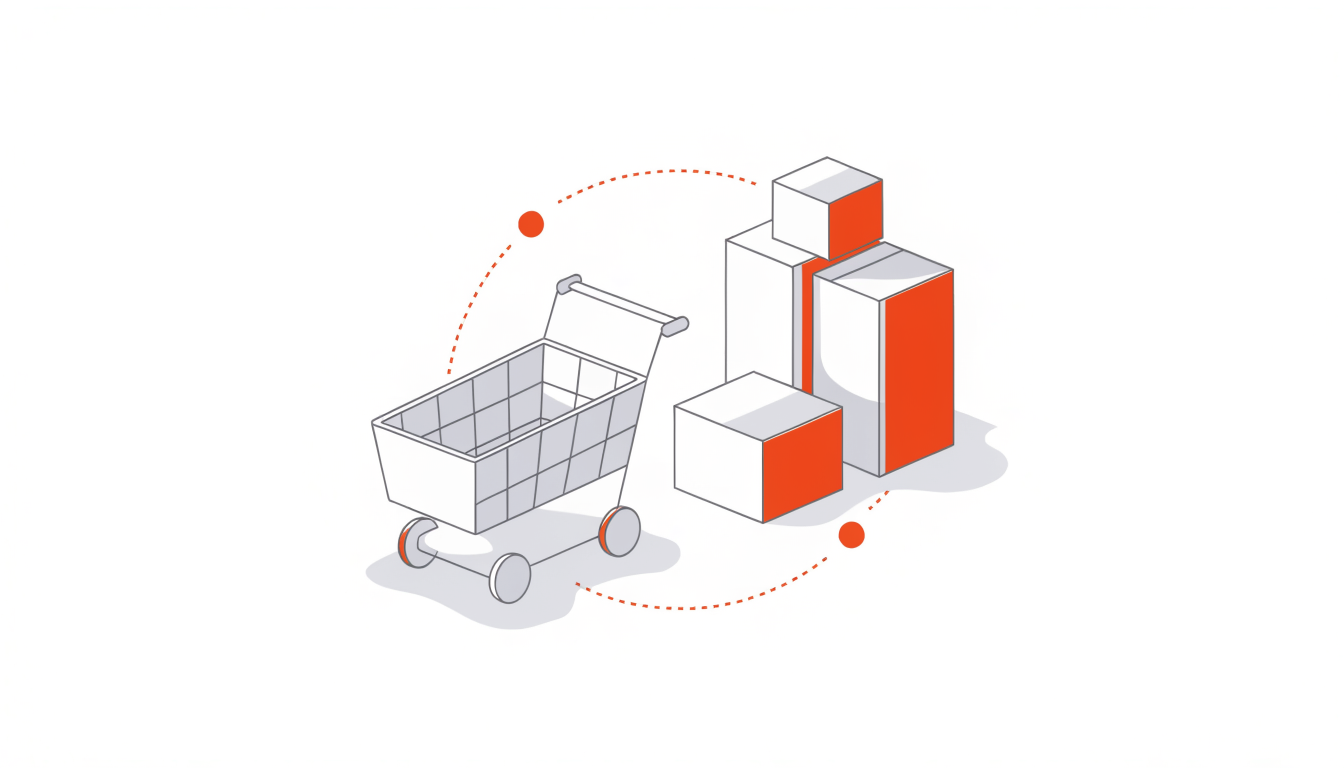
Where wholesale cash gets stuck on bank and card rails
Why do large wholesale invoices stall on cards and wires?
Four ways the old rails tax a big order — card ceilings, bridge fees, receivables you can't spend, and slow cross-border wires.
Cards hard-decline on a big ticket
Consumer cards cap a single charge well below a serious wholesale order, and even a corporate purchasing card hits a ceiling. The buyer drops back to a bank wire that takes one to three business days to land — and your cash sits in transit the whole time.
Card-to-bank bridges skim a few percent
When the buyer pays by card but you need bank funds, a bridge service stitches the two for a few percent of the invoice. On a six-figure order that is real money vanishing into the middle — a fee neither side wanted to carry.
Net terms freeze a fortune in receivables
Ship today, get paid in a month or two — that is standard B2B. A wholesaler at real monthly volume always carries a large open balance of trade receivables, and pulling those invoices forward through factoring costs a slice of every one.
Cross-border wires lose days and margin to the rate markup
A wire from an overseas buyer carries correspondent-bank fees, takes several business days, and gives up a couple of percent to the exchange-rate markup. That friction lands on exactly the international buyers you most want as repeat accounts.
What clears the day you raise the invoice
What changes when a wholesale invoice settles in stablecoins?
Four things that go right the moment a big invoice stops waiting on cards and wires.

No transaction ceiling — any size clears the same way
A six-figure invoice settles exactly like a small one: one payment, no upper limit, no decline. The confirmation policy scales with the amount, so a bigger ticket waits for stronger finality — but no card cap ever stands between you and the sale.

Funds on your balance in minutes, not net-30
The buyer pays the moment the invoice lands, and it clears in seconds to minutes depending on the chain and the amount. You skip the net-30 wait, and the working capital that used to sit frozen in receivables is yours to run the business.

No bridge fee, no wire fee, no rate markup
A buyer abroad pays you directly in a stablecoin, with a small sender-side network fee — no correspondent banks, no multi-day clearing, no currency markup. The cost and delay of stitching cards to banks across borders disappear.

A paid invoice is final
Once the payment confirms, it is yours and can't be reversed. No chargeback hangs over a large order after the pallet has shipped, so a closed wholesale deal stays closed and your receivables stop carrying reversal risk.
How wholesalers wire Paymos in
Which integration fits a B2B wholesale flow?
Three ways to add stablecoin invoicing — a link, a server-side API, or a WHMCS plugin.
Payment Links — send a fixed B2B invoice
Raise an invoice in the dashboard in under a minute, copy the link, and drop it into your purchase-order PDF or email. No code — the right fit for ad-hoc orders and your first deals, before you wire anything into the back office.
See details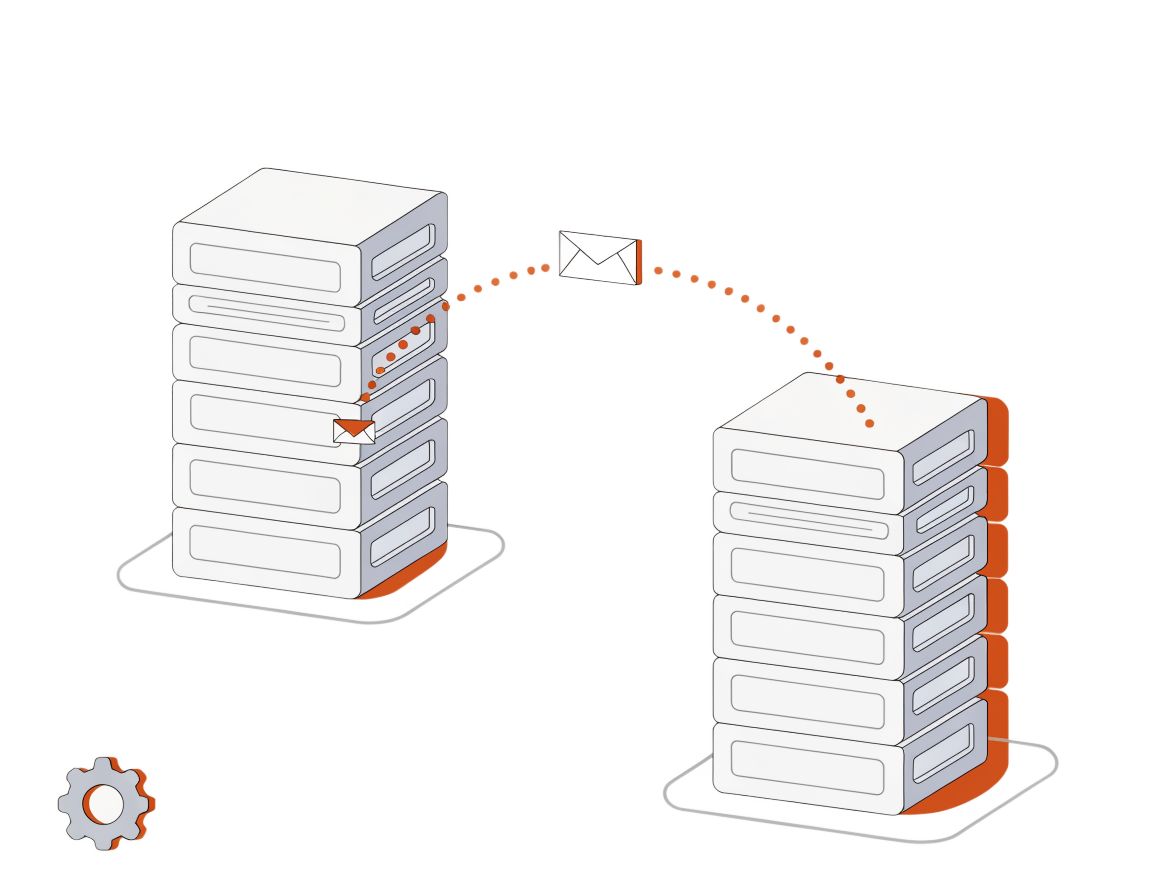
Server-side REST API — into your accounting stack
Pure REST, authenticated with HMAC-SHA256. Hook your accounting or ERP billing flow to open a Paymos invoice automatically and catch a signed webhook on settlement, so an invoice raised in your system becomes a payable link with no manual step in between.
See details
WHMCS plugin — for billing-platform resellers
Wholesalers in hosting, software resale, and IT distribution often invoice through WHMCS. The drop-in plugin adds stablecoin payment to the billing platform you already run, so a buyer's regular order is issued and paid in one place — each invoice the buyer pays from their own wallet, never an auto-charge.
See detailsWholesale flows on stablecoins today
Which wholesale operations run cleanly on a wallet?
Four flows from real wholesale setups — term invoicing, quote-to-pay, tiered pricing, and reorders.
Invoicing with a payment window
Open an invoice with a set expiry and the buyer pays inside the window. If it lapses unpaid, the invoice voids on its own — nothing to chase, no chargeback to defend. You reissue or follow up through sales, with the terms entirely in your hands.
Quote to order via a link
A rep builds the quote in your CRM, copies the payment link, and emails it across. The buyer clicks, pays, and the deal closes — no round-trip over wire instructions, no days lost waiting for the transfer to land.
Tiered pricing per buyer
Your ERP holds each account's pricing tier. When a buyer orders, your backend opens the invoice at their negotiated price. Paymos enforces no tier logic — your system sets the amount, and Paymos collects exactly that.
Standing reorders, buyer-confirmed
For a buyer's recurring monthly order, your backend raises a fresh invoice on schedule and sends the link; the buyer pays each one themselves. There is no card-on-file to expire, get replaced, or trip a fraud flag between orders — and no wallet is ever pulled without the buyer acting.
Wholesale on stablecoins
Frequently asked questions
How do net-30 terms work if the payment is final?
How does this fit my accounting or ERP system?
What confirmation policy applies to a very large invoice?
Which networks and stablecoins suit large B2B payments?
Can the buyer pay from a corporate wallet, and is there a record?
Does Paymos move the funds into my bank account?
Honest disqualifier
When NOT to use Paymos for wholesale
Paymos handles the invoice payment leg, not your whole finance operation.
Your buyers’ AP can only send wires
If a buyer’s accounts-payable process is built around bank transfers with three approvals, a stablecoin invoice won’t fit their controls. Paymos earns its place where part of your book already holds USDT, common in import-export, and wires cover the rest.
You need bank dollars against every invoice, same day
Settlement is stablecoin to your Paymos balance — Paymos runs no fiat conversion and no bank payout. If covenants or payroll demand cleared bank funds the day an invoice settles, cashing out to a bank is a process you run yourself; factor its cost and timing into the comparison before you switch.
A financier sits inside every order
Where invoices are factored or financed, the lender advances the cash and collects the receivable. A stablecoin rail can’t replace that credit function — it only collects the payment. Keep the factoring line for those orders, and invoice in stablecoins the buyers who pay from their own treasury.
Procurement terms name the rail
Enterprise procurement often locks a supplier to a named payment method in the master agreement. Whether a stablecoin qualifies is between you and the buyer’s procurement team — not a question Paymos answers. Check the contract before you quote in USDT; where the terms are open, the stablecoin invoice usually clears first.
Related flows
Other Commerce & Retail sub-niches on Paymos
Pricing
1.0% per settled invoice. No bridge fee, no wire fee
The same 1.0% whether the invoice is small or six figures — no ceiling, no per-transaction surcharge, and no Paymos cut when you withdraw to your wallet (you cover only a subsidised network fee). 0.3% is open to ask for in week one — turnover and how many invoices you raise are what it turns on. A card-to-bank bridge at a few percent, or a cross-border wire’s fee plus exchange-rate markup, widens on every big order.
See pricing