Run parts, shop terms, and freight on one rail
Take automotive parts orders, net-30 shop invoices, and freight payouts in USDT and USDC — a paid order stays paid, no processor freezes your store over “risky” auto parts, and one rail replaces three.
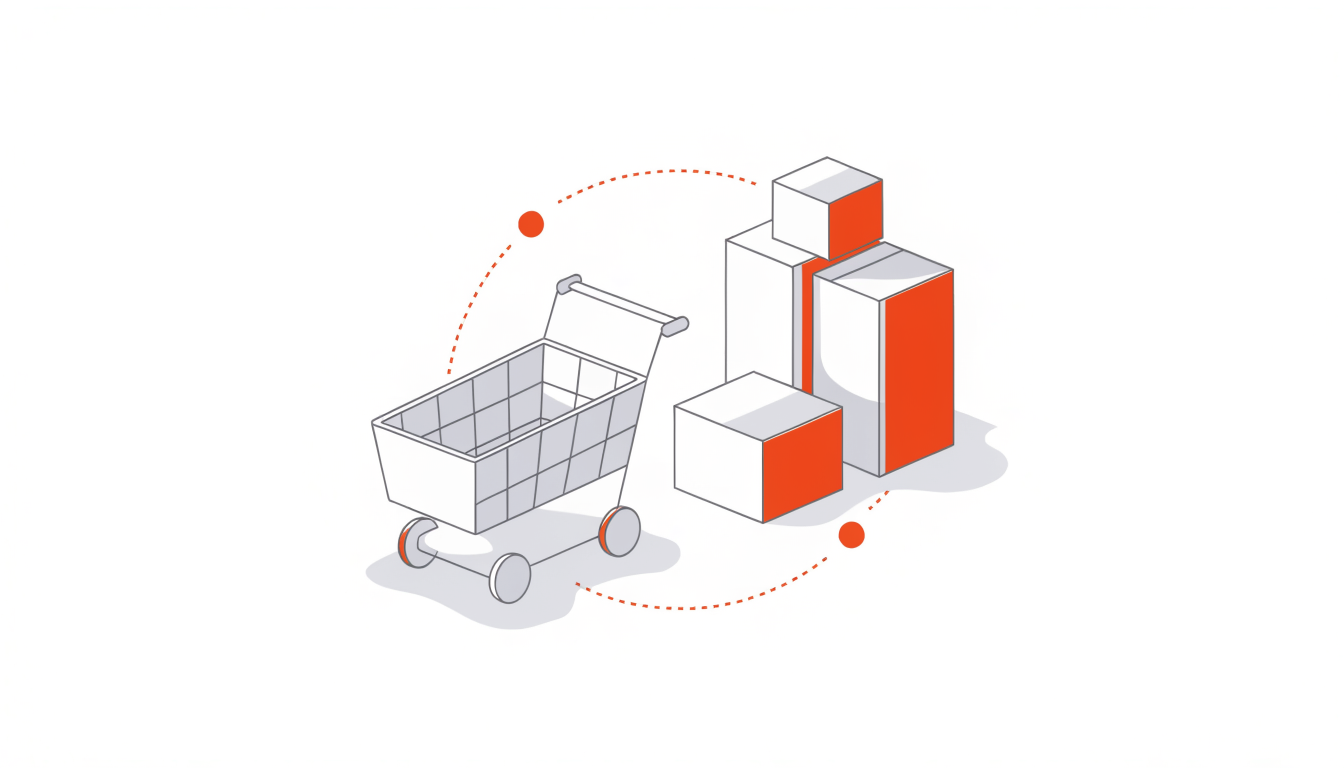
Where parts revenue leaks across retail, B2B, and freight
Why do card and bank rails fit a parts business so badly?
Four ways the usual rails punish parts — fitment-return disputes, a separate B2B billing stack, freight payouts, and cross-border risk.
“Didn't fit” returns push your dispute rate up
Online parts run high return rates, and a good share are “wrong part for my vehicle” even when the lookup was right. On cards, the friendly-fraud version of that becomes a dispute counted against your ratio — and crossing the line triggers monitoring and higher pricing. A return also strips the processing you already paid, so you absorb it both ways.
Net-30 shop accounts force a second billing stack
Independent garages buy on net-30 terms, but a card processor doesn't handle invoice payments at scale, so you run a separate bill-pay tool on the side — with its own per-payment fee and a clearing wait. Across dozens of shop accounts billed twice a month, that's a real yearly bill stacked on the fees you already pay on counter sales.
Freight payouts don't fit a card rail at all
Shipping a transmission or a rebuilt long-block means freight per shipment, and the buyer wants freight-collect. The processor can't quote it, so you invoice freight separately and pay the carrier through yet another service. The customer sees two charges, the carrier waits weeks, and you carry the freight on your own credit in the meantime.
Cross-border parts are a dispute magnet
Specialty parts ship internationally at high ticket sizes, and foreign cards carry materially higher dispute rates than domestic ones. Customs delays trigger “item not received” claims you can't win because tracking shows the package held at the port — and cross-border processing costs more on top.
What one rail does for parts, terms, and freight
What changes when parts, invoices, and freight run on one rail?
Four things that go right when a parts business settles in stablecoins across every channel.
One rail for counter sales, shop terms, and freight
The brake pad, the net-30 shop invoice, and the carrier payout run through the same setup — one rate in, 0 Paymos commission on the payout, one ledger. The separate bill-pay tool, the freight-payment card, and the cross-border processor all collapse into a single rail you reconcile once.
No wrong-fit dispute lands months later
Once a stablecoin payment clears, it's final — no “wrong fit” dispute opens months later. A shop can still return a part under your policy, but the refund is your decision, sent as an outbound transfer, not a card network's arbitration. A cross-border buyer can't file a non-receipt claim against a payment that already settled.

Freight payouts leave on your say-so, no Paymos cut
Pay a carrier in a stablecoin and nothing stands between your approval and the send. Paymos takes 0 commission on the payout, so it costs you a network charge for the route and nothing else, never a processor markup. You are billed less for it than the send costs on-chain. The carrier is holding funds once the chain confirms them, not weeks after the load moves, and you stop fronting freight on your own credit line.

No industry surcharge, no per-account onboarding
One rate covers a specialty part shipped abroad and a fleet rebuild paid down the road — no surcharge for your industry, no card-of-origin premium, no per-shop account to provision. A new shop pays from whatever wallet it holds; there's nothing to onboard or vet on your side.
How parts dealers wire Paymos in
Which integration fits a parts business?
Three ways to wire stablecoin payments in — plugins, links for B2B and freight, or a server-side API.
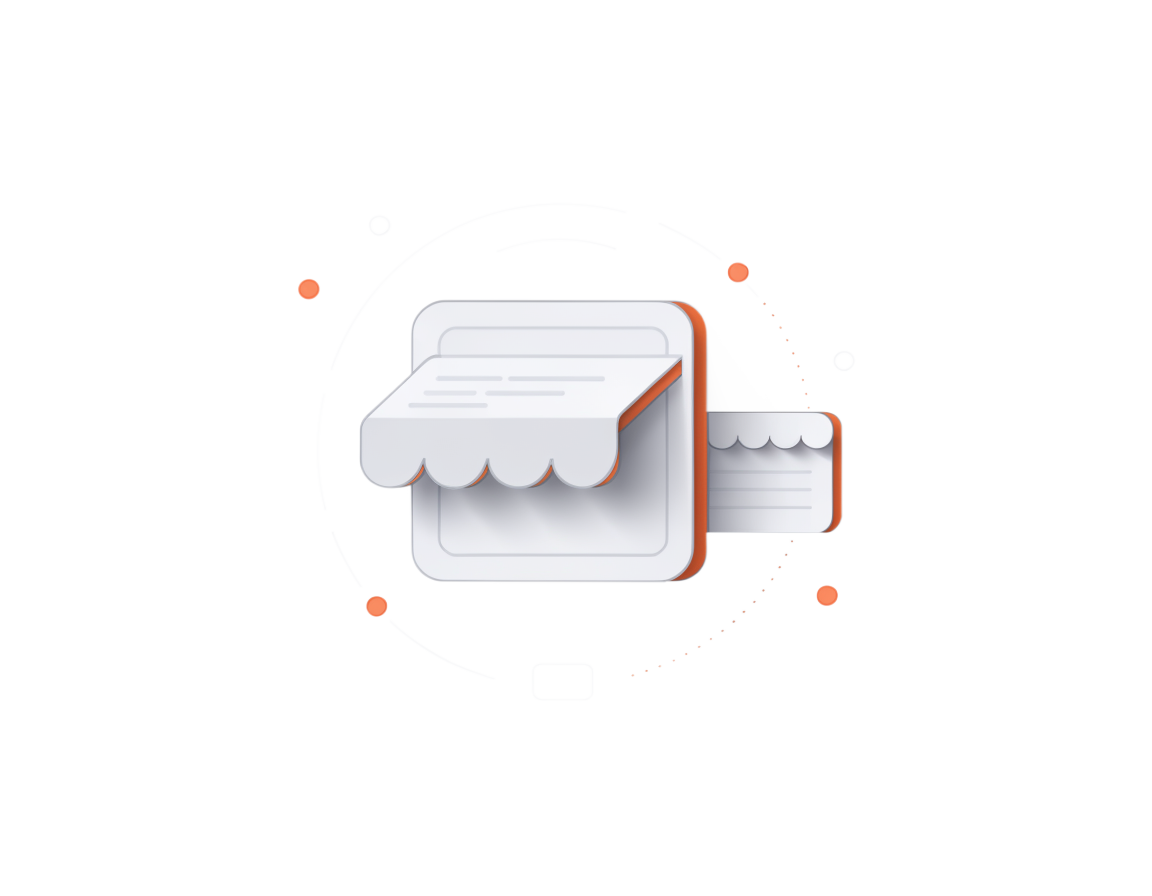
WooCommerce and OpenCart plugins — catalogue stays put
Most independent dealers run WooCommerce or OpenCart with a year-make-model fitment search. Paymos drops into either as a payment option, so your fitment catalogue, returns workflow, and tax setup don't change. Cards stay available; stablecoins are an added rail.
See details
Payment Links — shop invoices and freight payouts
For your shop accounts and freight relationships, generate a payment link per invoice from your accounting system. The shop or carrier pays from any wallet, you get a webhook on confirmation, and your books close the invoice automatically — with no per-vendor onboarding.
See details
Server-side API — ERP and cross-border catalogues
If you run a distribution ERP or a custom catalogue, the server-side API creates invoices, watches confirmations, and signals settlement over HMAC-SHA256 webhooks. The same endpoint can serve your marketplace store, your fitment-search site, and your B2B portal.
See detailsParts flows on stablecoins today
Which parts channels run cleanly on a wallet?
Four flows from real parts setups — DIY catalogue, shop net-30, freight payouts, and cross-border specialty.
DIY online catalogue — pads, filters, sensors
A brake-pad set with fitment confirmed at checkout settles on confirmation in minutes. The customer can still file a “wrong fit” return under your stated policy, but they can't reverse the payment weeks later through a card network, so a closed sale stays closed.
Shop accounts on net-30
Issue a net-30 invoice to an independent garage and the shop pays from its wallet on the due date — the same way it pays its other vendors, with no separate bill-pay signup. The payment is final on arrival, and your books close the invoice on the webhook.
Freight payouts to carriers and owner-operators
A payout on a heavy delivery goes out the moment you approve it — no batch run, no Friday cut-off — and the carrier holds stablecoin as soon as the network confirms it, instead of waiting weeks on terms. You swap the freight-payment card's markup for a subsidised network fee alone and stop carrying freight on your own credit line.
Cross-border specialty parts
A specialty kit shipped abroad settles in a stablecoin in minutes. The buyer pays in the asset they hold, customs delays don't turn into card disputes, and the kit ships once the payment clears — no foreign-card dispute risk hanging over a high-ticket box.
Auto parts on stablecoins
Frequently asked questions
Does Paymos work with my year-make-model fitment catalogue?
What happens on a “wrong fit” return paid in a stablecoin?
Will my walk-in counter customers pay in stablecoins?
How do I price a freight invoice when crypto moves around?
Which networks and stablecoins make sense for a parts business?
How does this compare to running a card processor and a bill-pay tool together?
Honest disqualifier
When NOT to use Paymos for auto parts
Paymos handles payments and payouts, not your whole operation.
Your DIY buyers are card-only
A weekend mechanic ordering brake pads pays with the card in their hand; if your buyer base has never held a stablecoin, a wallet checkout won’t convert there. Keep cards in front for that crowd — Paymos earns its place on international orders and the enthusiasts who already hold USDT.
Your shop accounts buy on credit
If garages take parts on net-30 terms financed by a lender or your own credit line, a stablecoin rail collects invoices but doesn’t underwrite anyone. Keep the financing partner on the credit leg and invoice in stablecoins the accounts that pay on receipt.
Your distributors only take bank dollars
Settlement lands as stablecoins to your Paymos balance — Paymos has no built-in way to cash out to a bank account. If every dollar of revenue must become a distributor wire the same day, the conversion step is yours to run; price that workflow before moving volume.
An OEM contract dictates your payment setup
An OEM agreement can name the processor and the payment terms outright. If it leaves room for a stablecoin rail, that’s a decision for you and the brand — not something Paymos settles. Put the rail where the contract doesn’t reach: aftermarket, performance, used parts, and export orders.
Related flows
Other Commerce & Retail sub-niches on Paymos
Pricing
1.0% across retail, B2B, and freight. No per-account fee
Same 1.0% on the counter part and the net-30 shop invoice — no industry surcharge, no per-account fee. On a freight payout Paymos takes 0 commission and you pay only the route's network fee, itself subsidised. 0.3% is the lower rate, granted on order volume and the networks payments arrive on — ask from the first shipment. A card processor on retail, a separate bill-pay tool on B2B and a freight-payment markup on top is three fee schedules where this is one.
See pricing