Settle the electronics sale before a chargeback can land
Sell phones, GPUs, and gadgets in USDT and USDC — the cash is yours the moment the order clears, the stolen-card scam that haunts electronics can’t be reversed, and no processor freezes your store.
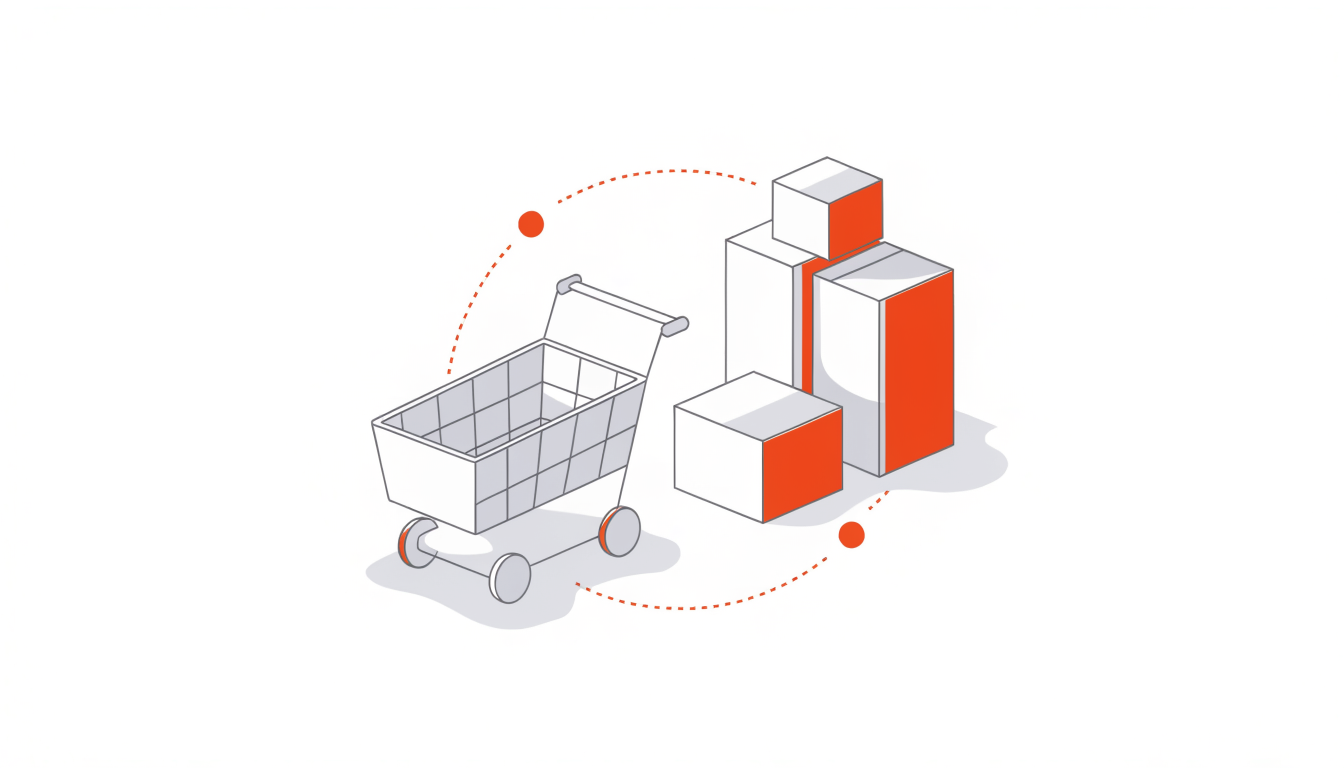
Why electronics is a fraud magnet on card rails
Why does selling high-ticket electronics get punished on cards?
Four ways card rails put electronics revenue at risk — stolen-card fraud, reserves, “never arrived” disputes, and checkout friction.
Stolen-card fraud targets exactly what you sell
Phones, laptops, and graphics cards are prime targets for stolen cards because they resell instantly. A fraudster buys a card, you ship before the dispute lands, and you lose the unit, the money, and a fixed fee. Electronics is one of the most fraud-targeted categories online, precisely because the goods move so fast.
A reserve locks up cash on every new account
New electronics merchants often get classed high-risk and have a slice of every sale held back for the first months. On real monthly volume that's a meaningful sum locked away exactly when you'd be buying inventory. The hold loosens once you build a track record, but new entrants carry the cost.
“Item not received” disputes hit hardest on big tickets
Tracking shows delivered, the buyer claims it never arrived, and without signed delivery proof the card processor often sides with the buyer. On a small order you absorb it; on an expensive one you lose serious money. There's no equivalent escape hatch once a payment is final.
Extra checkout verification bleeds conversion
In the EU, card payments over a small threshold trigger an extra bank verification step. Buyers fumble the one-time code, mistype a number, lose patience, and abandon. That step alone abandons a meaningful share of mobile checkouts — friction stacked right before the sale completes.
What breaks in the stolen-card playbook
What changes when an electronics order settles in stablecoins?
Four things that go right the moment high-ticket electronics stop running through card rails.

The stolen-card playbook breaks
You can't lift a stablecoin wallet the way you lift a card number. Phishing exists, but it targets the buyer's own wallet, not your store's rail. The fraud rate that makes electronics so painful on cards drops toward zero once a payment confirms — and a confirmed payment can't be reversed.

No reserve, no underwriting wait
Paymos holds nothing back from new electronics merchants. Your first high-ticket sale credits your Paymos balance the moment it clears — not after months of probation — so the cash a card processor would have held is yours to put straight back into inventory.

No arbitrator weighing your evidence against you
You'll still want insured, signature delivery on expensive units. But a confirmed stablecoin payment is final — no card-network arbitrator decides your case. If a buyer claims non-receipt, it's a customer-service conversation you control, not an automatic reversal that empties the order out of your account.

One-tap wallet signature, no verification dance
The buyer signs from their wallet in one tap — no one-time code, no banking-app handoff, no extra verification step. The conversion you were losing to that friction comes back, and a price set in a dollar stablecoin holds the same for buyers abroad, with no currency conversion taken on the way.
How electronics stores wire Paymos in
Which integration fits an electronics catalogue?
Three ways to add a stablecoin rail — a plugin, a server-side API, or embedded checkout.
WooCommerce plugin — no code
Drop stablecoin payments into the WooCommerce checkout from the plugin. It sits alongside warranty add-ons, accessory bundles, and coupons you already run; the SKU and serial mapping lives in WooCommerce, and Paymos passes your order id straight back on the signed callback.
See details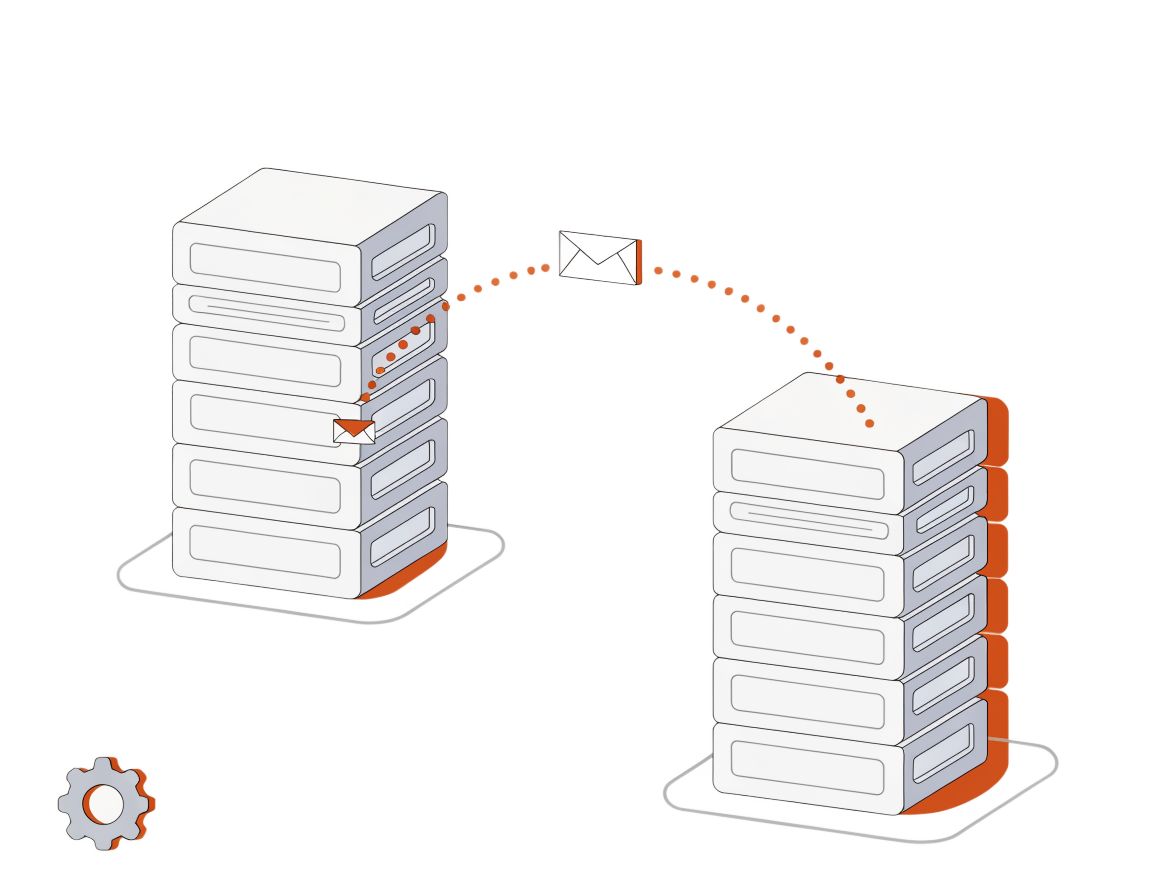
Server-side REST API — Magento and custom storefronts
For a Magento catalogue or a custom storefront, post the order amount plus your own order id; the HMAC-SHA256 signed webhook fires on confirmation, your order id comes back, and your ERP releases the unit for picking. Line items and serials stay in your stack — Paymos handles the money leg. Wire the ERP against Sandbox first — its own credentials, the same contract — so no call changes when you point it at Production.
See details
Embedded Checkout — one-off high-ticket drops
For a limited GPU drop or an audio-gear pre-order, embed the checkout in the product page. The buyer signs without leaving your domain, and the webhook clears the unit the moment the payment confirms.
See detailsElectronics flows on stablecoins today
Which electronics categories run cleanly on a wallet?
Four flows from real electronics setups — consumer devices, builder components, refurbished gear, and pro equipment.
Consumer electronics (phones, laptops, GPUs)
The bread and butter for fraud-targeted resellers: high-value devices with strong stolen-card interest. Settling in a stablecoin removes the stolen-card vector entirely, and conversion rises because the extra verification step at checkout is gone.
Components and parts (the builder market)
Memory, motherboards, power supplies, and cooling — lower margin per item but large carts. The PC-builder community skews crypto-comfortable, and a meaningful share already hold a stablecoin and check out faster than they would on a card.
Refurbished and used gear
Grade-A refurbished laptops, second-hand cameras, and resale gaming PCs. The grading and serial-number documentation lives in your system; Paymos handles the payment, which is final on confirmation so a resold unit can't come back as a dispute.
Pro audio, video, and broadcast equipment
High-value boards, cameras, and lenses sold to studios and freelancers, often abroad and often stung by currency markup on cards. Settling in a stablecoin removes the currency layer and takes the high-ticket fraud target off the table.
Electronics on stablecoins
Frequently asked questions
How does warranty registration work?
What about returns on an expensive GPU?
Can I match an installment-plan checkout?
How do I handle counterfeit-claim disputes?
What about EU consumer protection (14-day cooling-off)?
Which networks and stablecoins make sense for high-ticket electronics?
Honest disqualifier
When NOT to use Paymos for electronics
Paymos handles payment finality, not the surrounding retail stack.
Installments drive your big-ticket sales
An expensive laptop often sells because the buyer pays monthly. There is no stablecoin installment plan — a wallet can’t be charged on a schedule, and Paymos doesn’t extend credit. Keep BNPL and card installments for that segment; the pay-in-full buyer is where the stablecoin rail wins.
You ship on a processor’s risk score
For high-value boxes, card processors score each order before you commit to shipping. Paymos carries no fraud scoring and no buyer-identity layer — it removes the stolen-card vector by making payment final, but whether to ship a confirmed order to a freight-forwarder address is still your call to vet.
You move commodity accessories at low prices
On a cable or a phone case, conversion friction costs more than the fee saves: nobody opens a wallet for a small add-on, and the fraud risk a stablecoin removes barely exists there. Run the stablecoin option on cameras, GPUs, and phones — where finality pays.
A reseller agreement fixes your checkout
Authorized-reseller contracts can pin down the processor, the pricing rules, even how disputes get handled. If yours leaves room for a stablecoin rail, that’s a call you make with the brand, not one Paymos weighs in on. Use it on the lines outside the agreement — open-box, used, and house-brand stock.
Related flows
Other Commerce & Retail sub-niches on Paymos
Pricing
1.0% per settled order. No high-ticket surcharge
Same 1.0% on a small accessory and an expensive camera — no card-not-present bump on big tickets and no high-risk surcharge. Talk to us about 0.3% from your first order — the answer rests on order volume and average basket. Cards run roughly 3% all-in plus stolen-card losses and held reserves, and that gap is widest exactly where tickets are large.
See pricing