Take apparel orders where a return never costs you twice
Take USDT and USDC at a crypto checkout, and pay a fee only on orders that settle. With returns running high, you own the refund as a transfer you send, and a kept order can never reverse into a chargeback.
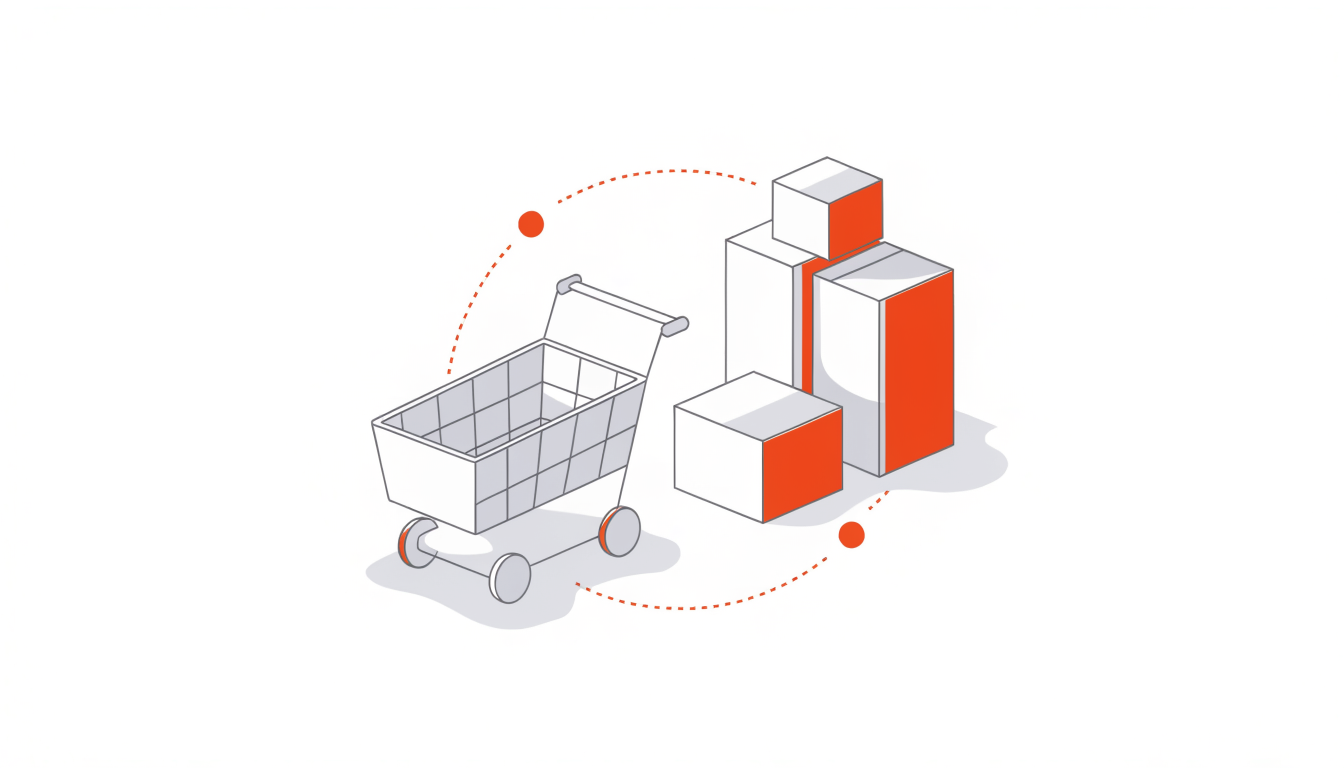
Where fashion margin leaks on card rails
Why does a high return rate quietly wreck apparel margin?
Four ways card rails tax a fashion brand twice — once on the sale, again on the return.
The processor keeps its cut even when you refund
Apparel returns run high — often a quarter to two-fifths of online orders, higher for occasion wear. Hand back a returned dress and the card processor returns the sale amount but typically keeps the percentage it charged to take it. Across a heavy return book that lost fee compounds on every order that did ship, before your returns app adds its own per-RMA charge.
Friendly fraud lands long after the parcel ships
“Item not as described” and “never arrived” disputes are routine in fashion, and a cardholder can open one months after delivery. The piece is gone, the money is pulled back, and a drifting dispute ratio pushes the acquirer to add surcharges — or a reserve — on the sales you haven't made yet.
A reserve freezes cash in the exact week you launch
Sales spike around a drop or a holiday, and acquirers answer by holding back a reserve on apparel merchants — keeping a slice of every sale for weeks against future returns and disputes. The cash you need for restock and ads is locked away precisely when you're selling the most.
A drop that sells out in a minute reads as fraud
Hundreds of orders inside a minute is exactly what a limited streetwear drop wants — and exactly what trips a card fraud model. Orders queue for manual review, launch momentum stalls, and buyers who were ready to pay get bounced. The card rail punishes the demand spike you worked to build.
What a return costs when the sale is final
What does fashion look like when the return isn't taxed twice?
Four things that go right the moment apparel payments leave the card rails.

A kept order is final — no chargeback, ever
A confirmed stablecoin payment has no dispute window. Once the buyer pays, the order is settled — no “not as described” reversal weeks later, no friendly fraud on a piece that already sold out. Refunds stay yours to run: you set the policy and send the money back when a return is approved.

You run the refund — and pay no second fee to take the sale back
Approve a return and you send the buyer a transfer on your own policy. The 1.0% is never charged twice, and nothing was withheld from the original sale — the round trip costs you the shipping and a subsidised network fee, not a second processing cut.

Paid orders credit your Paymos balance, with no reserve held back
The buyer pays, the order confirms in minutes, and the funds sit in your Paymos balance — no multi-day payout cycle and nothing parked in a reserve against future returns. Withdraw to your own wallet on demand, with the cash free for restock and ads while a launch is still live.

Drops confirm at their own pace, no fraud hold
A burst of orders confirms in parallel with no risk model second-guessing the spike — no manual-review queue eating launch momentum. A price set in a dollar stablecoin reads the same to a buyer in Berlin, Austin, or Tokyo, and the rate loss on cross-currency conversion stays off your books.
How fashion brands wire Paymos in
Which integration fits an apparel storefront?
Three ways to add stablecoin checkout — a plugin, an embedded form, or a server-side API.

WooCommerce plugin — no code
The plugin adds stablecoin acceptance to your WooCommerce checkout next to your existing methods. It respects product variations — your size and colour matrices — coupon and creator-code discounts, and the shipping-zone and tax rules you already run for UK, EU, and US orders. Open the current Paymos project, click Connect Paymos, and approve the store URL and project; Paymos securely provisions the credentials and webhook.
See details
Embedded checkout — limited drops
For a drop on a custom landing page or a Webflow site, drop the embedded checkout into the page with one script tag. The buyer pays from their wallet and a small ticket confirms in well under a minute. Nothing to fight in a platform checkout on launch day.
See details
Server-side API — headless control
For a headless front-end or a bespoke checkout, the REST API creates the invoice, tracks confirmations, and fires an HMAC-SHA256-signed webhook the moment a payment clears. Your catalogue, returns desk, and shipping logic stay where they are; Paymos owns only the payment leg.
See detailsFashion flows on stablecoins today
Which fashion models run cleanly on a wallet?
Four setups from real apparel stores — a limited drop, a seasonal capsule, an eco label, and curated resale.
Limited drops (streetwear, sneakers)
A drop teased on Discord sells out in minutes. Orders confirm side by side with nothing held for review, so the launch keeps its rhythm. The audience skews crypto-comfortable, and a healthy share of repeat buyers reach for a wallet first.
Seasonal capsule (10–50 styles)
A capsule collection with full size and colour matrices puts hundreds of variants live at once. The catalogue stays in WooCommerce or your own storefront, your return policy and shipping integration stay untouched, and Paymos quietly handles the payment leg under them.
Sustainable / eco label
Eco labels tend to carry a higher average order value and a values-aligned audience that overlaps with crypto-comfortable buyers. A stablecoin checkout meets a payment habit those buyers already have — it sits beside cards, it doesn't replace them.
Curated resale and 1-of-1 vintage
A reseller moving rare archival pieces at high tickets to collector buyers. Payment is final once it confirms, so a one-of-a-kind piece can't come back as a friendly-fraud dispute after it has shipped — and the buyer accepts that, because finality protects both sides.
Fashion on stablecoins
Frequently asked questions
How do refunds work with my returns app (Loop, Shopify Returns)?
What about size exchanges rather than refunds?
Can I offer buy-now-pay-later on a wallet?
How does the EU 14-day return right work here?
Will I lose conversion without Apple Pay or one-tap saved cards?
Which networks and stablecoins do fashion buyers reach for?
Honest disqualifier
When NOT to use Paymos for fashion
Paymos owns the payment leg, not the returns-logistics stack.
Klarna is your conversion engine
A young fast-fashion audience often converts because pay-in-four exists. A wallet has no instalment mechanic — it can't be charged in parts on a schedule — and Paymos adds none on top. Keep BNPL where it earns its keep, and offer stablecoins to the buyers paying in full.
Refund automation runs your returns desk
If your returns app approves an RMA and pushes the card refund with no human touch, know that on Paymos a refund is an outbound transfer your team sends. At fashion return rates that is a genuine workflow change — weigh it before you move the whole catalogue.
Your audience comes only from broad paid social
Mass-market shoppers arriving from a lookalike campaign rarely hold stablecoins, and a wallet step reads as friction, not an option. Trial it with a payment link on a drop your crypto-adjacent followers see first, and commit volume only once that segment shows up.
First-order trust leans on the card’s safety net
A first-time buyer at an unknown brand often reaches for a card precisely because the bank can step in if the dress never ships. Stablecoin payments are final, so that reassurance has to come from your returns policy, reviews, and name instead. If the brand can't carry that trust yet, keep cards in front.
Related flows
Other Commerce & Retail sub-niches on Paymos
Pricing
1.0% per settled order. The refund never carries a second fee
The same 1.0% on every order that settles, small or large, and nothing extra when you refund — unlike a card processor that keeps its cut on a returned sale. 0.3% is decided case by case, on order volume and how many carts reach payment, from your first sales on. Cards land near 3% all-in once chargebacks and held reserves are counted, and on a high-return book that gap only widens.
See pricing