Stop handing OnlyFans 20% of every fan
Run adult-content subscriptions, tips and PPV unlocks on a stablecoin payment rail that settles to your platform's Paymos balance. There's no merchant category code for an acquirer to read and refuse, no reserve held back against your working balance, and a confirmed unlock can't be reversed. The 18+ check and § 2257 records stay with the operator — Paymos is the rail, not the regulator.
Where adult-platform revenue gets blocked or skimmed
Why does a sold subscription still sit at risk on card rails?
Four problems stacked on the simple fact that mainstream processors refuse the category outright.
Stripe and PayPal refuse adult content outright
Stripe's published Acceptable Use Policy lists adult content and services under prohibited businesses — no application path, no high-risk tier. PayPal's User Agreement matches. The only fallback is an adult-specialist processor, and the moment you build on one you inherit its terms: who it will keep, what it reserves, and when it can drop you.
The specialist processor can drop you — and holds a reserve while it does
An adult specialist will underwrite the category — then price the risk and keep the upper hand. The contract almost always carries a held-back reserve: a slice of every settlement kept for months against future disputes, sitting on their balance sheet rather than yours. On a platform clearing $1M a month that's tens of thousands locked up at any moment, and the same paper lets them suspend you on short notice the day dispute ratios wobble.
Buyer disputes push adult merchants past the card networks' monitoring line
Adult content runs hot on disputes — buyer's remorse, a household member who spotted the statement, a flat “I don't recognise this charge.” The category baseline sits above the threshold that triggers Visa's acquirer monitoring program, which is exactly why the gating is harsh and the reserves are deep: the processor needs a pool to absorb reversals before they cut into its own exposure. The bleed comes out of your settlement either way.
State age-verification laws cut into where cards will even authorise
Texas, Louisiana, Utah, Virginia and a growing list of US states now require age verification before adult content can be served, and processors enforce on the payment leg too — declining charges that originate from non-compliant states. The map changes every quarter. Operator-side compliance is on you; what you don't need is a payment rail adding its own decline on top of the law.
What an unlock is worth once nothing can reverse it
What does stablecoin settlement fix for an adult platform?
Four things that go right the moment subscriptions and unlocks stop routing through card rails.

No category code an acquirer can refuse
There's no merchant category code attached to a stablecoin payment — nothing for Stripe or an acquirer to read and decline. A wallet clears a subscription, a tip or a PPV unlock exactly as it clears any other transfer. What governs whether you can operate — age verification, performer records under § 2257, content licensing — lives with you, not the rail. Paymos checks none of it before you start taking payments, and rules on none of it after.

No reserve — funds are yours once the payment confirms
Nothing parks a slice of your volume for months. A fan pays, the stablecoin lands in your platform's Paymos balance on confirmation, and there's no clawback window behind it. On a platform clearing $1M a month, the tens of thousands a specialist would have held against future disputes stays in your treasury, earning for you instead of floating on theirs.

A confirmed unlock can't be charged back
Once a payment confirms on-chain, no bank can reverse it. The dispute bleed that drives the reserves and the account terminations isn't there at all: a paid subscription stays paid, a paid unlock stays unlocked. The occasional “didn't mean to send that tip” still comes to you — handled as a manual transfer back out of your Paymos balance, on your timing, never as a forced reversal weeks later.

Renewals the fan chooses to pay — no card on file
There's no standing pull on a fan's wallet. Each cycle your system issues a renewal invoice the fan pays — no card to expire, no 3DS step-up, no EU SCA decline, and no card-on-file the bank can block. The involuntary churn that quietly bleeds card-billed subscriptions doesn't apply. To stop, the fan skips the next invoice and your system reads the lapse.
How an adult platform wires Paymos in
Which integration path fits a creator platform?
Three integration shapes sized to platform and creator-direct flow.
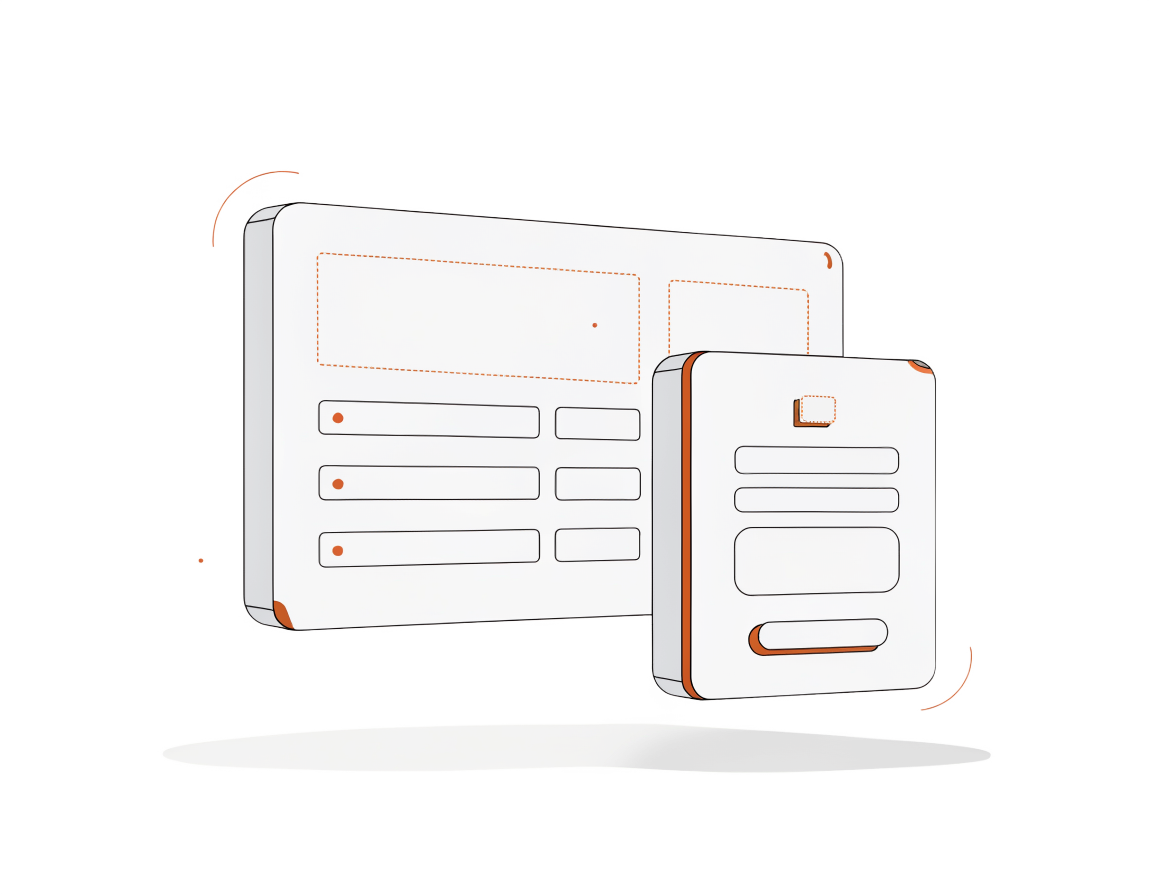
Embedded Checkout — cashier inside the creator profile
Drop an embedded iframe into the subscribe / tip / PPV unlock flow. The fan stays on your domain, pays the invoice from their wallet, the transaction settles to your platform's Paymos balance, and your ledger handles the creator-share split off the back. Fits $10/mo subscriptions billed as a renewal invoice each cycle, $20 tips and $50 PPV unlocks — anywhere card-on-file used to live.
See details
Payment Links — VIP private content and high-roller one-shots
Five-figure custom commissions, VIP DM bundles and custom-shoot deposits don't belong in a recurring flow. The creator — or the platform acting for them — mints a payment link with a fixed amount and an expiry and drops it in the DM. The fan taps through, settles from whatever wallet they hold, and the stablecoin confirms in minutes. No card-processor hold queue idling a $4,000 booking for days before it clears.
See details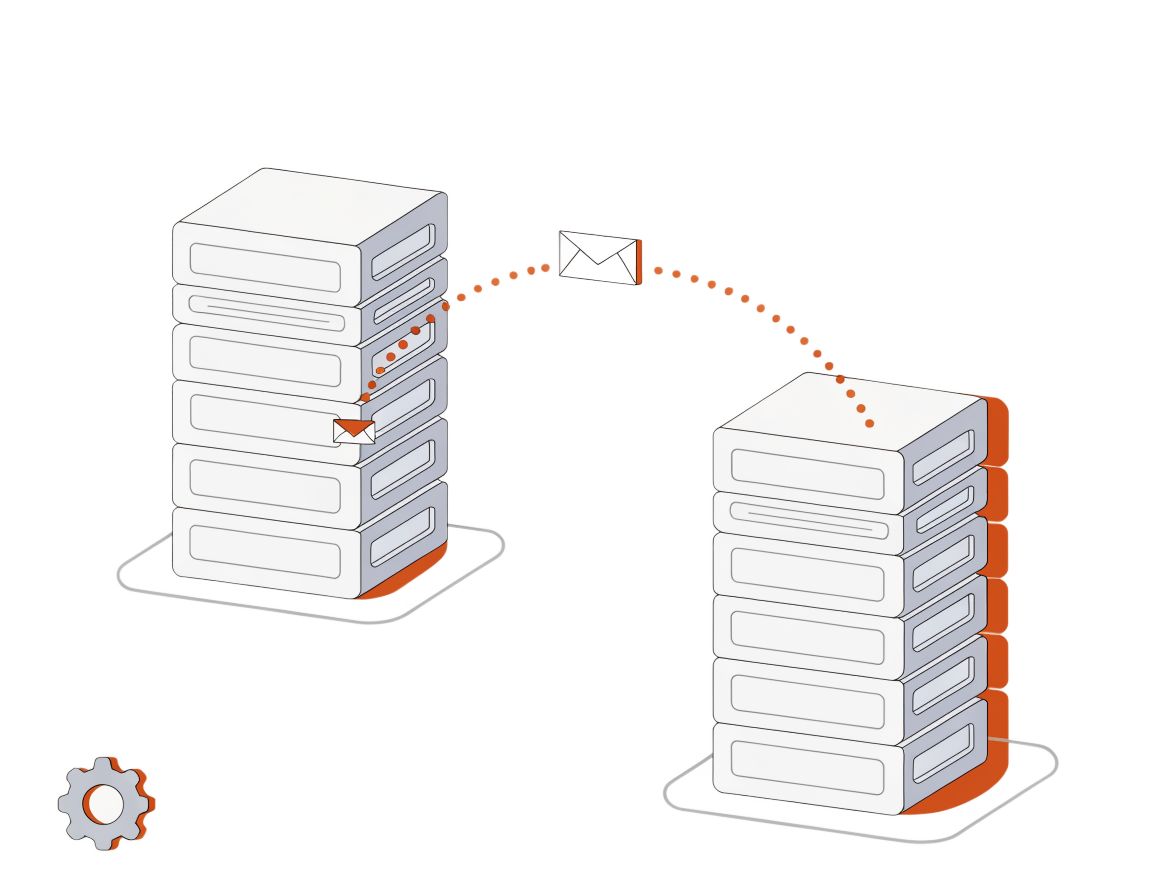
Host-to-Host API — your own subscription billing engine
Already run your own fan-billing stack? The host-to-host API hands your backend invoice creation and confirmation tracking on every supported network, plus webhooks signed with HMAC-SHA256, so an unlock fires the instant a payment lands. Each cycle your billing job raises a renewal invoice; the fan settles it from their wallet; your ledger books the gross, the creator share and the platform cut on one row. A creator's wallet has to be on your withdrawal whitelist before a share can reach it, and every payout is signed on isolated infrastructure.
See detailsAdult-platform flows that run cleanly today
What revenue patterns work on wallet settlement?
Four flows mapped to the usual creator-platform monetisation mix.
Monthly creator subscription — recurring renewal invoice
Your system issues a membership invoice for each month. The fan reviews and pays it from their wallet; confirmation credits your platform balance, and your ledger records the creator share. Nothing can pull funds from the wallet automatically, so every renewal is an explicit decision.
PPV unlock or premium tip — Embedded Checkout
Pay-per-view unlocks, premium tip flows and one-shot premium content all run through Embedded Checkout. The fan pays once and the unlock fires inside the same flow — no leave-and-return. The payment is final on confirmation, so there's no dispute window opening behind a five-hundred-dollar unlock weeks later.
Five-figure VIP private content — Payment Link with expiry
Custom shoots, exclusive drops and mediated bookings clear five figures in one shot. Mint a fixed-amount link with a tight expiry, send it, and the fan settles from their wallet. The stablecoin credits your Paymos balance when it confirms — nothing skimmed into a reserve, no review desk standing between the sale and your balance.
Premium fan-club tier — renewal invoices with mid-cycle upgrade
Multi-tier fan clubs handle an upgrade as a plain tier change. The fan pays the renewal invoice for the premium tier; if they jump mid-cycle, your billing engine raises a one-shot invoice for the prorated difference and points the next renewal at the higher tier. Because every charge is fan-initiated, you skip the downgrade-after-cancel traps card-on-file billing tends to leave behind.
Adult content on stablecoin rails
Frequently asked questions
Does Paymos require my platform to be licensed for adult content?
How does the wallet rail handle chargebacks and disputes?
How does this work with state age-verification laws like Texas HB 1181?
Do fans pay in stablecoins for this category?
How do creator-share splits and refunds work end-to-end?
What if a regulator orders Paymos to cut off my platform?
Honest disqualifier
When NOT to use Paymos for an adult-content platform
Four cases where fan-platform economics beat the wallet rail.
You depend on the OnlyFans or Fansly discovery network
Paymos handles payment, not discovery. If your creators' income depends on the OnlyFans recommendation graph — search, “subscribed creators also follow,” the explore feed — switching the payment rail doesn't replicate that audience flywheel. The right move is to run alongside: keep the big platform for top-of-funnel and use Paymos for direct-to-fan upsells — custom commissions, exclusive tiers, mediated bookings — where the house cut hurts most.
Your fan base pays by card and won't touch a wallet
A fan who has never held a stablecoin won't install a wallet to unlock a $15 PPV. If your audience is mainstream card payers, the rail converts a minority of them today — so run it next to your adult-specialist acquirer, for the crypto-comfortable segment and the geographies where cards keep failing, not as a wholesale replacement.
You're counting on silent card-style auto-renew
There is no card on file and no standing pull — every renewal is an invoice the fan chooses to pay. That kills involuntary churn, but it also kills the passive renewal a card subscription quietly collects. If your revenue model leans on subscribers forgetting to cancel, the wallet rail will read as a churn spike, not a savings line.
You want the rail to answer the 18+ legality question
Whether your platform may serve a given market — § 2257 records, state age-verification statutes, local licensing — is your determination and your exposure. Paymos doesn't rule on any of it and doesn't gate transactions by age or geography; a payment rail is not a legal opinion. Settle that question with counsel first, then choose the rail.
Related flows
Other Adult & High-Risk sub-niches on Paymos
Pricing
1.0% all-in. No reserve, no per-category surcharge
One rate covers a $10 fan subscription and a $5k VIP commission alike — acceptance gas folded in, the 1.0% never charged twice on a payout. 0.3% is the lower rate, granted on invoice flow and how many payments clear — ask from your first day live. Adult-specialist card processors run far higher and hold a reserve for months; other crypto gateways headline near 0.5%, then climb to 1.5–2%+ once the swap, the transfer and the merchant-paid network fee land.
See pricing