Sell nicotine on a rail that doesn't answer to the vape crackdown
Take tobacco, vape and nicotine-pouch orders at a stablecoin checkout, to your Paymos balance. A stablecoin transfer has no category for a processor to drop when the next flavour ban or PMTA round lands, and a confirmed sale is final the moment it clears. State licensing, PACT Act registration and 21+ verification stay with the operator.
Where a tobacco or vape retailer's payment rail gets pulled
Why do processors keep dropping tobacco and vape merchants?
Four problems a licensed tobacco or vape retailer hits on card rails.
The big processors prohibit nicotine in their terms
PayPal, Square and Stripe name tobacco, e-cigarettes and nicotine as restricted or prohibited in their acceptable-use terms. A fully licensed shop reads the same clause as an unlicensed one — the product is the disqualifier, not your paperwork. So the lawful, age-gated retailer either runs a specialist high-risk acquirer or watches a mainstream account get closed once the category is spotted.
A flavour ban or PMTA ruling can cut the category overnight
Vape sits under live regulatory pressure — FDA marketing-authorisation enforcement, state flavour bans, fresh shipping rules. Each move gives an acquirer a reason to exit the whole category at short notice, and a specialist processor is no guarantee against it. Lose the rail in the middle of the month and orders stall while you scramble to migrate. The instability hurts more than the rate.
The high-risk rate and the held-back reserve stack on every order
A high-risk acquirer underwrites nicotine at roughly 4–6% effective once the per-transaction fees are counted, then holds a reserve often in the 5–10% range against future disputes. Revenue you've already earned sits on the acquirer's balance sheet for months. On a high-turnover shop the take-rate and the reserve compound order after order, and neither shrinks as you grow.
Weekly payouts and surprise holds starve the inventory budget
High-risk acquirers pay out on weekly cycles and can freeze a balance the moment volume spikes. A retailer buying the next carton or pod shipment out of the same cash flow watches money it has already collected sit in a reserve or wait on settlement. The hold tends to land right after a promotion clears — exactly when working capital is tightest and the next order is due.
What funds the next shipment instead of the acquirer
What does stablecoin settlement fix for a tobacco or vape retailer?
Four things that go right once orders stop routing through card rails.

No category code for the next regulation to flag
A stablecoin transfer carries no merchant category code, so there's no field a processor reads to decide nicotine is off-limits — and nothing for an acquirer to flip when a flavour ban or PMTA ruling lands. The wallet settles your order the way it settles any transfer. State retail licensing, PACT Act registration, excise filing and 21+ verification stay with the operator, where the law puts them.

A shipped order can't come back as a chargeback
A confirmed on-chain payment is final — no bank to call, no reversal weeks after the pods or cartons leave the shelf. The dispute spike that drives the reserve and triggers the account closure never forms, because there's no dispute channel to feed it. That removes one of the loudest reasons nicotine retailers lose processing, and it removes the friendly-fraud claim on a delivered order.

Settlement funds the next shipment, not the acquirer's balance sheet
No acquirer parks a reserve, runs a weekly payout cycle or freezes the balance you've already earned. The customer pays, and the stablecoin credits your Paymos balance on confirmation — small tickets in seconds, larger ones once the chain reaches safe finality. The money is ready to buy the next carton when the sale clears, instead of sitting on someone else's books until a cycle releases.

Cigar clubs and vape refills, every cycle customer-initiated
A cigar-of-the-month club or a coil-and-juice refill plan runs as a renewal invoice the customer pays from their wallet each cycle. No card to expire and break the plan, no account-updater miss, no silent decline at renewal. Because there's no card in the loop, none of the card-lifecycle events that quietly churn a subscription can touch it. The buyer pays the invoice to continue and skips it to stop — Paymos never pulls a wallet.
How a tobacco or vape retailer wires Paymos in
Which integration path fits a tobacco or vape shop?
Three integration shapes sized to online orders, counter sales and subscription clubs.
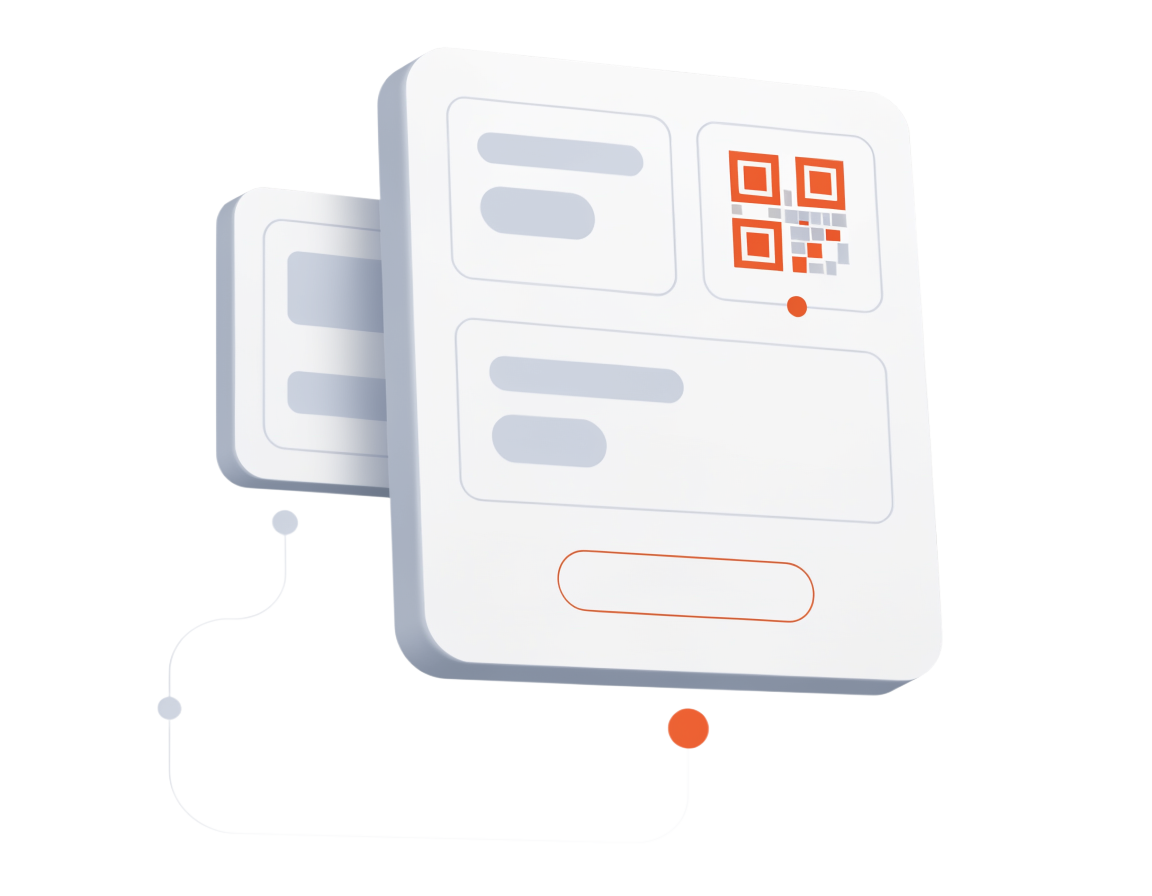
Hosted Checkout — online tobacco and vape store
For an online nicotine-pouch, vape or cigar store, Hosted Checkout carries the buyer from product page to wallet-paid invoice in one full-screen flow, mobile-first, with an expiry that closes out abandoned carts. The customer picks the network they hold, and their wallet prices the transfer before it leaves. Your 21+ verification and PACT Act shipping checks run in your own workflow; Paymos handles the payment leg, and nothing on the wire touches a card-network category code.
See details
Embedded Checkout — over-the-counter at the smoke shop
Ring up the cigar or vape sale, show a QR, and the customer pays from their phone wallet through a flow embedded in your own register page. The stablecoin credits your Paymos balance on confirmation while you check the ID at the counter — no card terminal to rent, no per-swipe surcharge on the ticket. Keep taking cash and cards for the rest of the queue; the wallet option serves the buyers who already carry one.
See details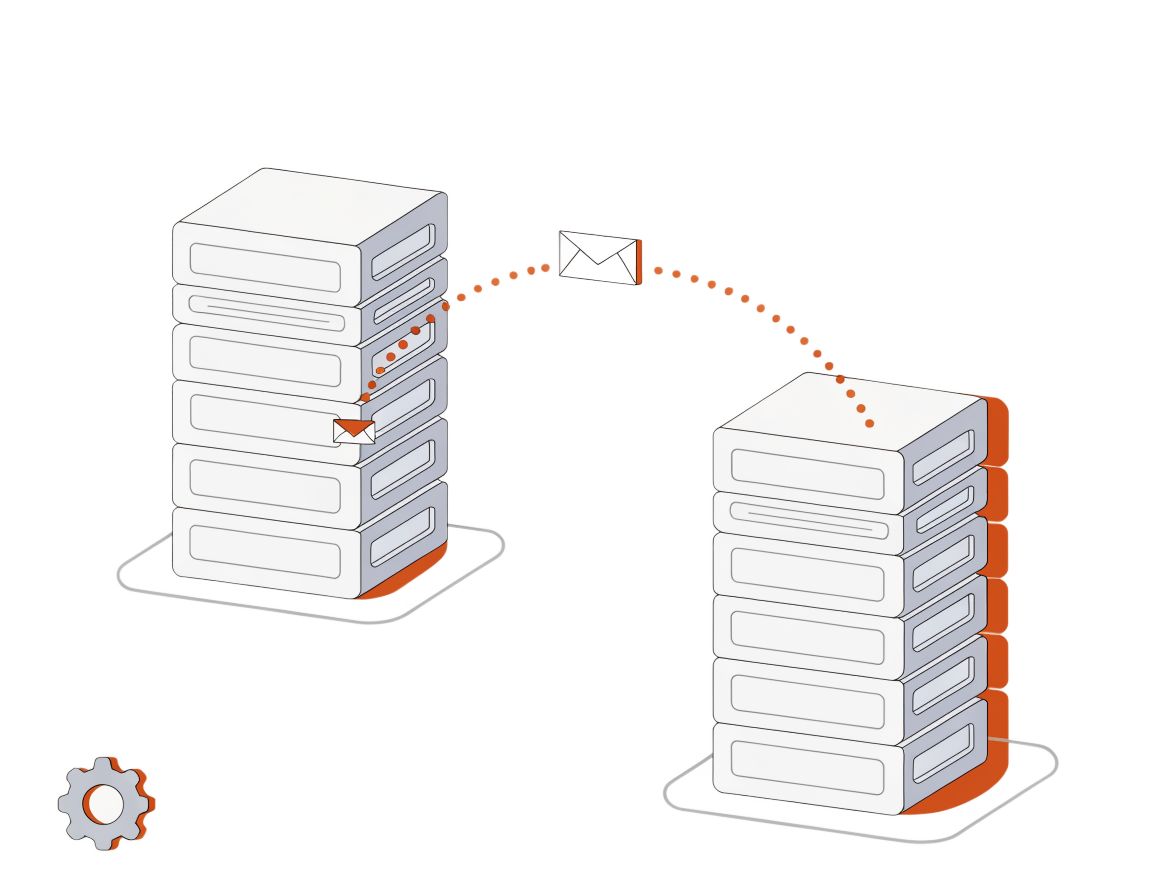
Host-to-Host API — subscription clubs and wholesale
Run your own store or club engine and the REST API gives you create-invoice, fetch-status and HMAC-SHA256-signed webhooks across all 13 networks. Your system issues a club renewal invoice each cycle, the buyer pays it from their wallet, and the signed webhook fires the moment it confirms — so fulfilment and age verification key off a payment that has landed, not an authorisation that might reverse.
See detailsTobacco and vape flows that run cleanly today
What patterns work online and at the counter?
Four flows from real retail setups — online order, counter sale, club renewal and wholesale.
Online vape-device order — Hosted Checkout
A buyer orders a device and a box of pods. They pay through Hosted Checkout from their wallet, the confirmation reaches your system in minutes, and your 21+ check and PACT Act shipping rules run before anything dispatches. The payment is final on confirmation — no reversal arrives weeks after the parcel does.
Counter cigar sale — Embedded Checkout
An in-store cigar or loose-tobacco purchase. The customer scans the QR and pays from their phone wallet, the stablecoin credits your Paymos balance on confirmation while you verify the ID, and there's no terminal and no per-swipe surcharge on the sale. The funds sit in your balance the moment the chain confirms, ready to withdraw.
Cigar-club renewal — renewal invoice
A cigar-of-the-month member. Each cycle your system issues a renewal invoice they pay from their wallet — never a card on file, never a stored credential. Fulfilment ships the month's selection off the confirmation webhook, and a member who stops doesn't pay the next invoice. No failed-payment chase, no silent card decline to reconcile.
Wholesale carton order — Payment Link
A bulk order to a stockist or a second shop. Send a payment link for the negotiated amount; the stockist settles it from their treasury wallet, and the receivable clears the moment the transfer confirms — no net-30, no wire delay. A carton-level invoice can't be clawed back after the goods ship, and the on-chain transfer leaves both sides a clean record to reconcile.
Tobacco and vape on stablecoin rails
Frequently asked questions
Does Paymos check that my shop is licensed and PACT Act registered?
What replaces the chargeback when a customer disputes an order?
How does this work with PACT Act and age-verification rules?
Do tobacco and vape customers pay in stablecoins?
How do refunds and returns work end-to-end?
What happens if a regulator orders Paymos to halt processing for my store?
Honest disqualifier
When NOT to use Paymos for a tobacco or vape shop
Four cases where the smoke-shop till doesn't need a wallet.
Your whole business is single packs across the counter
A walk-in buying one pack pays cash or taps a card — they won't open a wallet and scan a QR for a $12 sale, and you shouldn't ask them to. The rail earns its place online, where vape stores keep losing card processing to category pullbacks, and on the cross-border orders cards decline. If you have no online or club channel, the wallet option won't move your numbers.
You need dollars in the bank for excise and distributors
Settlement lands as stablecoins to your Paymos balance; Paymos has no fiat leg and no bank payout. Excise filings, state remittances and most tobacco distributors want dollars in an account, so the conversion to fiat is a step you'd run yourself through your own exchange. If your cash cycle can't carry that, keep a fiat acquirer for the bills and route only the crypto-side volume through Paymos.
You want a partner to carry the regulated process for you
Paymos settles money. It won't verify age, file PACT Act reports, enforce carrier shipping rules or handle excise — and it doesn't want to. If what you need is someone to own the tobacco-and-vape compliance work, that role belongs to you as the licensee, with software built for it. Use Paymos for the settlement and the renewal invoices, and run the rest where it lives.
You expect the rail to police your shipping map
Paymos confirms the transfer; it does not evaluate destination rules, flavour restrictions, or buyer age. If an order must be blocked before shipment, enforce that decision in your commerce and fulfilment workflow.
Related flows
Other Adult & High-Risk sub-niches on Paymos
Pricing
1.0% per settled order. No reserve, no per-swipe surcharge
The single vape device and the cigar-club renewal are both 1.0%, acceptance gas included. Paymos holds nothing and schedules nothing — the balance is yours to move when you choose, and withdrawing costs a subsidised network fee rather than a second commission. 0.3% is the lower rate, granted on turnover and how many orders come through — ask from your first one. A high-risk acquirer at roughly 4–6% effective also decides when you see the money: a reserve behind it and a weekly payout calendar you did not set. Teaser-priced gateways headline near 0.5% and land around 1.5–2%+ once swap, transfer and merchant-paid gas are counted.
See pricing