Get paid without a card rail that bans you for the category
Sell CBD and state-legal cannabis through a crypto payment gateway that settles in USDT or USDC straight to your Paymos balance. No merchant category code for an acquirer to decline, no held-back reserve parking your volume, no chargeback behind a confirmed sale. State licensing and 21+ verification stay with you.
Where the margin leaks before it reaches the till
Why does cannabis retail still run on cash or fragile workarounds?
The federal-state mismatch leaves four payment problems unsolved.
The card networks won't carry the category
Stripe's restricted-business list names cannabis and CBD; PayPal's acceptable-use policy matches. The block is structural, not a Paymos rule: Visa and Mastercard forbid acquirers from settling federally-illegal substances, and cannabis remains Schedule I federally as of 2026 — the Controlled Substances Act still lists it, even in states that have legalised it. Square runs a narrow CBD-only programme that stops at anything THC-positive. For a dispensary, there is no clean acquirer to apply to.
The cashless-ATM workaround can disappear mid-month
The usual dispensary patch is a cashless ATM: the buyer's debit card runs as a rounded-up cash withdrawal and the store hands back change. It costs a few points per sale plus device fees, and the pattern carries enforcement exposure — Visa issued guidance against it, and underwriting banks have walked away from it since. When a processor gets shut down, the rail vanishes overnight with no runway to find another. The till is back to cash by morning.
CBD-specialist processors price the risk into a reserve
Even Farm Bill hemp CBD — under 0.3% THC by dry weight — gets underwritten by high-risk specialists at a 4–7% effective rate, with a reserve often in the 10–20% range held around 180 days. Novel cannabinoids — Delta-8, Delta-10, HHC, THCA — sit in grey territory that moves state by state, and processors revise their stance quarterly. The compliance churn burns operating hours before it ever touches the take-rate.
Staying cash-only is taxed twice — by security and by 280E
A cash-only dispensary pays elsewhere: armoured pickups, vault insurance, the rare cannabis-friendly credit union's deposit fees, and the labour of moving currency safely. IRC Section 280E denies these businesses the ordinary expense deductions every other retailer takes, so each dollar lost to cash handling lands on taxable income at the full federal rate. Cash isn't free here — it is one of the heaviest line items in the model.
What a settled sale does to the cash drawer
What does a stablecoin gateway fix for cannabis retail?
Four outcomes for Farm Bill hemp CBD and state-legal cannabis operations.

No merchant category code, so nothing to decline
A USDT or USDC payment carries no merchant category code — there is no field for an acquirer to read and reject, and no enforcement event that can pull the rail mid-month. Your state-legal operation still runs its own compliance through the licensing framework, seed-to-sale tracking and 21+ checks. Paymos doesn't vet what you sell and doesn't add a decline layer on top of the rules the state already imposes.

No reserve held back — settled funds are yours
No specialist underwriter holds back a slice of your volume for half a year. A buyer pays, and on confirmation the stablecoin credits your Paymos balance — minutes, not a reserve window. For a high-turnover retailer that is working capital staying in the business, and under 280E, where the deductions go to other shops, the cash you keep matters more here than almost anywhere.

A confirmed sale is final — and thins the cash drawer
At the counter the buyer scans an invoice QR and pays from their phone wallet; the sale is final on confirmation, with no chargeback behind it. For the slice of customers who already hold stablecoins, that is one fewer bill in the drawer at close. Less cash through the register means lighter armoured pickups, leaner vault insurance and a smaller deposit-fee bill at the credit union.

Renewal invoices that survive the card lifecycle
Farm Bill CBD wellness brands run on repeat orders. Each cycle, your system issues a renewal invoice the customer pays from their wallet — no card to expire at month six, no account-updater to miss a reissued card, no reserve skimming the proceeds. The customer initiates every payment; Paymos never pulls a wallet, so renewals stay opt-in by design rather than failing on a card event.
How a CBD or cannabis retailer wires it in
Which integration path fits a hemp store or a dispensary?
Three shapes, sized to DTC hemp, dispensary order-ahead and a connected POS.
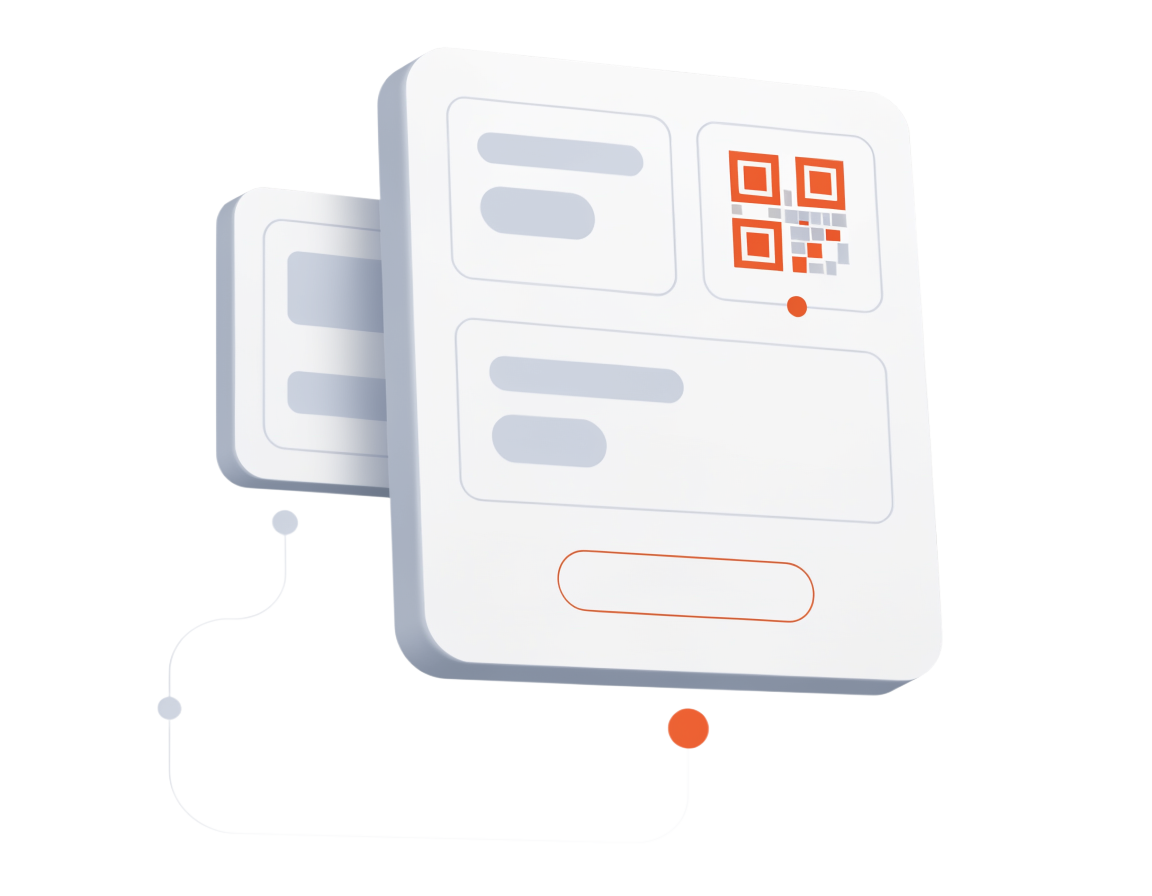
Hosted Checkout — DTC hemp CBD storefront
For a Farm Bill hemp CBD shop, Hosted Checkout carries the buyer from product page to a wallet-paid invoice in one full-screen step — English or Russian, mobile-first, with an expiry that closes out abandoned carts. It runs alongside whatever card processor handles your non-cannabis lines, and the stablecoin sales never touch a card-network category code.
See details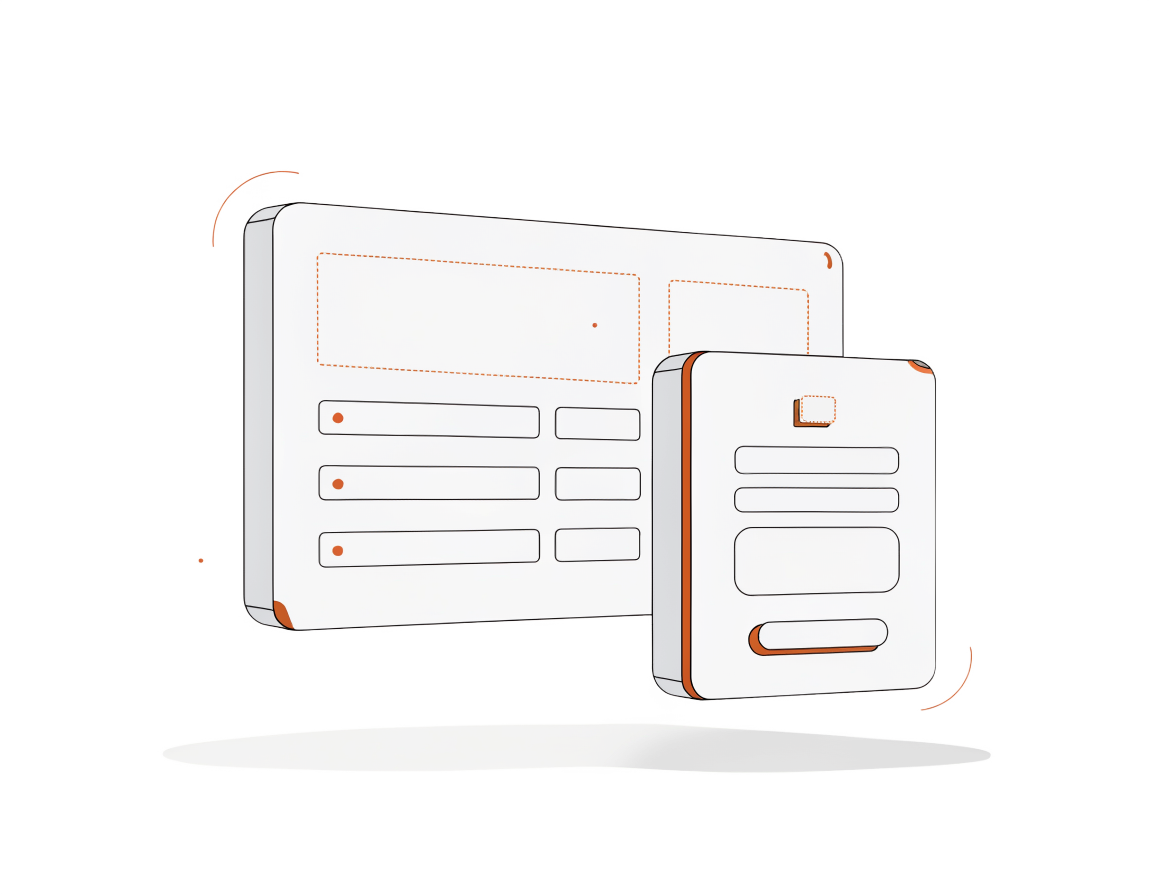
Embedded Checkout — dispensary order-ahead for pickup
For a state-legal dispensary taking online orders for in-store pickup, Embedded Checkout lives inside your menu — the buyer never leaves your domain. They pick an order and sign the wallet payment, then walk in, get age-verified at pickup (21+), and collect. The sale settled before they arrived, so there is no cash to count at the counter and no per-transaction workaround fee.
See details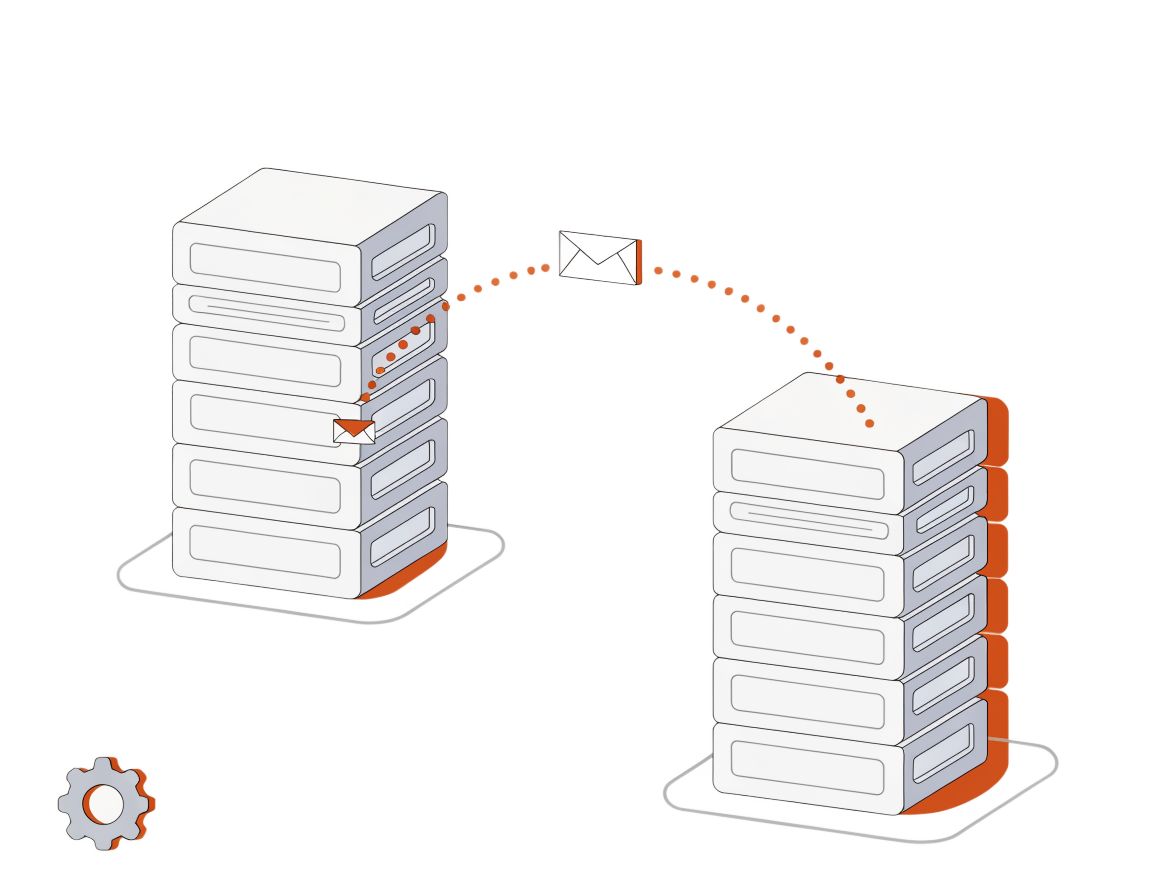
Host-to-Host API — your POS drives, Paymos settles
For a multi-location operator whose POS already reports to a seed-to-sale system, the REST API lets that POS create invoices, watch confirmations and read payment status back over HMAC-SHA256 signed webhooks. Your own compliance workflow — plant IDs, manifests, state reporting — still drives the order. Paymos handles only the payment leg, across the supported networks, and never sees your inventory system.
See detailsRetail flows that settle cleanly today
What sales patterns map onto hemp DTC and dispensaries?
Four flows across the way these stores take money.
Single-bottle hemp CBD oil — Hosted Checkout
A one-off Farm Bill hemp CBD oil. The buyer picks the bottle, pays from their wallet through Hosted Checkout, and it ships the next business day. The sale is final on confirmation — no reserve catching the proceeds, no cashless-ATM device in the loop, no chargeback to claw it back weeks later.
CBD wellness re-order — monthly renewal invoice
A wellness CBD bundle the customer wants every month — oil, gummies, a topical. Each cycle your system issues a renewal invoice they pay from their wallet; there is no card on file and nothing auto-charges. A lapsed customer stops paying the next invoice, and the webhook tells you the moment they stop — so retention is a real signal, not a card that quietly declined.
Dispensary pickup order — Embedded Checkout
A state-legal dispensary: the buyer browses your menu, picks flower and edibles, and pays from their phone wallet without leaving your site. They walk in, get age-verified at pickup (21+), and collect. The payment already settled, so there is nothing to count and no workaround fee. Your POS scan fires the seed-to-sale adjustment; Paymos only records the payment.
Wholesale hemp order — Payment Link
B2B wholesale — a hemp processor selling bulk, a licensed distributor moving Farm Bill inventory. Spin up a payment link with a fixed amount and expiry, send it, and the buyer opens it and pays from their wallet. The stablecoin lands on confirmation, with no underwriting queue to clear and no reserve held against the order.
Stablecoin settlement for hemp and cannabis retail
Frequently asked questions
Does Paymos process payments for federally-illegal recreational marijuana?
How does this differ for Farm Bill hemp CBD versus state-legal cannabis?
What about Delta-8, Delta-10, HHC and THCA?
Do retail cannabis customers pay in stablecoins?
How do refunds work when an order can't ship to the buyer's state?
How does IRC 280E interact with settling in stablecoins?
Honest disqualifier
When NOT to use Paymos for CBD or cannabis retail
Four cases where the limit is your model, not the payment rail.
Your model needs THC products to cross state lines
The Controlled Substances Act bars interstate shipment of any cannabis product above 0.3% THC, whatever the status on either end. How the customer pays changes none of that — the legality of each shipment is your call and your exposure, and Paymos doesn't rule on it. If the business depends on moving THC across state lines, a different payment rail isn't the fix.
You run on Square's CBD tooling and can't unwind it
Square's limited CBD programme bundles POS, loyalty and reporting. If your operation is built on that stack, ripping it out to chase a lower per-sale cost rarely pays off short-term. Run both rails instead — Square for card buyers, Paymos for wallet buyers — and let the stablecoin share grow on its own before you touch the rest.
Your average ticket is a single pre-roll at high velocity
On sub-$10 pre-rolls and single edibles moving fast, even a stablecoin payment's network cost and the extra checkout tap start to matter, and cash already handles that ticket size well. The wallet rail earns its place on mid-size baskets, where the saving stacks with the cash-handling you remove — not on the smallest impulse buys.
You want the rail to stand in for a licence
The dispensary licence, the USDA or state hemp registration, the seed-to-sale reporting — that stack exists no matter how the customer pays, and it stays your obligation and your risk. Paymos doesn't check it and doesn't rule on it; a state attorney general will not care that the sale settled in USDC. If the licensing work isn't done, do that first — the payment rail is the last thing to change.
Related flows
Other Adult & High-Risk sub-niches on Paymos
Pricing
1.0% per settled sale. No reserve, no monthly minimum
One percentage covers the single hemp bottle and the wholesale order, the acceptance cost is ours with no separate transfer fee, and a withdrawal carries 0 Paymos commission over a network fee disclosed for the route and priced under it. 0.3% on request, from your first sale: turnover and order size are the numbers behind it. The cashless-ATM workaround exists because little else will bank the category, and it takes a few points per sale for the privilege; the compliant alternative is a high-risk specialist at 4–7% effective holding 10–20% of takings for around 180 days.
See pricing