Keep the revenue your processor parks against future disputes
Supplement orders and refills credit your Paymos balance in stablecoins, each one paid by the customer and final on confirmation. No reserve sitting on the processor's balance sheet, no dispute spike that triggers a freeze, and the money funds inventory the day it clears. FDA labelling and DSHEA notification stay with the operator.
Where a supplement brand bleeds on card rails
Why does nutra get the premium rate and the long reserve?
Four ways the card rail taxes a supplement brand — the category flag, the dispute spiral, the held reserve, and the trial-billing trap.
The category alone marks you as a flight risk
Supplements sit on the high-risk list before a single order ships. Health claims, continuity billing and a dispute history the card networks watch put nutra in the same bucket the underwriter prices for the whole category. Mainstream processors restrict it or freeze accounts that spike, and a brand can lose months of revenue overnight when an acquirer decides the volume looks risky — for a product that's perfectly legal to sell.
A normal dispute rate tips you into monitoring
Wellness buyers dispute more than most. A forgotten autoship charge, buyer's remorse on a product that didn't deliver overnight results, a renewal the cardholder doesn't recognise on the statement — each becomes a chargeback. On the card rail those reversals push the merchant toward the network monitoring thresholds, and once you're flagged the processor raises surcharges, deepens the reserve, or shuts the account.
The reserve sits on the processor's books, not yours
A high-risk processor that underwrites nutra prices the risk twice. The effective take-rate commonly lands at 4–7% once fees and surcharges are counted, and on top of it a reserve — for supplements often 10–20% of volume — is held 90 to 180 days. The cash you already earned is frozen as working capital you can't touch, and on a high-velocity reorder business it compounds across every batch of orders.
Trial-billing chargebacks become the processor's case against you
Free-trial and negative-option funnels convert by charging a card the buyer half-forgot they handed over. The disputes that follow are exactly the pattern card networks and the FTC scrutinise hardest in this category, and a cluster of them reads as a merchant problem, not a customer one. The funnel that drove the growth is the same funnel the processor cites when it raises the reserve or pulls the account.
Where the working capital sits instead
What does a stablecoin rail fix for a supplement brand?
Four things go right once the order isn't routed through an acquirer that can flag, dispute, reserve, or pull it.

No merchant category code to flag in the first place
A stablecoin payment carries no MCC, so there's no field that sorts you into the high-risk bucket and no category-level freeze waiting on your account. Each order arrives to your Paymos balance as an ordinary transfer, judged on nothing but whether it confirmed. The compliance that matters — FDA labelling under 21 CFR Part 101, DSHEA structure-function notification, claims you can stand behind — stays with the operator, where it belongs.

A paid order can't turn into a chargeback later
A confirmed on-chain payment is final — no bank reverses it weeks after the bottle shipped. So the dispute cluster that pushes nutra brands into monitoring never forms, and with it goes the surcharge hike, the deepened reserve and the account closure it triggers. The growth in your order book stops being the evidence an underwriter uses to price or pull your rail.

Your working capital stays in your treasury
Nothing is held back against future disputes. The customer pays, the funds confirm to your balance — typically in minutes, sized to the ticket — and they're yours to withdraw and spend on inventory and acquisition the same day. The 10–20% a high-risk processor would park for months isn't earning a return for them; it's funding your next reorder.

Every refill is a choice the customer makes, not a charge you push
A renewal goes out as an invoice the customer settles from their own wallet — there's no card on file and no standing pull on their funds, so a renewal can never look like a charge they didn't authorise. A customer who wants the next month pays it; one who's done doesn't, and your webhook logs a clean cancellation. The autoship base you keep is the base that actively chose to stay.
How a supplement brand wires it in
Which integration path fits a nutra brand?
Three shapes sized to the single bottle, the autoship engine, and the wholesale ticket.
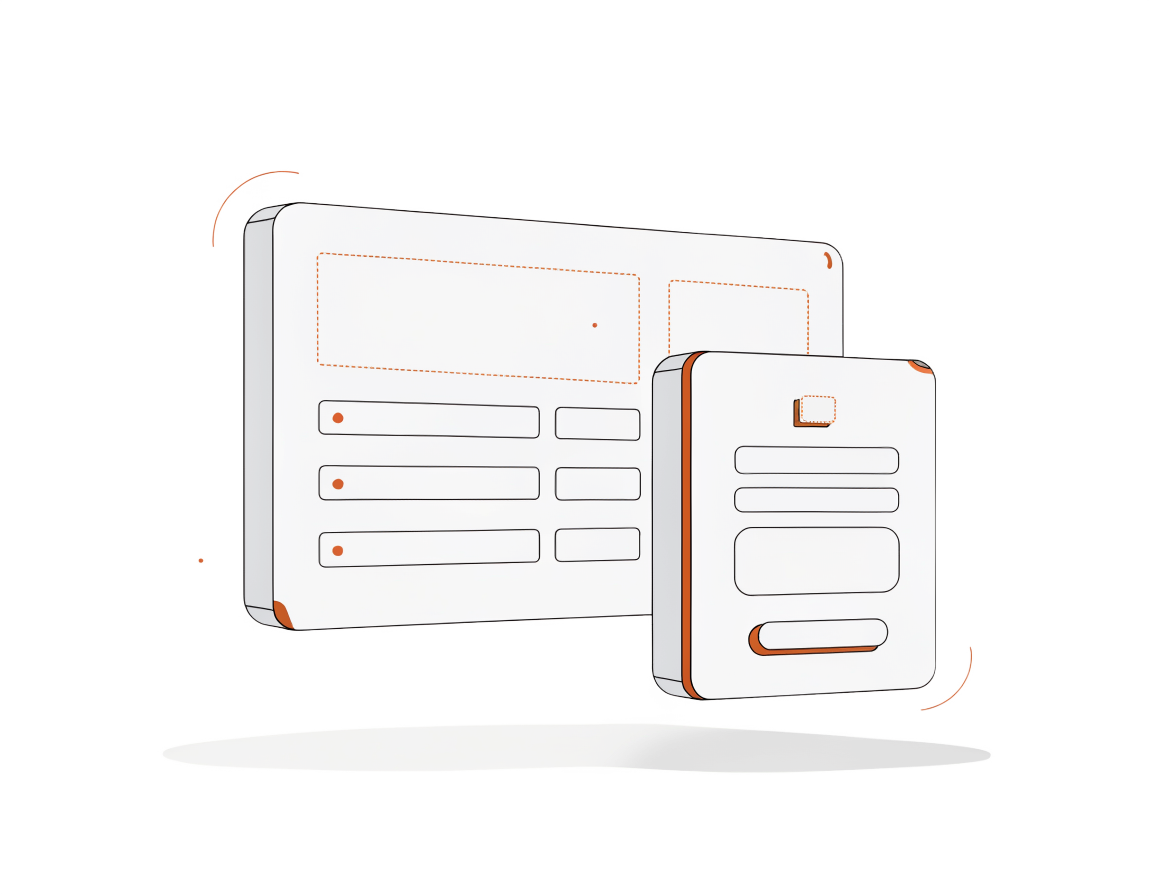
Hosted Checkout — single-bottle and starter-kit orders
For one-off bottles and starter kits, Hosted Checkout carries the customer from product page to a wallet-paid invoice in one full-screen, mobile-first flow, with an expiry that releases abandoned carts. It sits alongside whatever card processor you keep for the rest of the catalogue, and the orders that route through it never touch a card network at all.
See details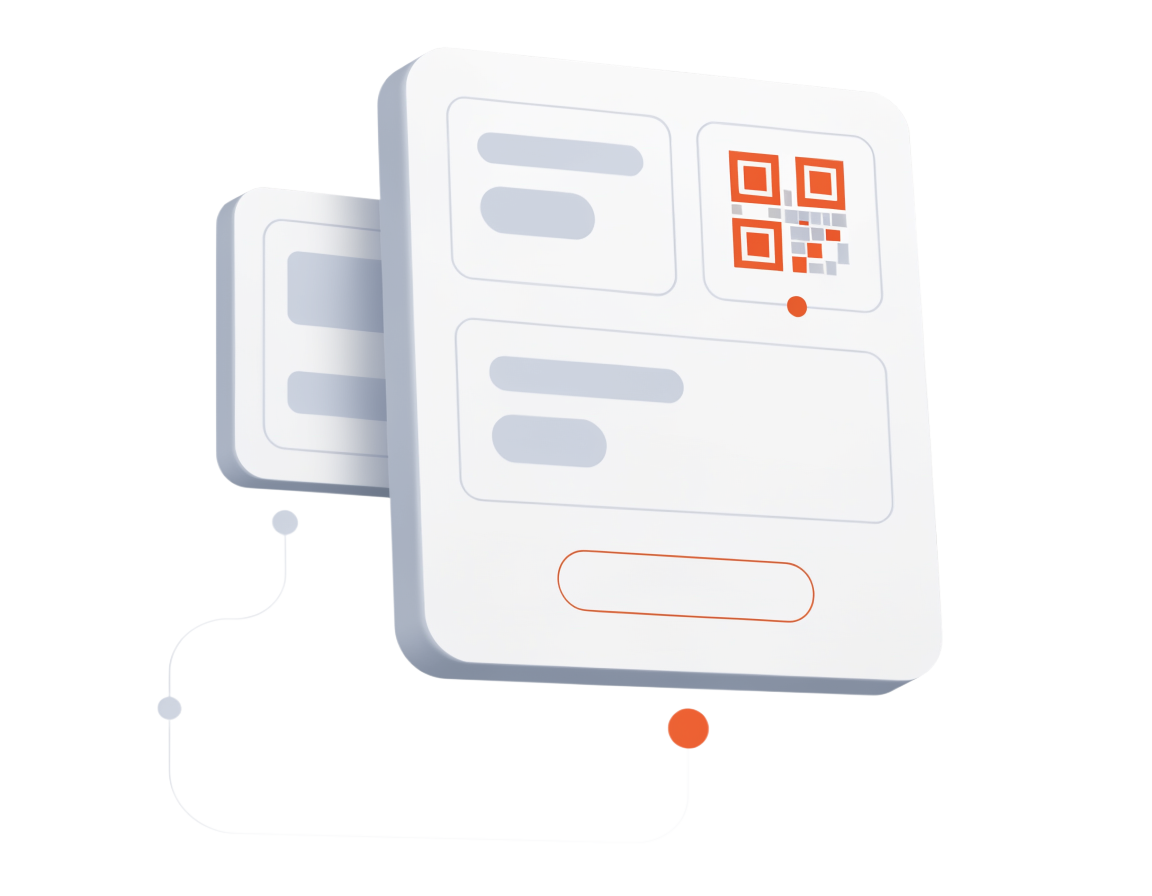
Host-to-Host API — drive autoship from your own store
If you run your own storefront and billing logic, the host-to-host API gives you create-invoice, confirmation polling, and HMAC-SHA256-signed webhooks across the supported networks. Each cycle your billing job asks Paymos for a fresh renewal invoice, the customer pays it from their wallet, and the webhook hands your store the order and the renewal state to record.
See details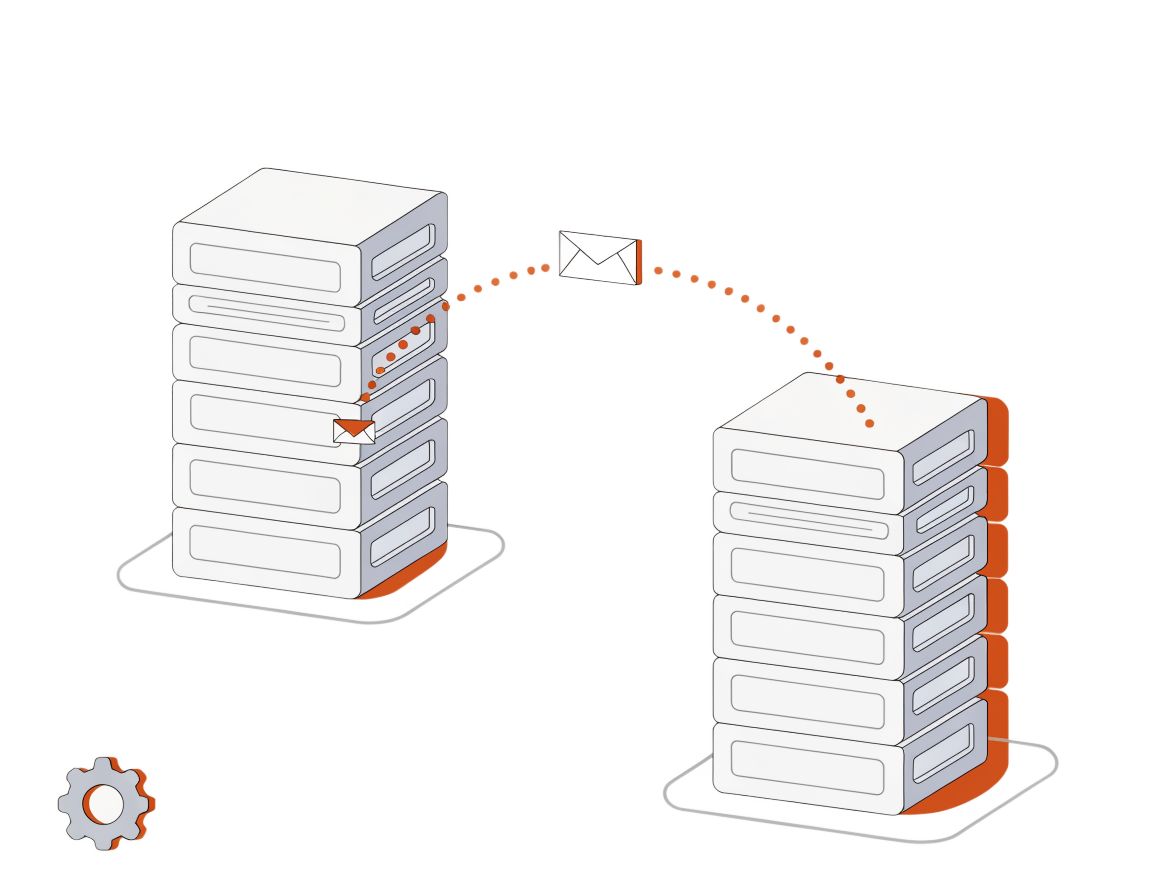
Payment Links — wholesale, practitioner and high-ticket bundles
For a wholesale order or high-value bundle, create a fixed invoice, set the expiry, and send the hosted link to the buyer. Confirmation closes the receivable and preserves the invoice reference in both ledgers without an acquirer reserve.
See detailsSupplement flows that run on this rail today
What nutra patterns work on wallet settlement?
Four setups from real supplement brands — the single bottle, the monthly refill, the starter kit, and the wholesale order.
Single-bottle order — Hosted Checkout
The everyday one-off. The customer chooses a bottle, pays from their wallet through Hosted Checkout, and you ship same or next day. Once it confirms, the sale is closed: no slice held back on a reserve, and no chargeback window that can reopen the order weeks after the bottle was delivered and used.
Monthly autoship — a renewal the customer pays
A customer on a monthly supplement plan. Each cycle your system issues a renewal invoice they pay from their wallet, so the "I forgot I was being billed" dispute that defines nutra churn can't happen at all. When they're finished, they let the invoice lapse and your webhook records a clean cancellation — a true read on retention instead of a guess.
Starter kit then ongoing supply — Hosted Checkout
A starter kit bundling the first month, with supply continuing after. The customer pays once through Hosted Checkout, the kit ships, and each later month arrives as its own invoice they actively settle. There's no auto-charge converting the trial by surprise, so the negative-option complaint that triggers a chargeback never has a charge to attach to.
Wholesale to a stockist — Payment Link
A pallet to a retailer or a practitioner's bulk order. You send a payment link for the agreed sum; the buyer pays from a company wallet; the receivable closes on confirmation. The large ticket can't be recalled after the stock leaves your dock, and a real invoice is attached for both sides' books.
Supplements on a stablecoin rail
Frequently asked questions
Does Paymos vet my label claims or ingredients before it processes a payment?
With no chargebacks, what happens when a customer disputes an order?
How does a monthly plan work with no card on file?
Do supplement customers pay in stablecoins?
How do money-back guarantees work when payments don't reverse?
What if a regulator orders you to stop processing for my brand?
Honest disqualifier
When NOT to use Paymos for a supplement brand
Four cases where a supplement funnel works against a wallet rail — be honest about which one is yours.
Your growth depends on the free-trial auto-charge
A negative-option funnel only works because it can charge a stored card when the trial lapses. There's no equivalent here — a wallet can't be pulled, so a trial that converts by the customer doing nothing doesn't convert at all. Brands that bill refills the customer meant to keep buying fit cleanly; funnels engineered to monetise inertia don't, by design.
Your buyers are fiat-only and have never touched a wallet
If your customers are mainstream and have never held a stablecoin, asking them to open a wallet at checkout — and again at every refill — costs more conversion than the reserve relief is worth. Paymos earns its place where buyers are already crypto-comfortable or international. For a fully fiat-first base, run it as a second option beside cards, not as the primary rail.
Your business is sub-$10 SKUs sold at high velocity
On a cheap single item bought on impulse, the extra step of paying from a wallet can cost more sales than the rail saves you. The economics here favour subscriptions, starter kits and mid-to-high tickets — exactly where the freeze risk and the held reserve hurt most. They don't favour the smallest impulse buy.
You want the rail to paper over a claims problem
What your label and ads may claim, which ingredients are legal, the DSHEA notification — the FDA and FTC hold you to all of it however the customer pays, and on-chain settlement changes none of it. Paymos doesn't review formulations or claims and won't stand between you and a regulator. Settle the claims with counsel first; the payment rail is the easy part once they're clean.
Related flows
Other Adult & High-Risk sub-niches on Paymos
Pricing
1.0% on a settled order. Nothing held back
One percentage covers the single bottle and the wholesale pallet, the cost of accepting the payment is ours, and moving the balance out adds no second charge. Nothing is parked here. Ask in your first month for 0.3% — turnover and how many invoices settle decide it. Read the reserve before the rate elsewhere: a nutra-specialist acquirer at 4–7% effective also parks 10–20% of your revenue for 90 to 180 days — a bigger number than the fee, and it is your working capital. Crypto gateways headlining near 0.5% arrive at roughly 1.5–2%+ once swap, transfer and the gas you would cover are added.
See pricing