Pay the whole MLM downline the day a commission run closes
Collect orders and move commissions on one stablecoin rail — crypto payments in, commission transfers out. Orders credit your Paymos balance on confirmation, your back-office fires the payout transfers, and distributors anywhere get paid without a bank wire in the way — on a category no acquirer can read and refuse. FTC compliance and 1099 reporting stay with the operator.
Where the payment rail breaks a direct-sales company
Why does network marketing sit on the high-risk list?
An MLM has to collect orders and pay a downline on the same rail. Four places that rail gives out.
The category gets declined at underwriting
Multi-level marketing carries a high dispute baseline, regulatory scrutiny and the pyramid-scheme question — so most acquirers decline it outright, and the few that underwrite it watch the account on a hair trigger. Approval doesn't settle anything: one bad dispute month puts the company back into review, and a review on a direct-sales account often ends in a freeze.
Quit distributors and forgotten autoship drive the dispute rate up
A distributor who walks away disputes their last autoship. A customer forgets the monthly charge and calls it fraud. Buyer's remorse hits a $500 starter kit a week after it shipped. Each one is a chargeback, and a string of them trips the monitoring threshold that lets the acquirer surcharge the account, park a reserve, or close it.
The specialist processor prices the risk into every order
When a high-risk acquirer does take the category, it charges for it — often a 4–6% effective rate once fees and surcharges are counted, plus a held-back reserve against disputes that haven't happened yet. On a direct-sales book of starter kits, autoship and reorders, that cut compounds across thousands of small tickets and the reserve ties up cash you need for the next payout.
Paying a worldwide downline is slow and leaks money on the way out
Commissions go to distributors in markets your bank barely reaches. Bank wires take days and charge per transfer; an exchange-rate markup shaves every payout; some recipients have no account a wire can land in. A commission run that arrives late or short is the fastest way to lose the distributors the model runs on.
What changes when both legs settle on-chain
What does a stablecoin rail fix for a direct-sales company?
Four things go right once orders in and commissions out both stop touching card and bank rails.
No category code, so nothing to underwrite or decline
A stablecoin payment carries no merchant category code. There's no field an acquirer reads to flag network marketing, no underwriting verdict to lose, and no category-level block at acceptance — orders credit your Paymos balance like any other transfer. The compliance that decides whether you're a legitimate MLM — FTC obligations, real retail-customer flow, 1099 reporting, state registration — stays with the operator, where it always lived.

A paid kit stays paid — the dispute spike can't form
A confirmed on-chain payment can't be reversed by a bank. A starter kit can't be charged back a week after it shipped; a quit distributor can't claw back the autoship they already used. The chargeback wave that trips monitoring thresholds and ends direct-sales accounts has no mechanism here — which removes the single most common reason an MLM loses its processing.

No reserve sitting on the cash that funds your next payout
No processor parks a held-back reserve or runs a multi-day hold on the orders you've collected. The money credits your Paymos balance on confirmation — small tickets clear in seconds, larger ones wait for safe finality — and it's spendable the moment it arrives. The order book funds the commission run directly, instead of being trapped on an acquirer's balance sheet earning a return for them.

Push the commission run to a global downline, final on confirmation
Commissions go out as operator-initiated transfers from your Paymos balance to each distributor's whitelisted address, final once confirmed and reaching a downline anywhere without the days and exchange-rate markup of a bank wire. Paymos takes zero commission on the payout — the merchant pays only the network fee that moves it, disclosed before the run goes and set below what the chain charges. The same run reaches a distributor in São Paulo and one in Manila at the same speed.
How a direct-sales company wires Paymos in
Which integration path fits the order and the payout side?
Three shapes — one for kits, one for the back-office that bills autoship and pays the downline, one for big tickets.
Hosted Checkout — starter kits and reorders
For a starter kit or a one-off product order, Hosted Checkout carries the buyer from product page to a wallet-paid invoice in a single flow. They pay from their wallet, a confirmation hits your system, and the order is marked. Nothing to build on your payment screen, and no acquirer reading a category off the transaction.
See details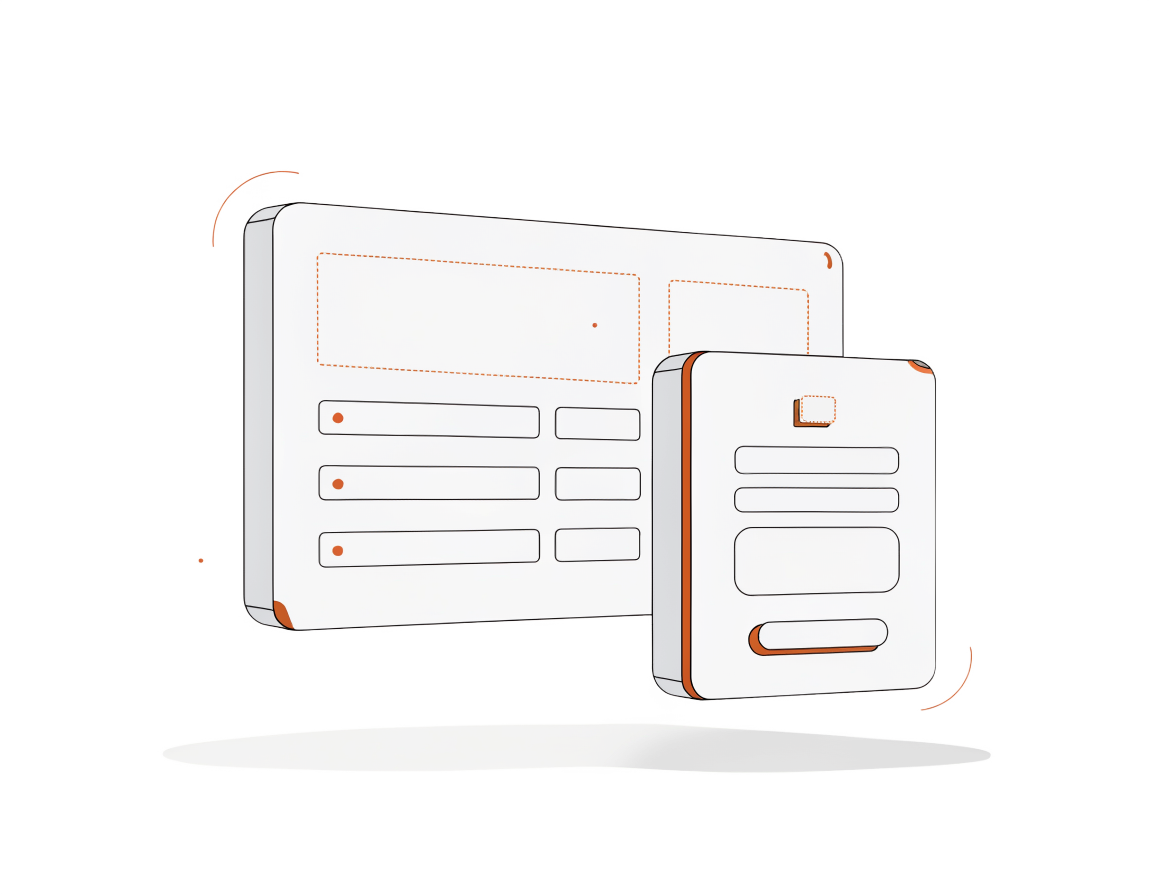
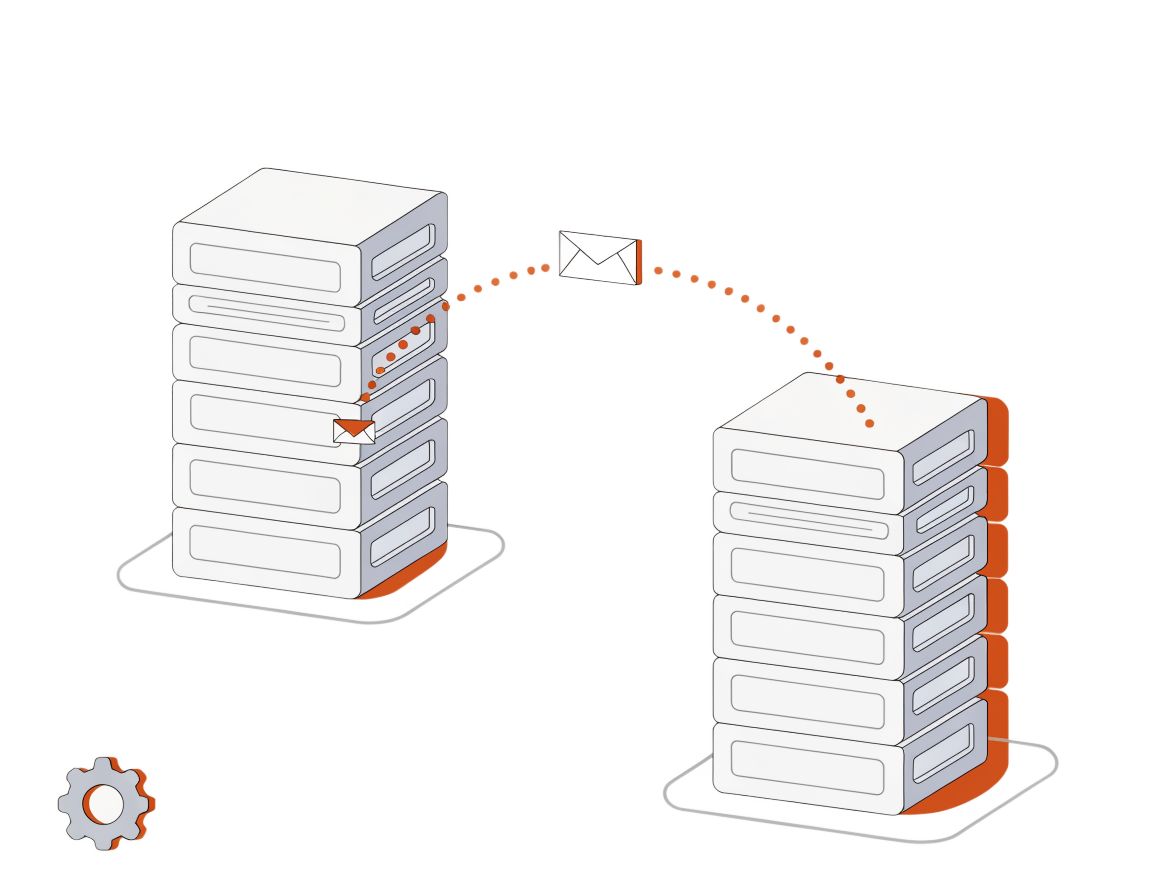
Host-to-Host API — autoship billing and the commission run
This is the path for an MLM with its own back-office. The REST API exposes invoice creation, confirmation tracking, operator-initiated outbound transfers and HMAC-SHA256-signed webhooks across the supported networks. Your software owns genealogy, the comp plan and autoship billing; Paymos settles the order leg and executes the commission transfers your back-office authorises.
See details
Payment Links — high-tier enrolments and event seats
For a large enrolment package, convention ticket, or bulk order, create a fixed invoice with an expiry and send its hosted link to the buyer. Confirmation closes the receivable and preserves the order reference without an acquirer review.
See detailsDirect-sales flows that run on the rail today
Which MLM flows map onto a stablecoin rail?
Four from real setups — enrolment, autoship, the weekly commission run, a rank bonus.
Starter-kit enrolment — Hosted Checkout
A recruit joins with a starter kit. They pay through Hosted Checkout from their wallet, the confirmation reaches your system, and your back-office activates the position. The payment is final once confirmed, so a recruit who quits next quarter can't charge the kit back after receiving and using it.
Monthly autoship — a renewal invoice each cycle
A distributor or customer runs on monthly autoship. Each cycle your system issues a renewal invoice they pay from their wallet — no card on file to expire, no involuntary lapse when a reissued card breaks the charge. Renewal is customer-initiated every time; Paymos never pulls a wallet. A skipped cycle surfaces on a webhook instead of failing silently.
The weekly commission run — operator-initiated transfers
Friday's commission run pays the whole downline. Your back-office computes each share and fires operator-initiated transfers from your Paymos balance to each distributor's wallet. Every one is final on confirmation and reaches the recipient wherever they are; Paymos takes zero commission on the payout, so the only cost is the network fee per transfer, less of it than the send costs. A run that lands on time is what keeps a downline selling.
Rank-advancement bonus — a single operator-initiated transfer
A distributor hits a new rank and earns a bonus. Your back-office approves it and triggers one operator-initiated transfer from your Paymos balance to theirs. It leaves on that approval and is final once confirmed, so the reward is already moving while the win is still fresh — not sitting in a bank payout that clears a week later.
Direct selling on a stablecoin rail
Frequently asked questions
Does Paymos vet whether my company is a legitimate MLM or a pyramid scheme?
With no chargebacks, how do distributor and customer disputes get settled?
How does the commission run reach a large downline?
Do distributors and customers pay and get paid in stablecoins?
How do refunds and the distributor buy-back rule work end-to-end?
What happens if a regulator tells you to stop processing for my company?
Honest disqualifier
When a direct-sales company shouldn't reach for this rail
Four cases where the wallet rail is the wrong fit — none of them about whether Paymos will take you.
Your income comes from recruiting, not from product
If the money flows mainly from enrolling distributors rather than from product reaching real end customers, the FTC's pyramid analysis is your existential question — and it reads your comp plan, not your settlement asset. A final, irreversible rail doesn't shield that structure; it removes the refund mechanics regulators expect to find. Fix the model first. No payment rail fixes it for you.
Your distributors and buyers are fiat-only
If your field is domestic, mainstream and has never touched a wallet, asking them to pay and get paid on-chain adds friction on both legs. This rail earns its keep where the downline is international and the buyers are crypto-comfortable. For a fully fiat-first company, it's a weak primary channel — even when a commission run that clears no bank and waits on no schedule is tempting.
You want a platform to run the compensation plan
Paymos settles orders and moves the payouts you authorise. It doesn't calculate commissions, model a comp plan, track genealogy or file 1099s. If you need the back-office math run for you, that's MLM software, not a payment rail. Pair Paymos with your back-office: it owns the plan logic, Paymos owns final settlement and the commission transfers.
You expect the rail to cover your registrations
Direct-selling registrations, state notice filings, income disclosures, commission tax reporting — that obligation set is yours in every market your downline reaches, and it follows you whatever the settlement asset. Paymos checks none of it and doesn't rule on your structure. Map the filings with counsel and treat the rail as plumbing, not paperwork.
Related flows
Other Adult & High-Risk sub-niches on Paymos
Pricing
1.0% on a settled order. Same on a $50 reorder and a $2,000 enrolment pack
One rate on the order side, no reserve held back. On the payout side Paymos takes zero commission — a commission run costs only a subsidised network fee per transfer. The rate comes down to 0.3% on order volume and how many payments clear; ask from your first order. High-risk card processors run roughly 4–6% effective once surcharges and reserves are counted; other crypto gateways headline near 0.5% but land closer to 1.5–2%+ after swap, transfer and merchant-paid network fees.
See pricing